This Week in Crypto: Bitcoin's Weak Rally, Filing Taxes, and Regulation
This week's episode of Cheddar's Crypto Craze tackles the latest news and trends in this emerging market. Cheddar's Baker Machado and Brad Smith speak with Fortune Senior Writer Jen Wieczner about the latest headlines.
Bitcoin hovering around the $10,000 mark, but it is still down 50 percent from where it was in December. Wieczner says things are still on the upswing.
This week trading cryptocurrency on Robinhood's platform became available for free, but the roll-out has been gradual. "It's only in five states right now," says Wieczner. "There's still 1.4 million on the waitlist just to trade crypto."
Make sure your love don't cost a thing this Valentine's Day to any scammers. Note: we're not talking about your partner that didn't do the dishes after saying they would.
Landing founder and CEO Bill Smith shares how the company’s new Nomad pass and partnership with Frontier Airlines allows subscribers unlimited airfare and accommodations.
The pandemic yielded government financial support and (eventually) a surprisingly strong job market — but racial wealth disparities grew. Why is it so difficult to close the wealth gap?
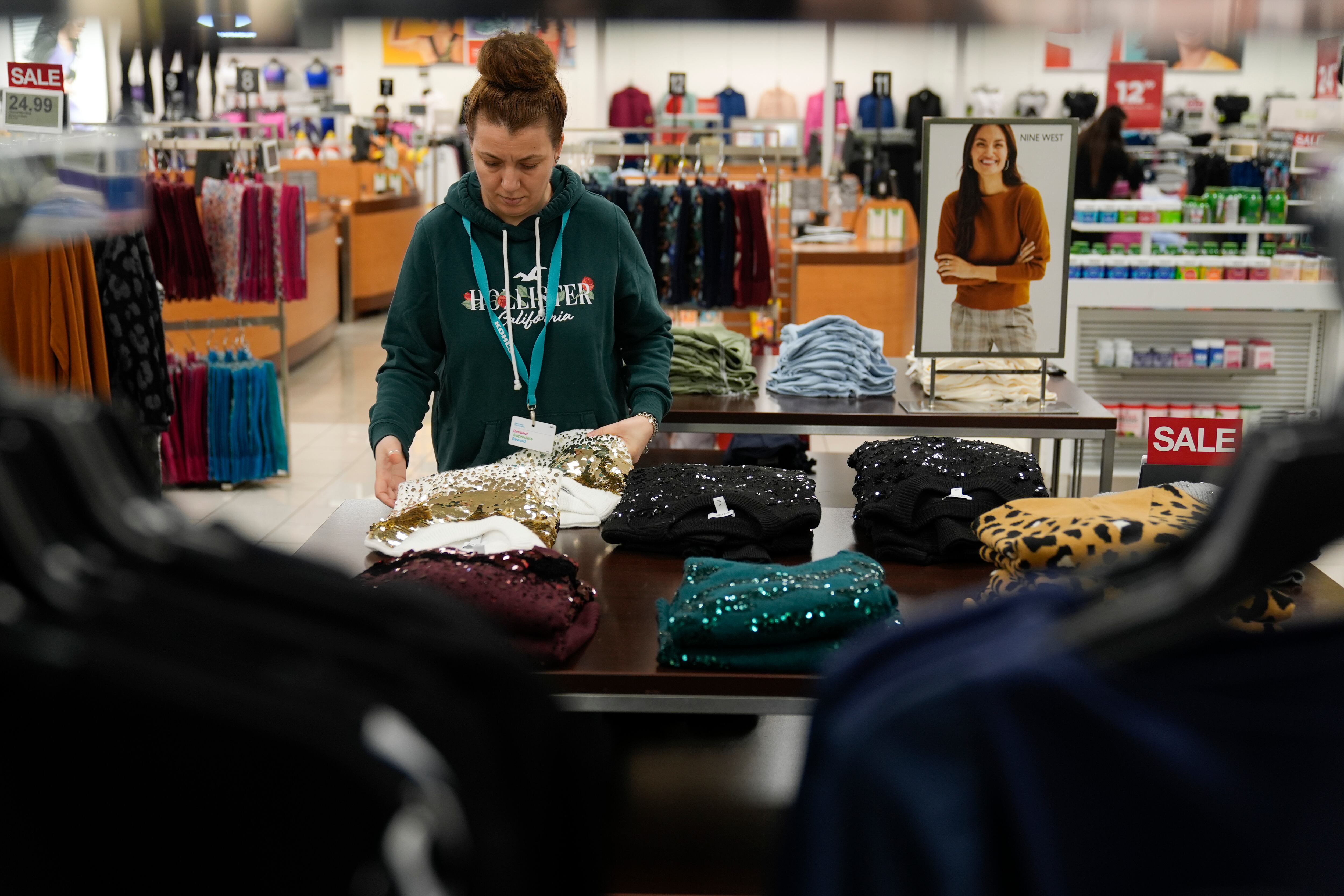
Plenty of retailers and suppliers are reducing the variety of their offerings to focus instead on what they think will sell best. Many businesses have decided less is better, justifying their limited selection by asserting shoppers don’t want so much choice.
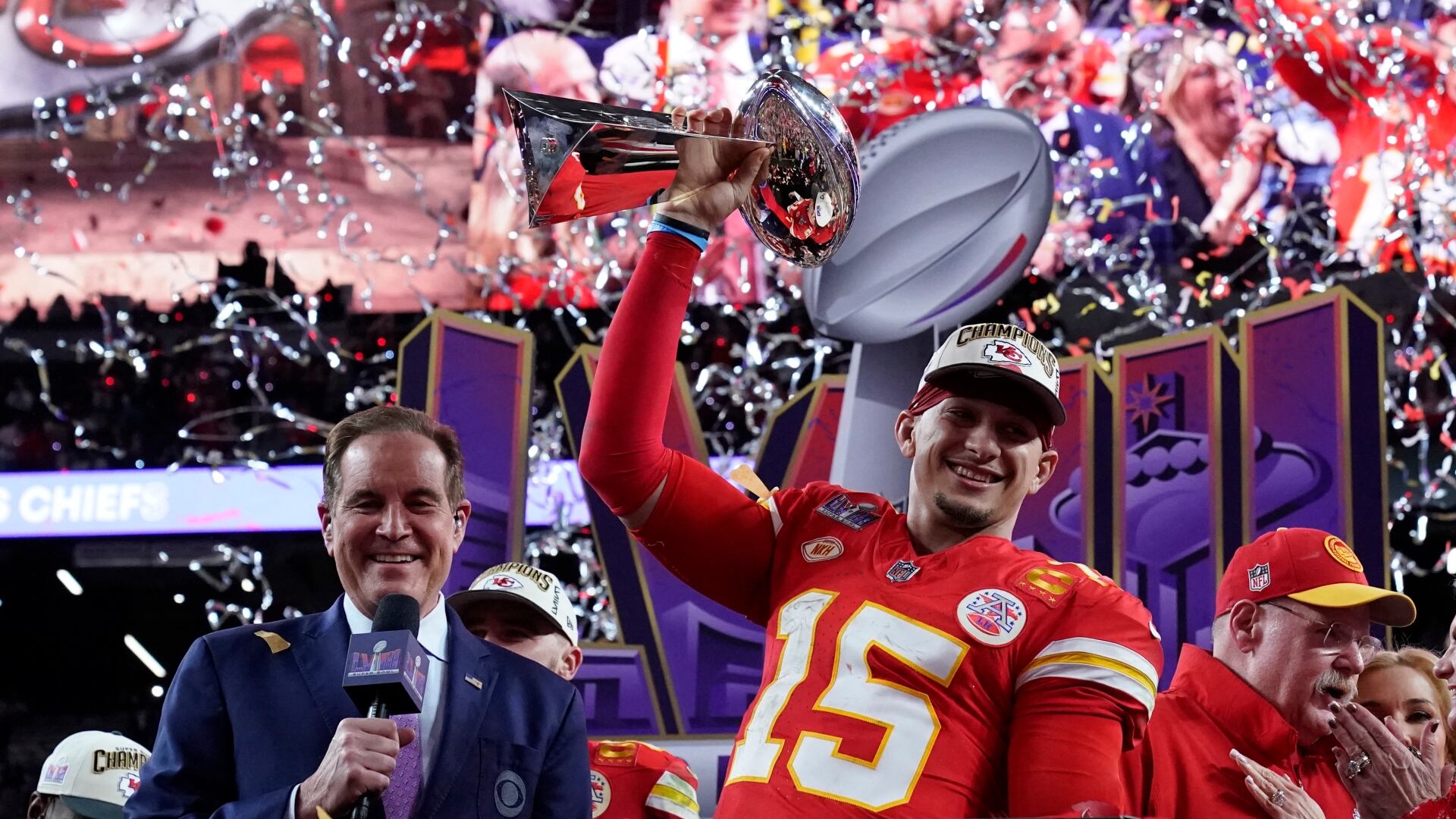
Joe Pompliano, author of the Huddle Up newsletter, breaks down the biggest moments from Super Bowl LVIII, from potentially record-breaking viewership to Taylor Swift’s highly anticipated appearance.
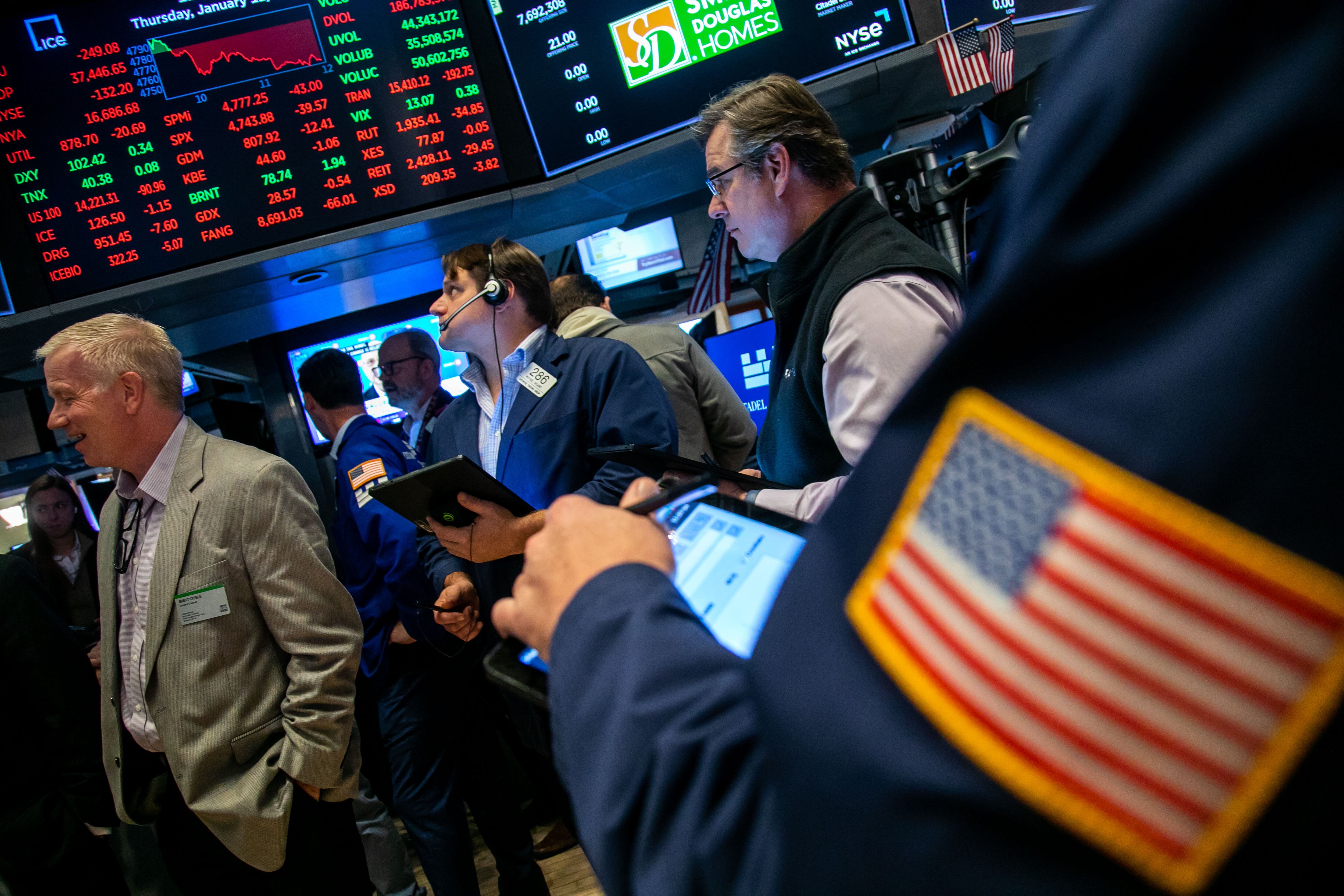
David Wright, President and owner of Wright Financial Group, shares his thoughts on why the Federal Reserve seems hesitant to cut rates, and why regional bank stocks could help move the needle.
Disney and Fortnite-maker Epic Games will collab on making new video games with Disney characters. Hopefully it will be more than Mickey Mouse hitting the Griddy.
Hershey is cautioning on its 2024 profit growth as the company contends with rising cocoa costs, leading to increased prices for chocolate. The company anticipates its full-year earnings per share being relatively flat, partly due to higher cocoa and sugar costs.