This Early Spotify Investor Isn't Concerned Shares Have Pulled Back
One early Spotify investor is happy that the company’s stock didn’t surge when it started trading on the market Tuesday.
“If we had totally exploded, I don’t think that would have been good,” said Pär-Jörgen Pärson, partner at European venture capital firm Northzone, a Spotify investor since 2008.
“It would be hard to grow into that valuation over time. I think it’s better to have a gradual convergence of what the market expects and what you deliver as a company.”
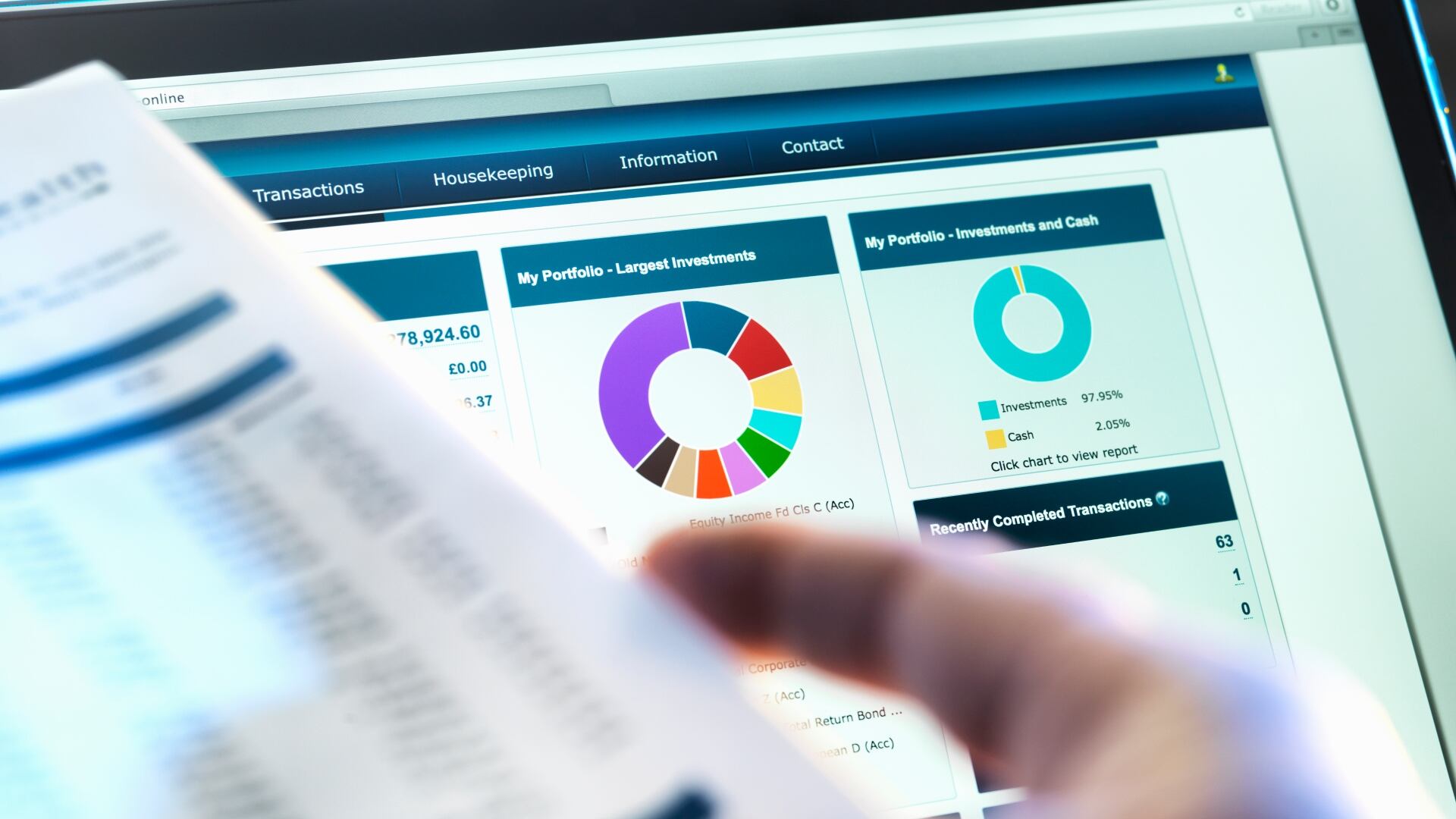
Investors and experts forecasted major market volatility as a result of Spotify’s unusual direct listing. But the music streaming company’s public debut went off smoother than expected, and despite pulling back from from the opening trades, shares remain well above the reference price of $132 a share.
Reports emerged Thursday that only about five percent of the total number of Spotify shares that were eligible for the listing were actually sold and traded.
That may be because investors aren’t ready to part ways with their shares as they’ve “grown to really like and appreciate the destructive nature of the company,” said Pärson.
Spotify shares ended Thursday at almost $144.
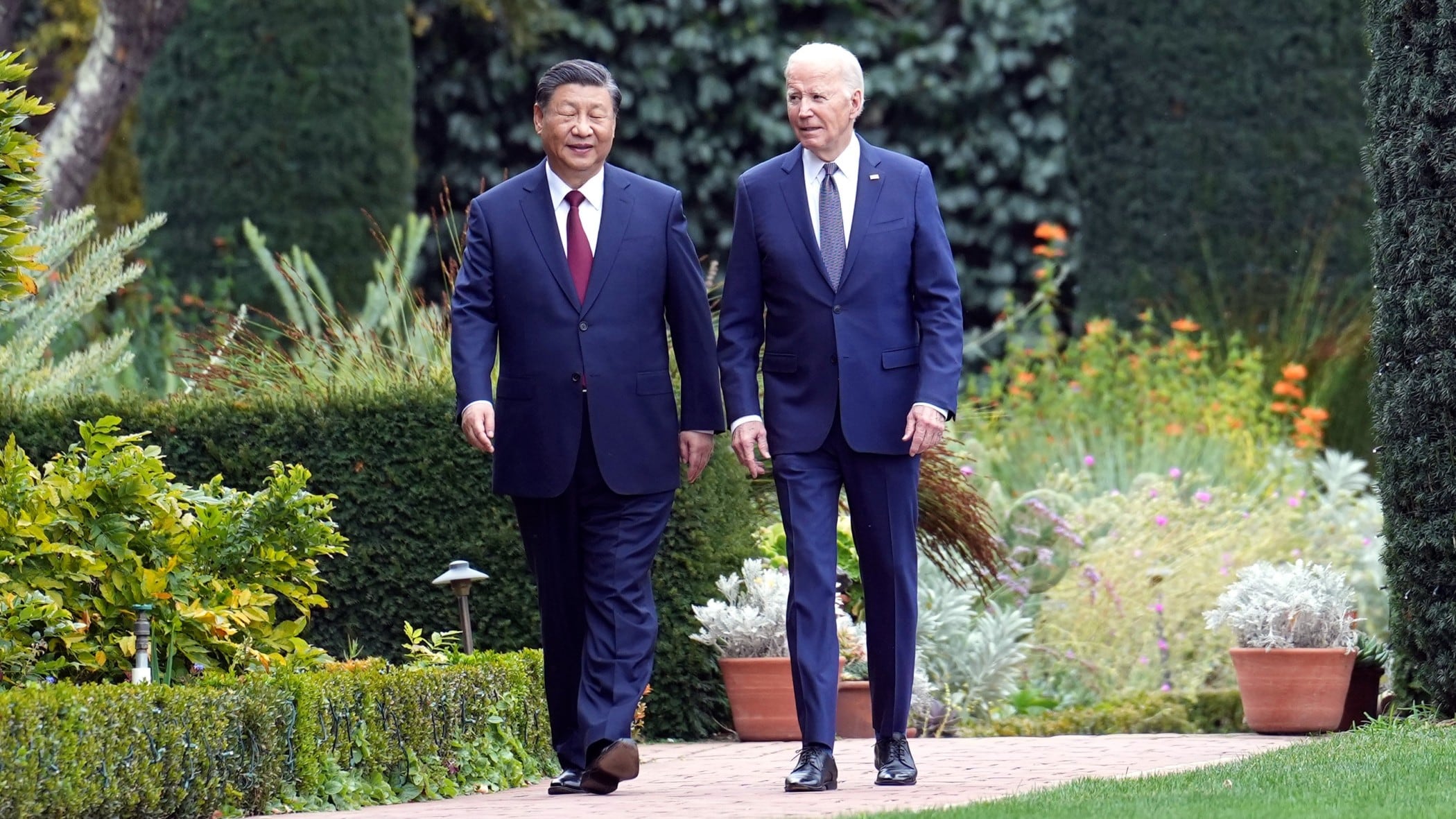
President Joe Biden and Chinese President Xi Jinping have discussed Taiwan, artificial intelligence and security issues in a call meant to demonstrate a return to regular leader-to-leader dialogue between the two powers.
April is Earth month, and while the green revolution might feel far away, the founder of climate VC Siam Capital says it’s on it’s way, and, even better: it won't cost you more.
From snow in April to heatwaves in December, it’s hard to plan a trip in a climate change world. Startup Sensible Weather thinks weather-based travel reimbursements are the solution.
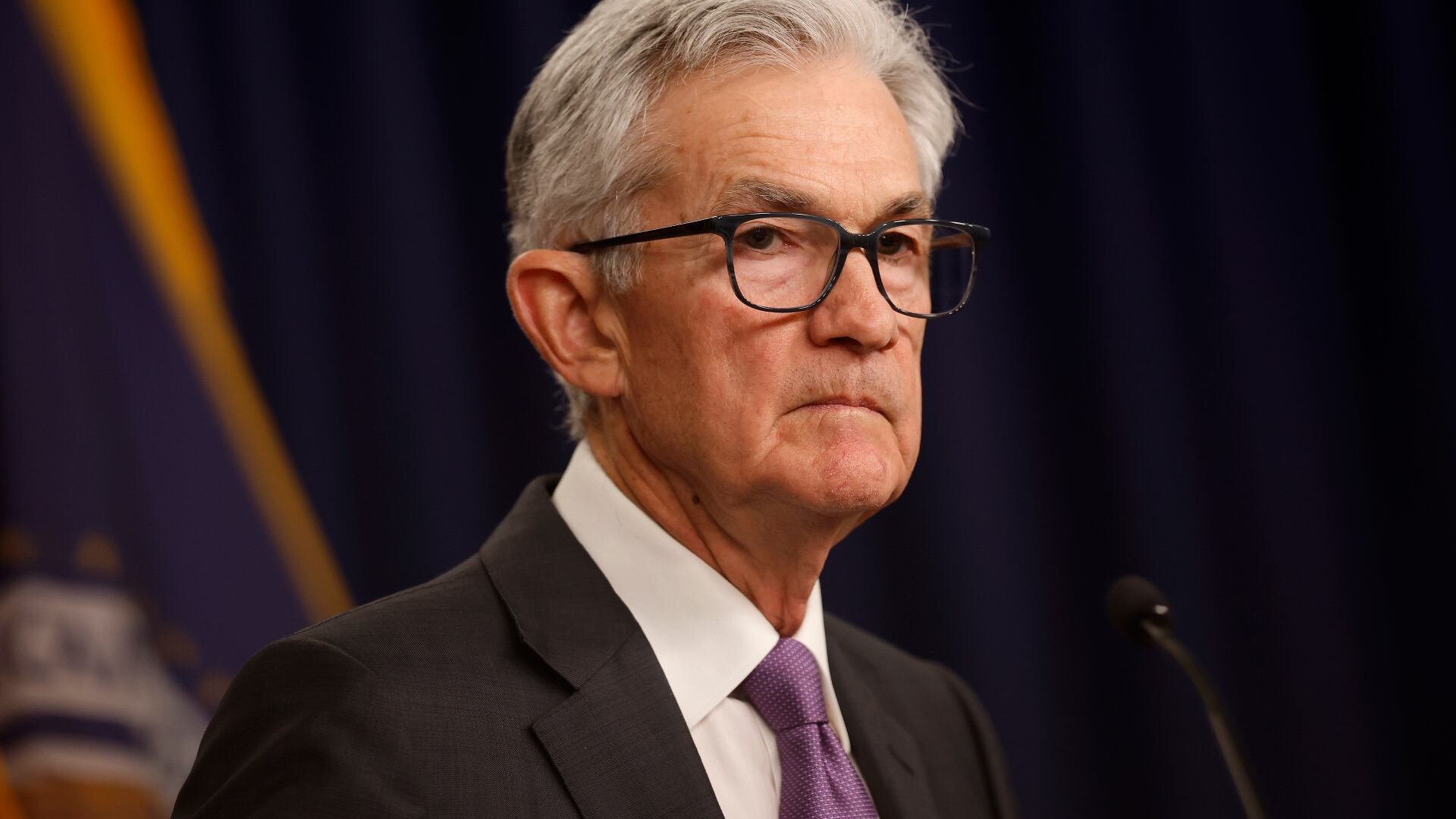
Between corporate debt and the widening gap between ‘the haves and the have nots,’ there are reasons to be cautious about the economy, even with interest rate cuts on their way.
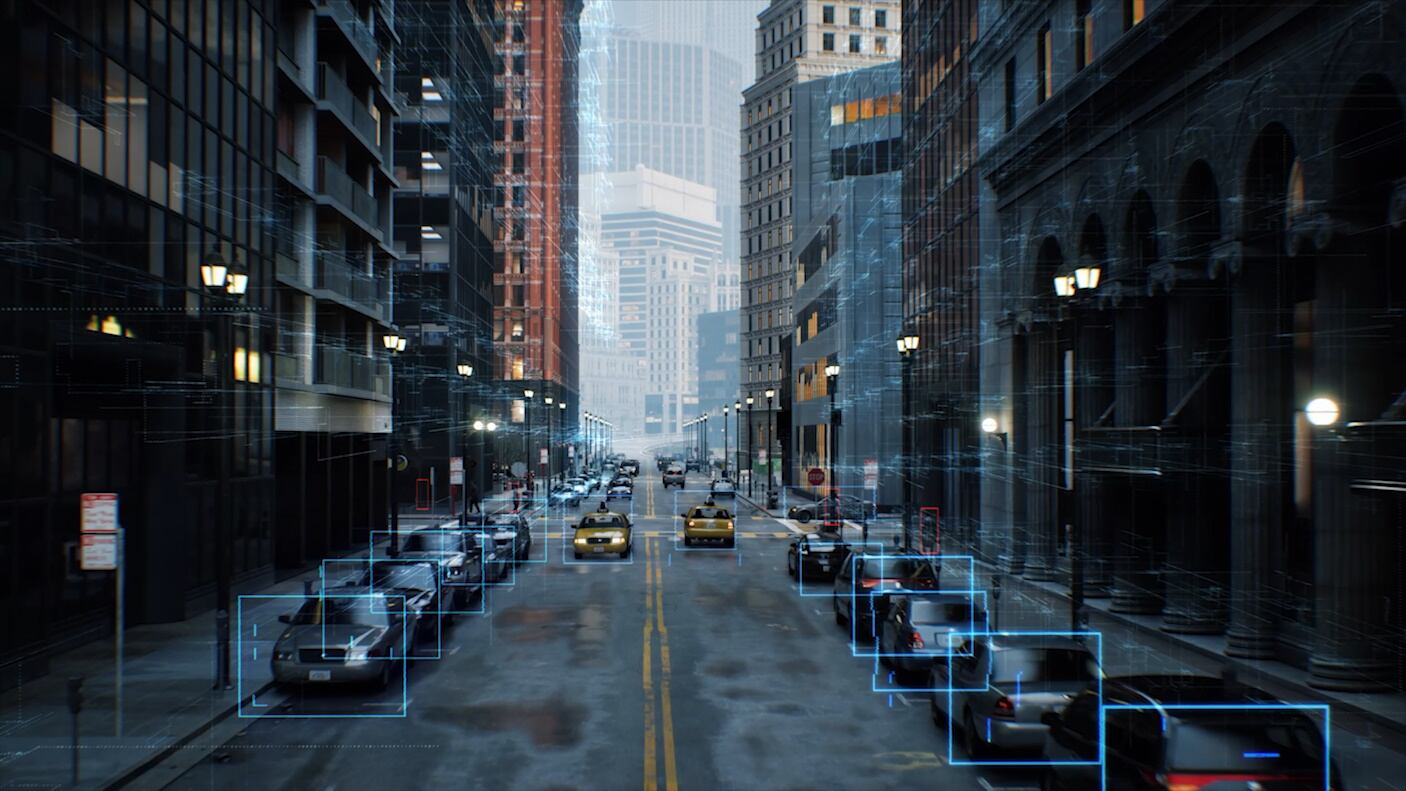
If the A.I. hype hasn’t given you enough of a reason to be excited (and a little terrified), the CEO of Zapata AI says the next frontier is designing bridges or creating pharmaceutical drugs.