This Early Spotify Investor Isn't Concerned Shares Have Pulled Back
One early Spotify investor is happy that the company’s stock didn’t surge when it started trading on the market Tuesday.
“If we had totally exploded, I don’t think that would have been good,” said Pär-Jörgen Pärson, partner at European venture capital firm Northzone, a Spotify investor since 2008.
“It would be hard to grow into that valuation over time. I think it’s better to have a gradual convergence of what the market expects and what you deliver as a company.”
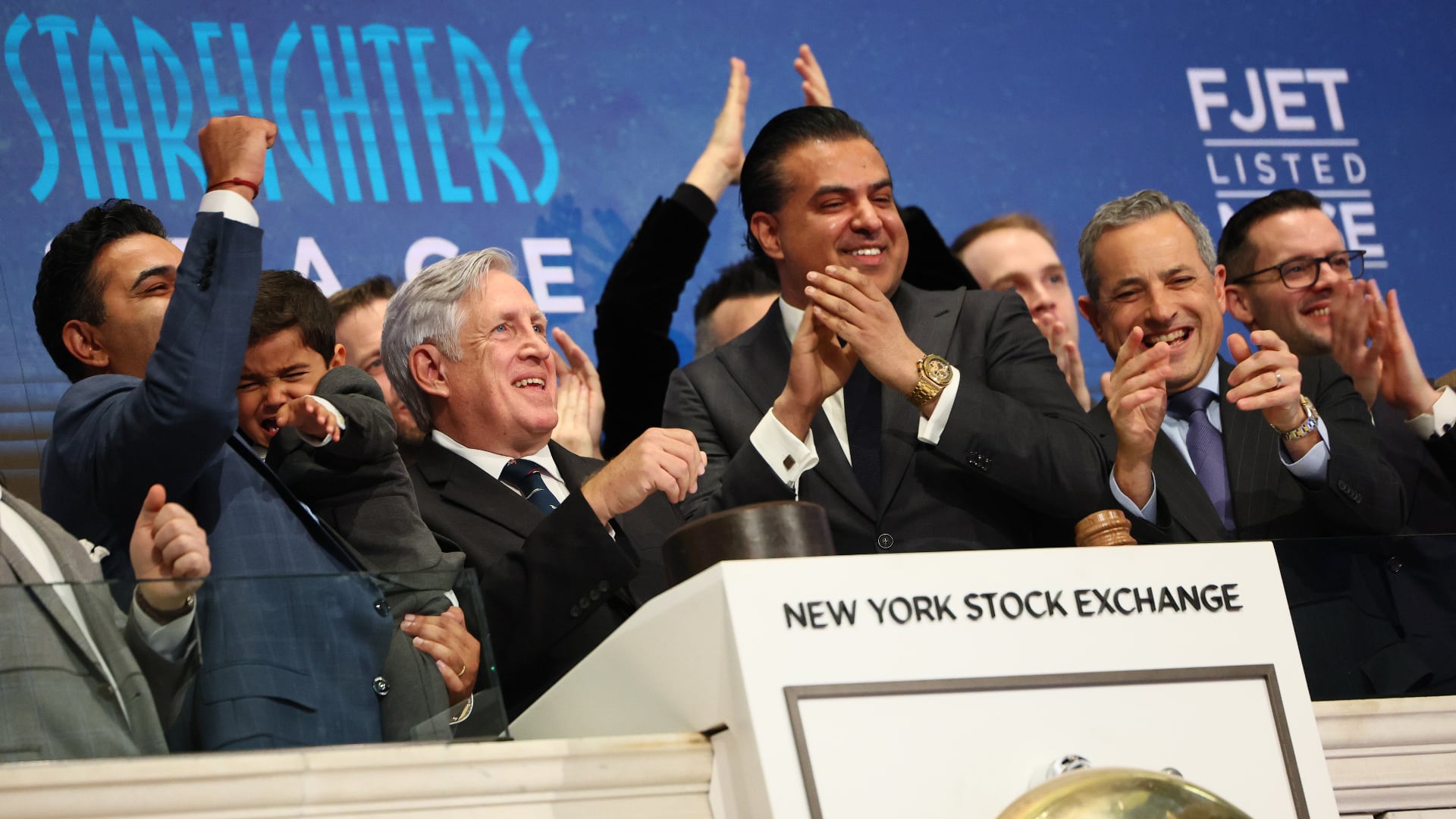
Investors and experts forecasted major market volatility as a result of Spotify’s unusual direct listing. But the music streaming company’s public debut went off smoother than expected, and despite pulling back from from the opening trades, shares remain well above the reference price of $132 a share.
Reports emerged Thursday that only about five percent of the total number of Spotify shares that were eligible for the listing were actually sold and traded.
That may be because investors aren’t ready to part ways with their shares as they’ve “grown to really like and appreciate the destructive nature of the company,” said Pärson.
Spotify shares ended Thursday at almost $144.
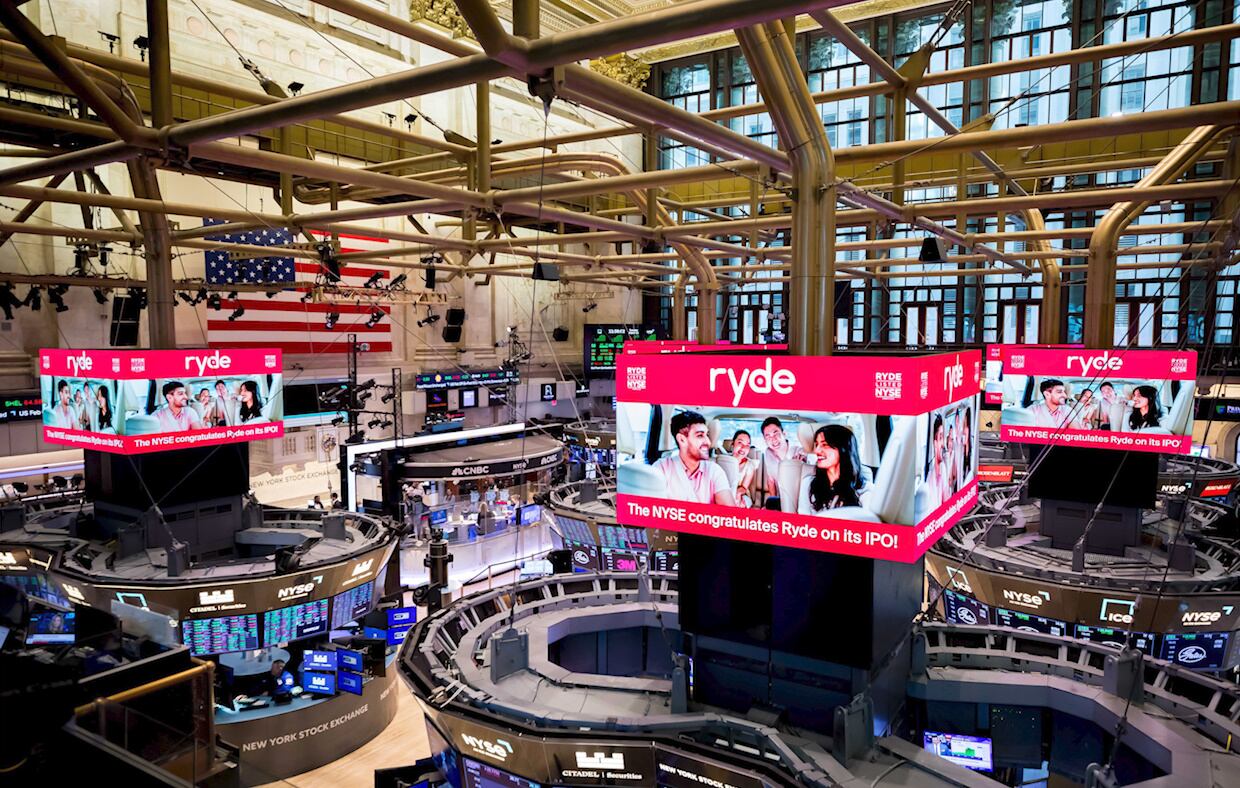
With inflation and prices still on the rise, it might be worth considering a carpool app. One of them, Singapore-based Ryde, just went public in the U.S.
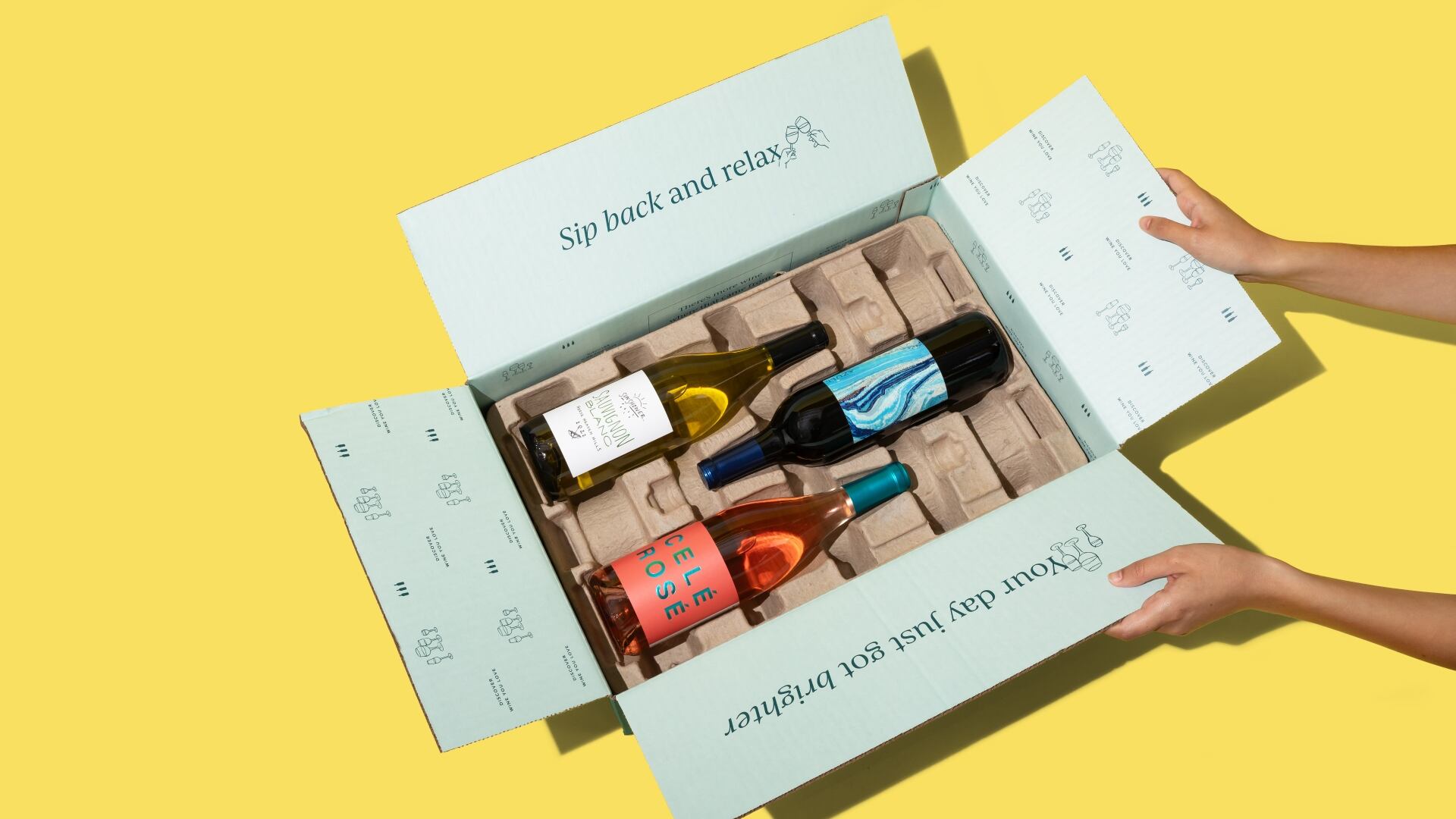
Full Glass Wine Co., the company behind Bright Cellars, Wine Insiders, and Winc, knows you fell in love with home delivery during the pandemic – and it’s investing millions into making it even better.
It might sound counterintuitive, but the Fed cutting interest rates three times this year could cause inflation to spike and actually be worse for markets and the economy as a whole.
Imagine a world with just a handful of mediocre beer options. Terrible, right? That was the U.S. before the explosion of craft breweries, the Samuel Adams founder says.
March was a blockbuster month for jobs, with 303,000 new positions – and paired with slower wage growth, an economist and a portfolio manager agree this could be the ‘best of both worlds.’