Khushi Baby is the device that lets babies and mothers in rural India wear their medical histories around their necks. CEO and co-founder Ruchit Nagar joins us to discuss how the landmark technology works. He also tells us what went into turning his idea from a college project into a revolutionary product.
Nagar breaks down the technology behind the inexpensive digital necklace. He explains the app medical workers can use to easily access the medical histories of mothers and babies in rural India. The device uses near-field communication technology and cloud computing to become a "digital key" to the world's health gap.
While the technology is only being used in India now, Ragar gives us a look ahead at his company's plan for expansion into Africa and the Middle East. He also speculates on how advancements in 5G technology can increase the device's capabilities. Finally, we learn how researchers are using the app for analysis in addition to data collection.
Meta's announcement that COO Sheryl Sandberg will be stepping down from her role after 14 years with the company has left investors wondering about the tech giant's future. Doug Astrop, a managing partner at Exponential Investment Partners (an investor in Meta), joined Cheddar News to discuss what the personnel change to Javier Olivan means for investors and the future of the Meta. "They are bringing somebody up who's been there a long time, who has been the chief revenue officer, and so I don't think it means major changes," he said. "but symbolically it's important and significant."
Vinay Ravuri, Founder and CEO at EdgeQ, breaks down an all-new solution to unlock the full potential of edge computing and create a hyper-connected world; Cheddar gets a look at Curiosity Stream's 'Work in Progress.'
Vinay Ravuri, Founder and CEO at EdgeQ, joins Cheddar Innovates to discuss an all-new solution to unlock the full potential of edge computing and create a hyper-connected world.
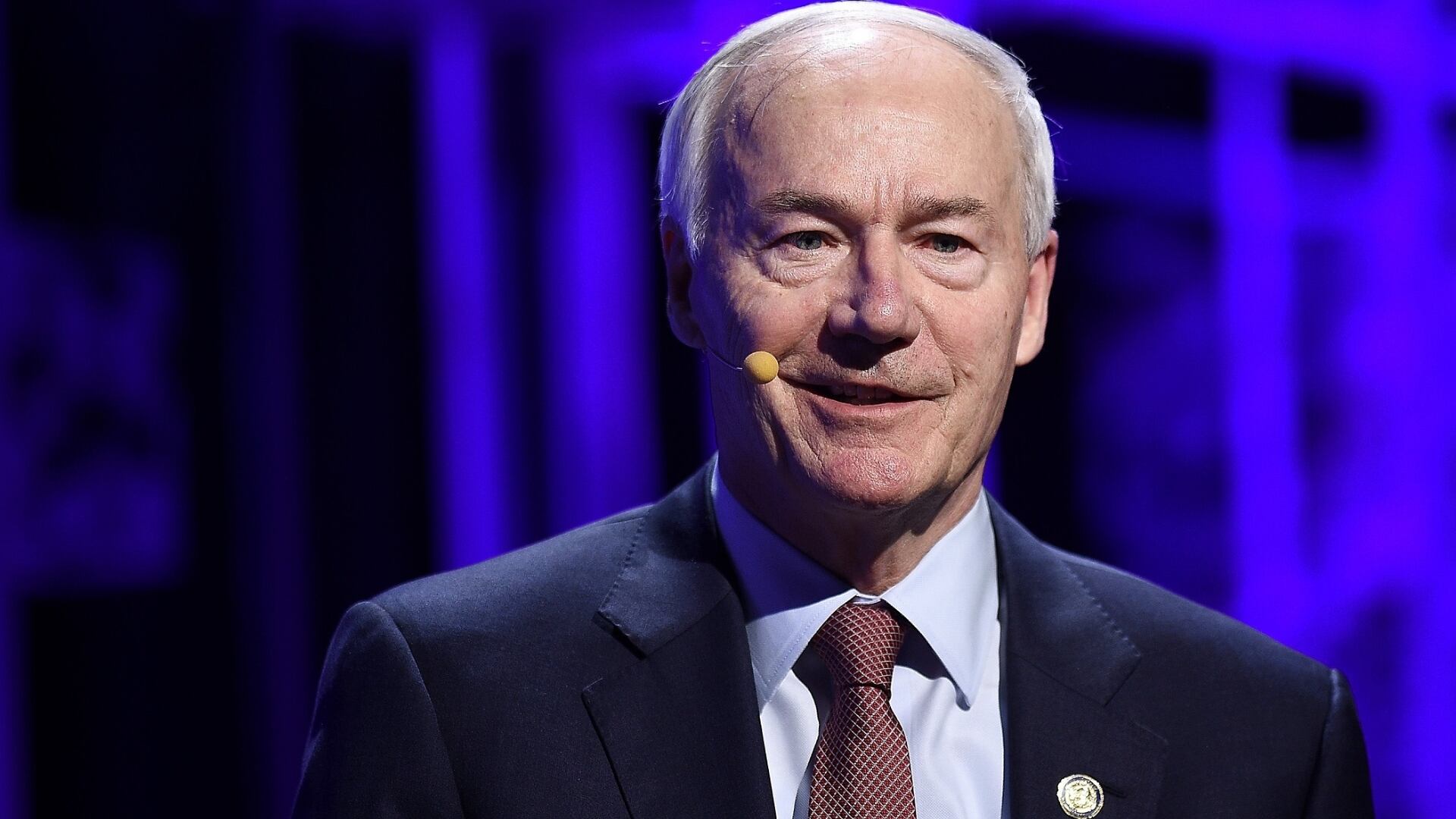
Arkansas is planning to reshape itself by putting a strong emphasis on technology through computer science in the classroom. Governor Asa Hutchinson joined Cheddar News Buffa to discuss the state's efforts to promote itself as a future tech hub. “It gives young people such a huge opportunity for success," he noted. The term-limited governor also touched on the issue of gun ownership, offering up the idea of possibly raising the age limit to obtain rifles like the AR-15 to 21 instead of 18 as it currently stands.
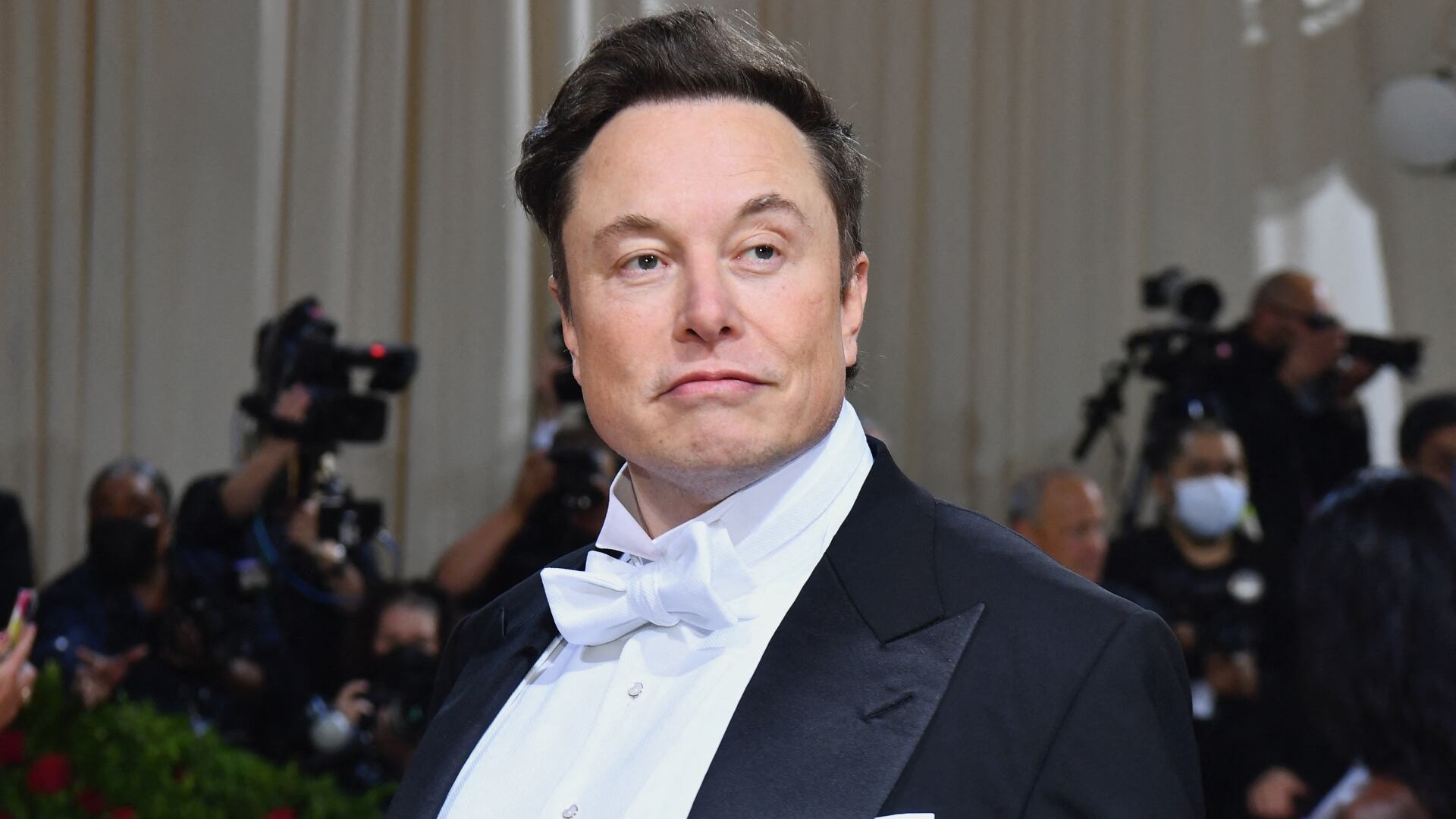
Elon Musk is demanding his Tesla employees to return to the office full time, a minimum of at least 40 hours a week. The CEO also took a shot at other companies who have some form of work-from-home status. The ultimatum comes at a tumultuous time for Musk with the reveal of a sexual misconduct scandal and his attempted Twitter purchase.