It's been unseasonably warm in many parts of the country this winter, but nothing compared to the Arctic. Temperatures normally hover around four degrees below zero, but have been climbing much higher.
Laura Geggel, Senior Writer at Live Science, explains why these high temperatures are causing concern. Heat waves in the arctic aren't a new phenomenon, but normally they happen once every 10 years. The last heat wave in the arctic was just two years ago.
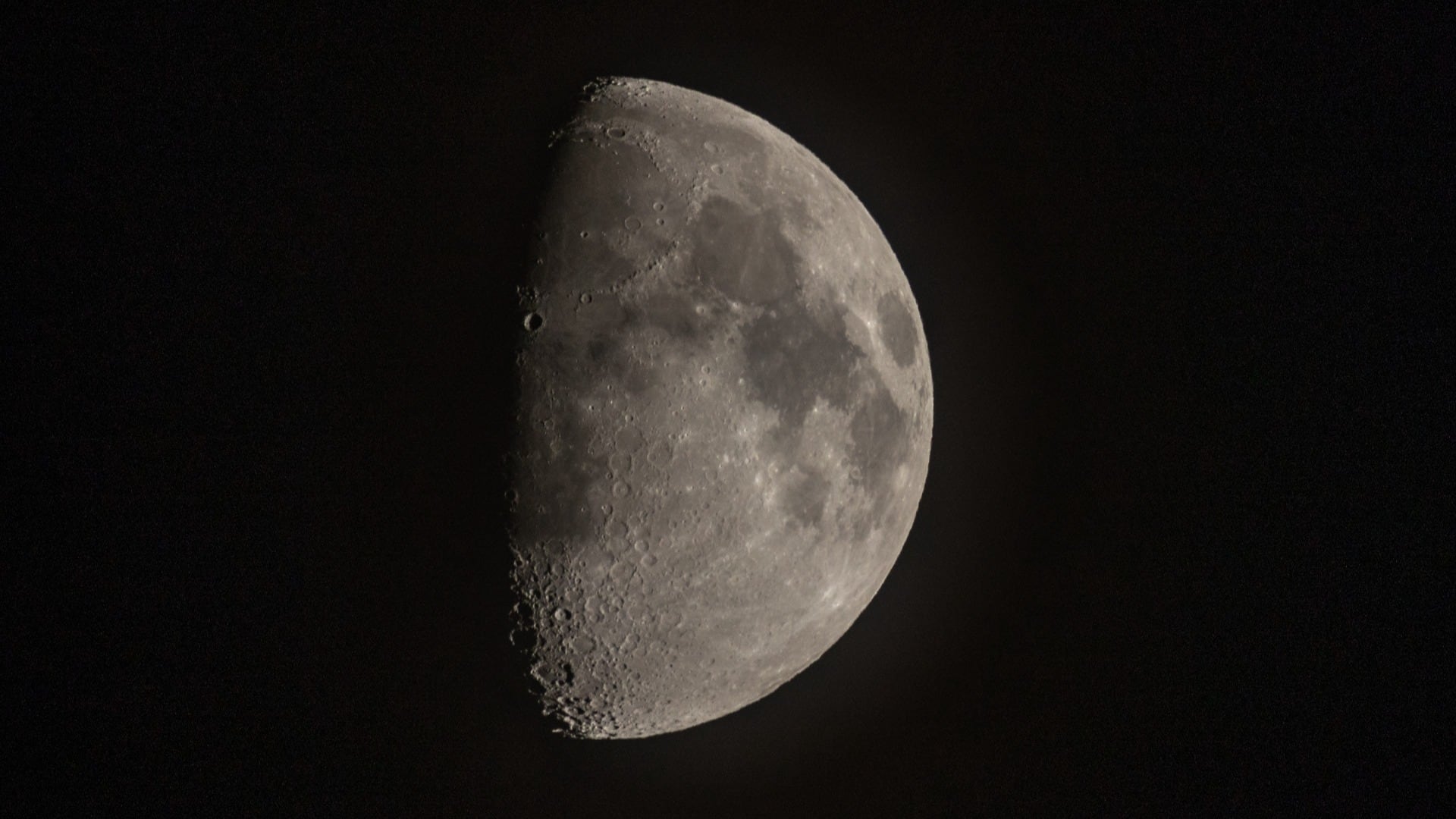
Geggel also discusses a German company's plan to establish a 4G mobile coverage on the moon. The network will reportedly be set up in 2019.
Pfizer is warning that an antibiotic used to treat syphilis and other bacterial infections in young people are likely to run out by the end of this quarter.
Be Well: Alex Rodriguez on the Importance of Dental Hygiene Following Gum Disease Diagnosis
Be Well: Key Stretches to Consider Before Your Workout
A scientist at the University of California, Riverside is designing an emoji-based measurement system to aid communication between patients and doctors, arguing they could be particularly useful for patients who cannot speak.
Thousands of dead fish washed up ashore in southwest Texas.
Only 1 in 4 residential treatment centers for teens offers a recommended medicine for opioid addiction, according to a study that exposes an important gap in care.
Be Well: Understanding Infertility and Weighing Options to Start a Family
Be Well: Building Strength, Cardio and Mindfulness at 'The Class'
The NASA Artemis 3 mission in 2025 plans to investigate whether microorganisms may have survived in the moon's permanently shadowed craters .
According to NASA, a "potentially dangerous" asteroid about the size of a bridge narrowly passed Earth on Monday.