It's been unseasonably warm in many parts of the country this winter, but nothing compared to the Arctic. Temperatures normally hover around four degrees below zero, but have been climbing much higher.
Laura Geggel, Senior Writer at Live Science, explains why these high temperatures are causing concern. Heat waves in the arctic aren't a new phenomenon, but normally they happen once every 10 years. The last heat wave in the arctic was just two years ago.
Geggel also discusses a German company's plan to establish a 4G mobile coverage on the moon. The network will reportedly be set up in 2019.
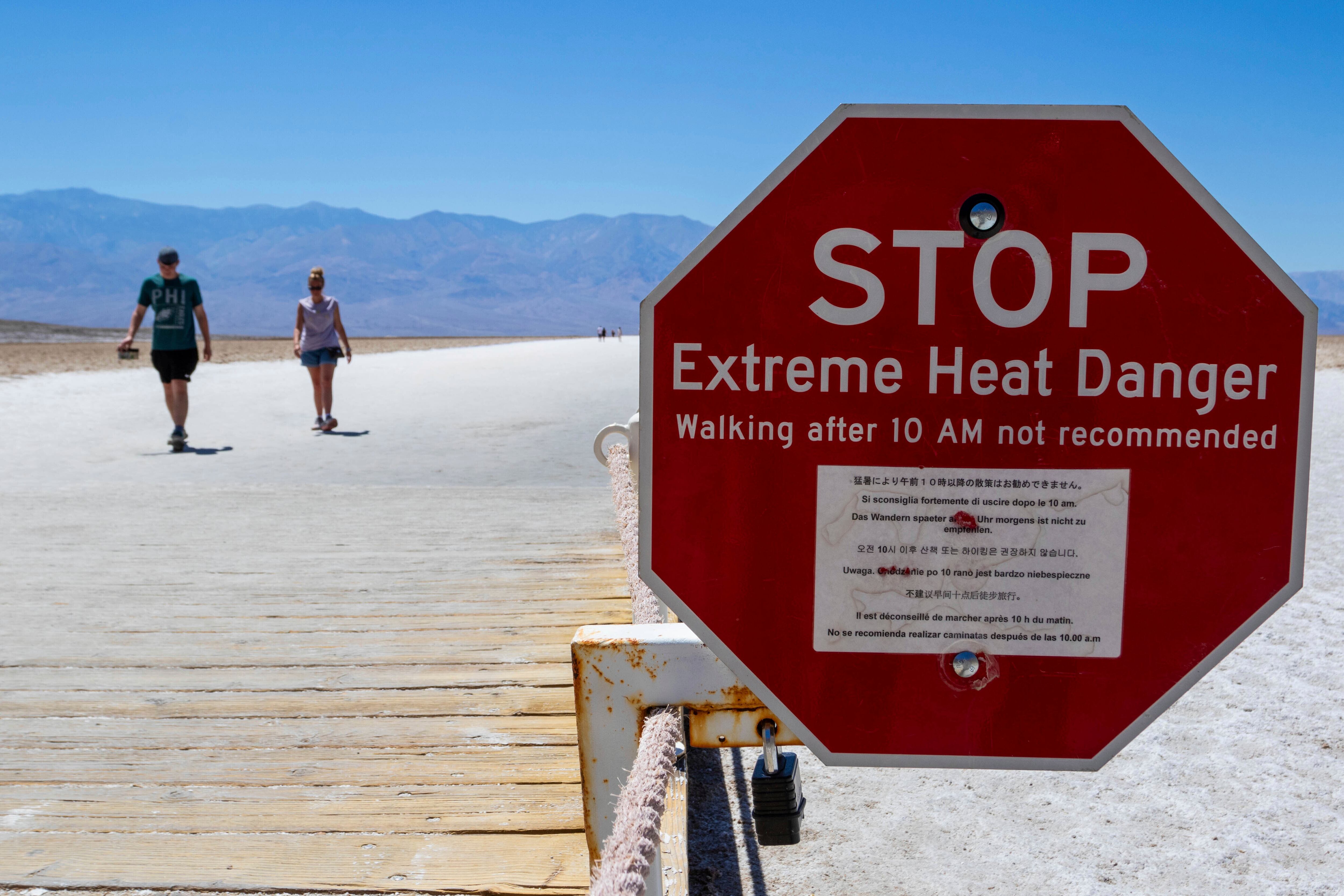
Temperatures in central and southern California could hit 120 degrees Fahrenheit this weekend.
The World Health Organization moved to classify aspartame, the artificial sweetener in diet soda, as a possible carcinogen.
The World Health Organization's cancer agency has deemed the sweetener aspartame — found in diet soda and countless other foods — as a “possible” cause of cancer, while a separate expert group looking at the same evidence said it still considers the sugar substitute safe in limited quantities.
More than a third of Americans were under extreme heat advisories, watches and warnings Thursday as a blistering heat wave that's been baking the nation spread further into California, forcing residents to seek out air conditioning or find other ways to stay cool in triple-digit temperatures.
Tourists in central Athens huddled under mist machines, and zoo animals in Madrid were fed fruit popsicles and chunks of frozen food, as southern Europeans braced for a heat wave Thursday, with a warning of severe conditions coming from the European Union’s space agency.
A new study published in Nature has found that more than 56 percent of the world's oceans have changed color in the past 20 years, and climate change is to blame.
Recently discovered teeth of a two-million-year-old human relative in Africa could give researchers new insight into genetics.