It's been unseasonably warm in many parts of the country this winter, but nothing compared to the Arctic. Temperatures normally hover around four degrees below zero, but have been climbing much higher.
Laura Geggel, Senior Writer at Live Science, explains why these high temperatures are causing concern. Heat waves in the arctic aren't a new phenomenon, but normally they happen once every 10 years. The last heat wave in the arctic was just two years ago.
Geggel also discusses a German company's plan to establish a 4G mobile coverage on the moon. The network will reportedly be set up in 2019.
HIV and AIDS have long had a disproportionate impact on the Black community. In recognition of that stark reality, the U.S. government marked February 7 as National Black HIV/AIDS Awareness Day.
New York dropped its vaccine requirement for city workers.
The Biden administration is set to boost the health standards of meals provided in public schools across the U.S.
The Food and Drug Administration still hasn't regulated the cannabis compound CBD — and the agency said it has no plans to.
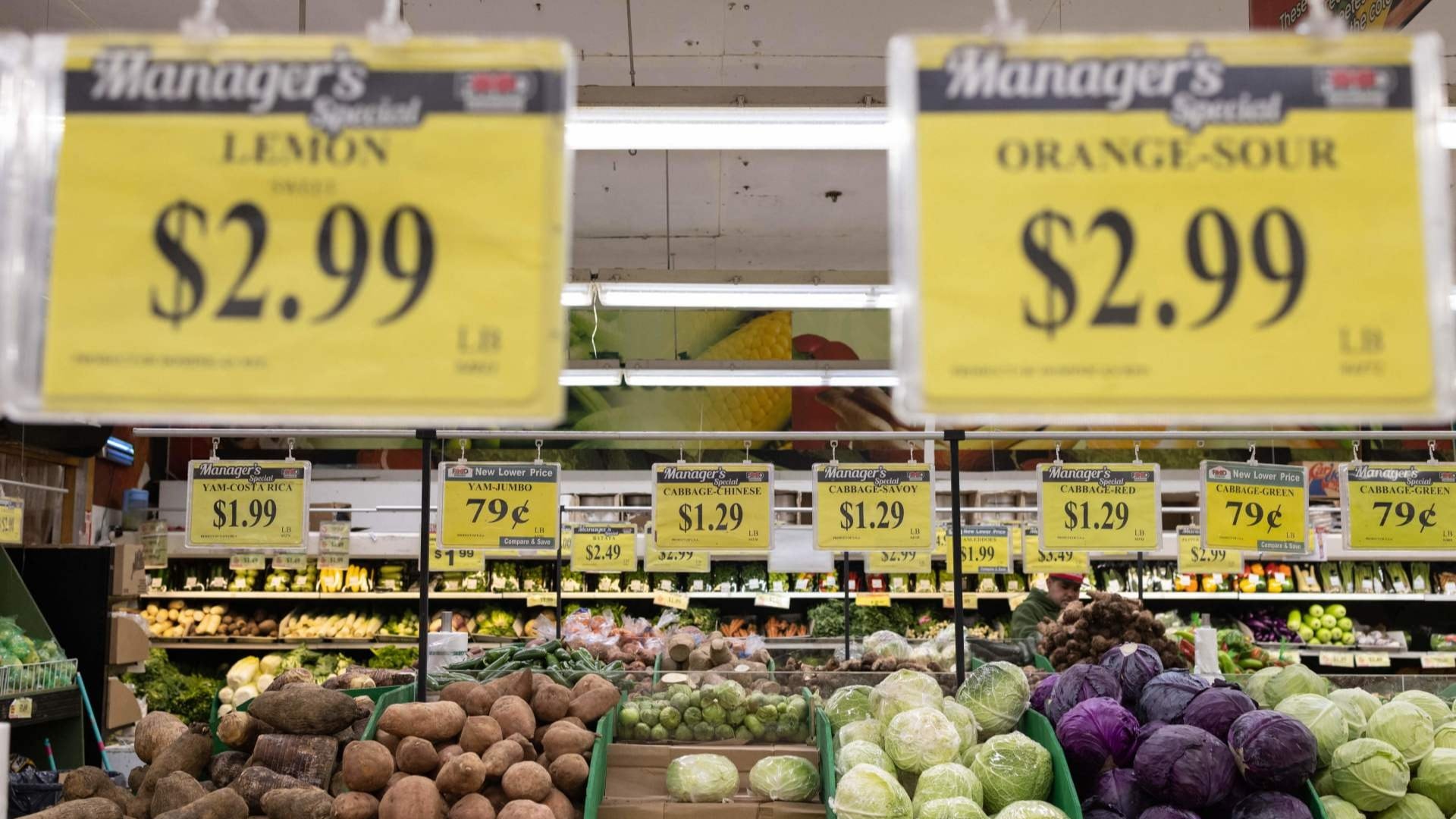
World food prices fell in January for the 10th straight month, according to data.
An arctic blast is hitting the Northeast as millions are dealing with wind chills that could hit as low as 60 below zero.
Aerospace startup Atomos Space, which is developing a series of orbital transfer vehicles to help reposition satellites in space, recently closed on a $16 million financing round. CEO Vanessa Clark and COO William Kowalski joined Cheddar News to discuss the company's operations ahead of its launch.
Oatly has launched climate footprint labels on its products in North America.
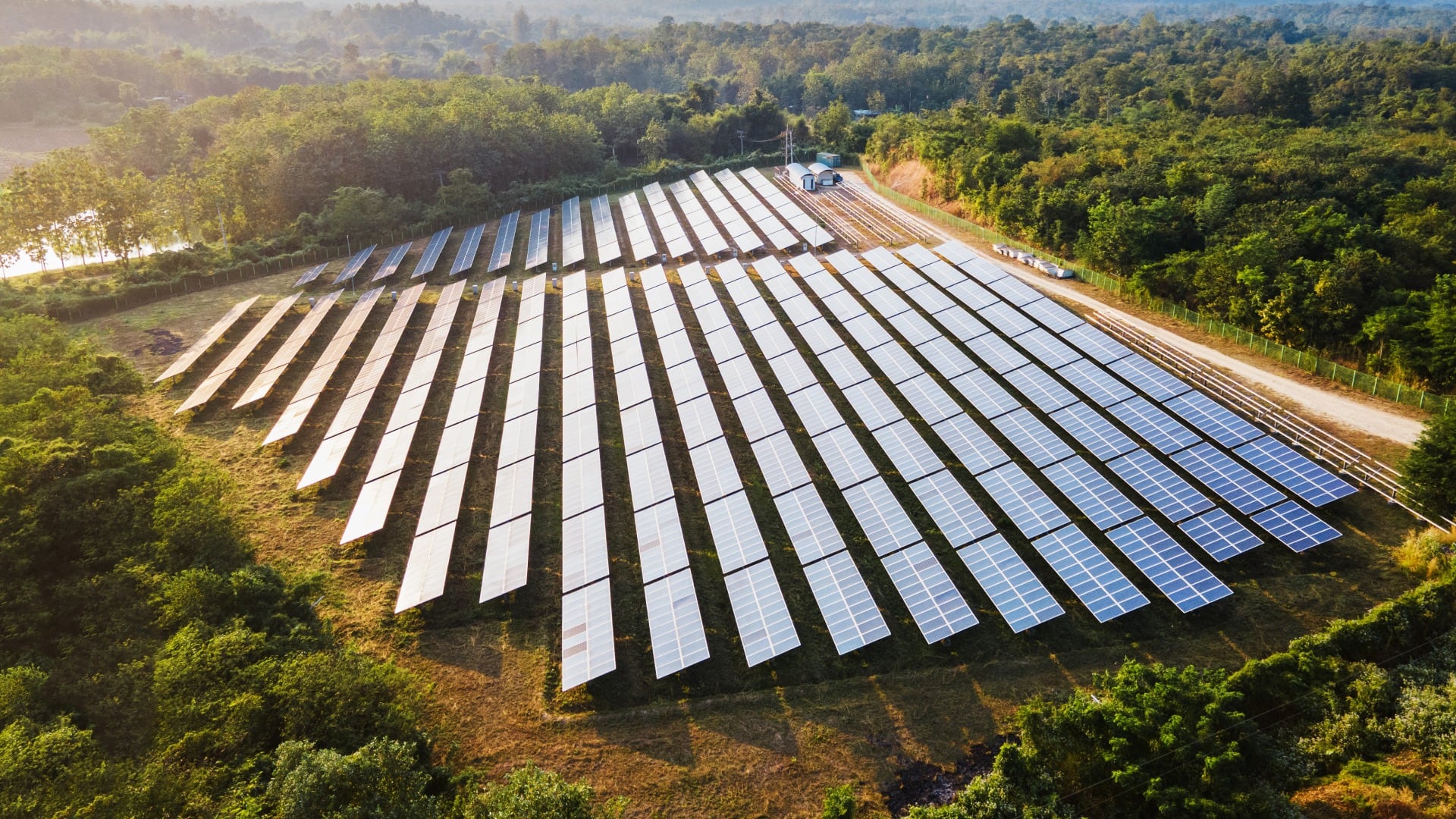
British energy giant BP predicts that fossil fuels as a primary energy source will decline from 80 percent in 2019 to between 55 and 20 percent in 2050.
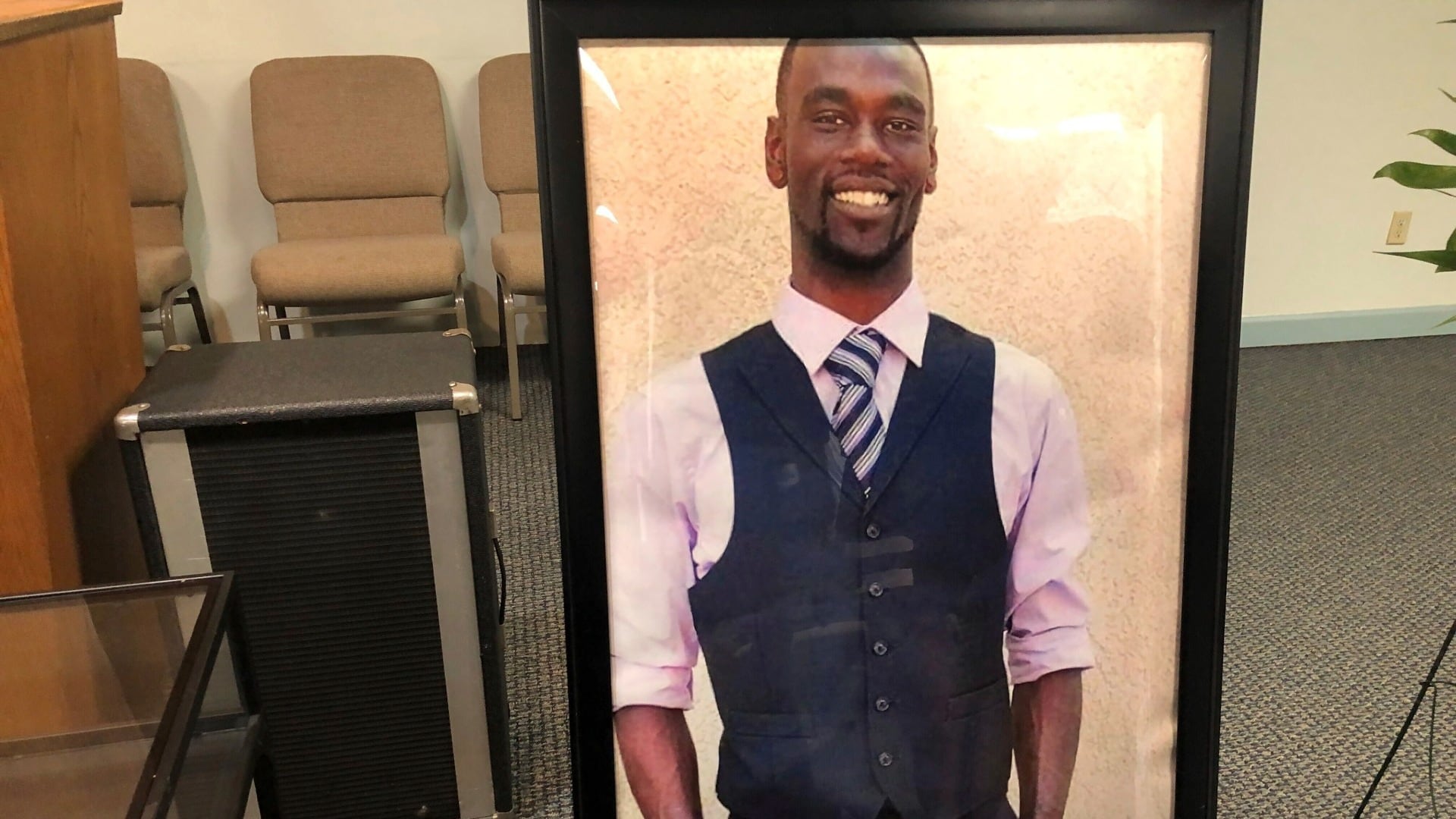
First responders fired after video of police beating Tyre Nichols was released, 10 people show in Lanland, Fla. and winter storm is causing travel troubles. Here is everything you Need2Know for January 31, 2023.