The Investors Most Likely to Sell Their Uber Stakes
Uber's valuation is reportedly down. That's according to Softbank's offer to buy shares of the ride-sharing company at a 30 percent discount. Axios' Dan Primack breaks down what this pending deal could mean for Uber.
The Japanese firm is leading a group that will purchase billions of dollars worth of shares from employees and investors at a $48 billion valuation, and invest about $1 billion in Uber at the previous valuation of $68 billion. Primack says most of this investment will go to early shareholders. The "unofficial" reason for the investment at the old valuation is that is the price Saudi Arabia's public investment fund bought in about a year ago.
Potential sellers, such as early investors and employees, have 20 business days to give Softbank an answer during the tender process. Primack called Softbank's price at a 30 percent discount an "opening bid," and doesn't see any way this deal is accomplished at this starting price. Ultimately, Uber CEO Dara Khosrowshahi needs this deal to get done because it's tied to governance changes, says Primack. It will give Khosrowshahi and the board more control, and former Uber CEO Travis Kalanick less control.
Neiman Marcus Group CEO Geoffroy van Raemdonck talks luxury shopping and TikTok, why the company prefers to be private for now, and the benefits of flexible work arrangements.
Rebecca Walser, founder and CEO of Walser Wealth Management, discusses how geopolitical conditions, the bifurcated economy, and other volatility could weigh on markets.
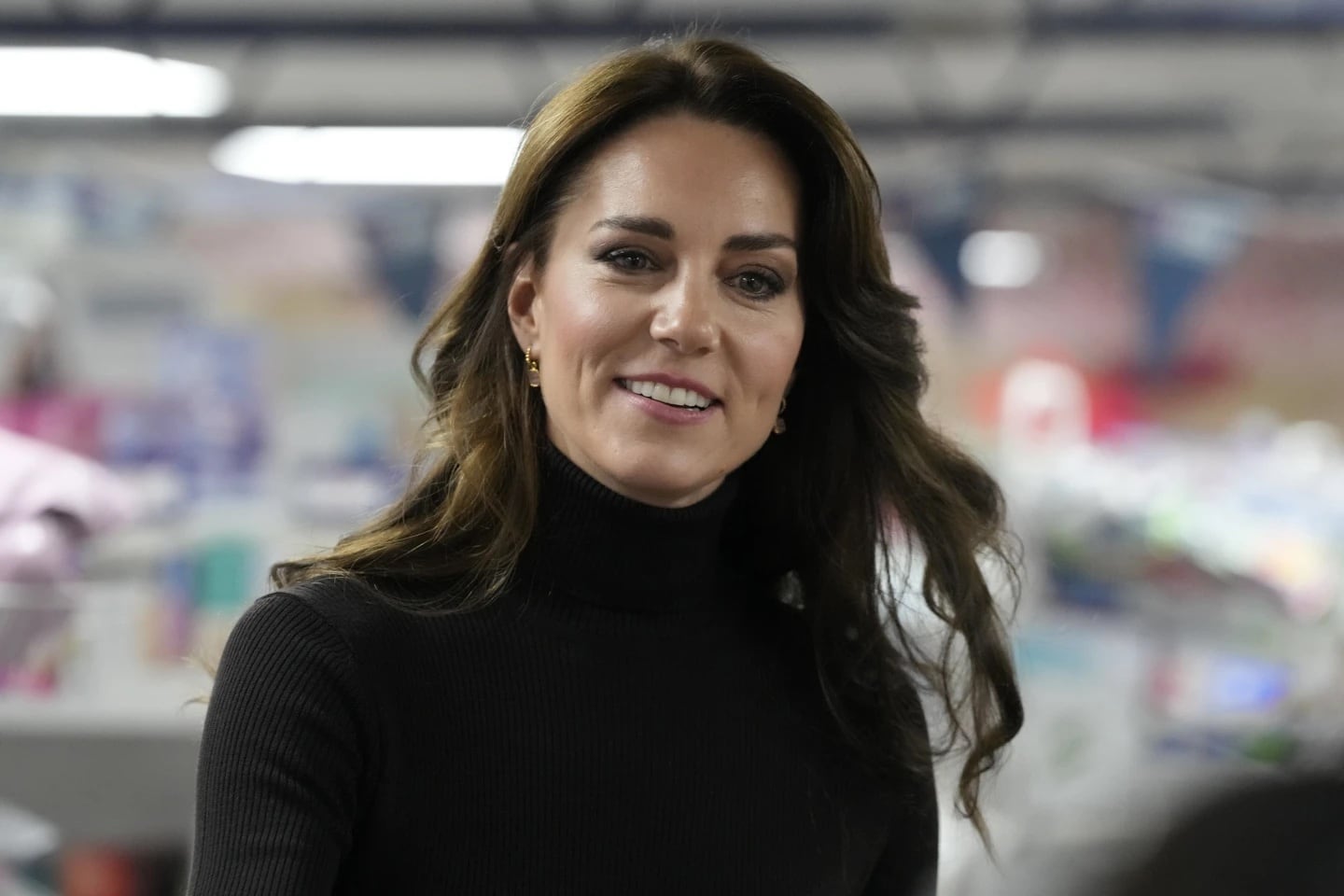
The video announcement Friday came after weeks of speculation spread on social media about her whereabouts and health since she was hospitalized in January for unspecified abdominal surgery.
Chip Giller, co-founder, and Amy Seidenwurm, Chief of Programs and Strategy at Agog: The Immersive Media Institute, discuss how the organization uses the virtual world to make real change.
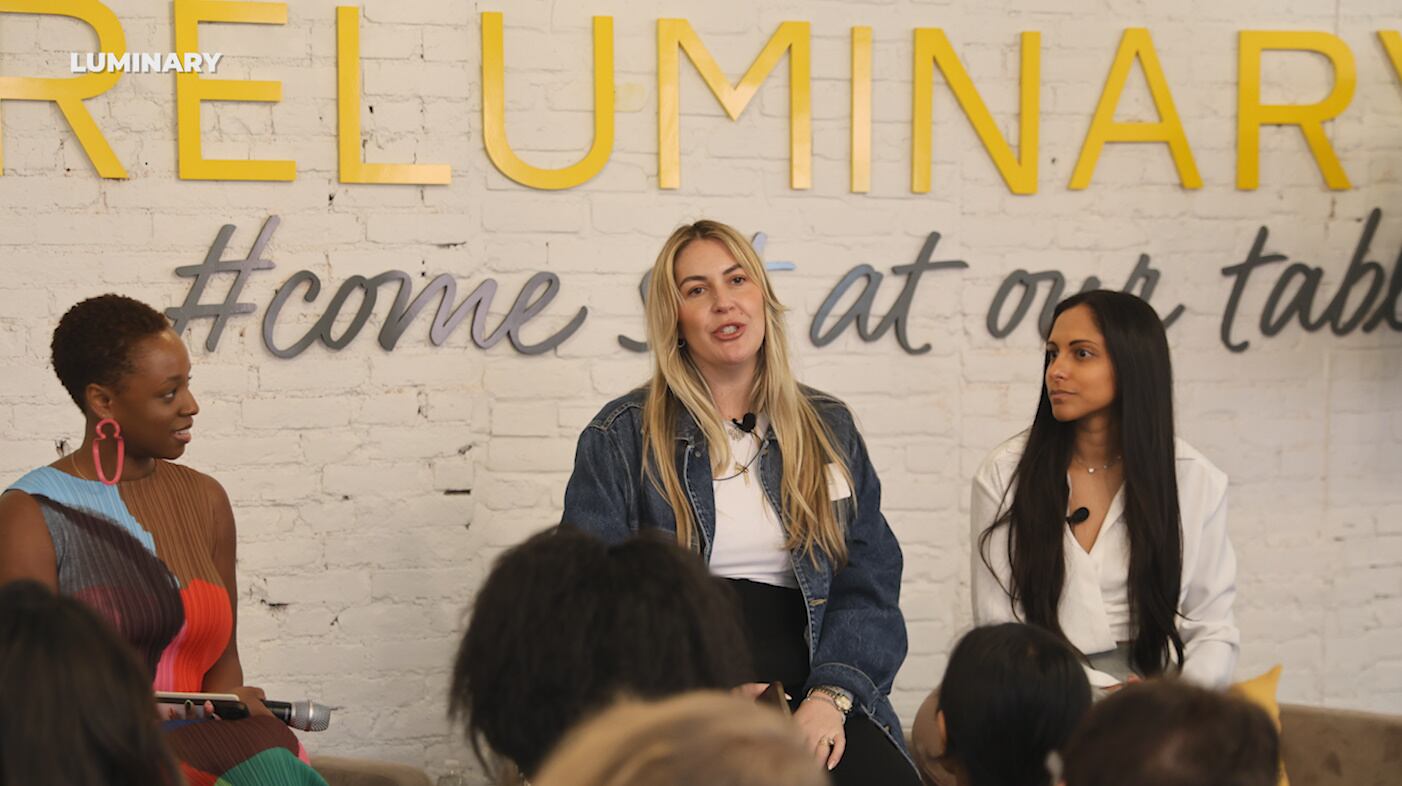
Luminary founder and CEO Cate Luzio shares some of the company’s latest Women’s History Month events and why there’s so much to celebrate about women in the workplace.
WSJ reporter Ray Smith breaks down why more companies are offering ‘dry’ promotions – a responsibility or title bump with no pay raise – and the pros and cons of accepting them.