More than 70 years after doctors at Johns Hopkins Hospital took Henrietta Lacks’ cervical cells without her knowledge, a lawyer for her descendants said they have reached a settlement with a biotechnology company that they accused of reaping billions of dollars from a racist medical system.
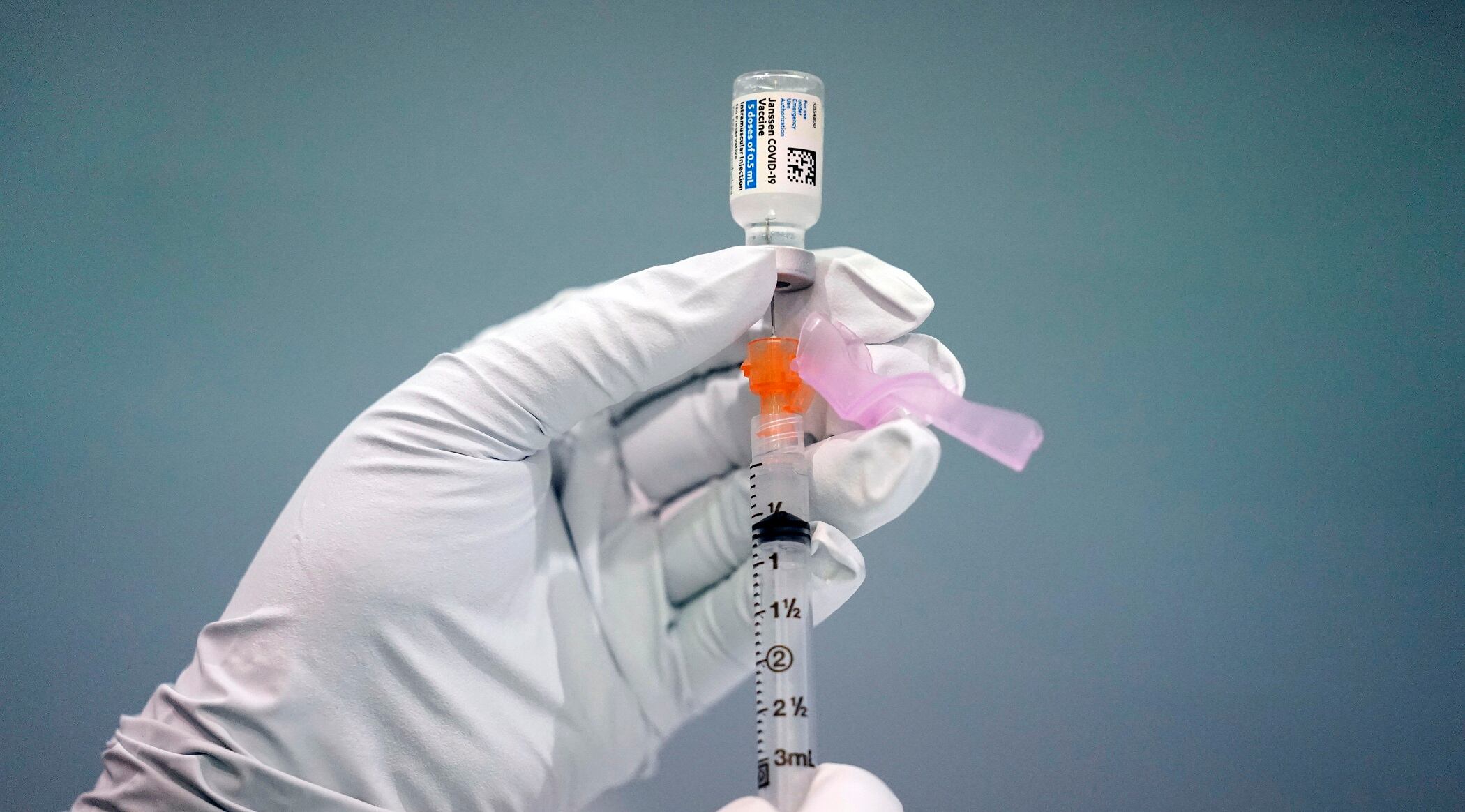
Tissue taken from the Black woman’s tumor before she died of cervical cancer became the first human cells to be successfully cloned. Reproduced infinitely ever since, HeLa cells have become a cornerstone of modern medicine, enabling countless scientific and medical innovations, including the development of the polio vaccine, genetic mapping and even COVID-19 vaccines.
Despite that incalculable impact, the Lacks family had never been compensated.
Doctors harvested Lacks’ cells in 1951, long before the advent of consent procedures used in medicine and scientific research today. Lawyers for her family argued that Thermo Fisher Scientific Inc., of Waltham, Massachusetts, continued to commercialize the results well after the origins of the HeLa cell line became well known. The company unjustly enriched itself off Lacks’ cells, the family argued in their lawsuit, filed in 2021.
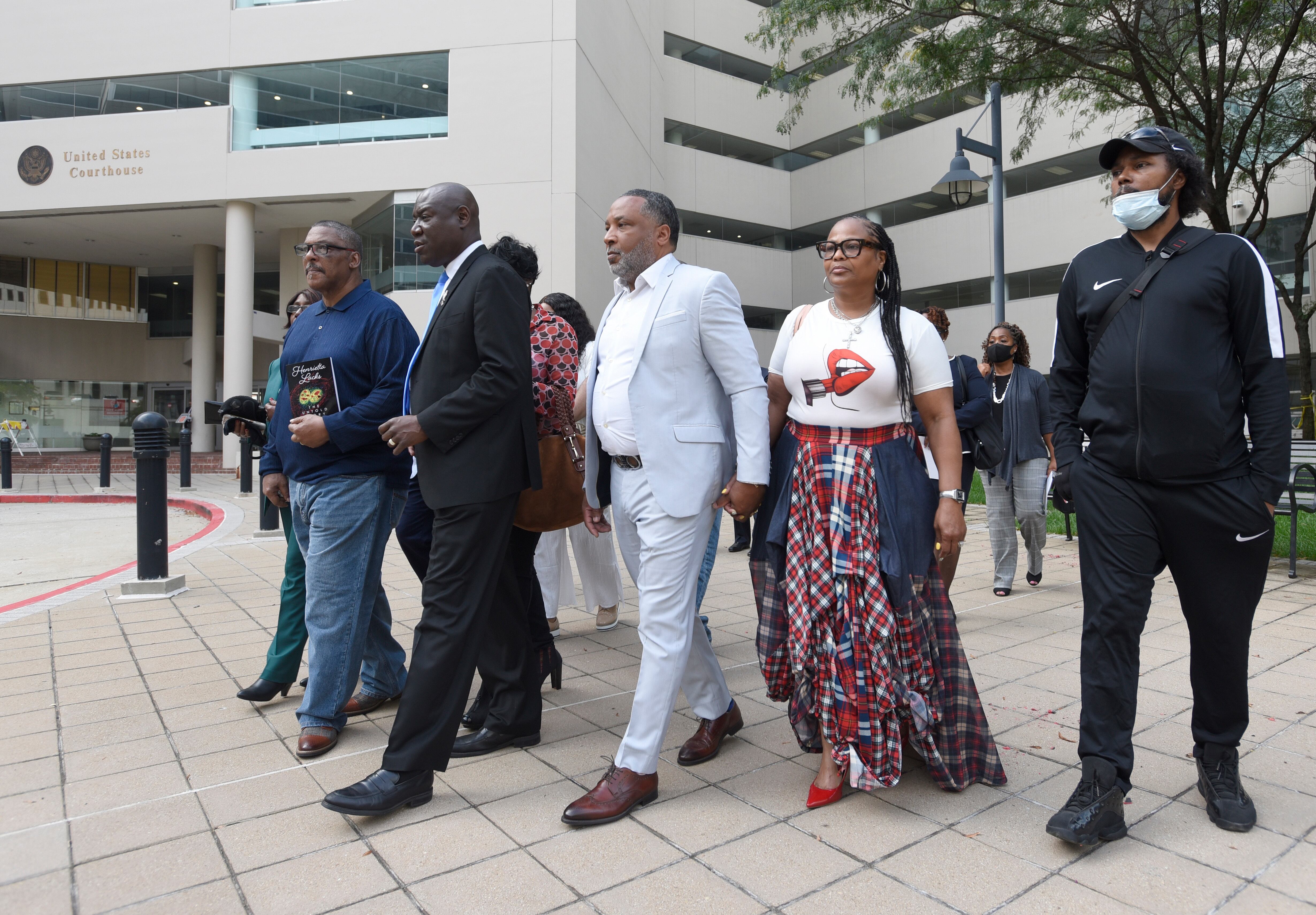
The settlement came after closed-door negotiations that lasted all day Monday inside the federal courthouse in Baltimore. Some of Lacks’ grandchildren were among the family members who attended the talks.
Attorney Ben Crump, who represents the family, announced the settlement late Monday. He said the terms are confidential.
“The parties are pleased that they were able to find a way to resolve this matter outside of Court and will have no further comment about the settlement,” Thermo Fisher representatives and attorneys for the Lacks family said in a joint statement.
HeLa cells were discovered to have unique properties. While most cell samples died shortly after being removed from the body, her cells survived and thrived in laboratories. They became known as the first immortalized human cell line because scientists could cultivate her cells indefinitely. That meant scientists anywhere could reproduce studies using identical cells.
The remarkable science involved — and the impact on the Lacks family, some of whom had chronic illnesses and no health insurance — were documented in a bestselling book by Rebecca Skloot, “The Immortal Life of Henrietta Lacks.” Oprah Winfrey portrayed her daughter in an HBO movie about the story.
A poor tobacco farmer from southern Virginia, Lacks got married and moved with her husband to Turner Station, a historically Black community outside Baltimore. They were raising five children when doctors discovered a tumor in Lacks’ cervix and saved a sample of her cancer cells collected during a biopsy.
Lacks died at age 31 in the “colored ward” of Johns Hopkins Hospital. She was buried in an unmarked grave.
Johns Hopkins said it never sold or profited from the cell lines, but many companies have patented ways of using them.
In their complaint, Lacks’ grandchildren and other descendants argued that her treatment illustrates a much larger issue that persists today: racism inside the U.S. medical system.
“The exploitation of Henrietta Lacks represents the unfortunately common struggle experienced by Black people throughout history,” the complaint reads. “Too often, the history of medical experimentation in the United States has been the history of medical racism.”
Thermo Fisher argued the case should be dismissed because it was filed after the statute of limitations expired, but attorneys for the family said that shouldn’t apply because the company continues to benefit from the cells.
In a statement posted to their website, Johns Hopkins Medicine officials said they reviewed all interactions with Lacks and her family after the 2010 publication of Skloot’s book. While acknowledging an ethical responsibility, it said the medical system “has never sold or profited from the discovery or distribution of HeLa cells and does not own the rights to the HeLa cell line."
Crump, a civil rights attorney, has become well known for representing victims of police violence and calling for racial justice, especially in the aftermath of George Floyd’s murder. The Lacks family joined him Tuesday morning near Baltimore’s waterfront to announce the settlement and pay tribute to Lacks on what would have been her 103rd birthday. The group brought balloons and a cake to celebrate.
“We did it — and what a birthday present today,” Crump said during the news conference.
Lacks’ only surviving child, Lawrence Lacks Sr., lives to see justice done, grandson Alfred Lacks Carter Jr. said. Now 86, Lawrence Lacks was 16 when his mother died.
“There couldn’t have been a more fitting day for her to have justice, for her family to have relief,” Carter said. “It was a long fight — over 70 years — and Henrietta Lacks gets her day.”
Last week, U.S. Sens. Chris Van Hollen and Ben Cardin, both Maryland Democrats, introduced a bill to posthumously award Lacks the Congressional Gold Medal.
“Henrietta Lacks changed the course of modern medicine,” Van Hollen said in a statement announcing the bill. “It is long past time that we recognize her life-saving contributions to the world.”