*By Brian Henry*
Even as British Prime Minister Theresa May suffered an embarrassing defeat as her Brexit vote was voted down in Parliament, and then only narrowly survived a no-confidence vote, investors remained relatively unrattled.
According to Chris Demetriou, the U.S. CEO at Aberdeen Standard Investments, the mild response to the vote was not a surprise.
"There are two elements to it," he told Cheddar Wednesday.
"The vote \[Tuesday\] and the no confidence vote \[Wednesday\] weren't really a surprise to anybody. It's long been speculated Theresa May didn't have the votes to carry the deal through Parliament."
Demetriou said that the decision by British lawmakers to reject the Brexit deal by such a historic margin ー 432 to 202 ーearlier this week actually has investors feeling confident.
"The resounding defeat, the size of the defeat, really suggests that a tweak to the deal probably isn't going to help get it through either. I think that, perhaps, is giving investors confidence that the can will be kicked down the road or potentially even a more formal withdrawal of Article 15."
"Investors want as a little change as possible in the current arrangement," he added.
Demetriou says productive trade talks between the U.S. and China as well as the Federal Reserve displaying patience on future rate hikes have led to less market volatility.
"A lot of the uncertainty we saw in the back end of the year, the escalation of trade discussions, perhaps concern around fed policy coming into 2019 ー a lot of that has reversed in the beginning of January."
But will the relative market peace last?
"There's a lot of positive news or certainly constructive news out there to offset some of the uncertainty that exists," Demetriou said.
"We do expect continued uncertainty, which breeds volatility in the markets and that will continue throughout the year."
For full interview [click here](https://cheddar.com/videos/the-uk-government-survives-no-confidence-vote-after-brexit-defeat).
Cryptocurrencies and digital assets are ideally left to the jurisdiction of the U.S. Commodity Futures Trading Commission, rather than the Securities and Exchange Commission, according to Congressman Darren Soto (D-Fla.). "Securities laws can be very intense and hurt the market unless it’s truly a security,” Soto told Cheddar Thursday.
These are the headlines you Need to Know for Thursday, Jan. 10, 2019.
Television psychologist Phil McGraw, better known as Dr. Phil, praised his "best friend" and colleague in entertainment Oprah Winfrey in an almost-endorsement for a presidential run on Wednesday when he joined Cheddar to discuss his new podcast, "Phil in the Blanks."
Apple is planning to slash production for its newer iPhone models by 10 percent this quarter, according to a report in the Nikkei. However, CEO Tim Cook continues to say that the iPhone XR is the best-selling phone in company history. Trade talks between China and the U.S. wrapped up Wednesday after an unscheduled third day of negotiations. Both sides expressed optimism over the progress made during these talks. Plus, Hope King sits down with Bridget Karlin, chief technology officer for IBM Global Technology Services, to talk about the future of blockchain and much more.
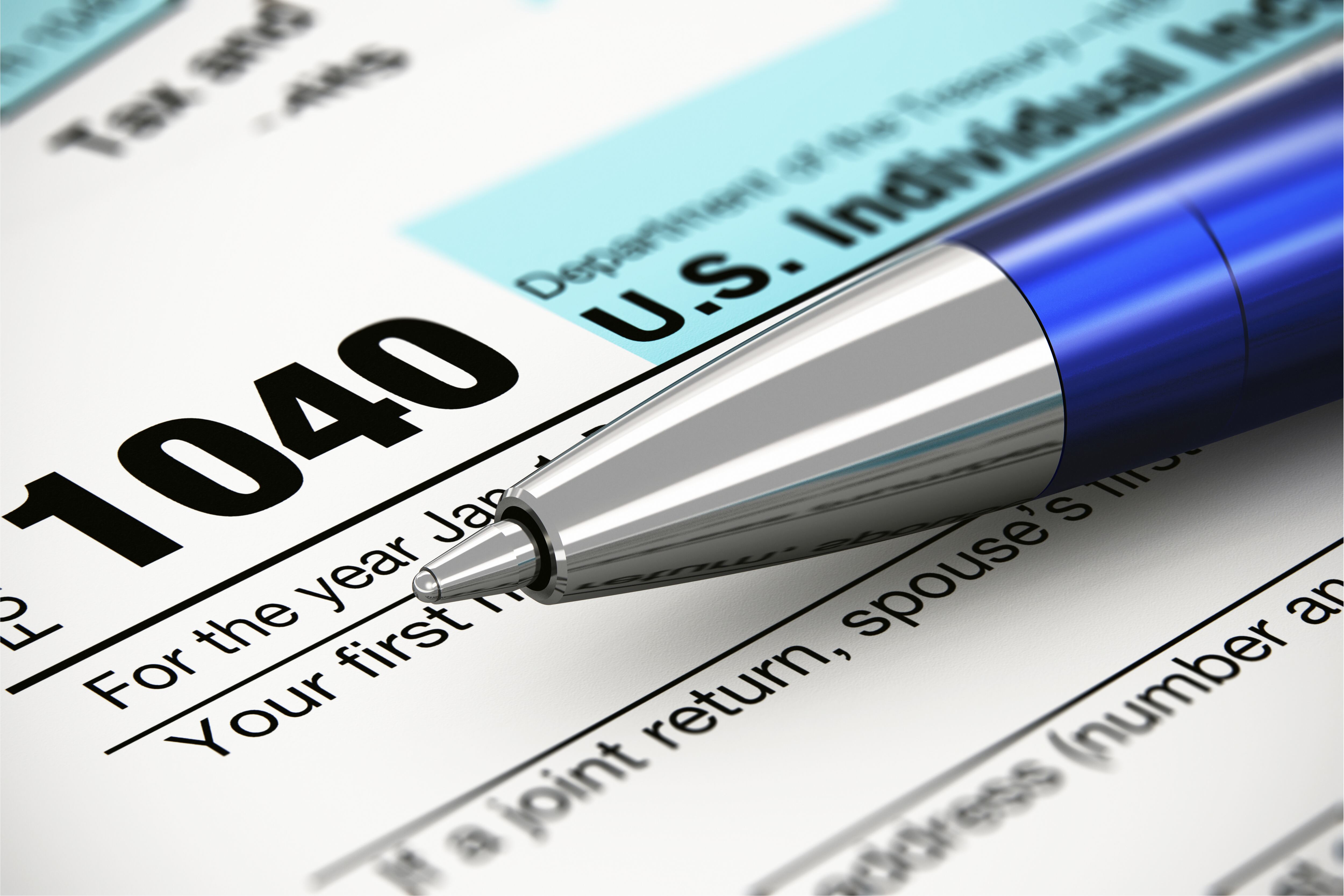
The Internal Revenue Service says it will process tax returns at the end of the month, even though the government is shut down. Scott Hodge, president of the Tax Foundation, talked to Cheddar about how the agency is moving forward.
These are the headlines you Need 2 Know for Wednesday, Jan. 9, 2019.
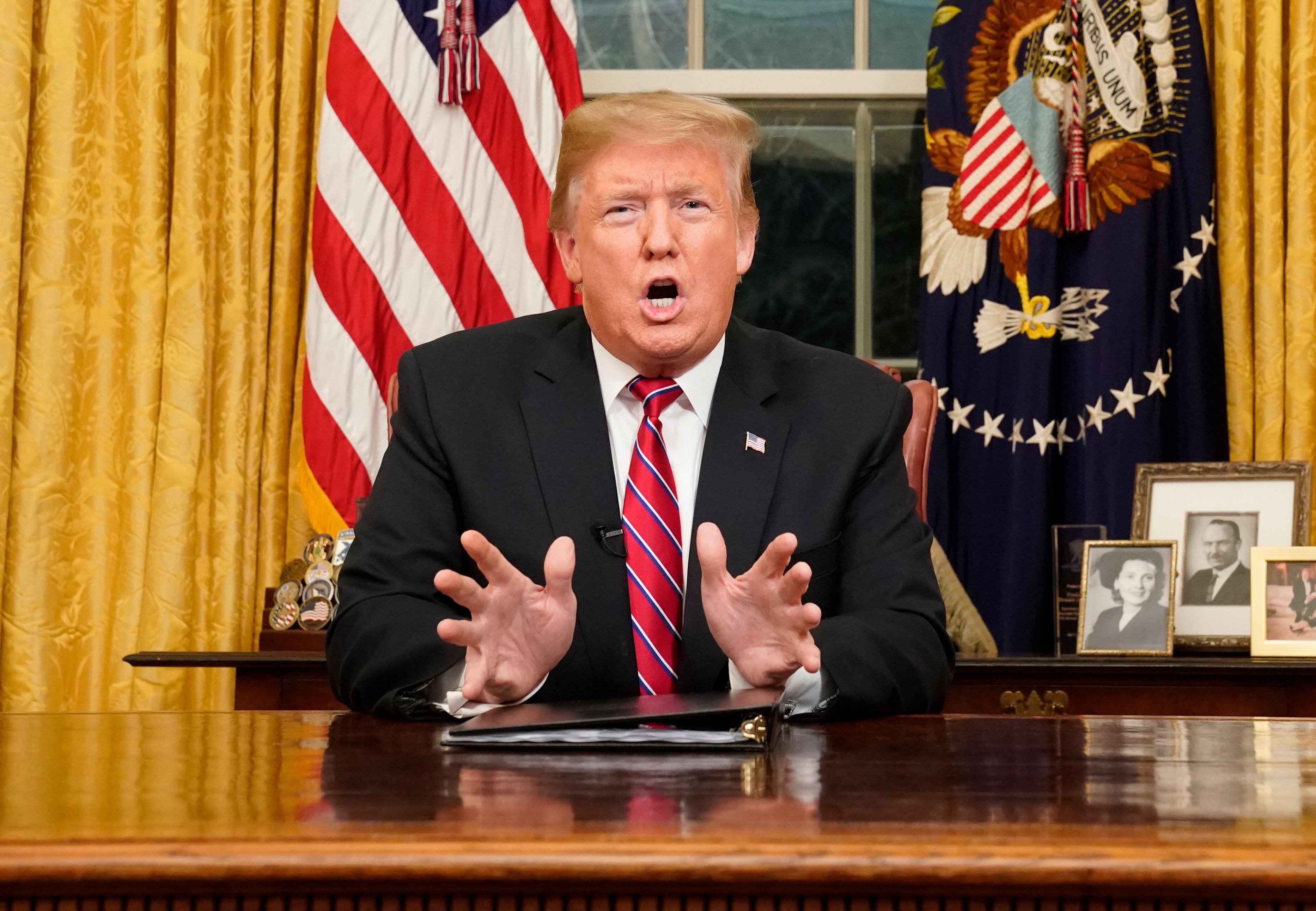
After a period of serious flip-flopping, major U.S. television networks have agreed to broadcast President Trump's Tuesday night Oval Office address on immigration to the nation, but according to Christine Emba of the Washington Post, the decision may not be sensical ー largely because it marks a significant departure.
As the partial government shutdown spans its 18th day, furloughed federal workers like Sam Shirazi who have been placed on unpaid leave are struggling with both an immediate financial reality and a more amorphous sense of uncertainty. "We don't know when it's going to end, and it doesn't seem like it's going to end anytime soon," Shirazi told Cheddar's J.D. Durkin on Tuesday.
These are the headlines you Need 2 Know for Tuesday, Jan. 8, 2018.
When freshman Democratic Rep. Alexandria Ocasio-Cortez floated the idea to Anderson Cooper on "60 Minutes" Sunday that the very wealthy pay a marginal tax rate as high as 70 percent, it got pundits and politicians all worked up. What exactly was the newly-elected, self-proclaimed radical proposing?