*By Brian Henry*
Even as British Prime Minister Theresa May suffered an embarrassing defeat as her Brexit vote was voted down in Parliament, and then only narrowly survived a no-confidence vote, investors remained relatively unrattled.
According to Chris Demetriou, the U.S. CEO at Aberdeen Standard Investments, the mild response to the vote was not a surprise.
"There are two elements to it," he told Cheddar Wednesday.
"The vote \[Tuesday\] and the no confidence vote \[Wednesday\] weren't really a surprise to anybody. It's long been speculated Theresa May didn't have the votes to carry the deal through Parliament."
Demetriou said that the decision by British lawmakers to reject the Brexit deal by such a historic margin ー 432 to 202 ーearlier this week actually has investors feeling confident.
"The resounding defeat, the size of the defeat, really suggests that a tweak to the deal probably isn't going to help get it through either. I think that, perhaps, is giving investors confidence that the can will be kicked down the road or potentially even a more formal withdrawal of Article 15."
"Investors want as a little change as possible in the current arrangement," he added.
Demetriou says productive trade talks between the U.S. and China as well as the Federal Reserve displaying patience on future rate hikes have led to less market volatility.
"A lot of the uncertainty we saw in the back end of the year, the escalation of trade discussions, perhaps concern around fed policy coming into 2019 ー a lot of that has reversed in the beginning of January."
But will the relative market peace last?
"There's a lot of positive news or certainly constructive news out there to offset some of the uncertainty that exists," Demetriou said.
"We do expect continued uncertainty, which breeds volatility in the markets and that will continue throughout the year."
For full interview [click here](https://cheddar.com/videos/the-uk-government-survives-no-confidence-vote-after-brexit-defeat).
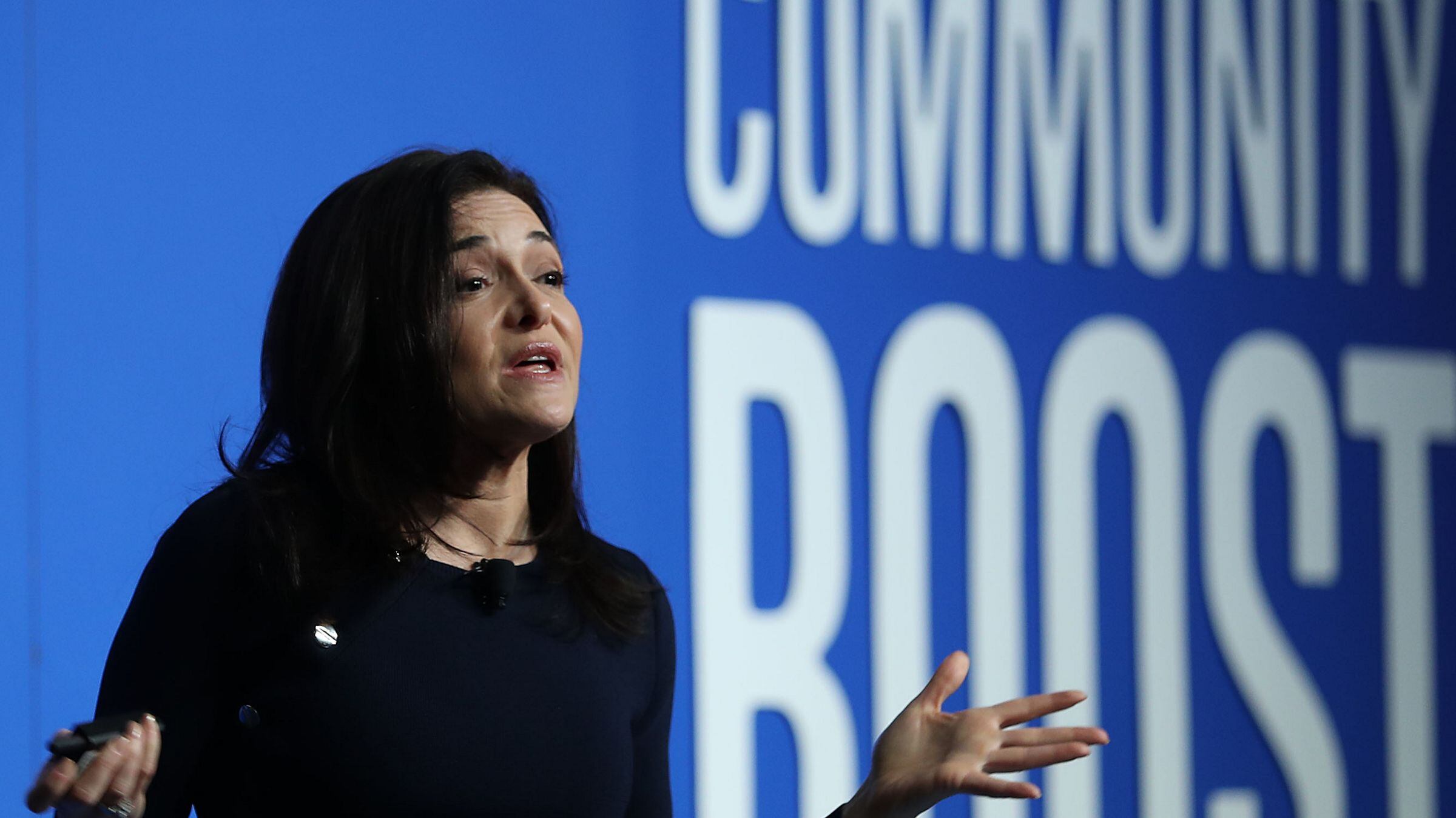
The Small Business Grants Program, revealed in a blog post on Tuesday morning, was created to keep workers working, help with rent costs, connect with more customers, cover operational costs. (Photo by Joe Raedle/Getty Images)
The Fed is reviving a program that it first used during the 2008 financial crisis to unclog a short-term lending market for what is known as “commercial paper.” Large businesses issue commercial paper to raise cash to meet payrolls and cover other short-term costs.
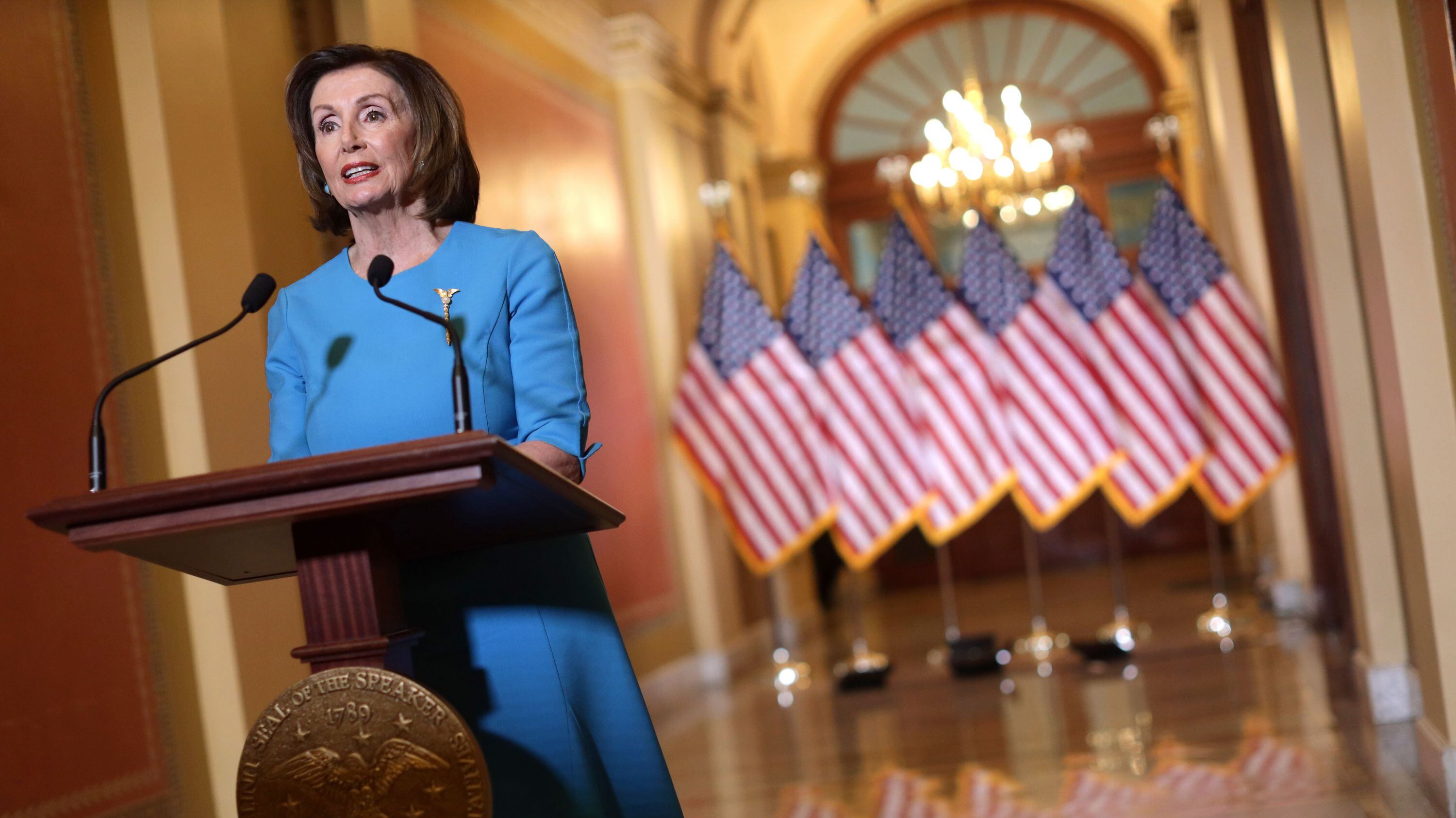
Speaker Nancy Pelosi said the House Democrats will pass the $8.3 billion ‘Families First Coronavirus Response Act’ today, though she did not mention support by Republicans or the White House.
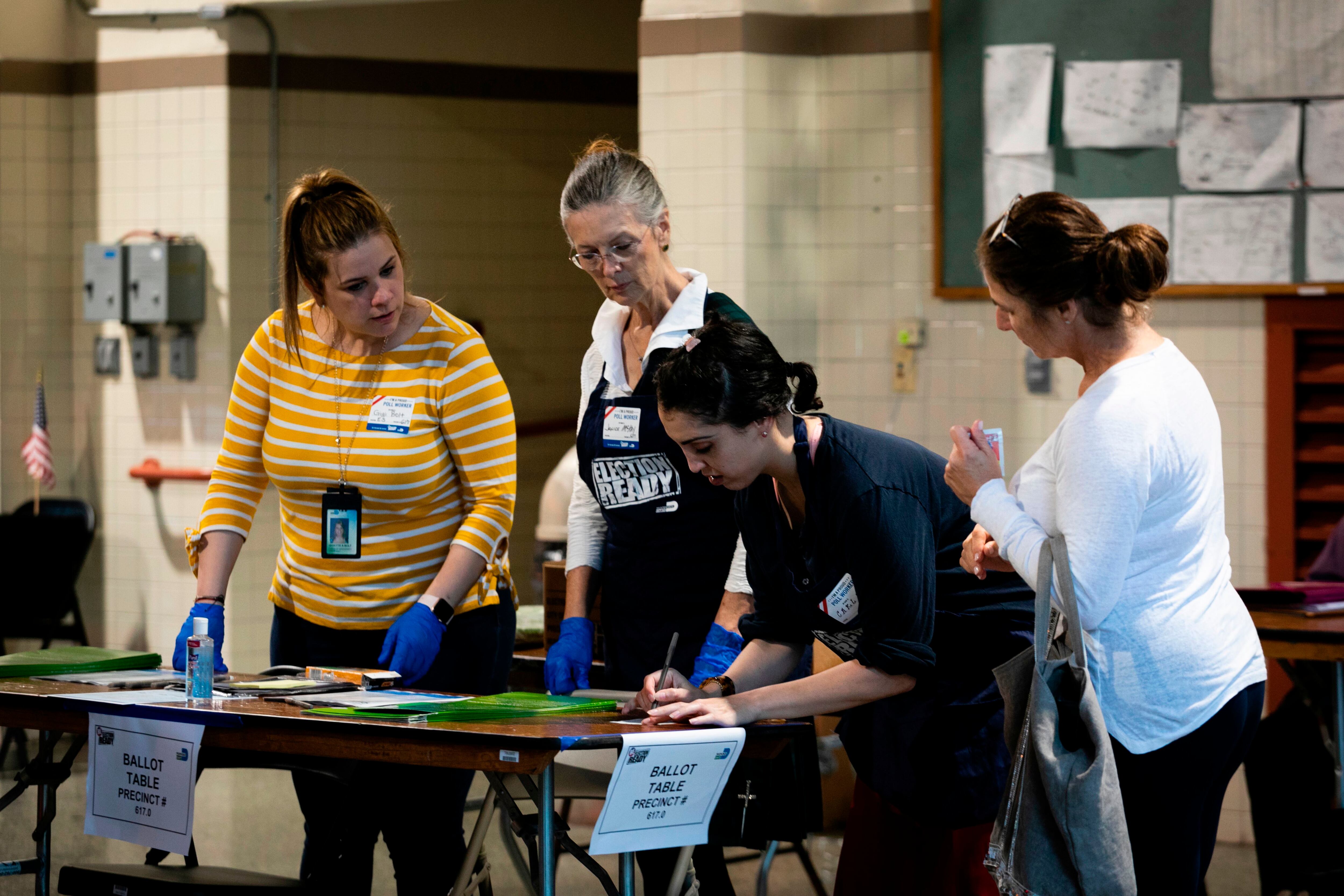
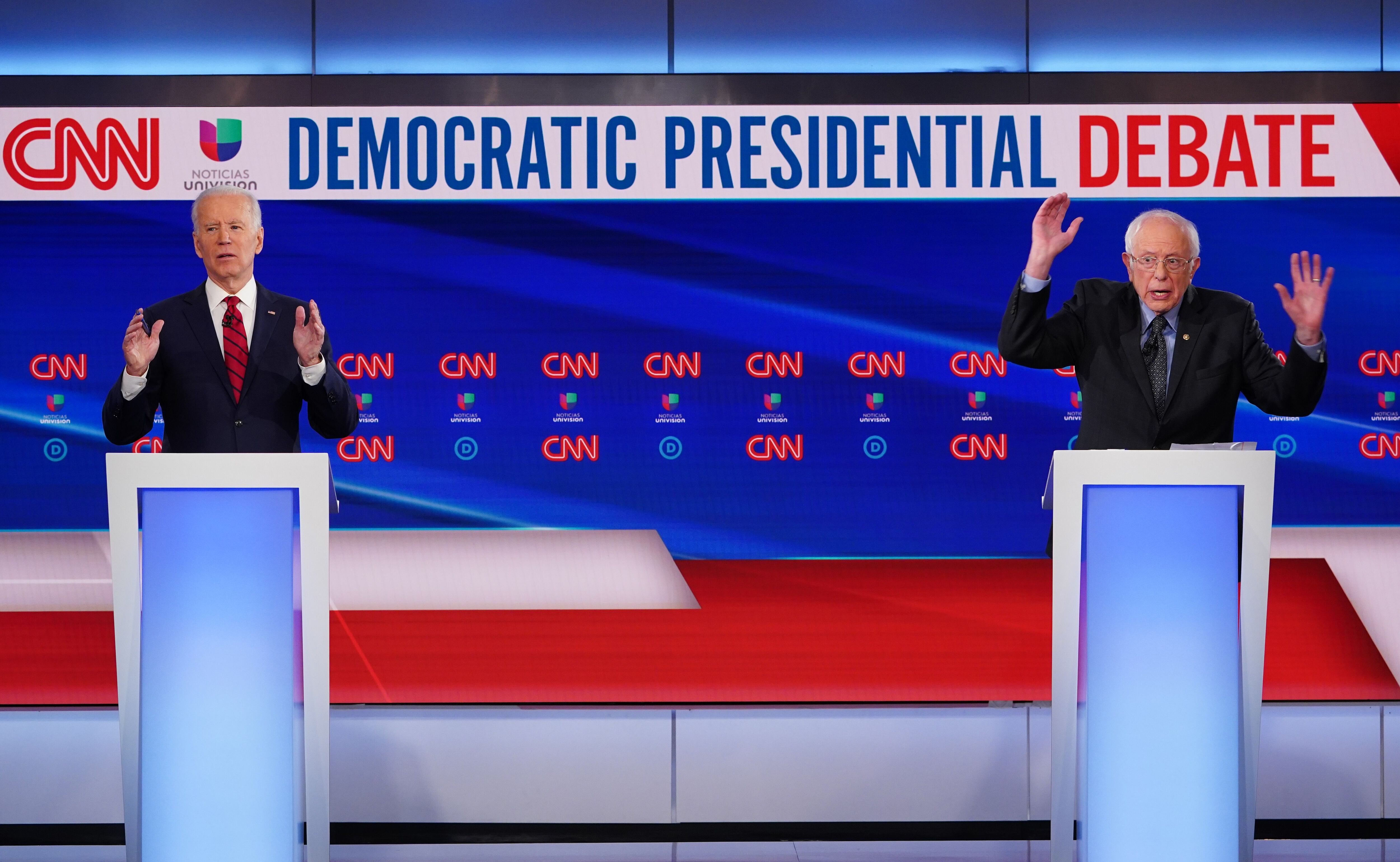
Millions of voters in Arizona, Florida, and Illinois have already cast ballots for the 441 Democratic pledged delegates up for grabs in today and those who haven't are expected to head to the polls.
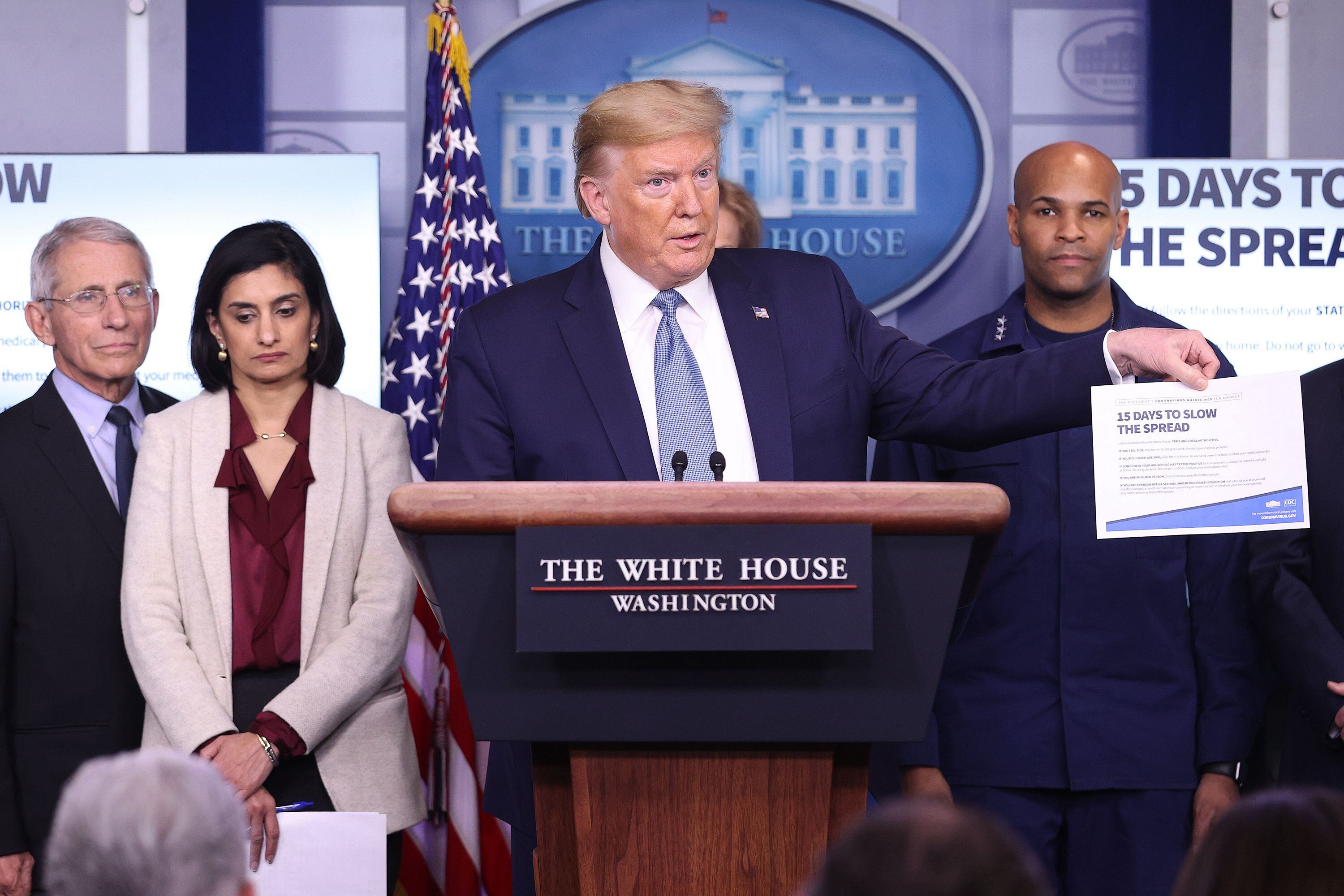
The guidelines mark the first attempt by the federal government to establish best practices for all Americans amid an avalanche of disparate state and local policies.
U.S. airlines are reportedly seeking as much as $50 billion in federal support as travel restrictions aimed at containing the spread of coronavirus have pushed the industry’s biggest players to the brink of bankruptcy.
The action came on the heels of an executive order by Louisiana Gov. John Bel Edwards, banning gatherings of 250 people or more across the state and shutting down schools.
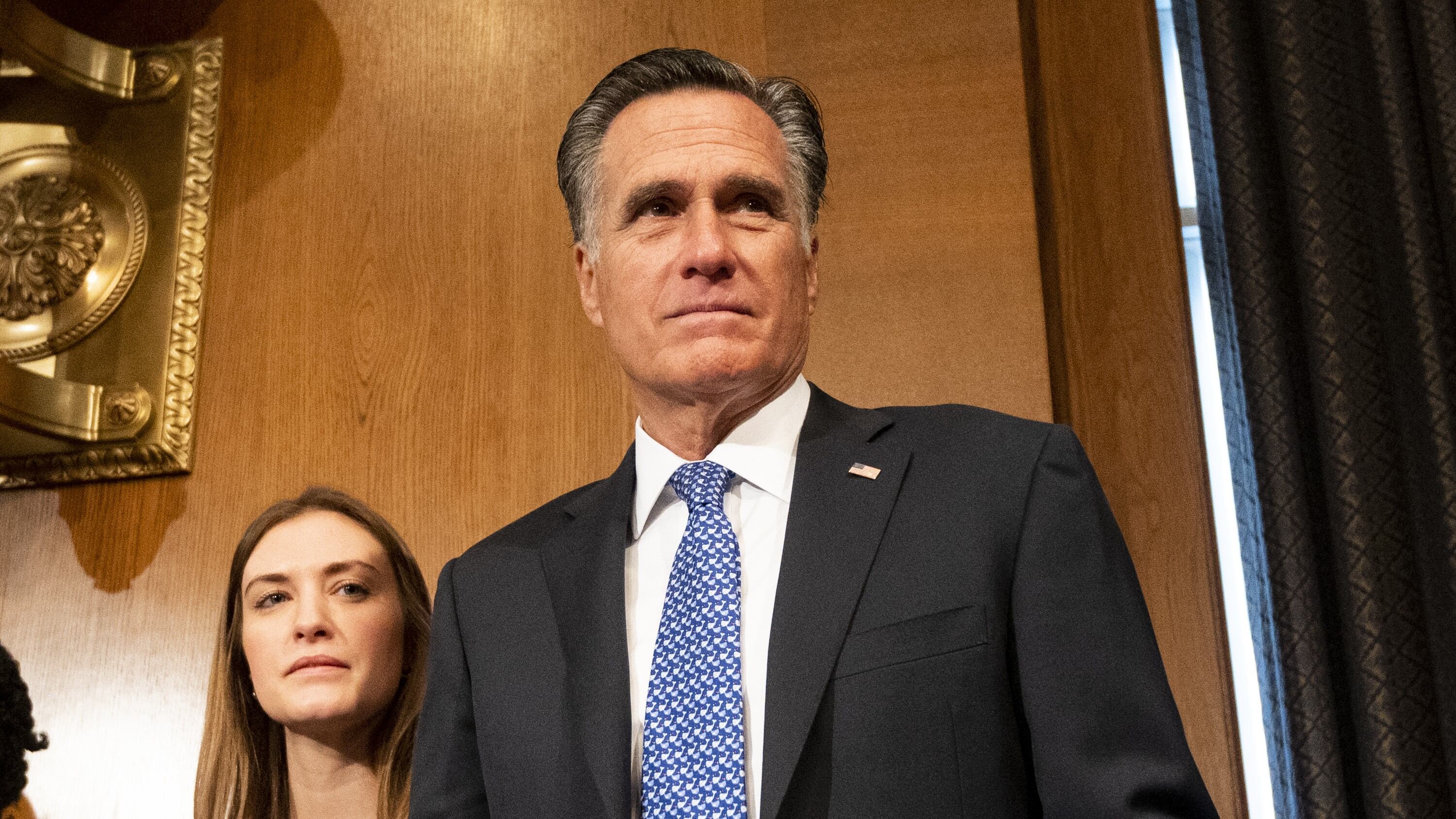
Sen. Mitt Romney seems to be channeling former Democratic presidential candidate Andrew Yang in his proposal to give every U.S. adult $1,000 to help them deal with the economic impact of the coronavirus outbreak.
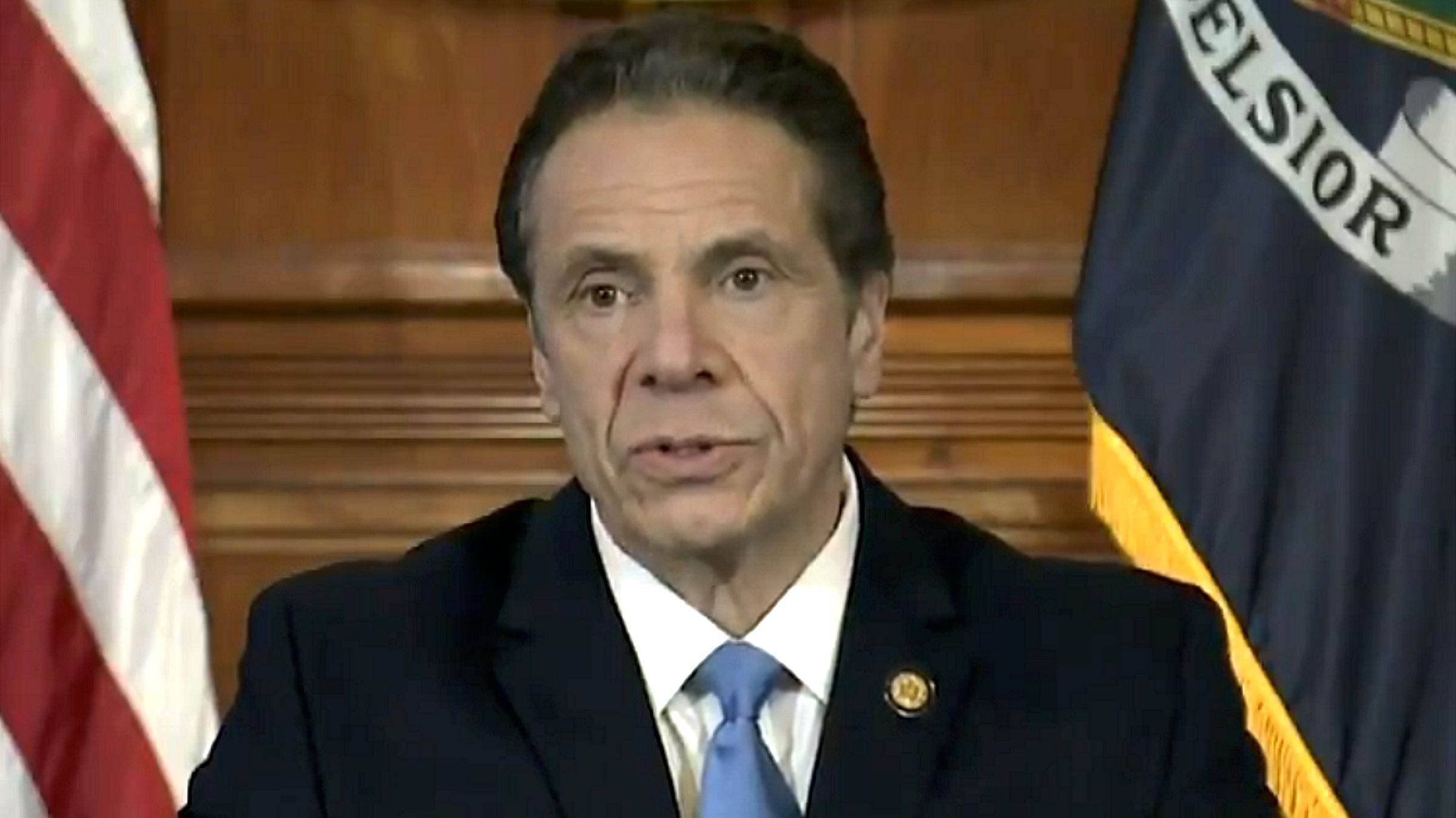
Gov. Cuomo revealed that there are now 950 confirmed cases in New York with 158 hospitalizations and seven death, along with a coordinated effort between New York and its neighboring states, New Jersey and Connecticut, in order to stem the increased spread of the COVID-19 disease.
These are the headlines you Need 2 Know for Monday, March 16, 2020.