*By Brian Henry*
Even as British Prime Minister Theresa May suffered an embarrassing defeat as her Brexit vote was voted down in Parliament, and then only narrowly survived a no-confidence vote, investors remained relatively unrattled.
According to Chris Demetriou, the U.S. CEO at Aberdeen Standard Investments, the mild response to the vote was not a surprise.
"There are two elements to it," he told Cheddar Wednesday.
"The vote \[Tuesday\] and the no confidence vote \[Wednesday\] weren't really a surprise to anybody. It's long been speculated Theresa May didn't have the votes to carry the deal through Parliament."
Demetriou said that the decision by British lawmakers to reject the Brexit deal by such a historic margin ー 432 to 202 ーearlier this week actually has investors feeling confident.
"The resounding defeat, the size of the defeat, really suggests that a tweak to the deal probably isn't going to help get it through either. I think that, perhaps, is giving investors confidence that the can will be kicked down the road or potentially even a more formal withdrawal of Article 15."
"Investors want as a little change as possible in the current arrangement," he added.
Demetriou says productive trade talks between the U.S. and China as well as the Federal Reserve displaying patience on future rate hikes have led to less market volatility.
"A lot of the uncertainty we saw in the back end of the year, the escalation of trade discussions, perhaps concern around fed policy coming into 2019 ー a lot of that has reversed in the beginning of January."
But will the relative market peace last?
"There's a lot of positive news or certainly constructive news out there to offset some of the uncertainty that exists," Demetriou said.
"We do expect continued uncertainty, which breeds volatility in the markets and that will continue throughout the year."
For full interview [click here](https://cheddar.com/videos/the-uk-government-survives-no-confidence-vote-after-brexit-defeat).
Dr. Rick Bright is telling Congress that America faces the “darkest winter in modern history” unless its leaders act decisively to prevent a rebound of the coronavirus.
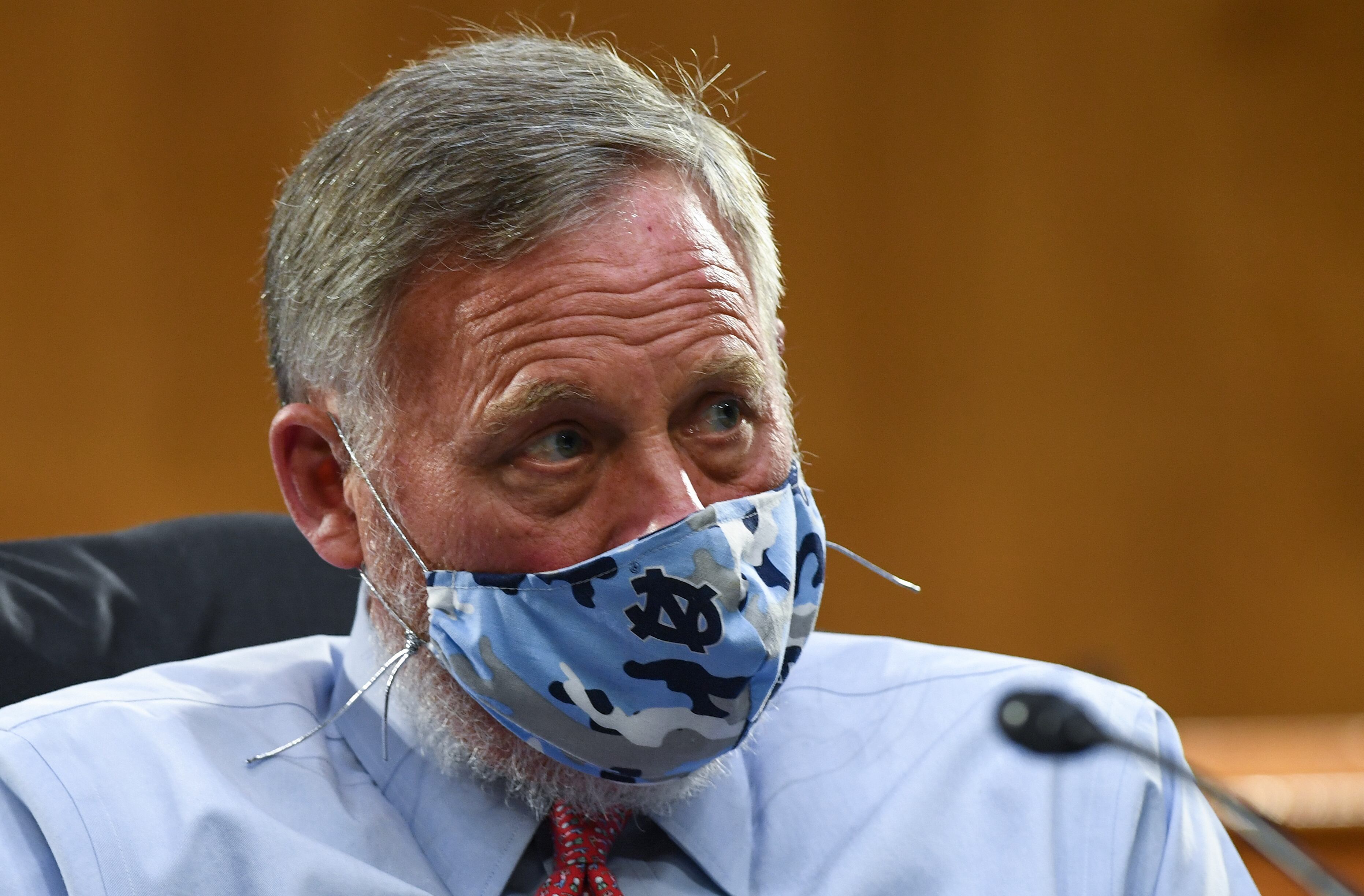
Sen. Richard Burr stepped aside as chairman of the Senate Intelligence Committee after the FBI served a search warrant for his phone as part of an ongoing insider-trading investigation tied to the coronavirus pandemic.
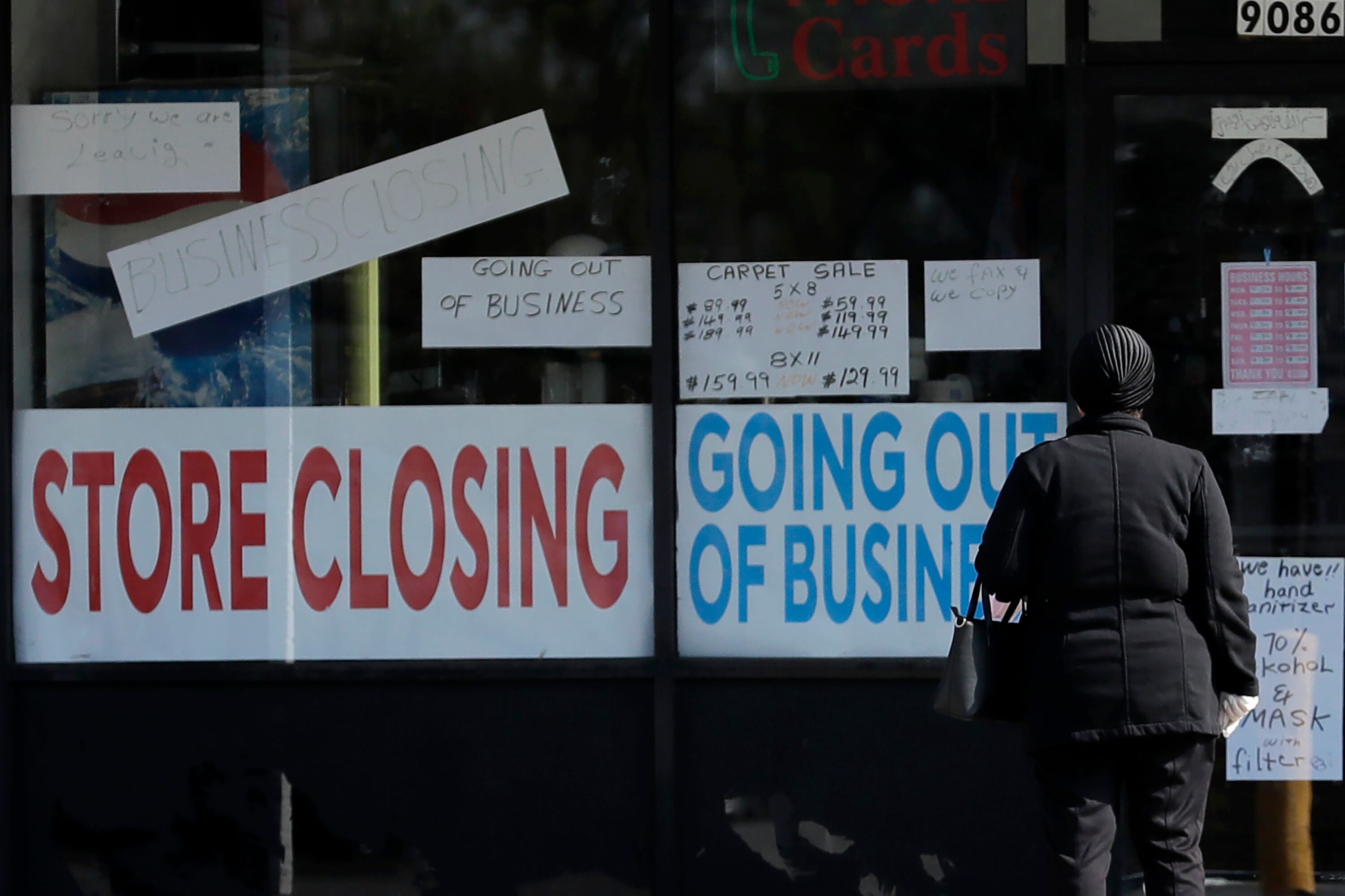
Nearly 3 million laid-off workers applied for U.S. unemployment benefits last week as the viral outbreak led more companies to slash jobs even though most states have begun to let some businesses reopen under certain restrictions.
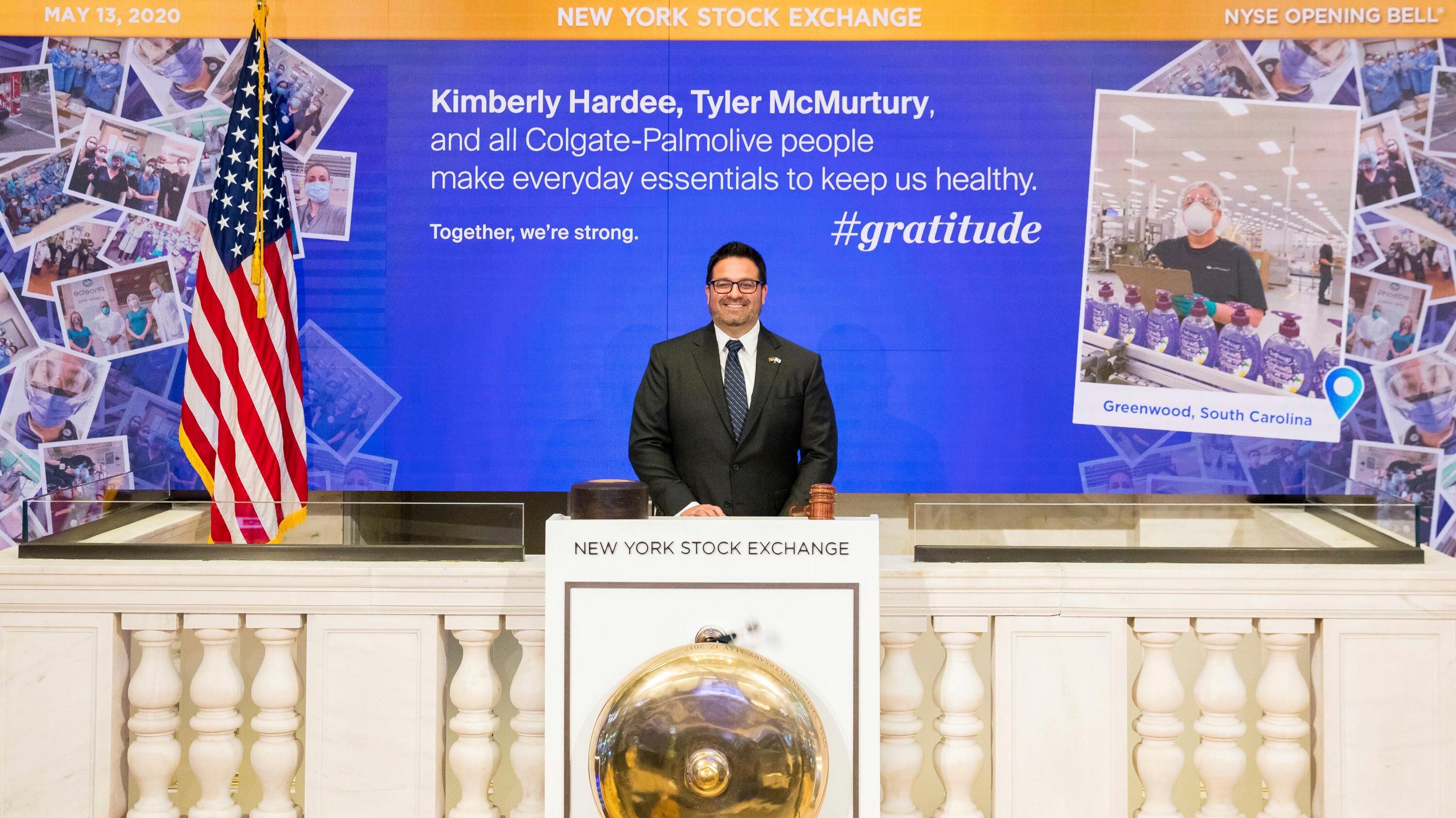
Stocks are falling in early trading on Wall Street Wednesday, tacking on more losses to their end-of-day slide from a day before.
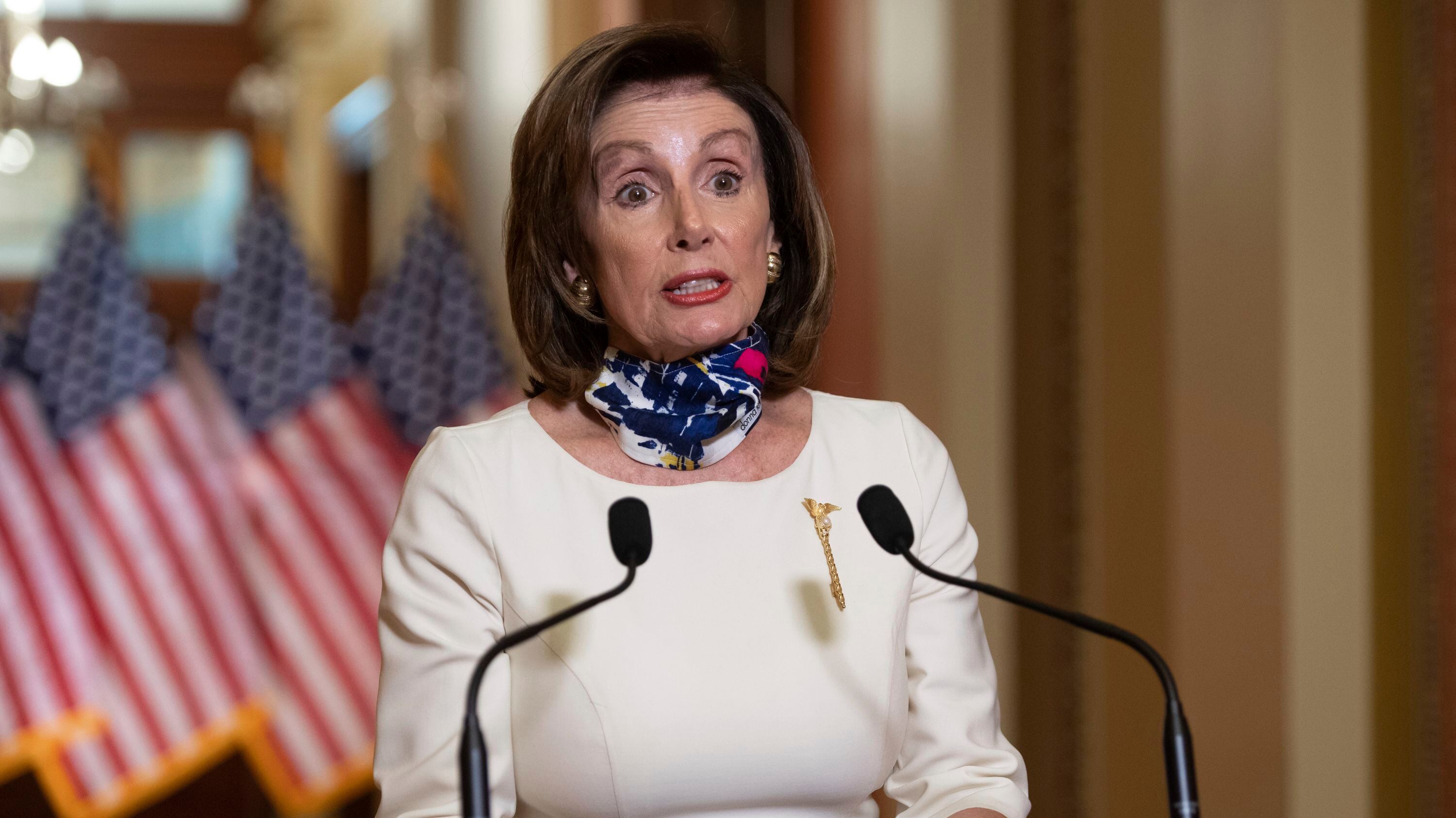
House Speaker Nancy Pelosi has unveiled a more than $3 trillion new coronavirus aid package. It would provide nearly $1 trillion for states, cities and tribal governments to avert layoffs and another $200 billion in “hazard pay” for essential workers.
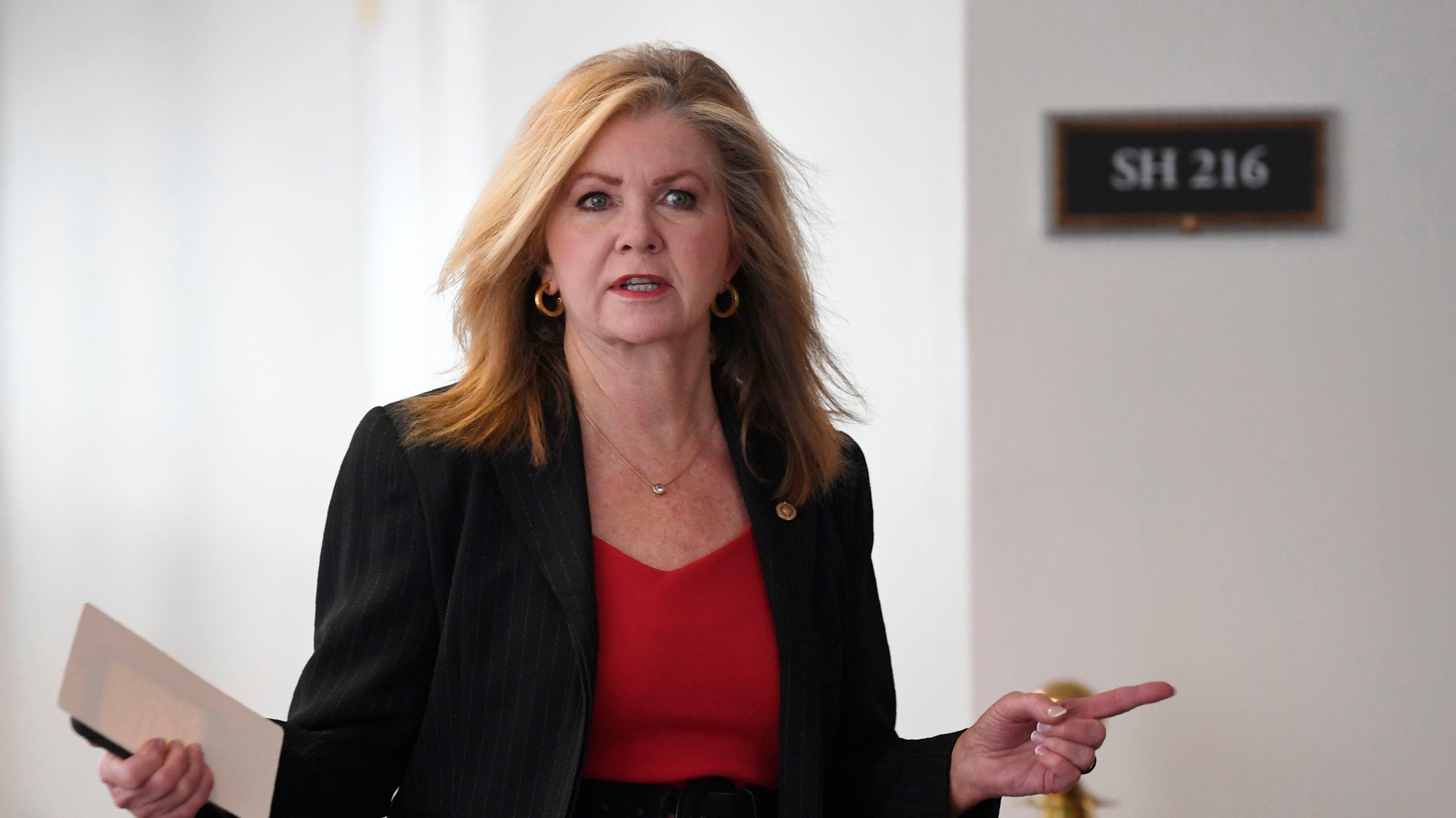
Republican Senators Marsha Blackburn and Martha McSally have introduced legislation that would allow U.S. citizens to file lawsuits against the Chinese Communist Party over the COVID-19 pandemic.
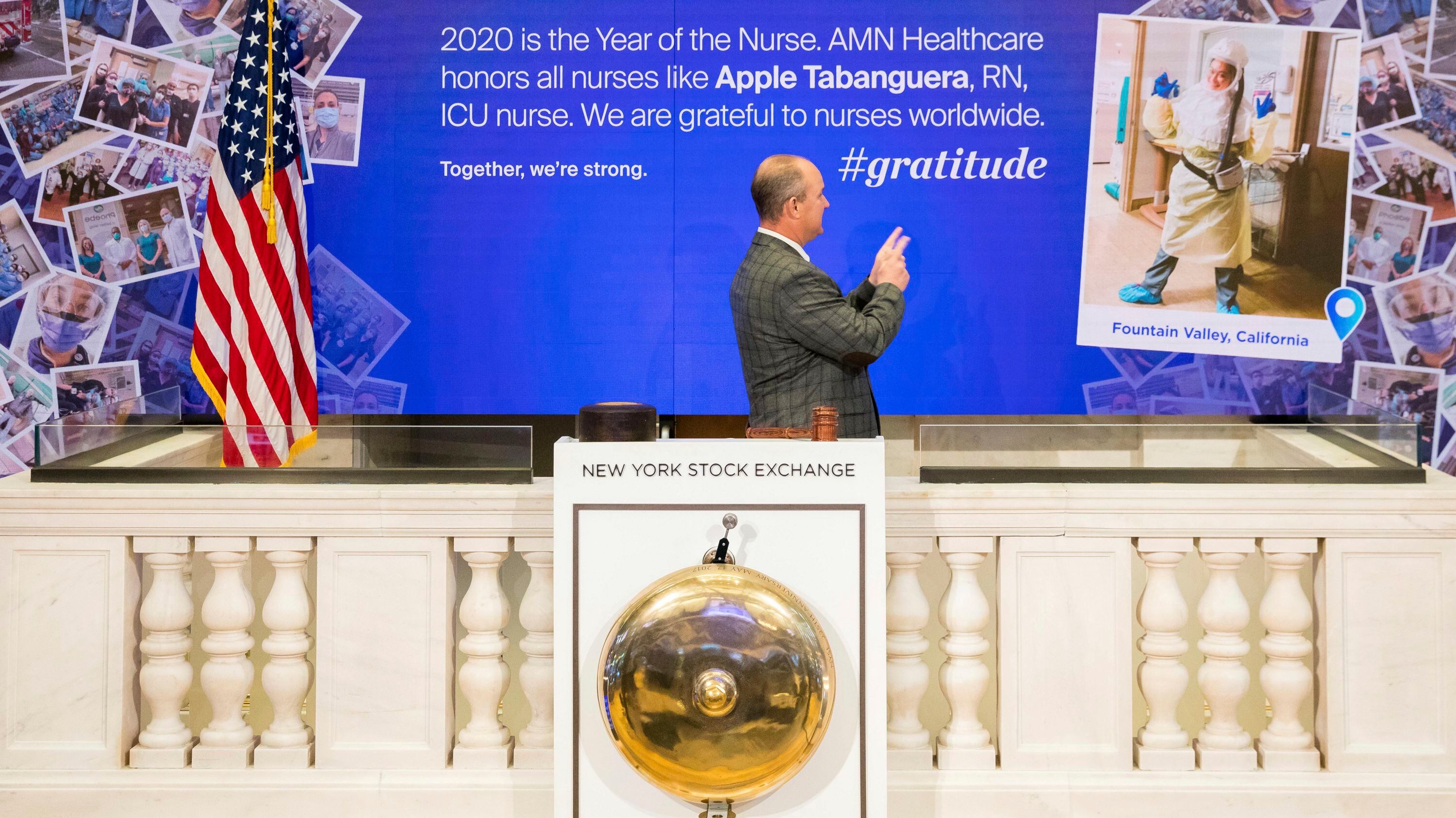
Wall Street fell to its biggest loss since the start of the month on worries about the downside of reopening the economy too soon.
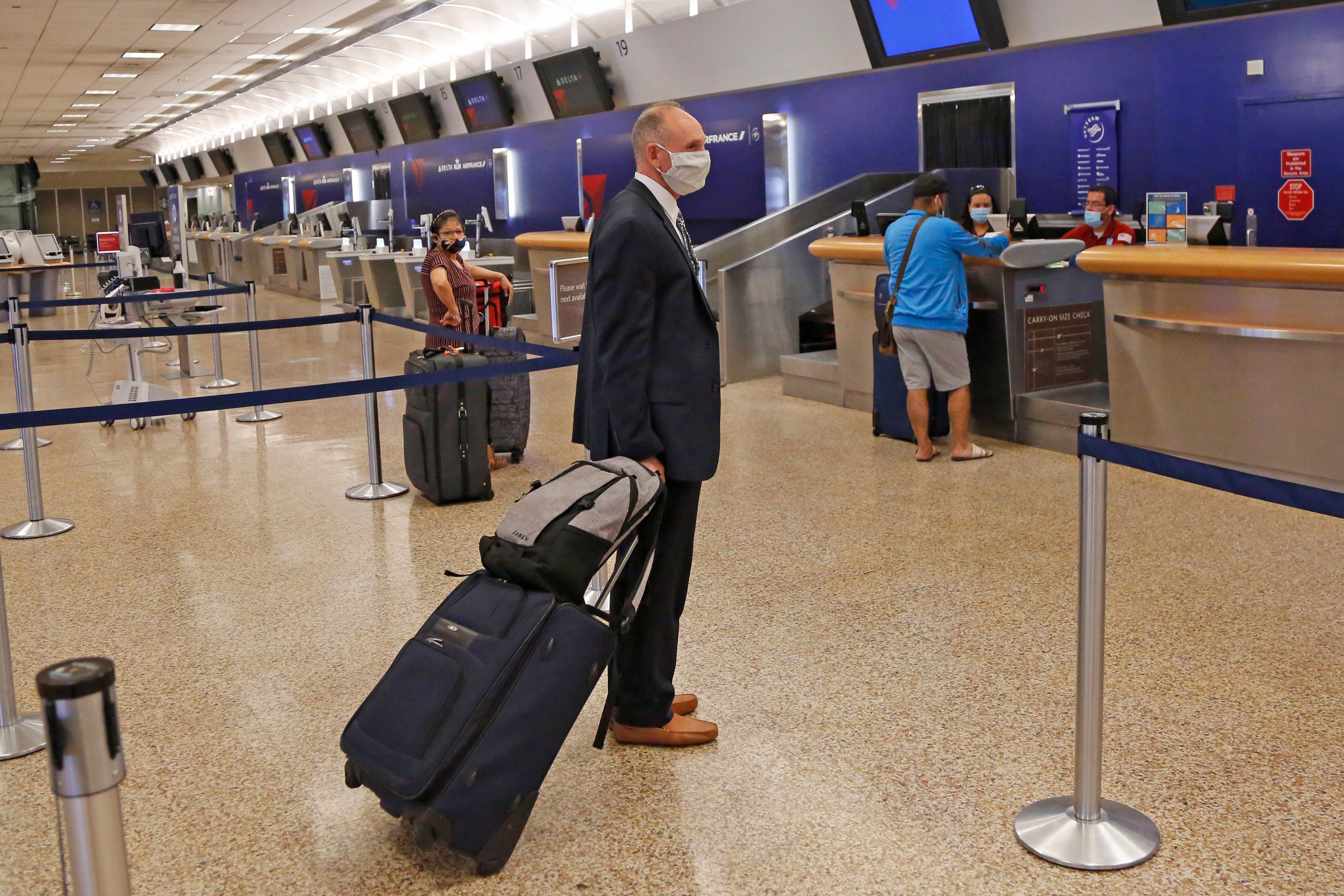
Gloria Guevara, World Travel and Tourism Council CEO and president, told Cheddar on Tuesday that travel-related businesses are very eager for people to start taking trips again, however, opening the industry will need to be done in a coordinated way.
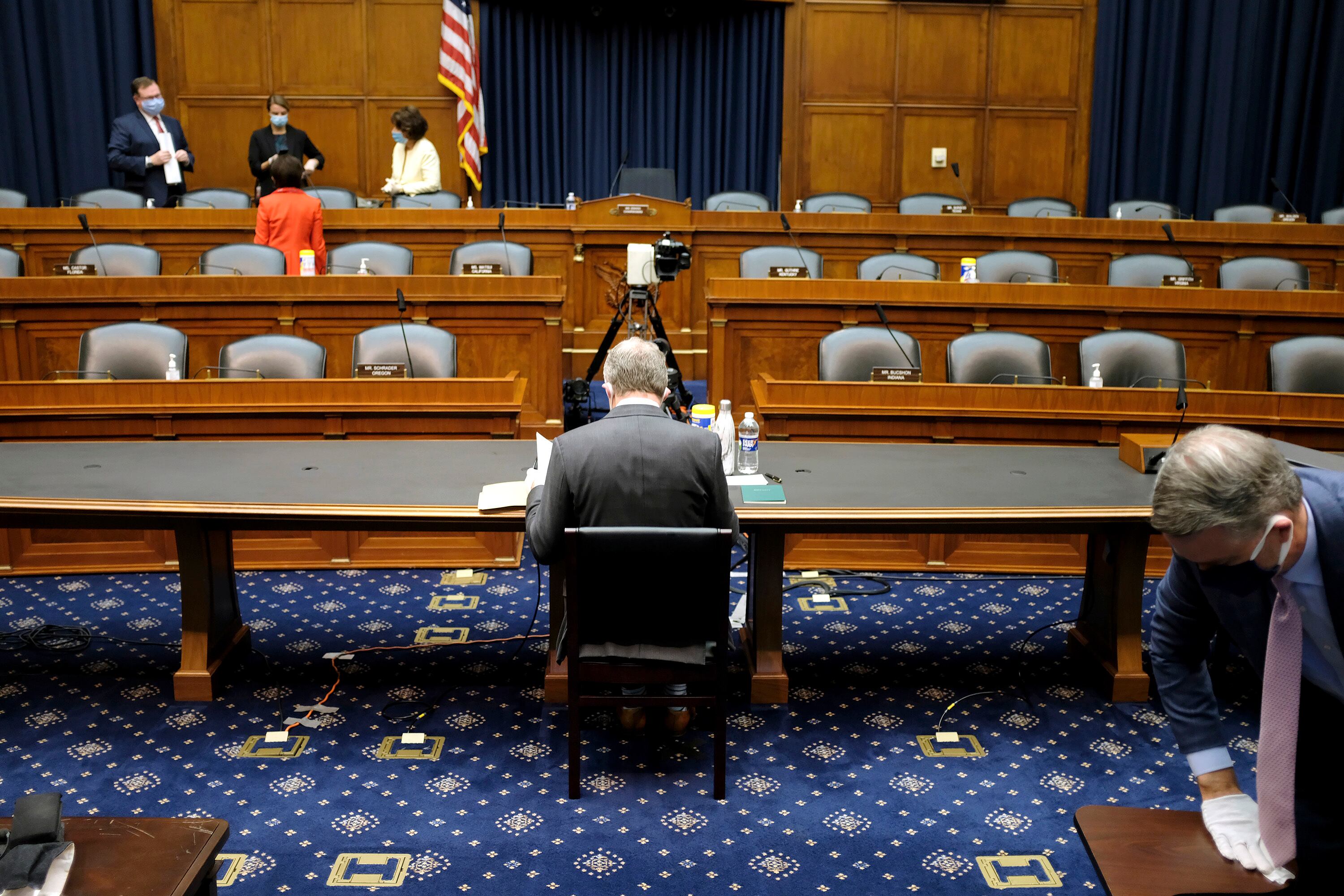
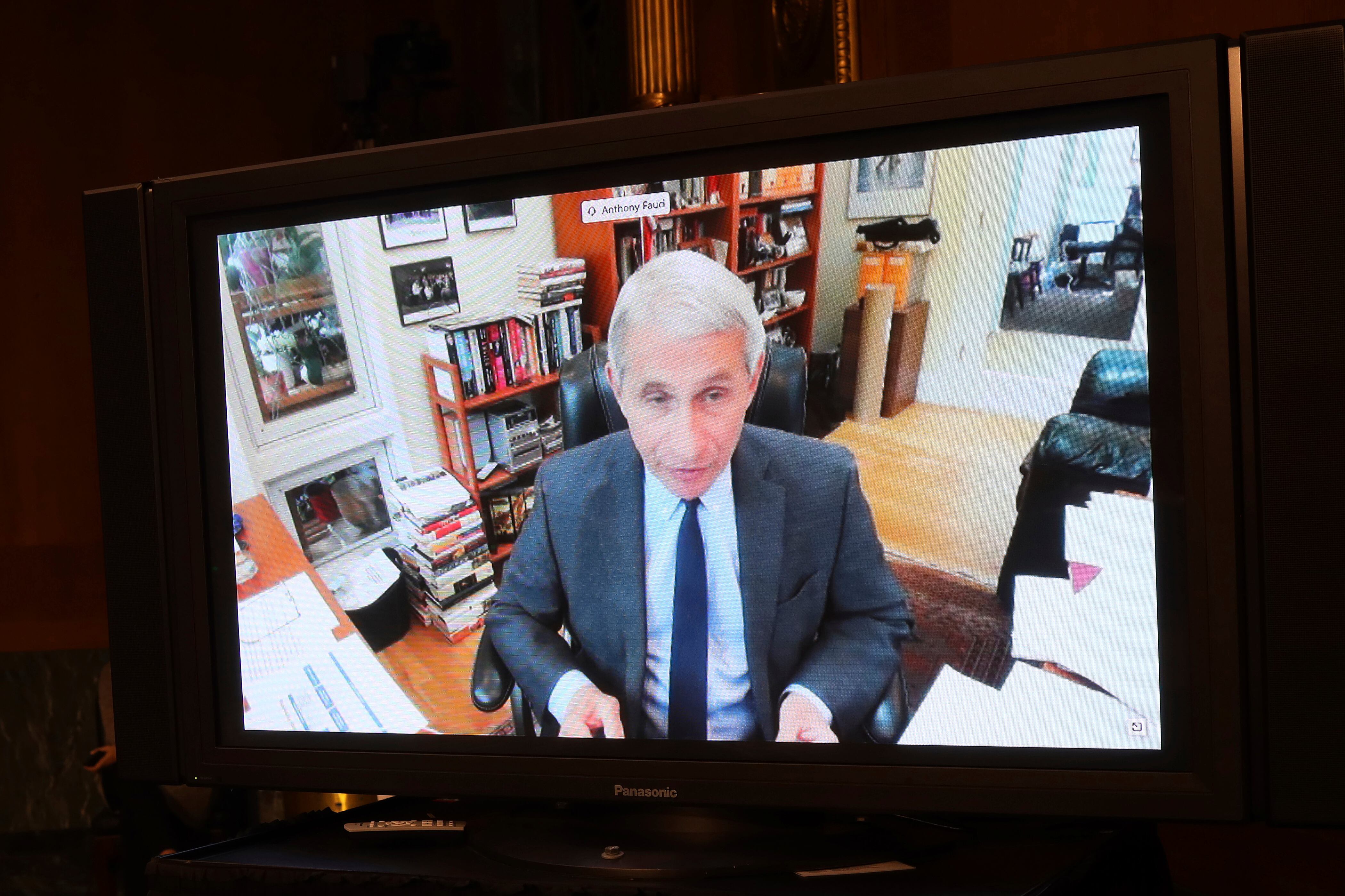
Dr. Anthony Fauci, the nation’s top infectious disease expert, is warning Congress and the nation of what he calls "really serious” consequences of suffering, death and deeper economic damage if state and local officials lift stay-at-home orders too quickly.
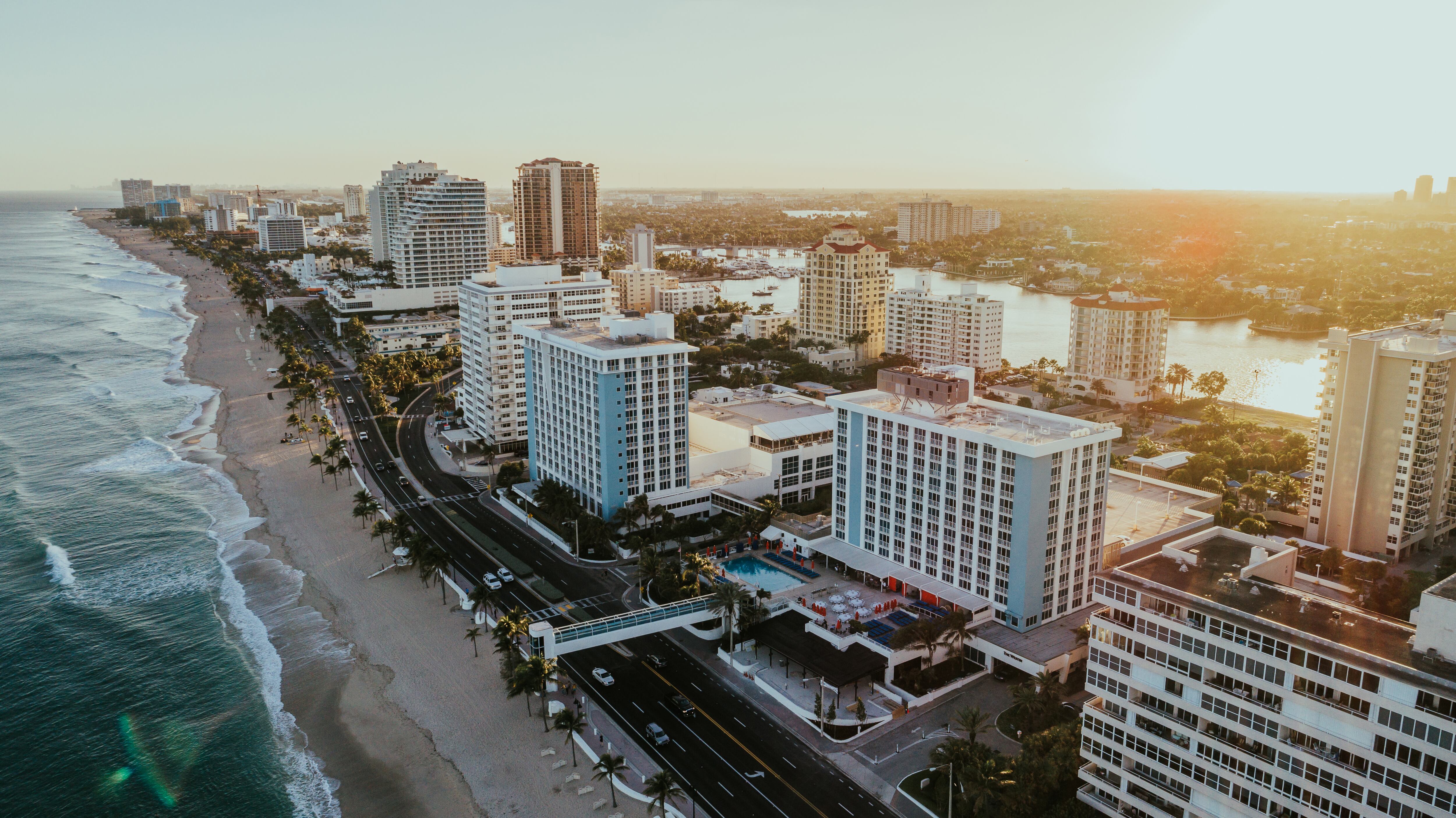
Broward County Mayor Dale V.C. Holness told Cheddar Monday many of the counties in South Florida have been working together to decide on a reopening date for their communities.