*By Brian Henry*
Even as British Prime Minister Theresa May suffered an embarrassing defeat as her Brexit vote was voted down in Parliament, and then only narrowly survived a no-confidence vote, investors remained relatively unrattled.
According to Chris Demetriou, the U.S. CEO at Aberdeen Standard Investments, the mild response to the vote was not a surprise.
"There are two elements to it," he told Cheddar Wednesday.
"The vote \[Tuesday\] and the no confidence vote \[Wednesday\] weren't really a surprise to anybody. It's long been speculated Theresa May didn't have the votes to carry the deal through Parliament."
Demetriou said that the decision by British lawmakers to reject the Brexit deal by such a historic margin ー 432 to 202 ーearlier this week actually has investors feeling confident.
"The resounding defeat, the size of the defeat, really suggests that a tweak to the deal probably isn't going to help get it through either. I think that, perhaps, is giving investors confidence that the can will be kicked down the road or potentially even a more formal withdrawal of Article 15."
"Investors want as a little change as possible in the current arrangement," he added.
Demetriou says productive trade talks between the U.S. and China as well as the Federal Reserve displaying patience on future rate hikes have led to less market volatility.
"A lot of the uncertainty we saw in the back end of the year, the escalation of trade discussions, perhaps concern around fed policy coming into 2019 ー a lot of that has reversed in the beginning of January."
But will the relative market peace last?
"There's a lot of positive news or certainly constructive news out there to offset some of the uncertainty that exists," Demetriou said.
"We do expect continued uncertainty, which breeds volatility in the markets and that will continue throughout the year."
For full interview [click here](https://cheddar.com/videos/the-uk-government-survives-no-confidence-vote-after-brexit-defeat).
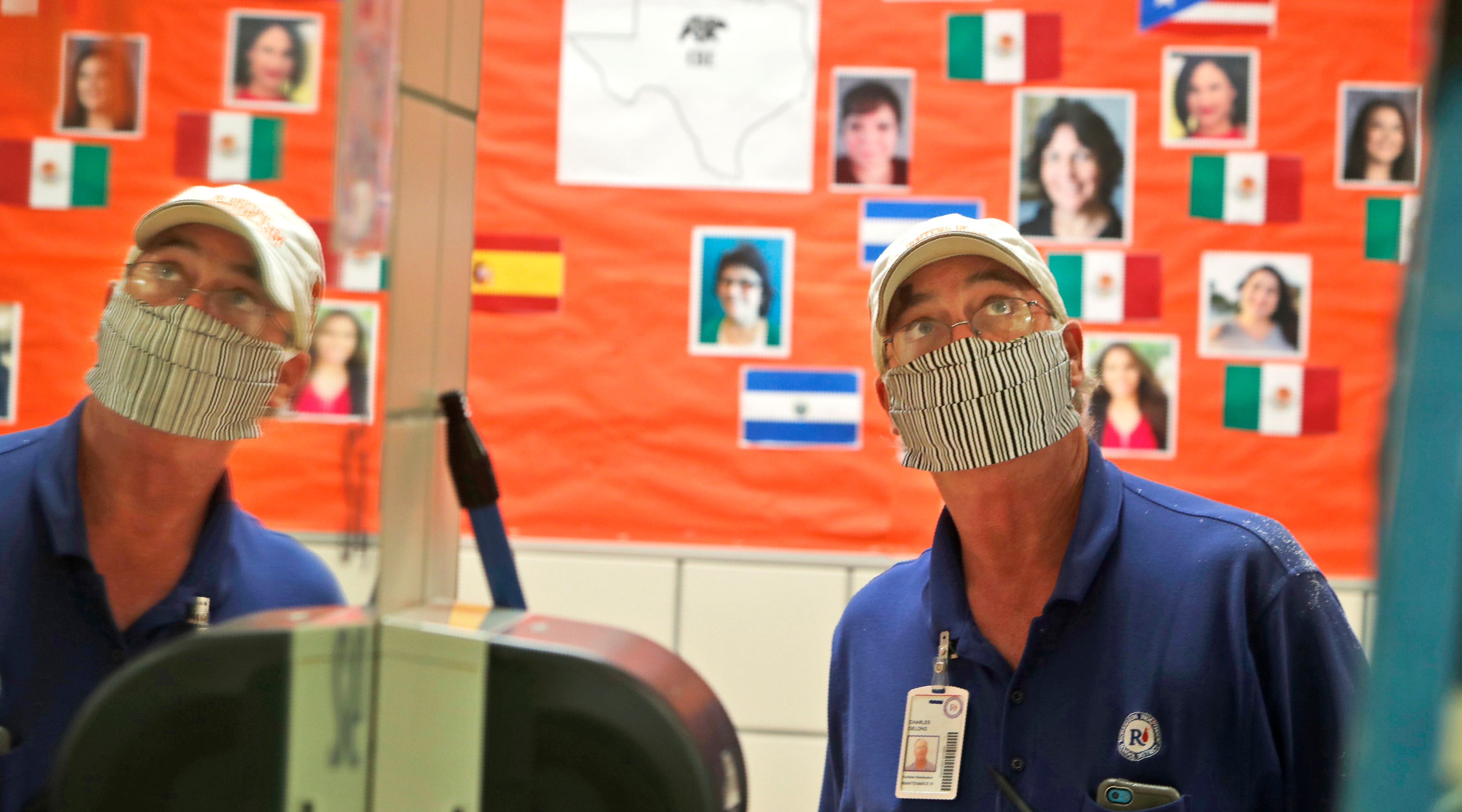
Arizona, Texas, and Florida are together reporting about 25,000 new coronavirus cases as new restrictions aimed at combating the spread of the pandemic take hold in the United States and around the world.
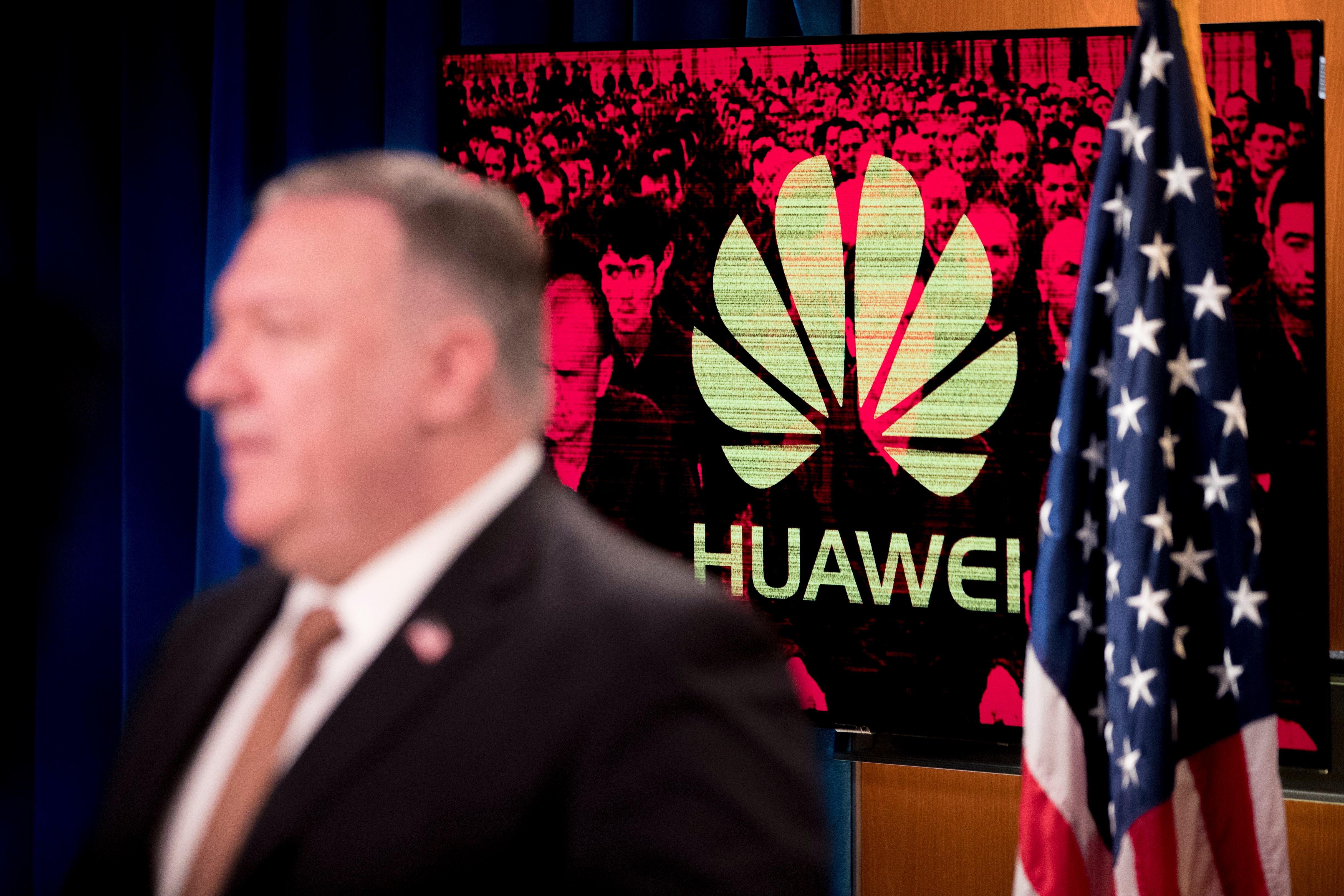
Secretary of State Mike Pompeo says the U.S. is imposing travel bans on employees of the Chinese technology giant Huawei and other companies the U.S. determines are assisting authoritarian governments in cracking down on human rights.
The initiative is geared toward students, mid-career workers and the millions now unemployed because of the new coronavirus. But the campaign, called “Find Something New,” was quickly bashed on social media as being tone deaf and inadequate for the times.
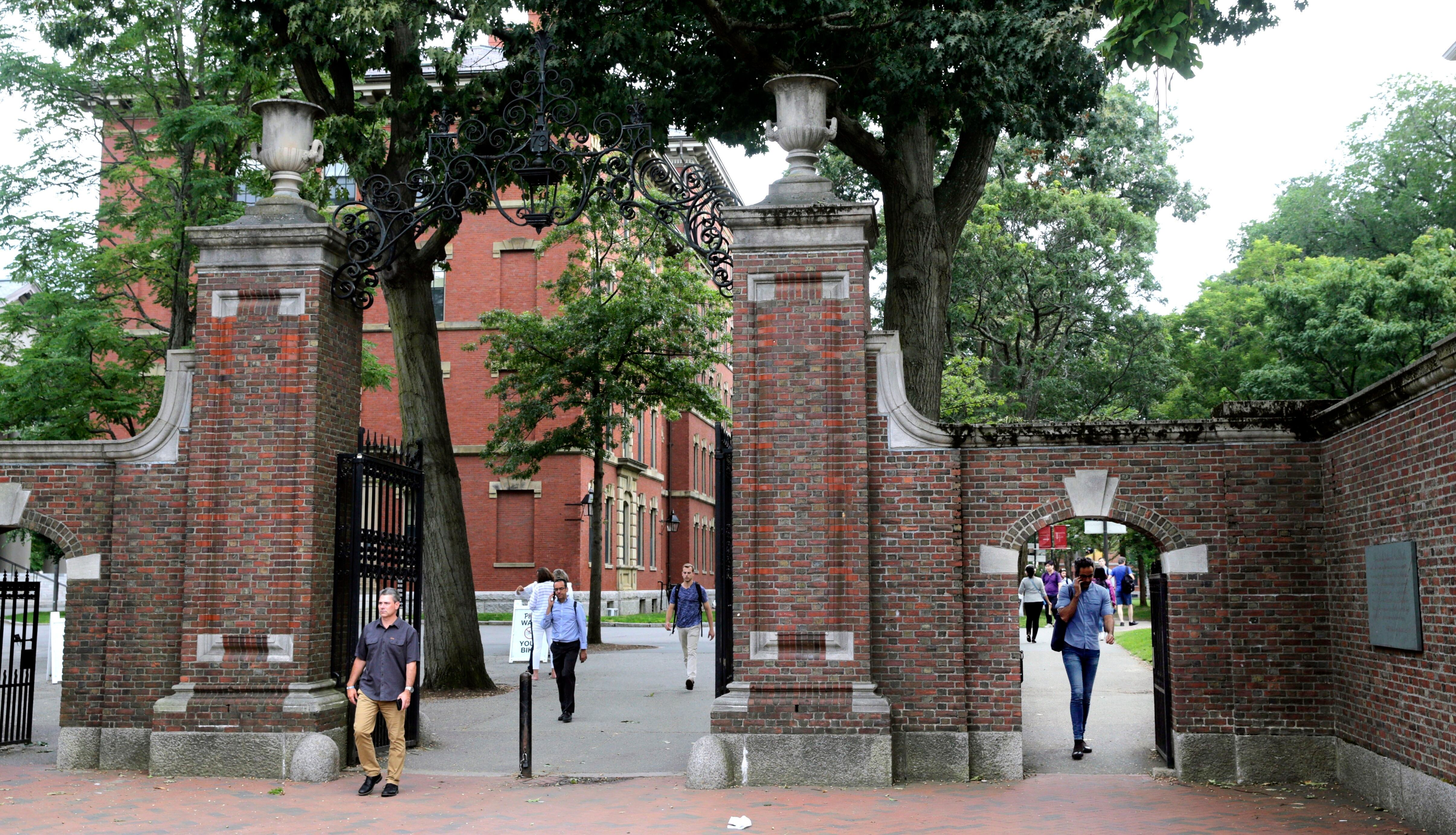
The Trump administration has rescinded a rule that would have required international students to transfer schools or leave the country if their colleges hold classes entirely online this fall because of the coronavirus pandemic.
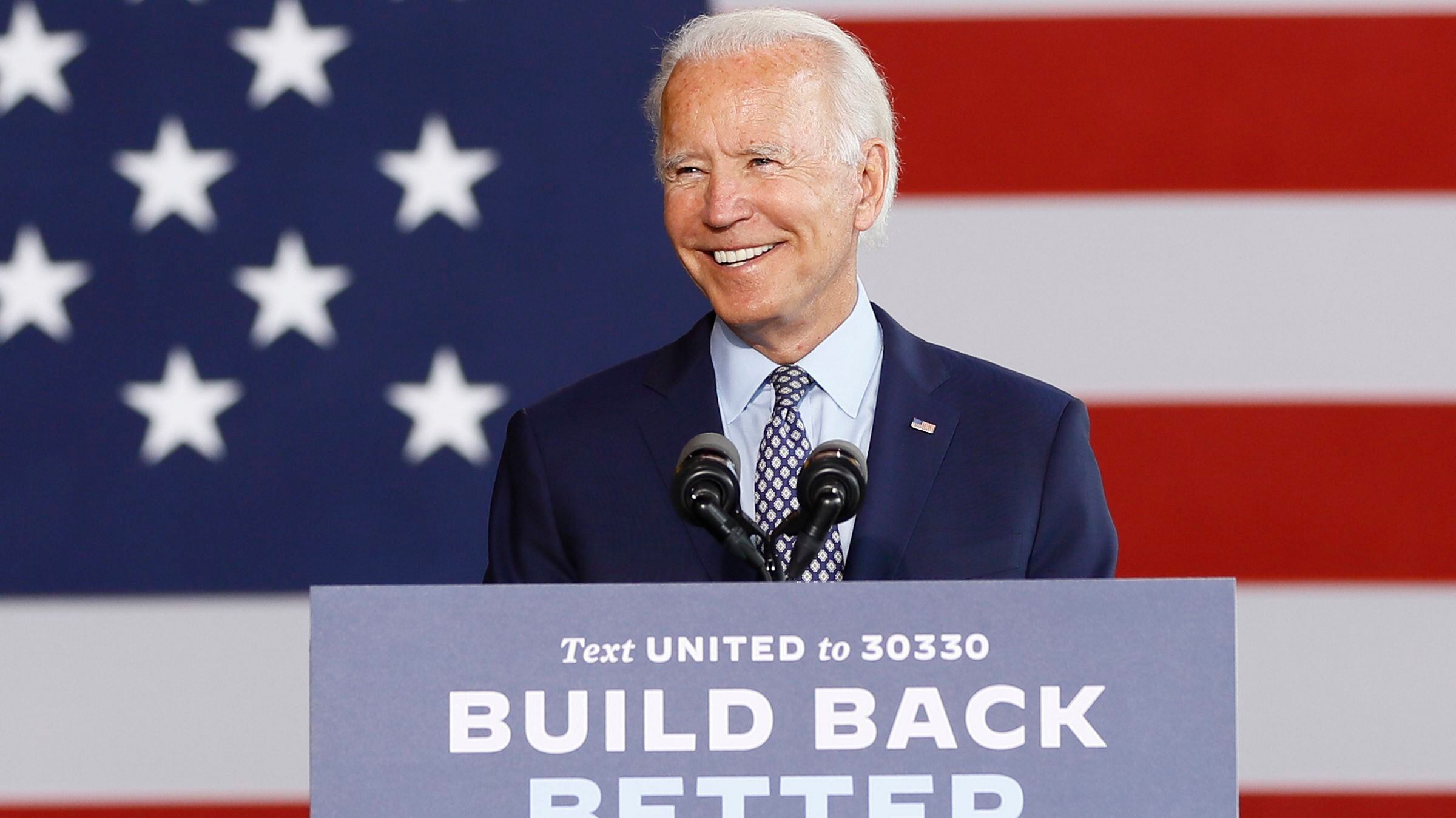
Joe Biden released a plan Tuesday aimed at combating climate change and spurring economic growth in part by overhauling America’s energy industry.
As enhanced unemployment benefits are set to expire at the end of July, HUD secretary Carson, discusses the Trump administration's 'tool kit' meant to protect Americans from evictions beyond the coronavirus pandemic.
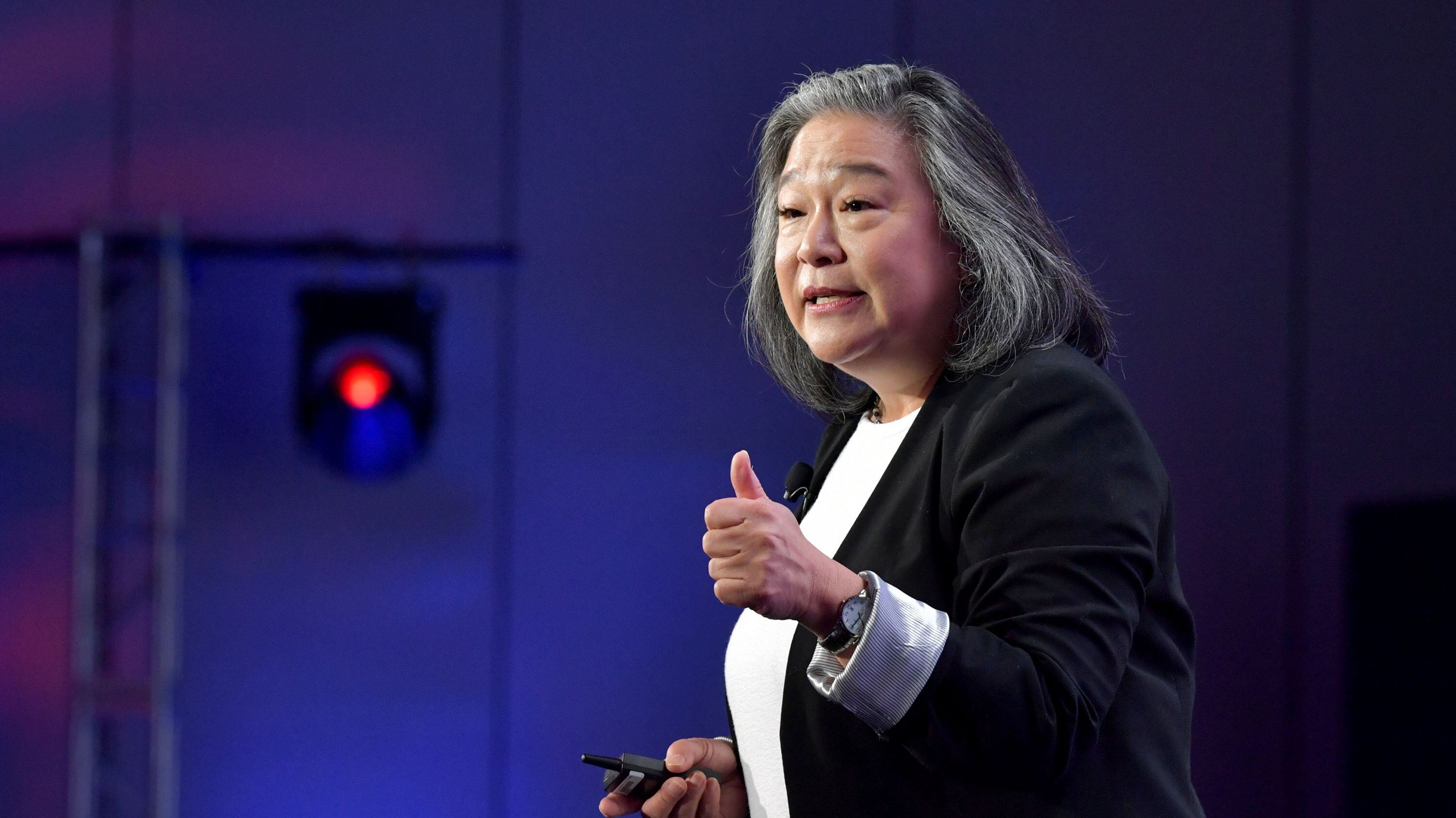
Tina Tchen, president and CEO of Time's Up, provides insight into how companies can go about addressing inequities in the workplace.
California Gov. Gavin Newsom has extended the closure of bars and indoor dining statewide and has ordered gyms, churches and hair salons closed in most places as coronavirus cases keep rising.
The United States is grappling with the worst coronavirus outbreak in the world, as Florida shattered the national record for a state’s largest single-day increase in new confirmed cases with a reported 15,299.
Julian Castro, former secretary of Housing & Urban Development, talks about the importance of stable housing for Americans. Castro also dissects former VP Joe Biden's plan to combat the housing crisis.