*By Brian Henry*
Even as British Prime Minister Theresa May suffered an embarrassing defeat as her Brexit vote was voted down in Parliament, and then only narrowly survived a no-confidence vote, investors remained relatively unrattled.
According to Chris Demetriou, the U.S. CEO at Aberdeen Standard Investments, the mild response to the vote was not a surprise.
"There are two elements to it," he told Cheddar Wednesday.
"The vote \[Tuesday\] and the no confidence vote \[Wednesday\] weren't really a surprise to anybody. It's long been speculated Theresa May didn't have the votes to carry the deal through Parliament."
Demetriou said that the decision by British lawmakers to reject the Brexit deal by such a historic margin ー 432 to 202 ーearlier this week actually has investors feeling confident.
"The resounding defeat, the size of the defeat, really suggests that a tweak to the deal probably isn't going to help get it through either. I think that, perhaps, is giving investors confidence that the can will be kicked down the road or potentially even a more formal withdrawal of Article 15."
"Investors want as a little change as possible in the current arrangement," he added.
Demetriou says productive trade talks between the U.S. and China as well as the Federal Reserve displaying patience on future rate hikes have led to less market volatility.
"A lot of the uncertainty we saw in the back end of the year, the escalation of trade discussions, perhaps concern around fed policy coming into 2019 ー a lot of that has reversed in the beginning of January."
But will the relative market peace last?
"There's a lot of positive news or certainly constructive news out there to offset some of the uncertainty that exists," Demetriou said.
"We do expect continued uncertainty, which breeds volatility in the markets and that will continue throughout the year."
For full interview [click here](https://cheddar.com/videos/the-uk-government-survives-no-confidence-vote-after-brexit-defeat).
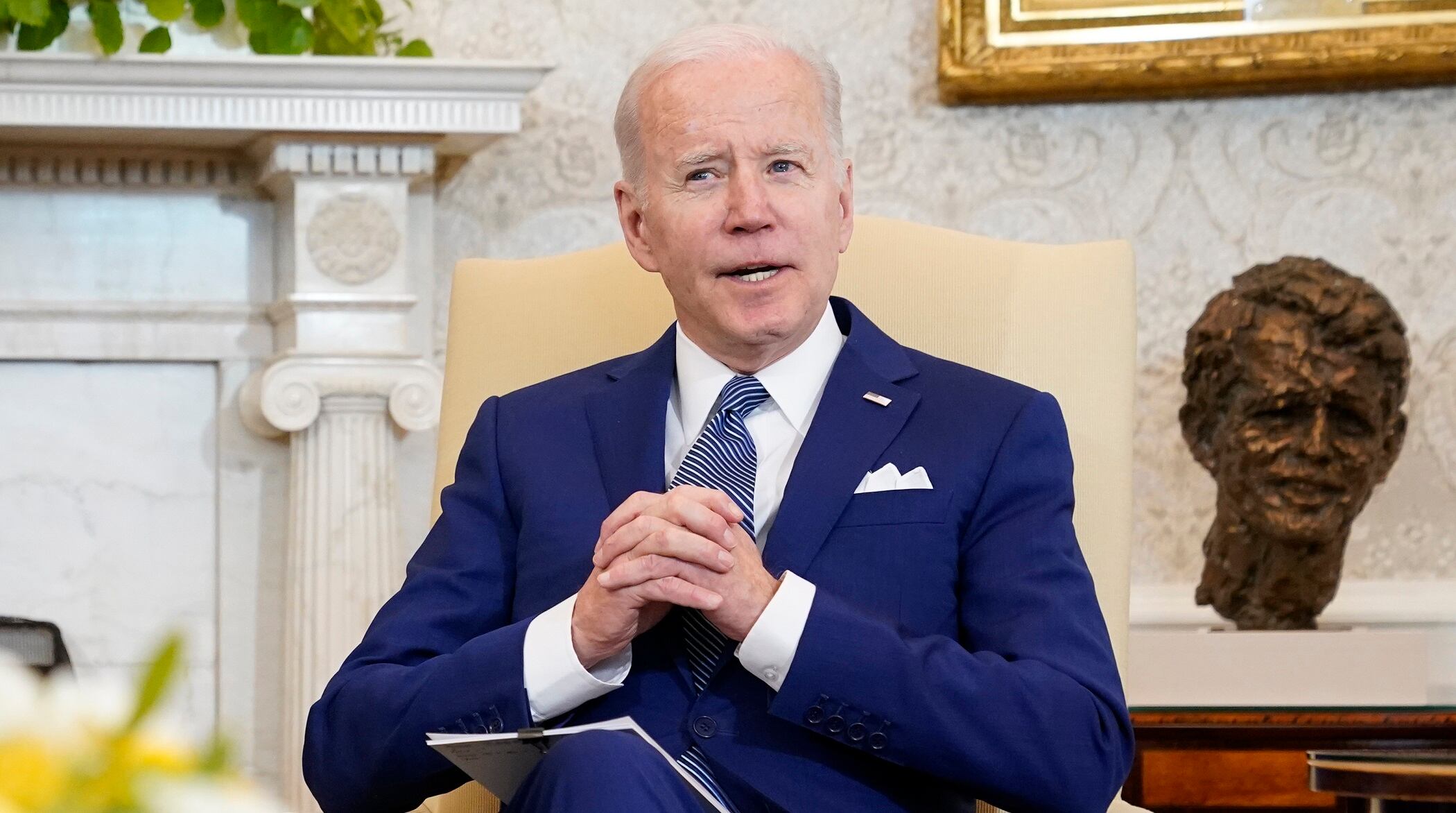
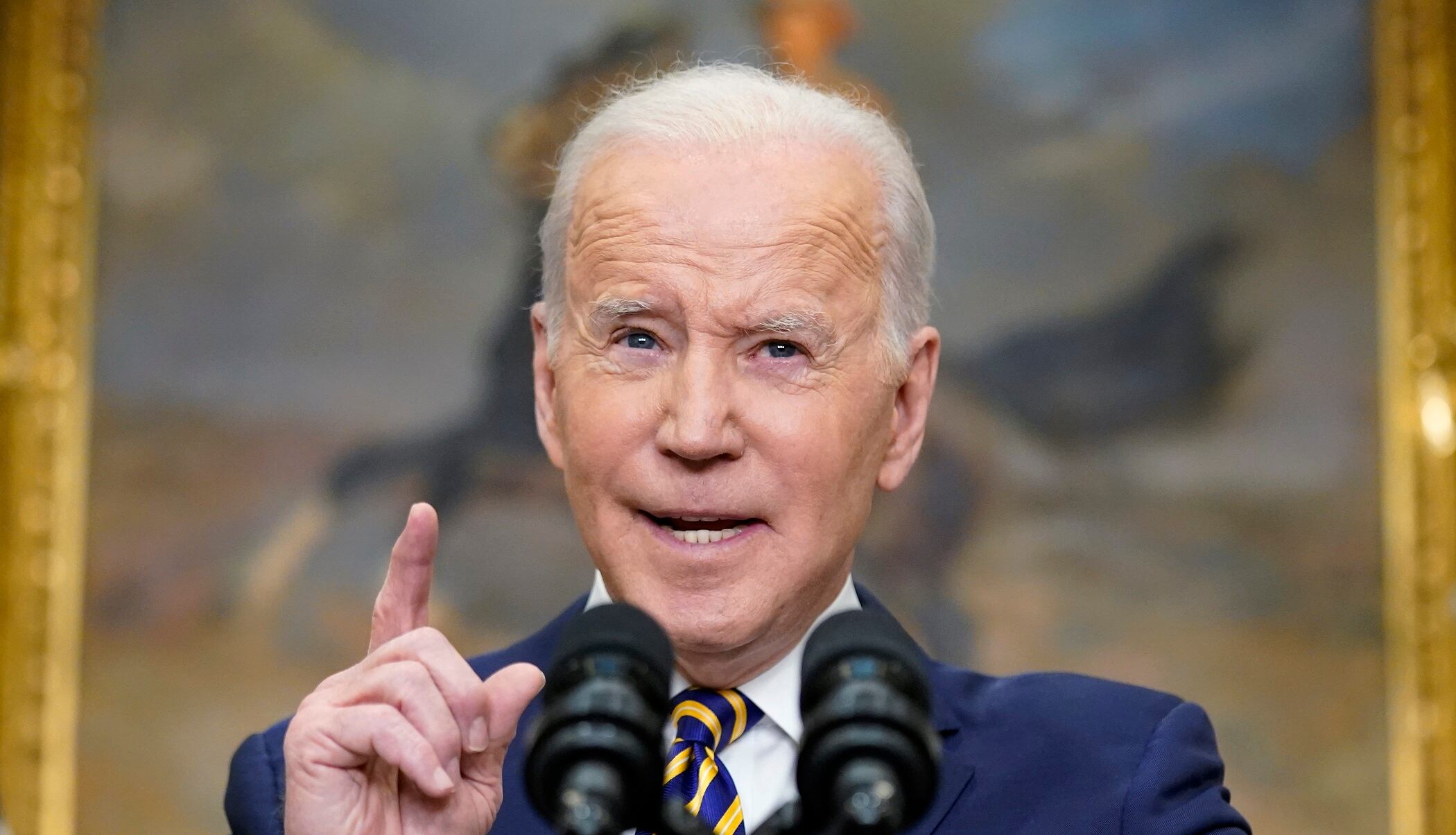
President Joe Biden on Wednesday signed a long-awaited executive order on cryptocurrencies, striking a careful balance between highlighting the risks of digital assets and touting their potential benefits.
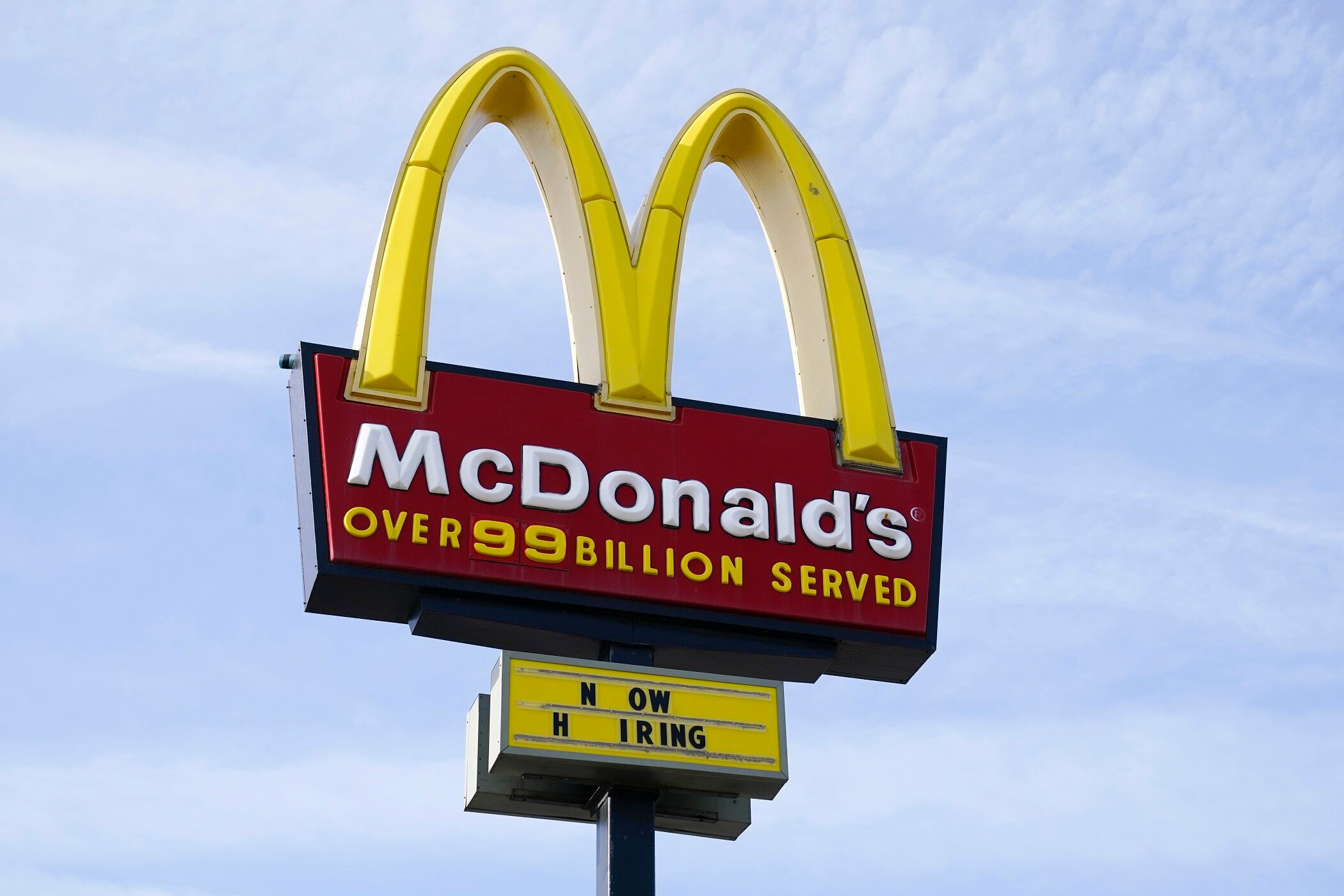
McDonald’s said Tuesday it is temporarily closing all of its 850 restaurants in Russia in response to the country's invasion of Ukraine. The burger giant said it will continue paying its 62,000 employees in Russia.
The price of nickel, one of the key minerals needed to produce stainless steel and lithium-ion batteries, saw an unprecedented surge Tuesday amid fears that Western sanctions could cut off Russian supplies of the crucial commodity.
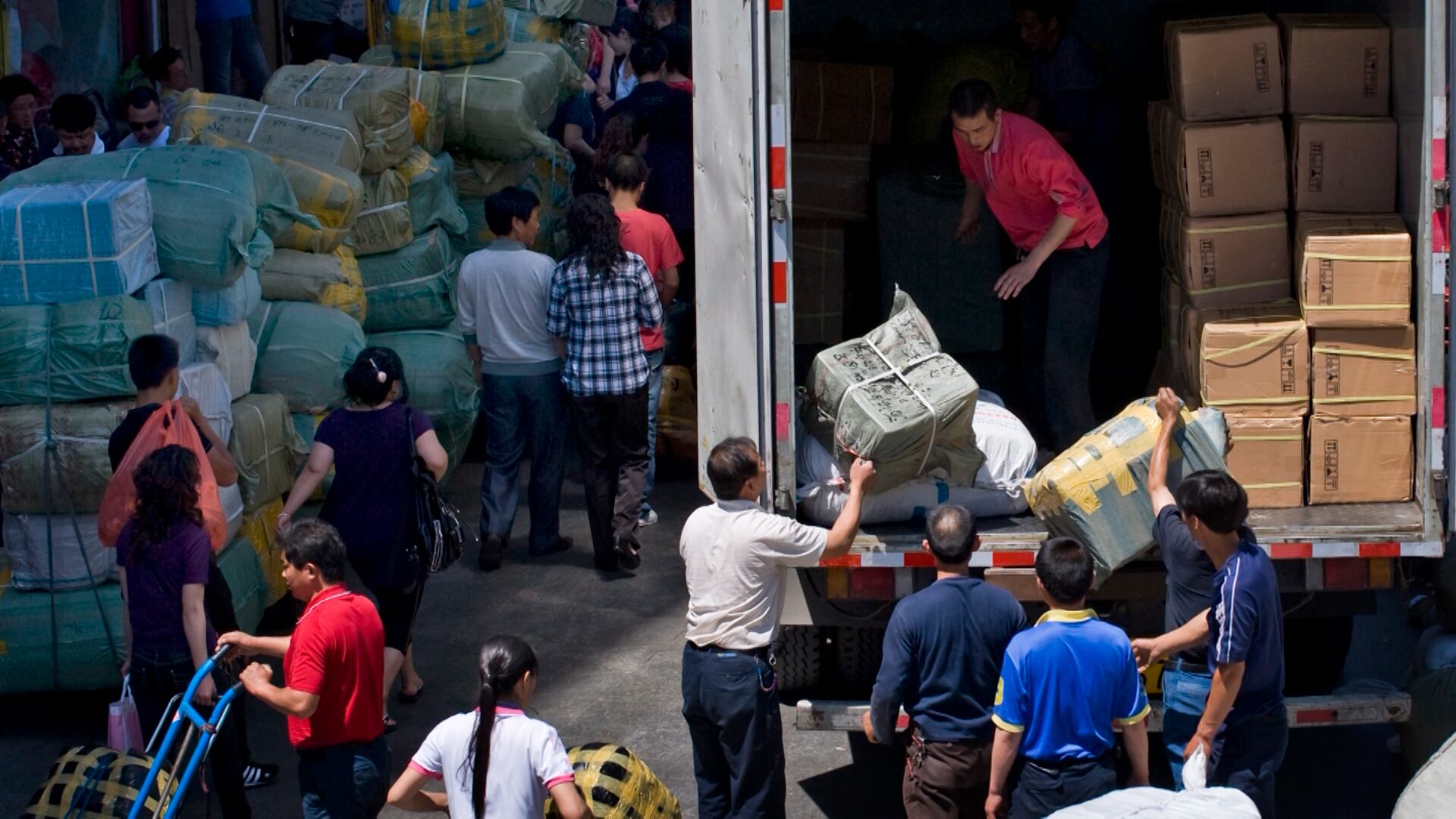
As Western companies cut ties with Russia over its invasion of Ukraine, there's a possibility their Chinese rivals could move in and fill the void. Major corporations such as Apple, Samsung, Dell, and more have halted sales in Russia in hopes of encouraging Putin to back down, but now it seems those sanctions could be presenting a unique opportunity for China. Michael Friedson, Co-founder and Executive Editor of The Media Line News Agency, joined Cheddar's Opening Bell to discuss how these Western boycotts are reshaping geopolitical alignments, the global economy, and international trade.
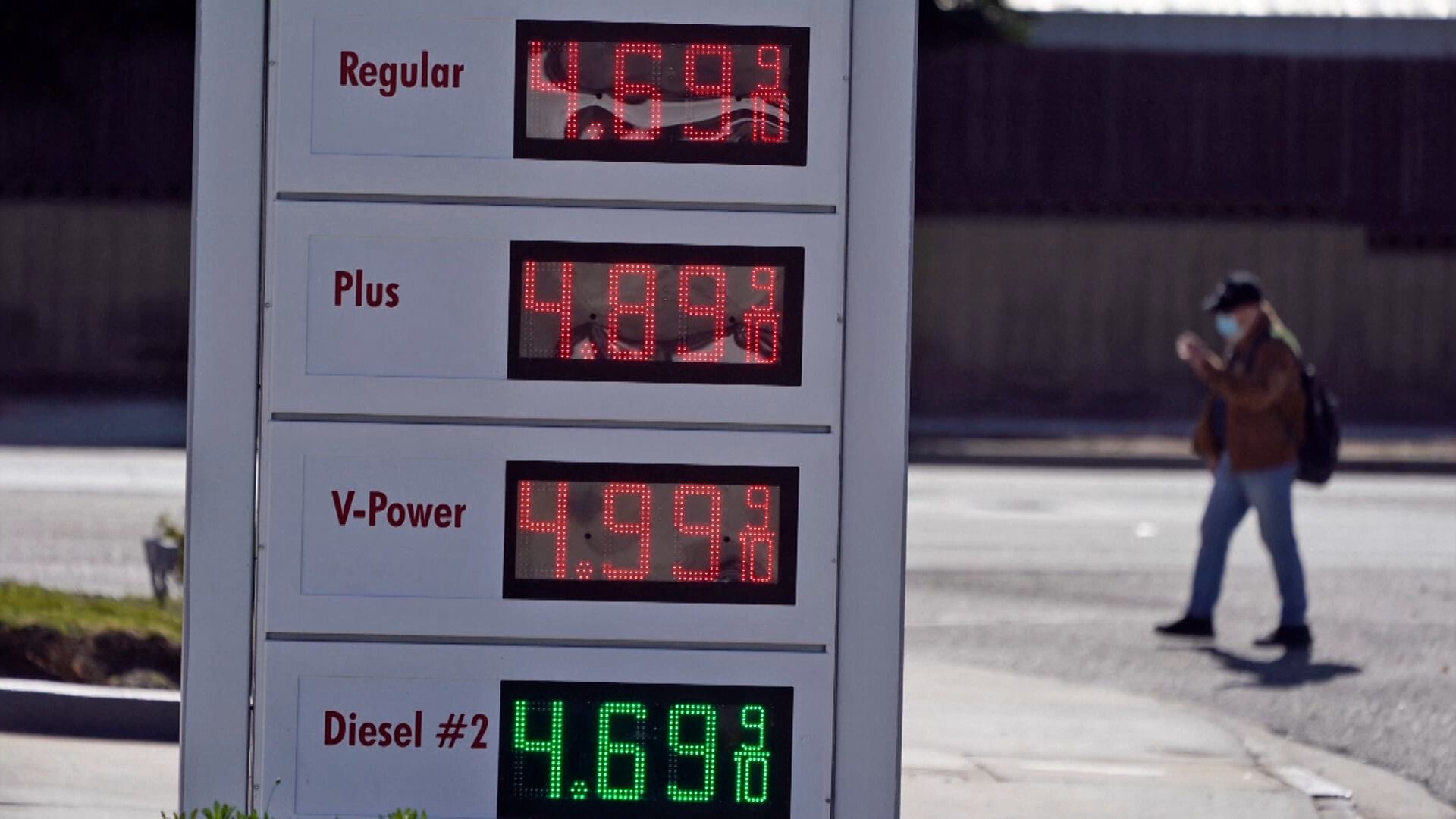
Gas prices have reached their highest level since 2008, topping an average of $4 across the country. The surge comes as Russia's invasion of Ukraine triggers supply concerns in what was already an extremely tight oil market. Jay Hatfield, Chief Investment Officer at ICAP, breaks down why costs at the pump are so high right now, and just how high they could go.
President Joe Biden has announced that the U.S. will ban all Russian oil imports, toughening the toll on Russia’s economy in retaliation for its invasion of Ukraine.
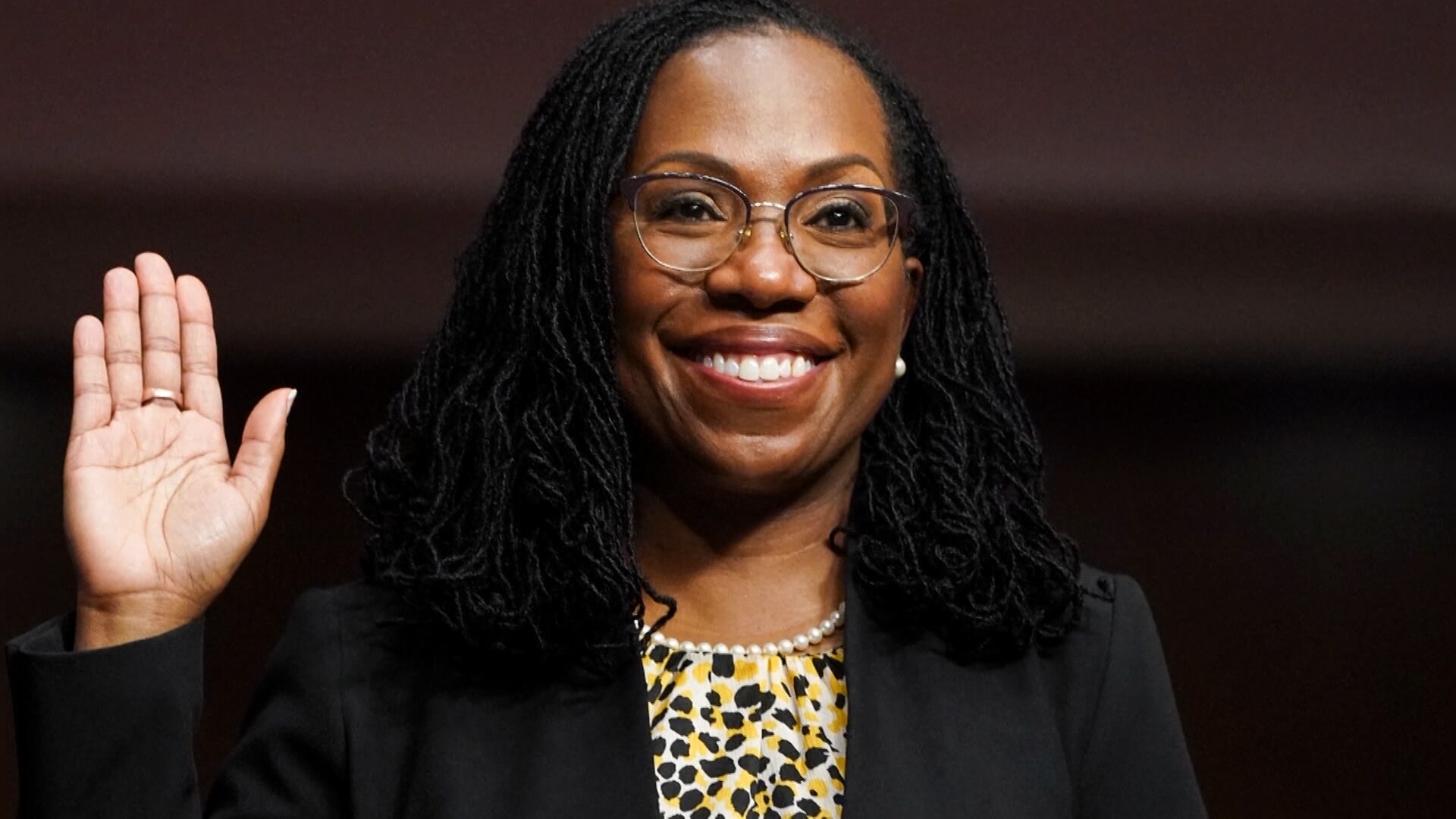
If confirmed, judge Ketanji Brown Jackson could become the first black woman on the bench of the U.S. Supreme Court. Cheddar News speaks with Katie Barlow, Chief Legal Correspondent at Fox 5 to discuss the significance of the nomination.
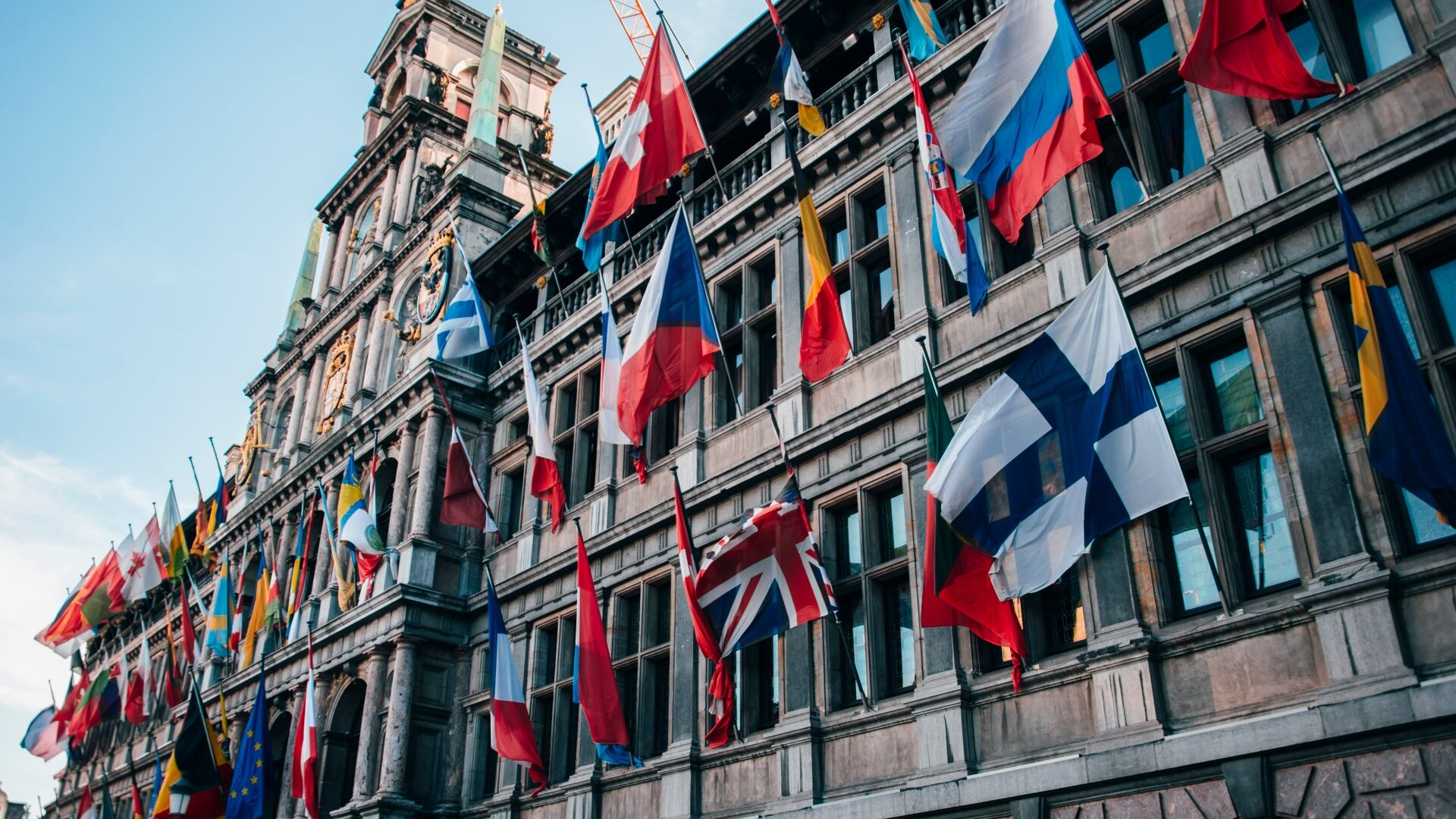
The European Union is historically divided and slow when it comes to decision-making, but in the recent weeks, the 27 members have agreed upon several sanctions and decisions regarding foreign policy and defense. The EU has cut off Russian banks from the swift payment system, blocked Russian propaganda channels, and closed European skies for air travel to and from Russia. Germany, for example, who has refused to send any deadly weapons to conflict zones, has now agreed to send lethal weapons to Ukraine. Rupert Steiner, London Bureau Chief at Barron's, joins cheddar news to discuss.
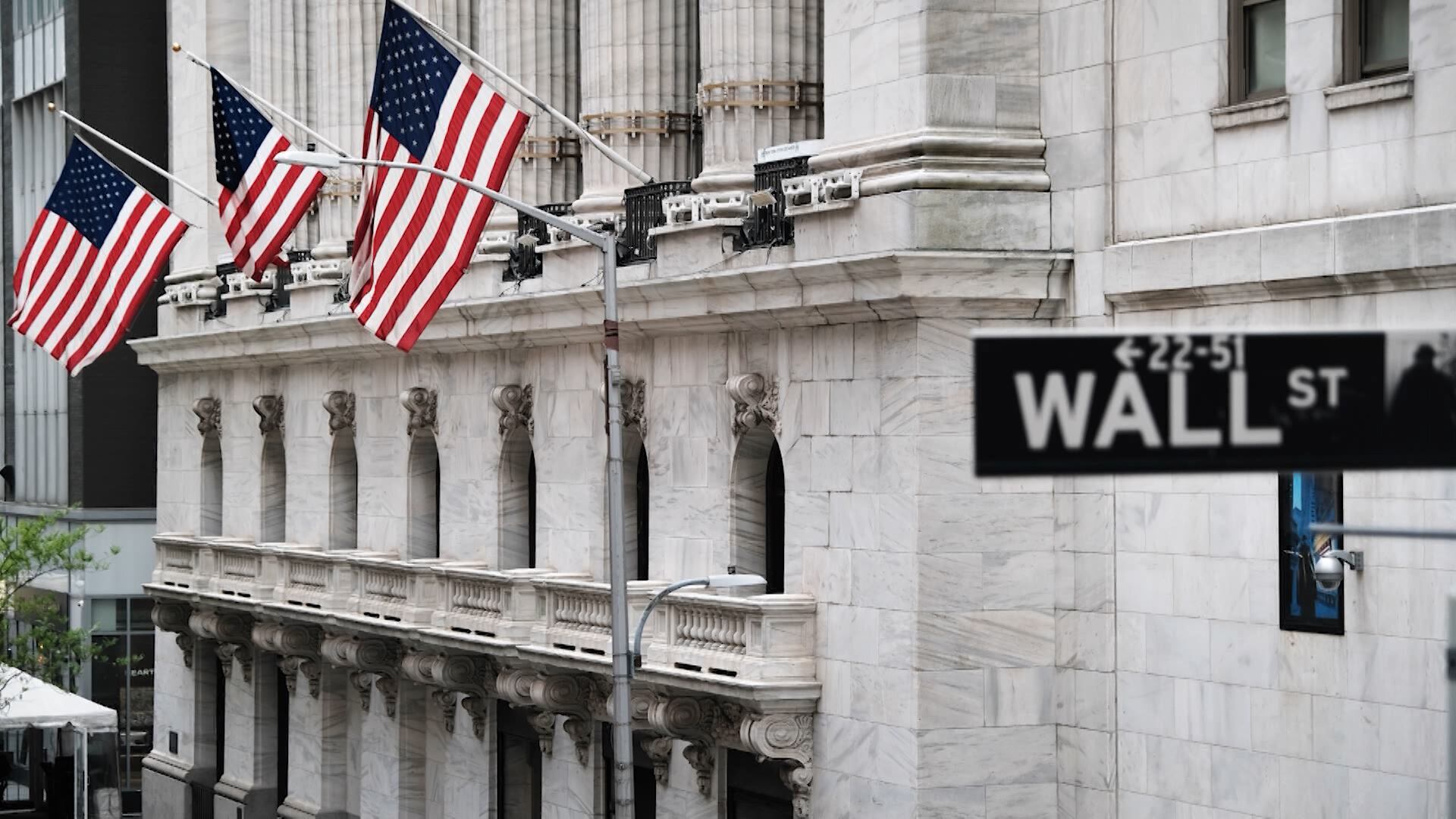
Sam Stovall, Chief Investment Strategist at CFRA Research, joins Cheddar News' Closing Bell where he dives into the factors contributing to Monday's market plunge and what could be in store when February's CPI data comes out on Tuesday.
Derek Shearer, former U.S. Ambassador to Finland and contributing writer for Washington Monthly, joins Cheddar News to discuss the latest developments in the Russia-Ukraine conflict.