*By Brian Henry*
Even as British Prime Minister Theresa May suffered an embarrassing defeat as her Brexit vote was voted down in Parliament, and then only narrowly survived a no-confidence vote, investors remained relatively unrattled.
According to Chris Demetriou, the U.S. CEO at Aberdeen Standard Investments, the mild response to the vote was not a surprise.
"There are two elements to it," he told Cheddar Wednesday.
"The vote \[Tuesday\] and the no confidence vote \[Wednesday\] weren't really a surprise to anybody. It's long been speculated Theresa May didn't have the votes to carry the deal through Parliament."
Demetriou said that the decision by British lawmakers to reject the Brexit deal by such a historic margin ー 432 to 202 ーearlier this week actually has investors feeling confident.
"The resounding defeat, the size of the defeat, really suggests that a tweak to the deal probably isn't going to help get it through either. I think that, perhaps, is giving investors confidence that the can will be kicked down the road or potentially even a more formal withdrawal of Article 15."
"Investors want as a little change as possible in the current arrangement," he added.
Demetriou says productive trade talks between the U.S. and China as well as the Federal Reserve displaying patience on future rate hikes have led to less market volatility.
"A lot of the uncertainty we saw in the back end of the year, the escalation of trade discussions, perhaps concern around fed policy coming into 2019 ー a lot of that has reversed in the beginning of January."
But will the relative market peace last?
"There's a lot of positive news or certainly constructive news out there to offset some of the uncertainty that exists," Demetriou said.
"We do expect continued uncertainty, which breeds volatility in the markets and that will continue throughout the year."
For full interview [click here](https://cheddar.com/videos/the-uk-government-survives-no-confidence-vote-after-brexit-defeat).
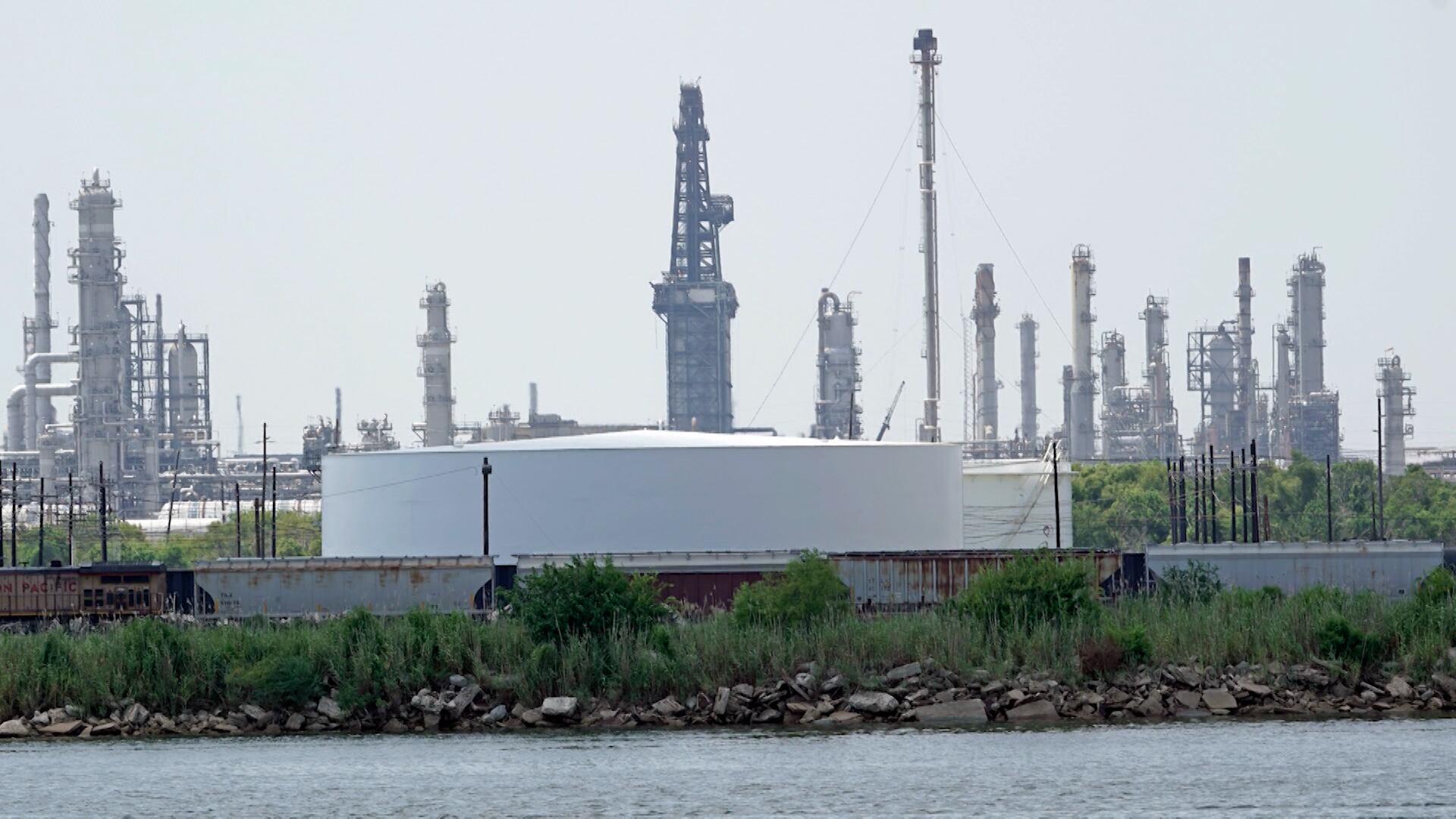
President Biden announced a ban on Russian oil and natural gas imports to the U.S. in response to its invasion of Ukraine, a move he warned could lead to an even greater surge in gas prices. The ban is prompting a conversation about the current oil production levels in the U.S. and whether or not the industry can ramp up production to soften the blow to American families at the gas pump. Clark Williams-Derry, Energy Finance Analyst with the Institute for Energy Economics and Financial Analysis, breaks down the state of the U.S. oil industry and how the ban might impact production levels here at home.
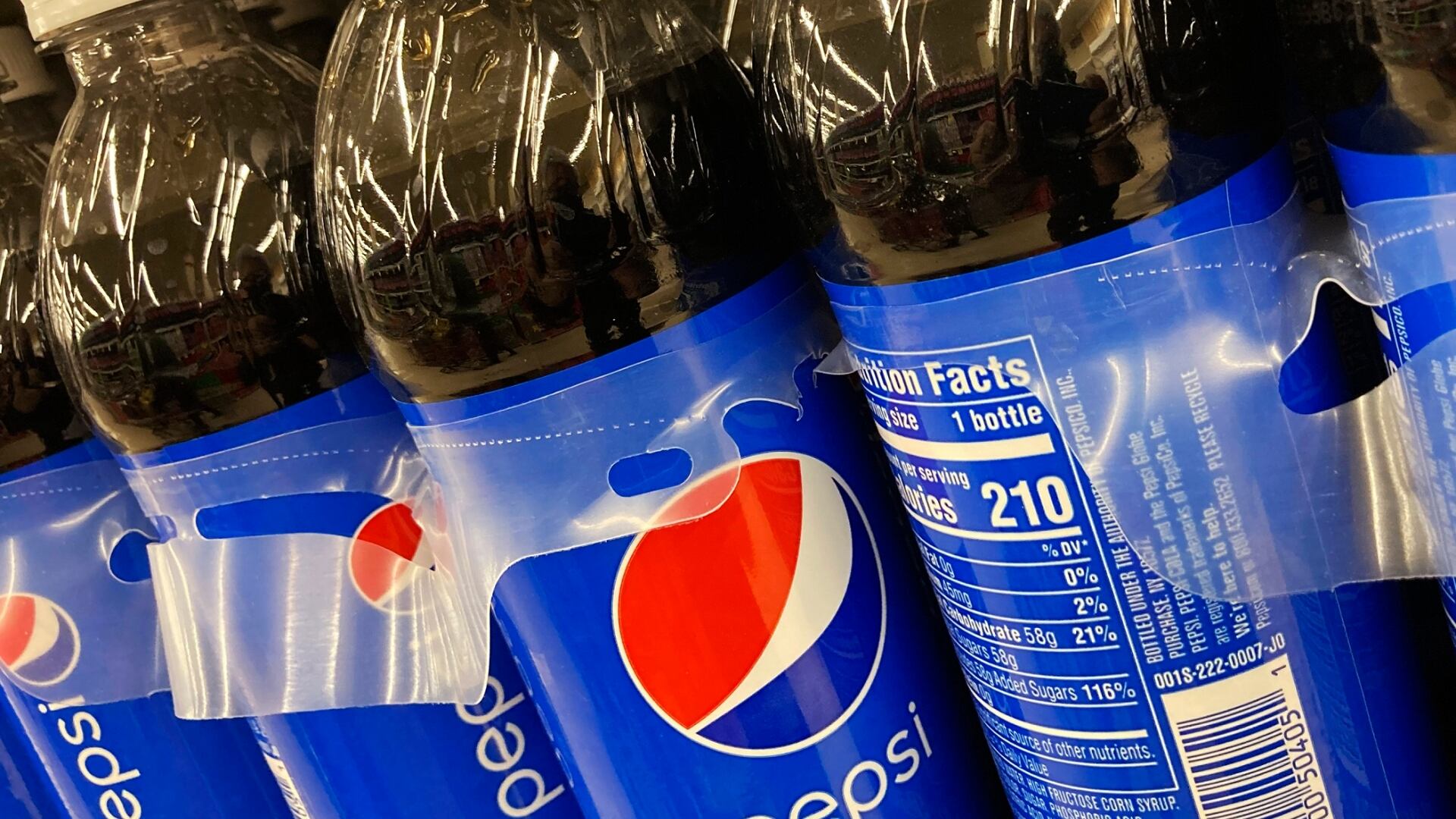
PepsiCo, Coca-Cola, McDonald’s, and Starbucks are the latest American food brands to have halted business operations in Russia after having faced scrutiny and criticism for originally failing to do so amid the country's invasion of Ukraine.
As Russia intensifies its war on Ukraine, President Biden announced a ban on oil imported from the aggressor nation. Critics of Russia have said this would be the best way to force Putin to pull back, but curbs on Russian oil exports are expected to send already skyrocketing oil and gas prices even higher, further impacting consumers, businesses, financial markets, and the global economy. Leslie Beyer, CEO of the Energy Workforce and Technology Council, joined Cheddar News' Closing Bell to discuss. "It's certainly going to increase pricing, but it is the right thing to do," she said. "The industry itself has already pulled out of the significant portion of its operations in Russia."
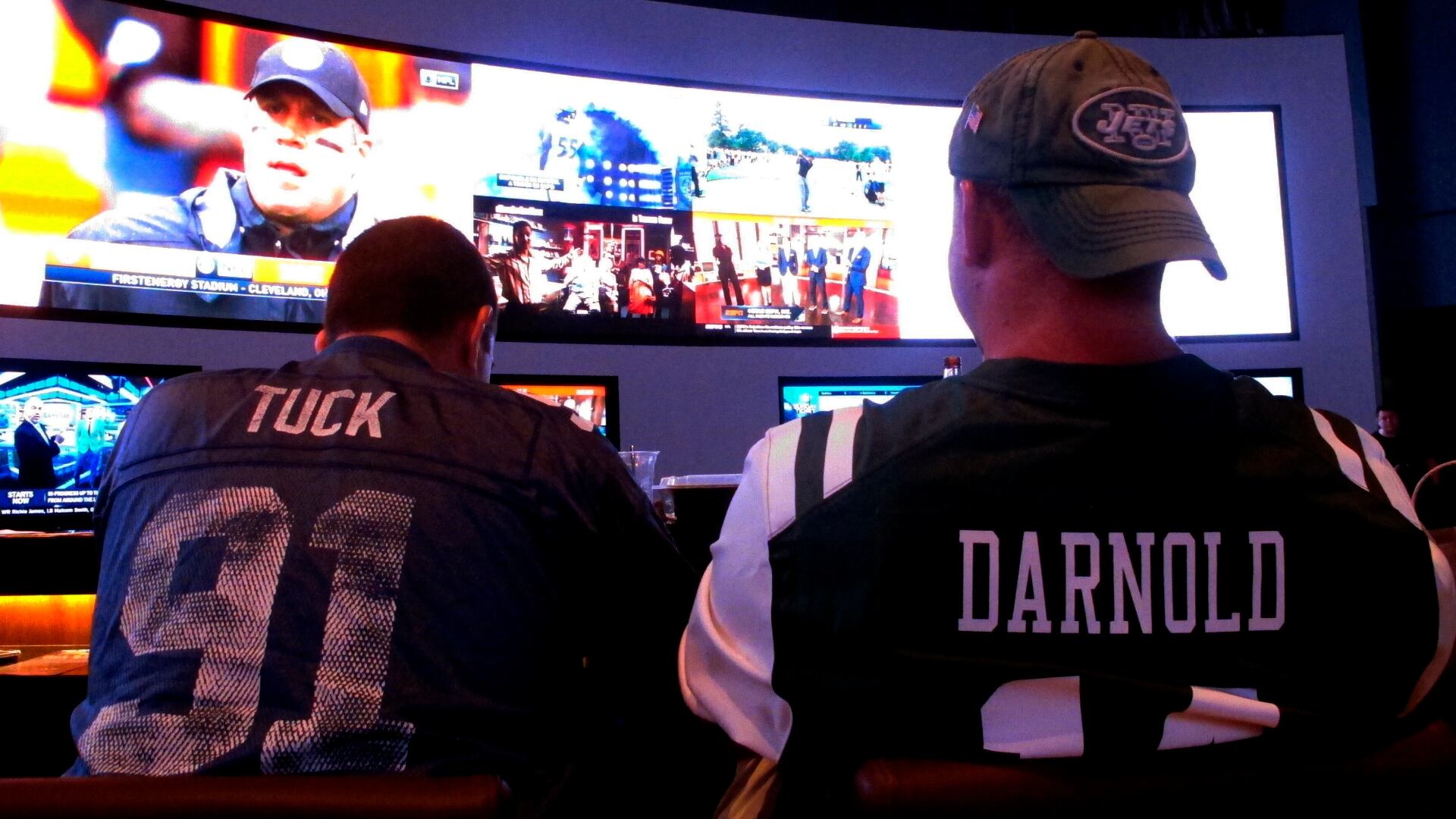
Sports Betting in the U.S. is booming. According to industry experts, we could see another boom this year as more states move towards statewide legalization of sports wagering. While this comes as huge news for fans, there are some very real concerns as to whether or not sports betting potentially poses a threat to public health. Senior Clinician at the Caron Treatment Centers, Eric Webber, joined Cheddar to discuss more.
The Biden administration has made gender policy a core part of how it governs. The president established the first Gender Policy Council. It's on the same level as the National Security Council, Domestic Policy Council and National Economic Council, putting the interests of women and other underserved groups at the table for the most important policy discussions.
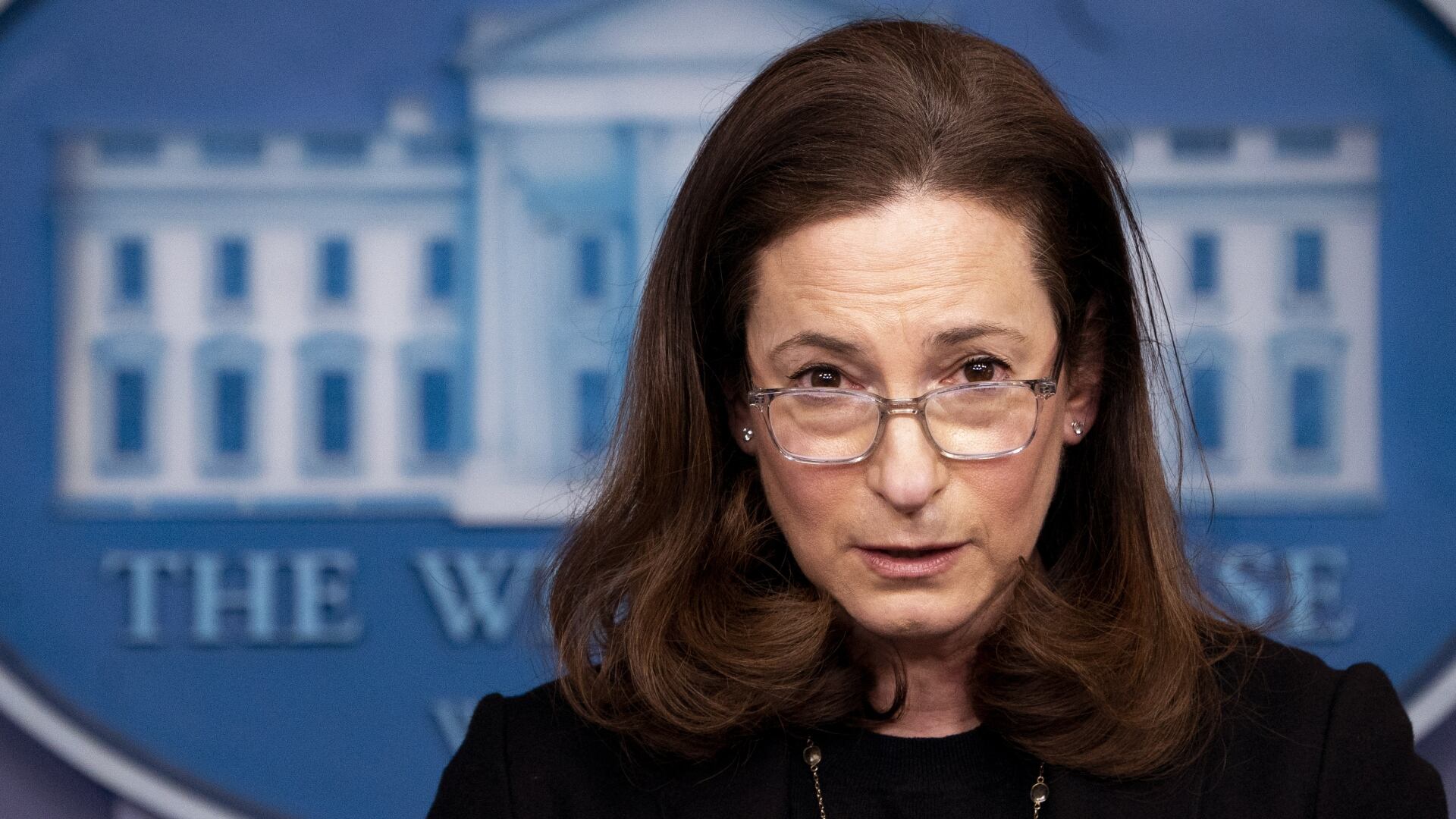
Cheddar News sat down with Jennifer Klein, executive director and co-chair of the White House Gender Policy Council, to discuss the council's work and its significance during Women's History Month.
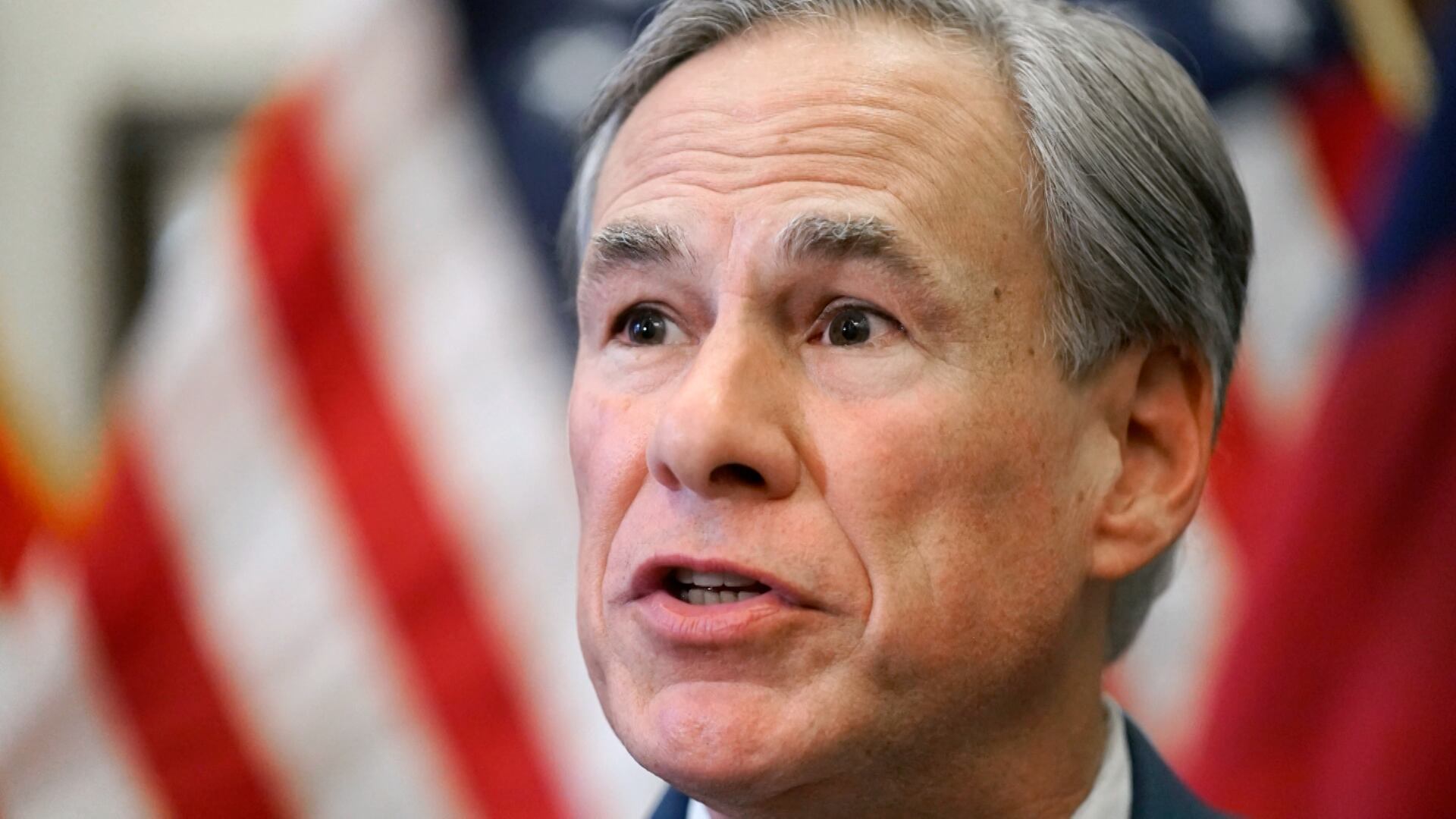
State Representative Jessica González, Vice Chair of the Texas House LGBTQ Caucus, joins Cheddar News to discuss the latest Texas anti-transgender directive.
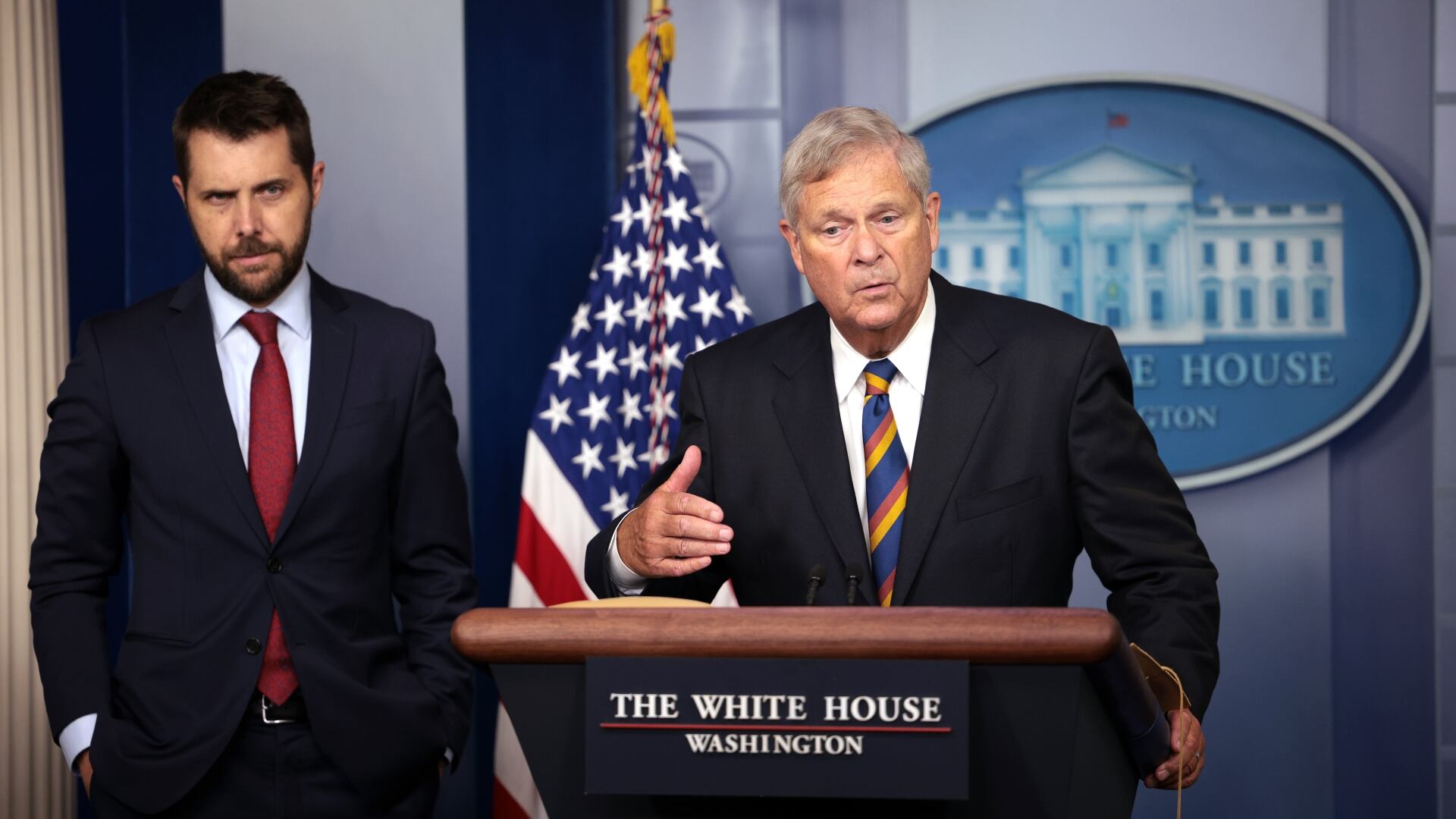
The United States Secretary of Agriculture, Tom Vilsack joins None of the Above to discuss the newly emerging conflict in Europe, what it means for agriculture in the states, dairy and meat consumption, and how the department is planning to promote climate-smart agriculture.
Tens of thousands of people have fled Ukraine in attempts to escape the Russian Invasion. According to the U.N. neighboring countries like Poland, Hungary, and even Romania have seen half a million refugees. While the hospitality is being welcomed by many, it also highlights the mistreatment of migrants and refugees from the Middle East and Africa. Professor of Philosophy and Director of Politics at Northeastern University Serena Parekh, joined Cheddar, to discuss more.
As Russia unleashed war in the country of Ukraine, global leaders have started inflicting punishment on Vladimir Putin's regime via commercial and financial penalties. According to President Joe Biden Putin's aggression is "a flagrant violation of international law and it demands a firm response from the international community".However, the main question is will these sanctions actually work. Partner at Jenner & Block LLP, Rachel Alpert, joined Cheddar to discuss more.