This year will see a historic number first-time female candidates seeking public office. Shay White is running to be the first African-American and first woman elected to Oklahoma's House District 77. She joins Cheddar to discuss her boundary-breaking campaign. White is a first-generation college graduate in her family, and grew up in poverty in Southern Louisiana.
White discusses why so many women are inspired to run for office this year. She puts things in the context of the second annual Women's March, and shares the story of when she first realized her political ambitions as a child. White describes the primary roadblocks standing in her way as she seeks higher office.
The candidate says that if she were a white man, people would be falling at her feet. She adds that, because of her race and gender, they're more inclined to classify her campaign as "cute." White discusses how she plans on changing the status quo, and what messages are resonating the most with voters. Voters will head to the polls in White's district this June.
The Massachusetts Air National Guardsman accused of leaking highly classified military documents has been indicted on federal felony charges, the Justice Department said Thursday.
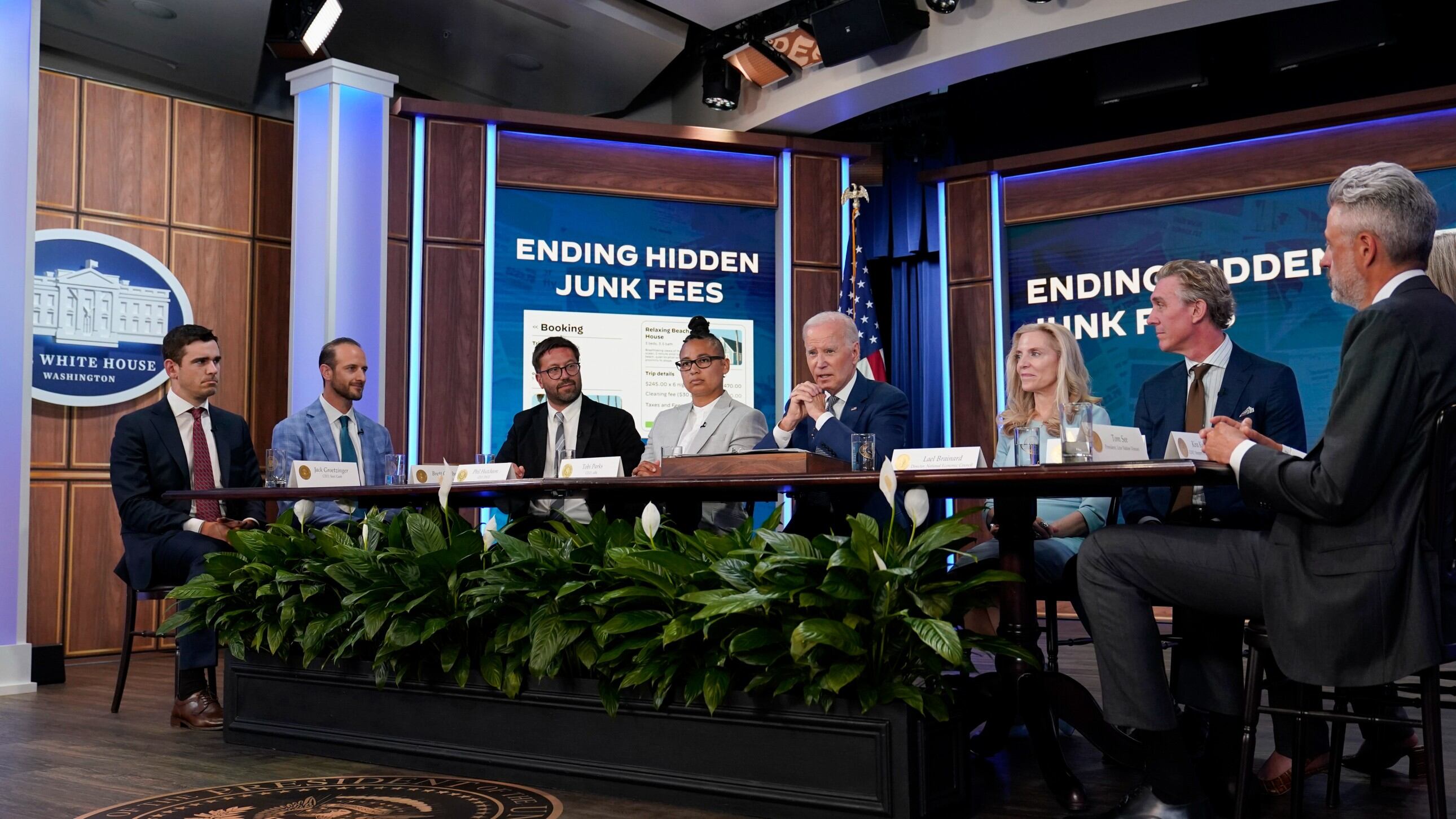
President Joe Biden highlighted progress in chipping away at so-called junk fees as a “win for consumers” Thursday, as he met at the White House with executives from Live Nation, Airbnb and other companies that have taken steps to embrace more transparent pricing.
Texas Gov. Greg Abbott sent a busload of migrants to downtown Los Angeles on Wednesday, prompting Mayor Karen Bass to respond to Abbott's move as a "despicable stunt."
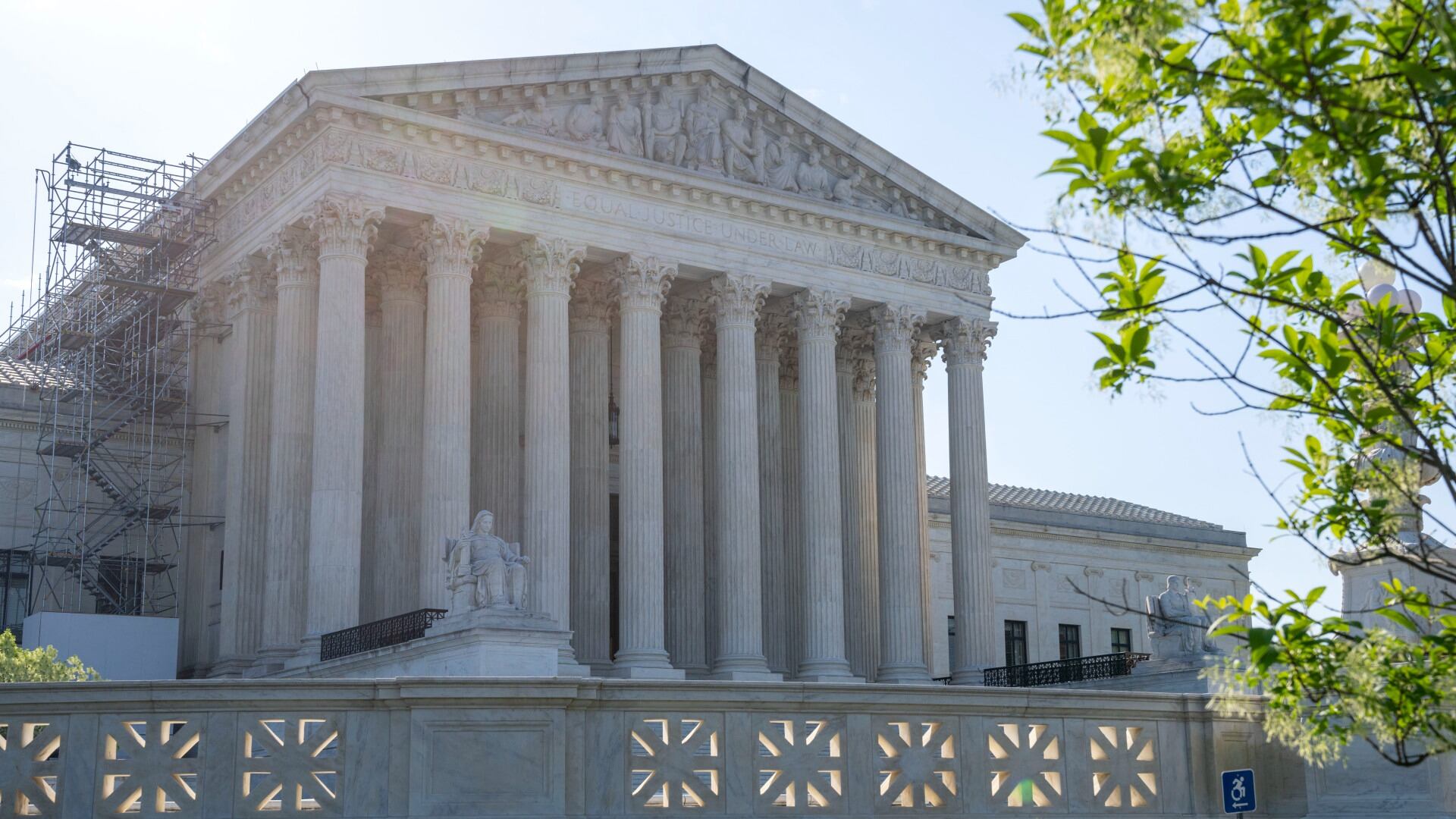
The Supreme Court on Thursday preserved the system that gives preference to Native American families in foster care and adoption proceedings of Native children, rejecting a broad attack from some Republican-led states and white families who argued it is based on race.
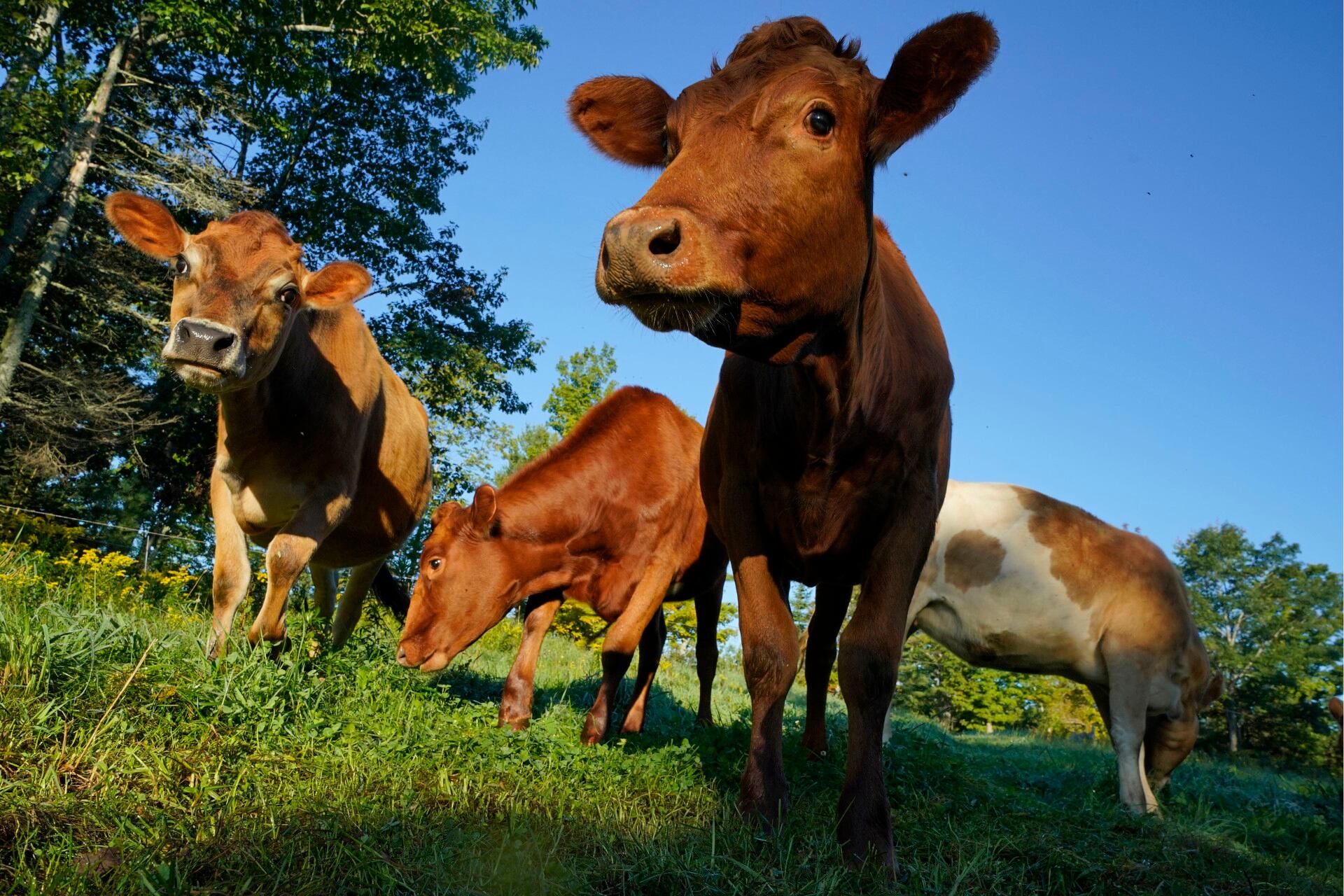
The U.S. Department of Agriculture said Wednesday it hopes to weed out false or misleading animal-welfare claims on meat and poultry packaging with new guidance and testing.
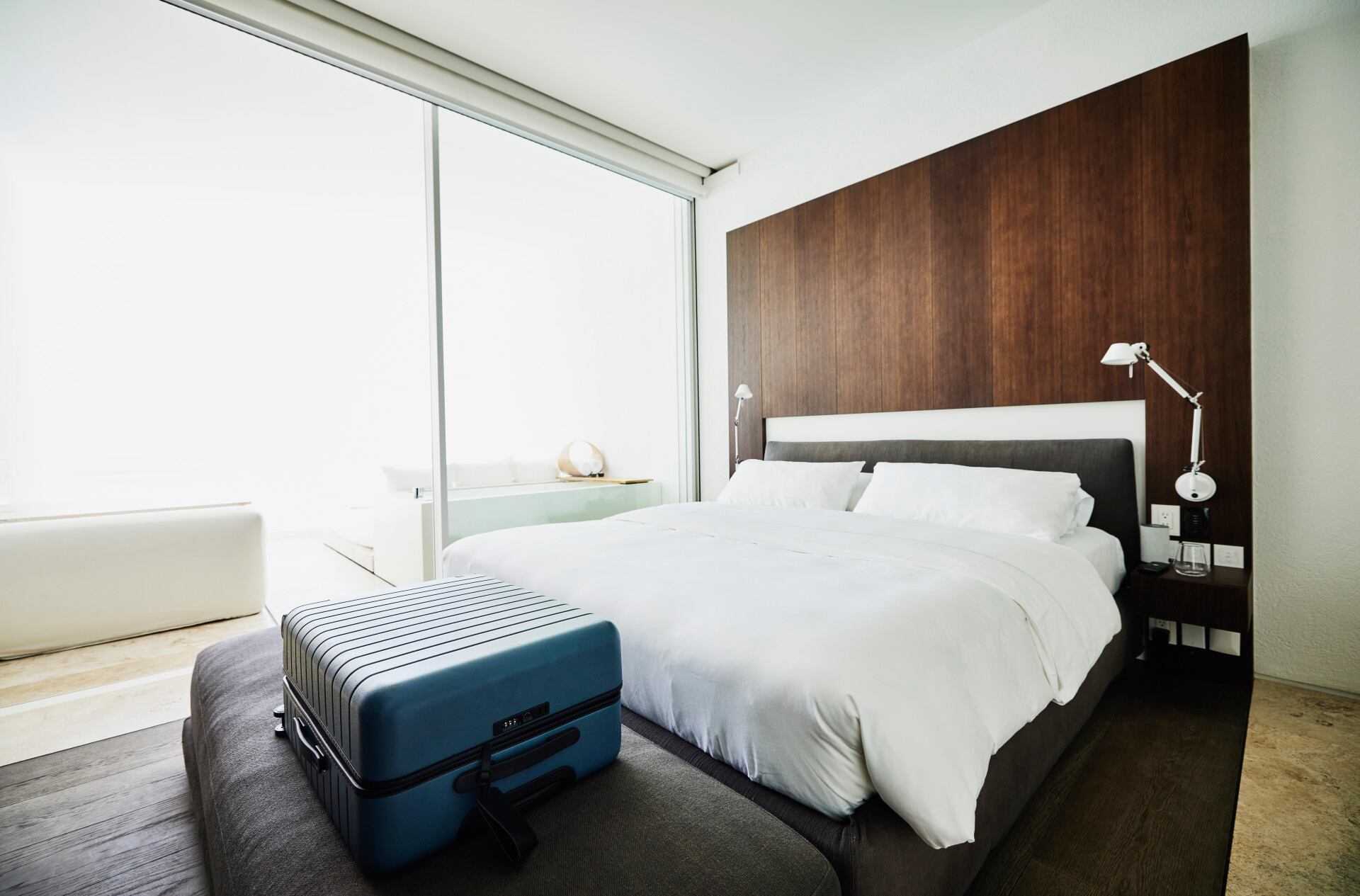
New York City is paying to house newly-arrived migrants in hotel rooms. Cheddar News takes a closer look at one of the hotels, the Holiday Inn, which is housing about 15,000 migrants over the next 15 months.
We've been closely following the migrants that were sent to various cities across the United States. Now New York City is paying for hotel rooms for migrants who were sent there. Cheddar's own Ashley Mastronardi has a closer look at one of the hotels.
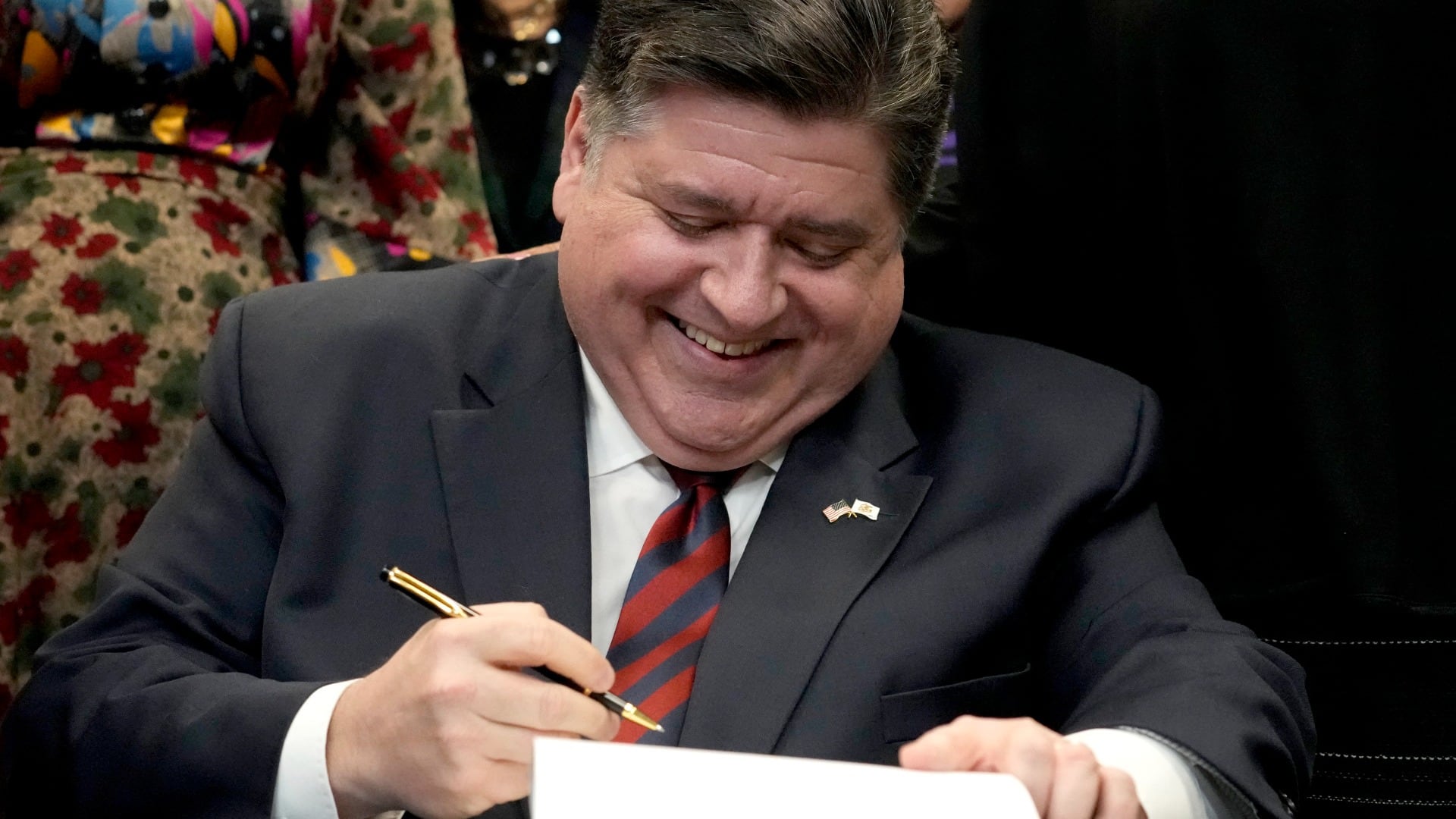
Illinois Governor J.B. Pritzker signed a bill that stops public schools and libraries from banning books.
The Biden administration reached a deal to preserve a federal mandate requiring health insurers to cover preventive care at no extra cost for patients.
Former President Donald Trump arrives for his arraignment in Miami.