This year will see a historic number first-time female candidates seeking public office. Shay White is running to be the first African-American and first woman elected to Oklahoma's House District 77. She joins Cheddar to discuss her boundary-breaking campaign. White is a first-generation college graduate in her family, and grew up in poverty in Southern Louisiana.
White discusses why so many women are inspired to run for office this year. She puts things in the context of the second annual Women's March, and shares the story of when she first realized her political ambitions as a child. White describes the primary roadblocks standing in her way as she seeks higher office.
The candidate says that if she were a white man, people would be falling at her feet. She adds that, because of her race and gender, they're more inclined to classify her campaign as "cute." White discusses how she plans on changing the status quo, and what messages are resonating the most with voters. Voters will head to the polls in White's district this June.
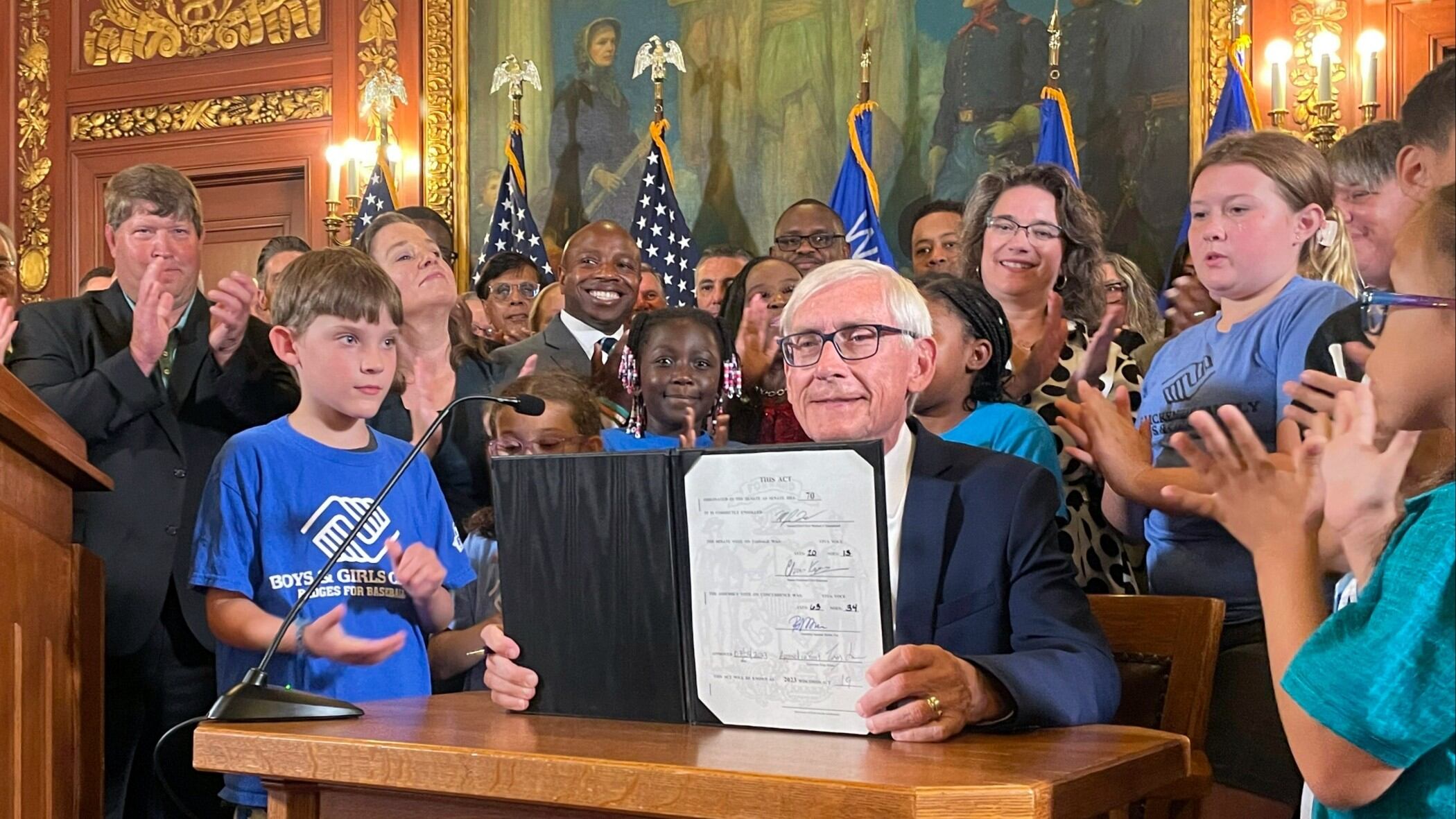
By striking a hyphen and two numerals, he extended an annual per-student funding increase from the next two academic years through the next four centuries.
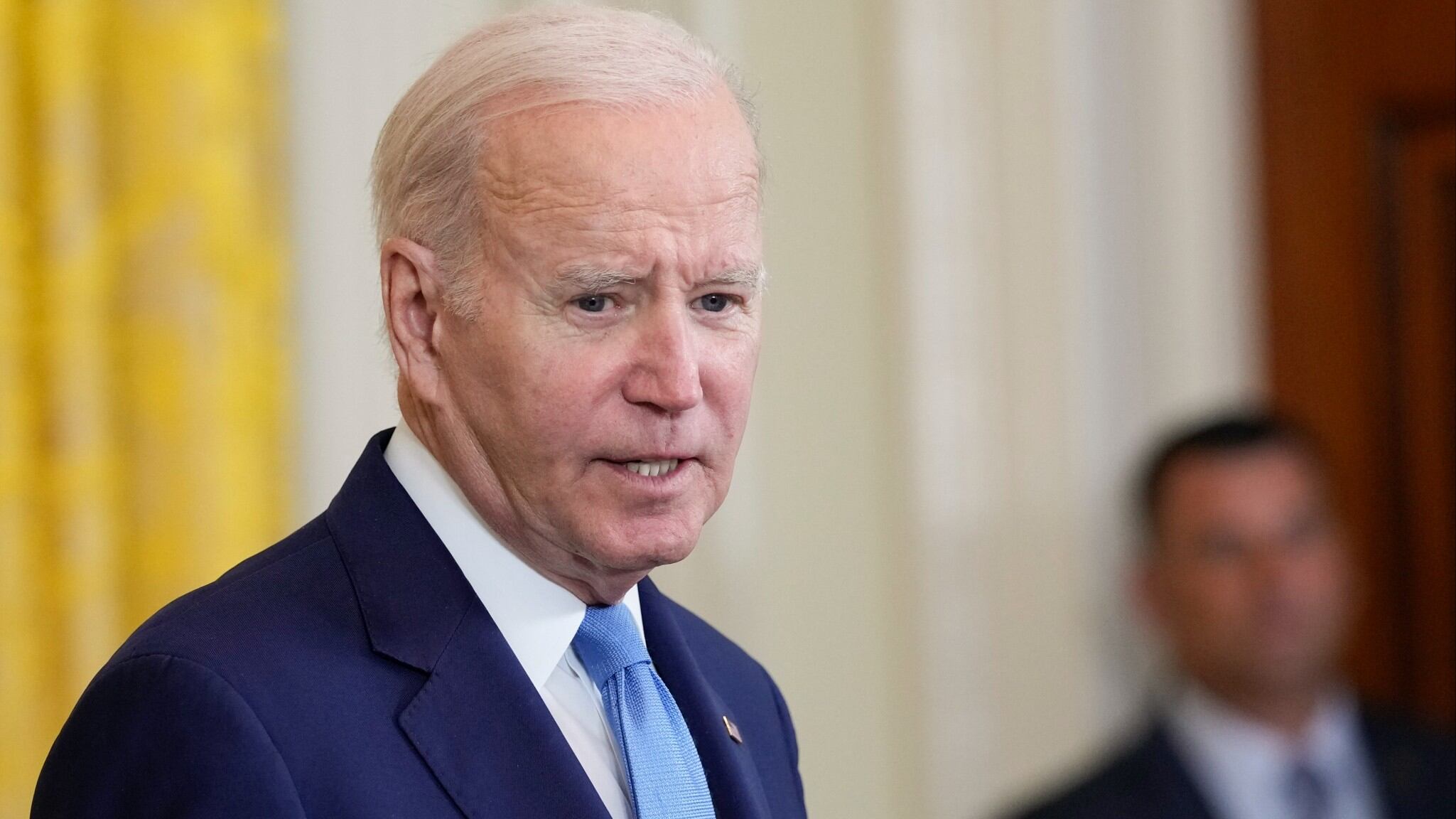
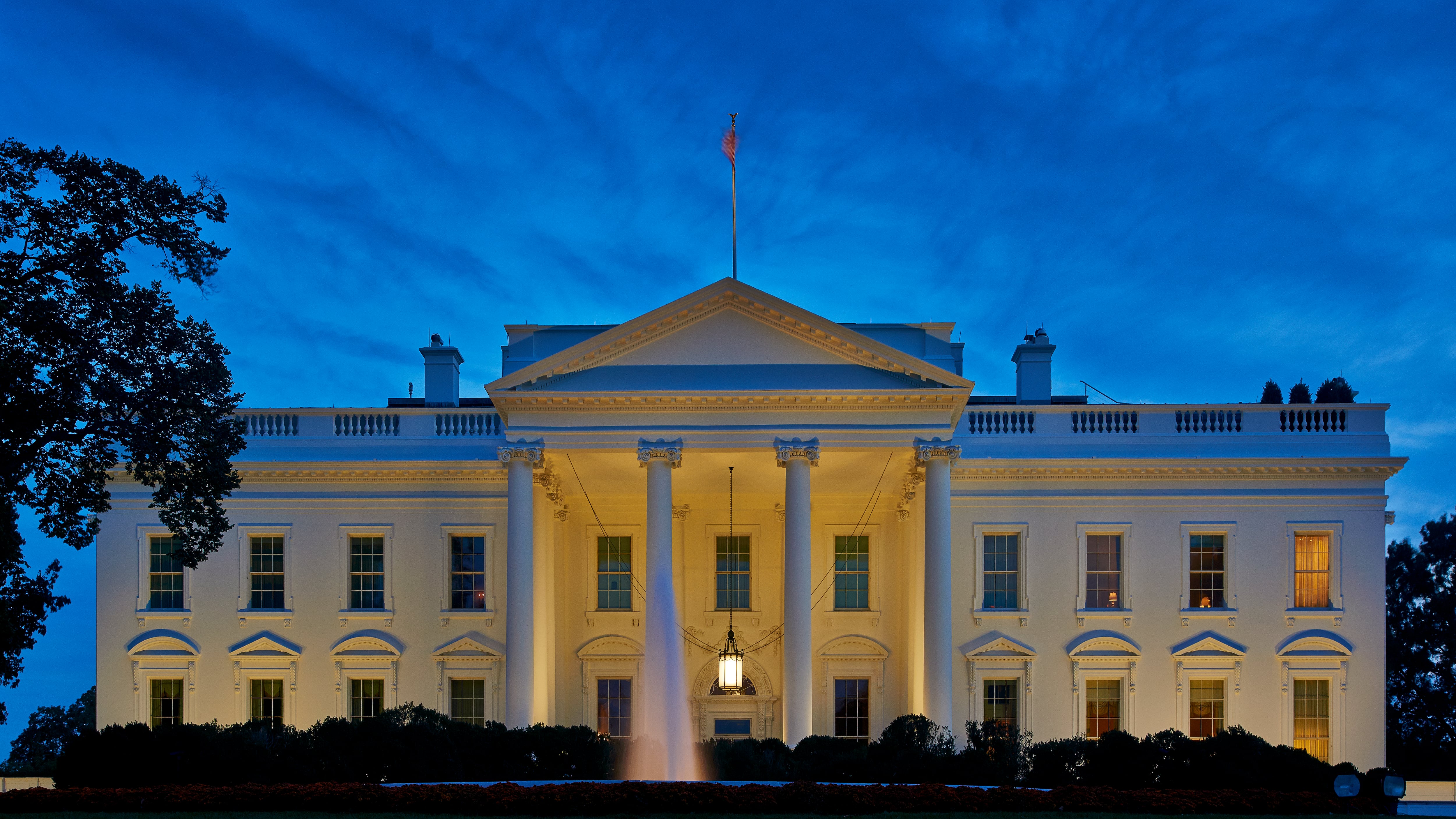
White House press secretary Karine Jean-Pierre says the White House has confidence the Secret Service is “going to get to the bottom of this.”
Americans are segregating by their politics at a rapid clip, helping fuel the greatest divide between the states in modern history.
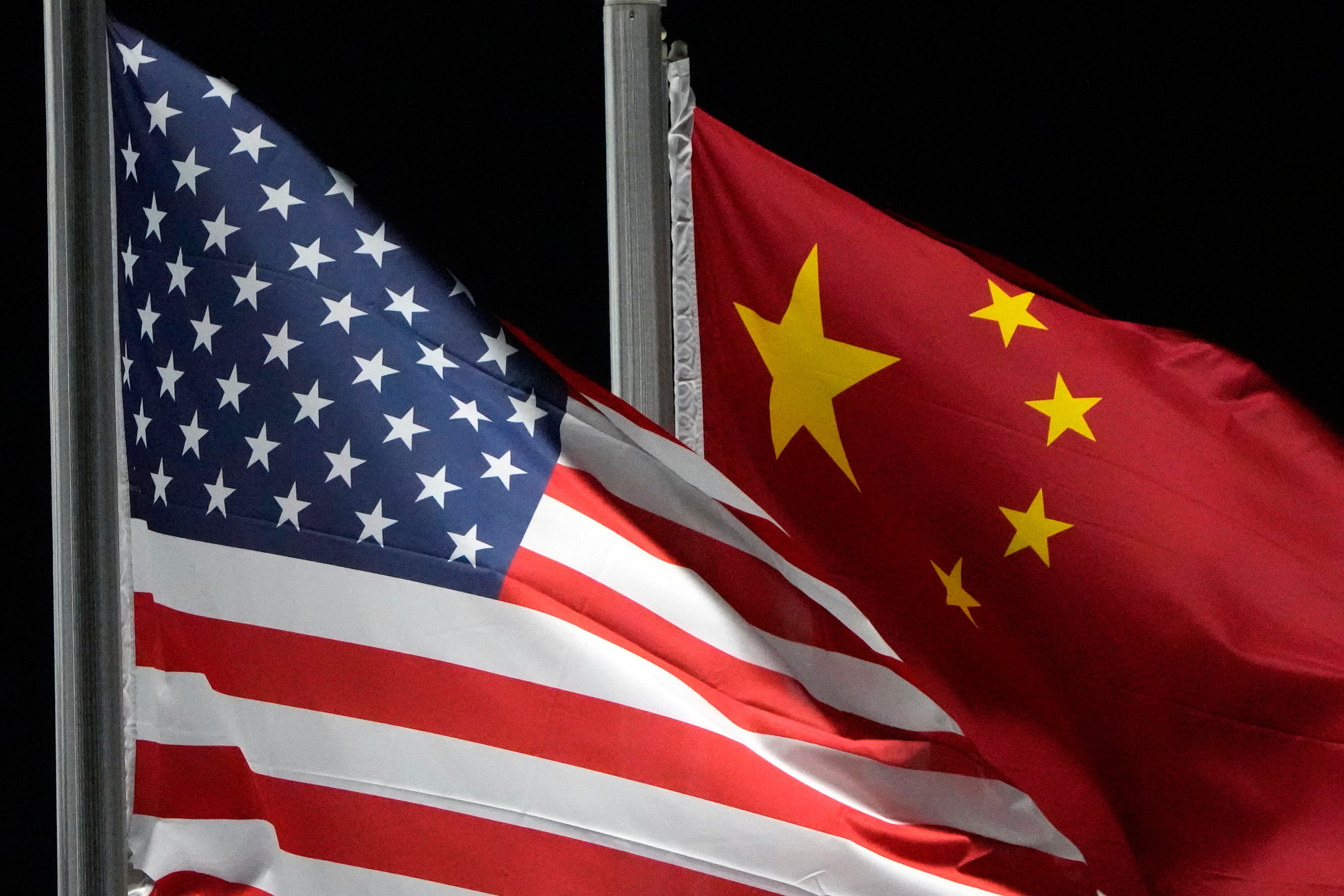
China has restricted exports of high-tech metals gallium and germanium, which are critical to making chips, in response to the U.S. blocking them from access to advanced chips.
A federal judge in Louisiana has restricted the Biden administration from communicating with social media platforms regarding content.
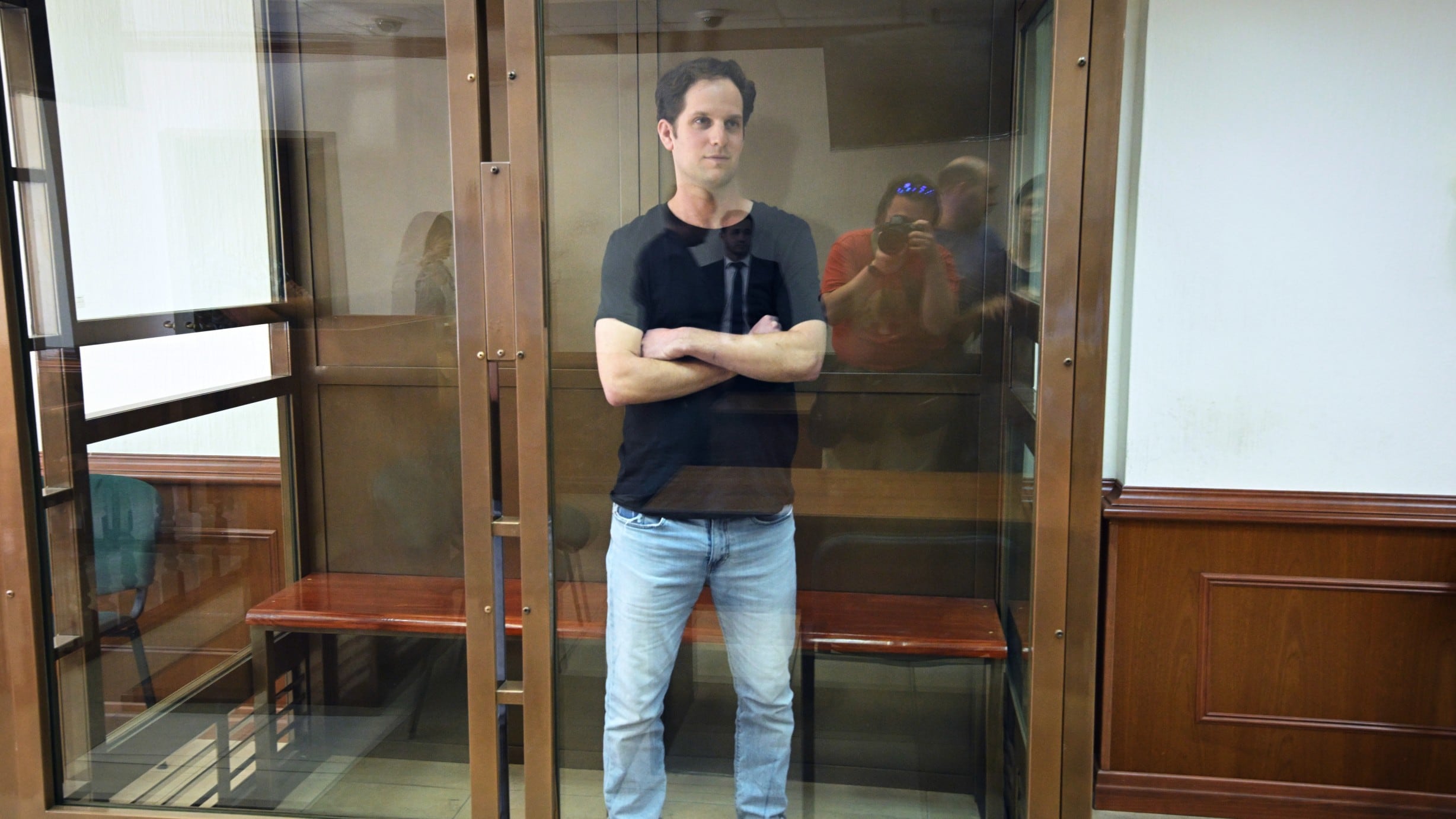
Russia said it's in contact with the U.S. over the imprisonment of journalist Evan Gershkovich.
They spoke to The Associated Press on condition of anonymity because they were not authorized to discuss the investigation publicly.
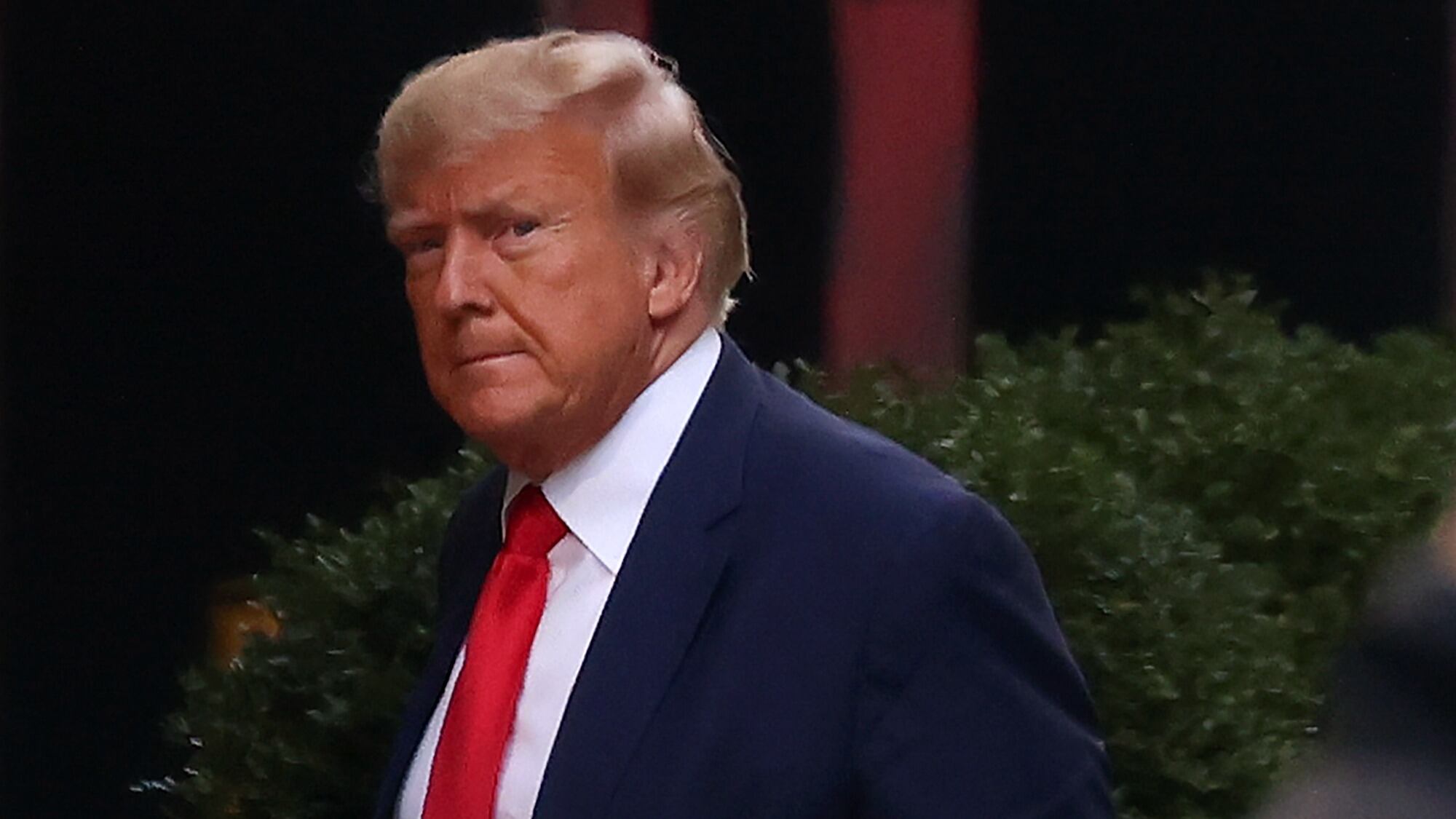
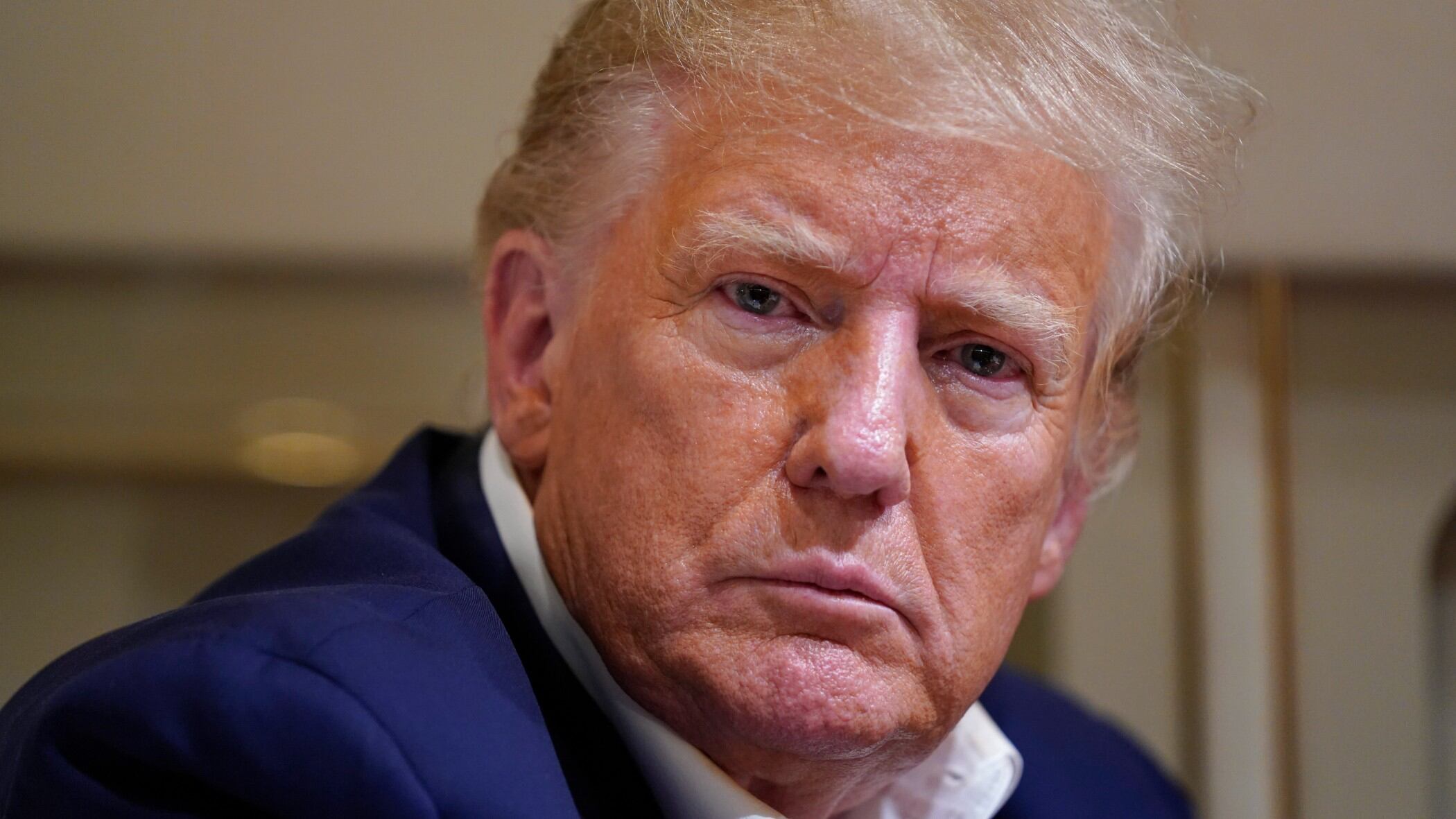
Former President Donald Trump reportedly pressured former Arizona Gov. Doug Ducey to overturn the state's 2020 election results.
Former President Donald Trump reportedly pressured former Arizona Governor Doug Ducey to overturn the state's 2020 election results.
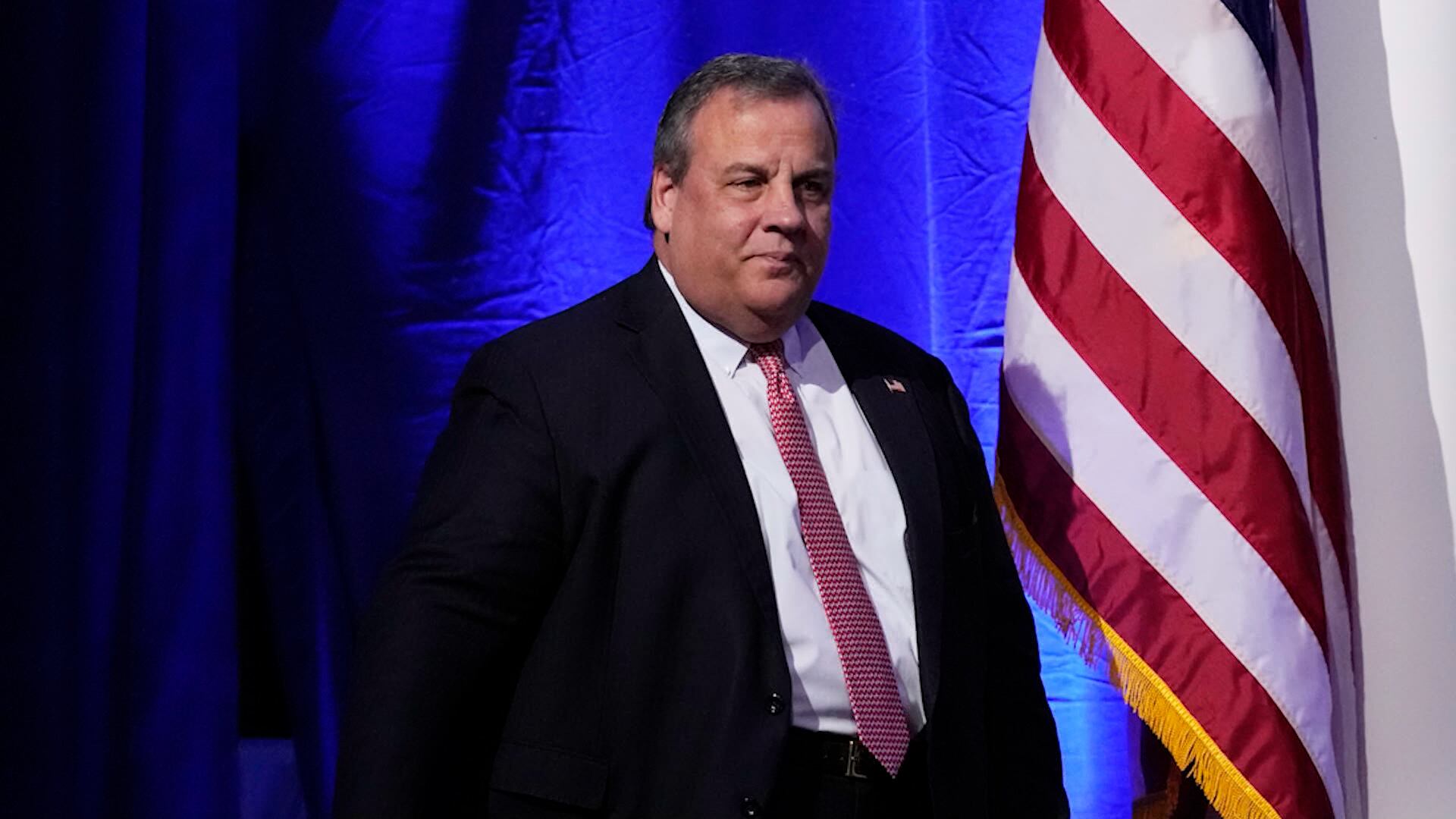
Former New Jersey Gov. Chris Christie said President Joe Biden and former President Donald Trump are "beyond their sell-by date" in an interview with The New York Times.