Chief Economic Adviser Gary Cohn is resigning after President Trump doubled down on his commitment to steel and aluminum tariffs - a move Cohn strongly opposed.
Todd Hitt, CEO of Kiddar Capital, and Eric Boehm, Reporter at Reason.com, discuss the effect that Cohn's departure could have on the White House. Without Cohn, the White House is losing one of its biggest globalist voices.
President Trump is committed to implementing steel and aluminum tariffs. According Axios' Jonathan Swan, the president could put announce those proposals as soon as tomorrow.
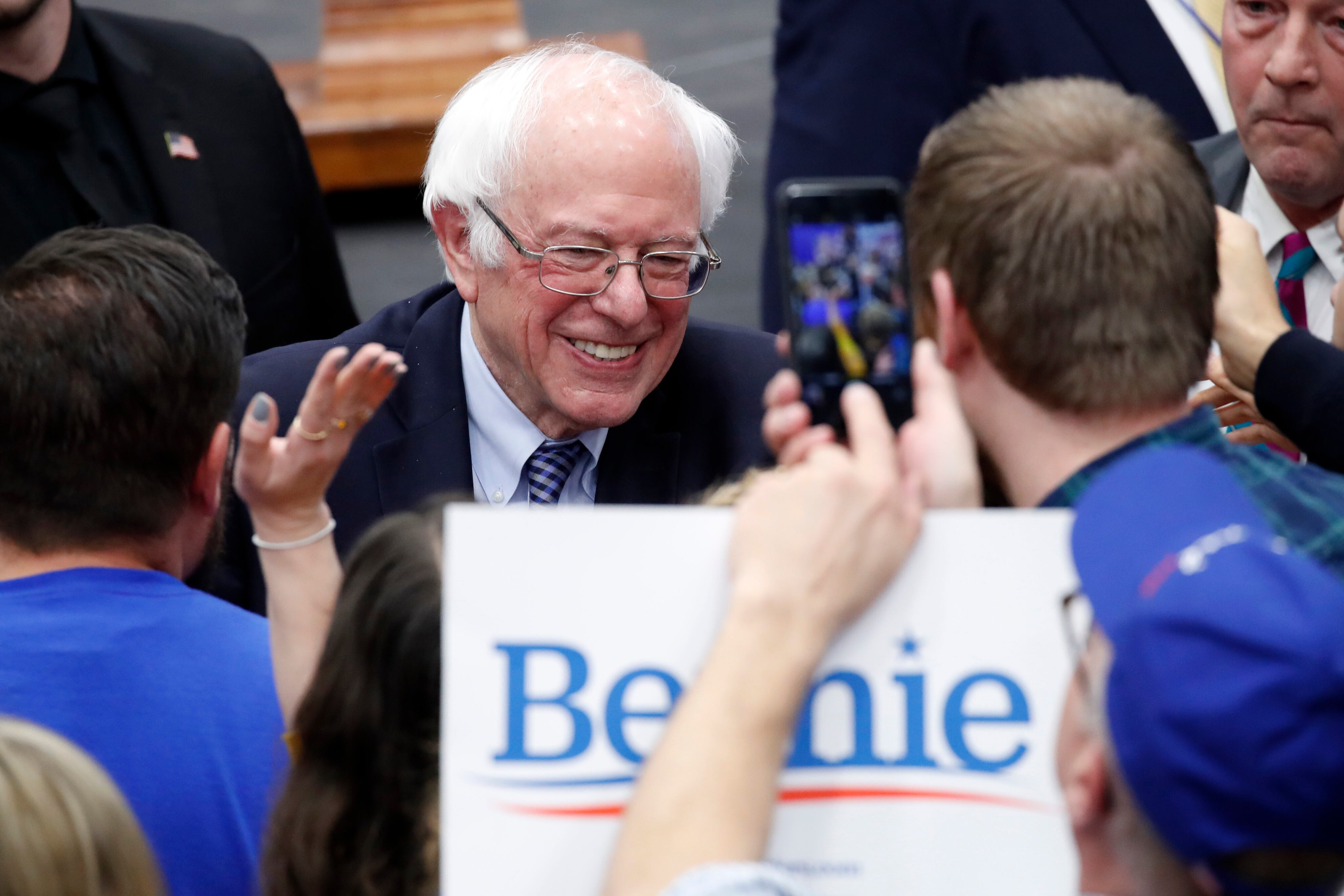
Vermont Senator Bernie Sanders declared victory in New Hampshire’s first-in-the-nation primary late Tuesday, maintaining a slim lead over former South Bend Mayor Pete Buttigieg. Minnesota Senator Amy Klobuchar ended the night with a comfortable third-place finish.
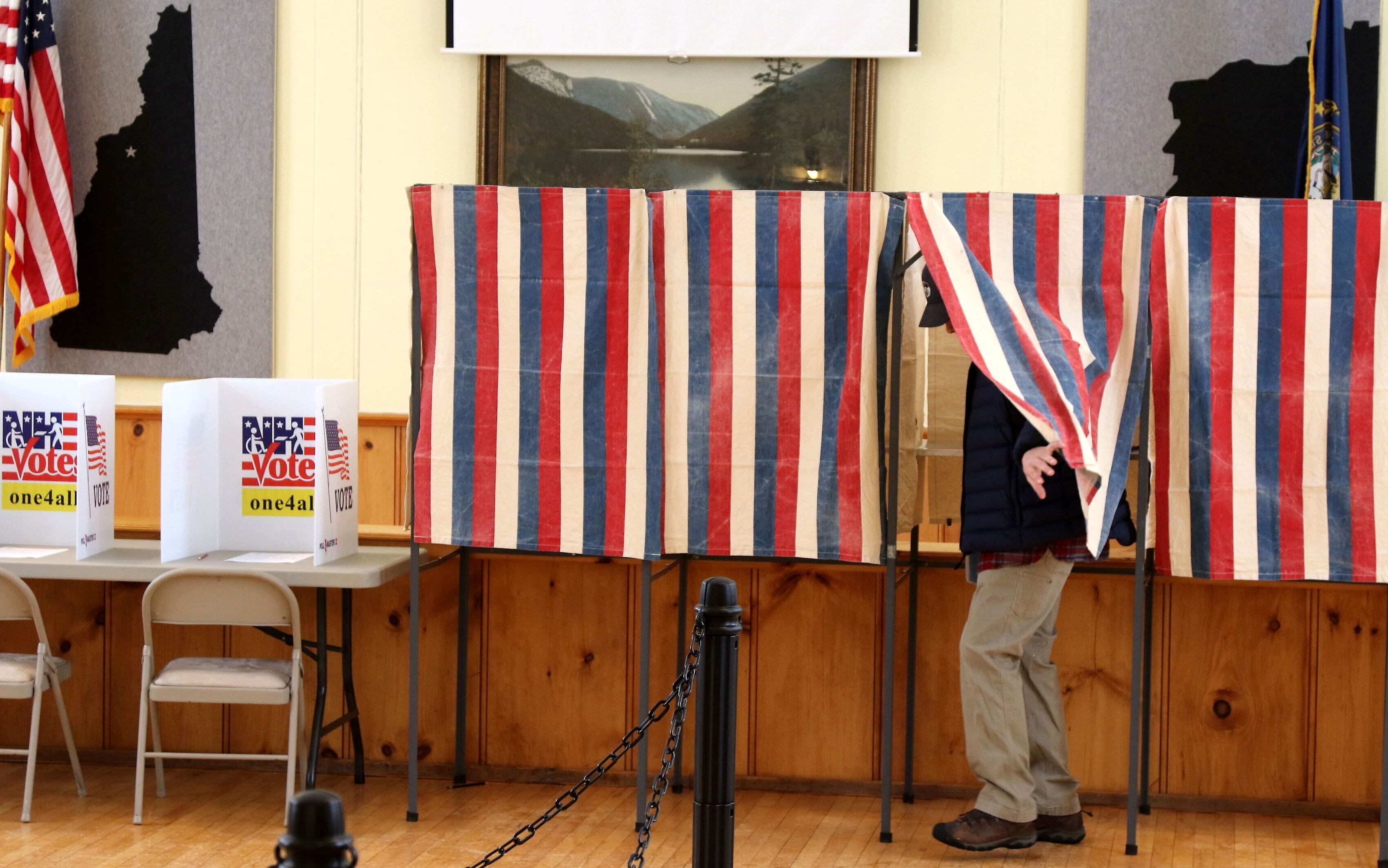
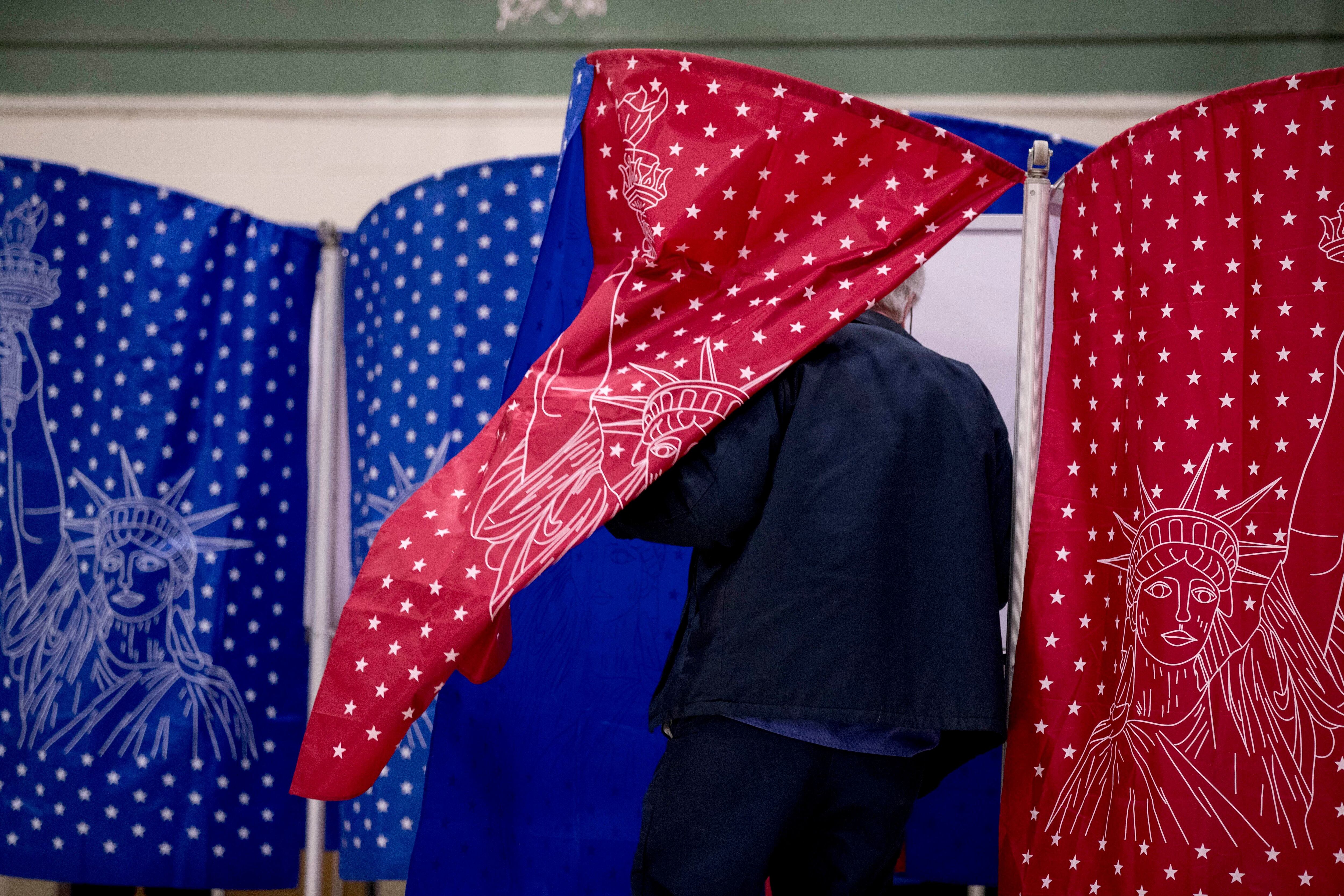
Cheddar brings you the latest updates on the New Hampshire primary
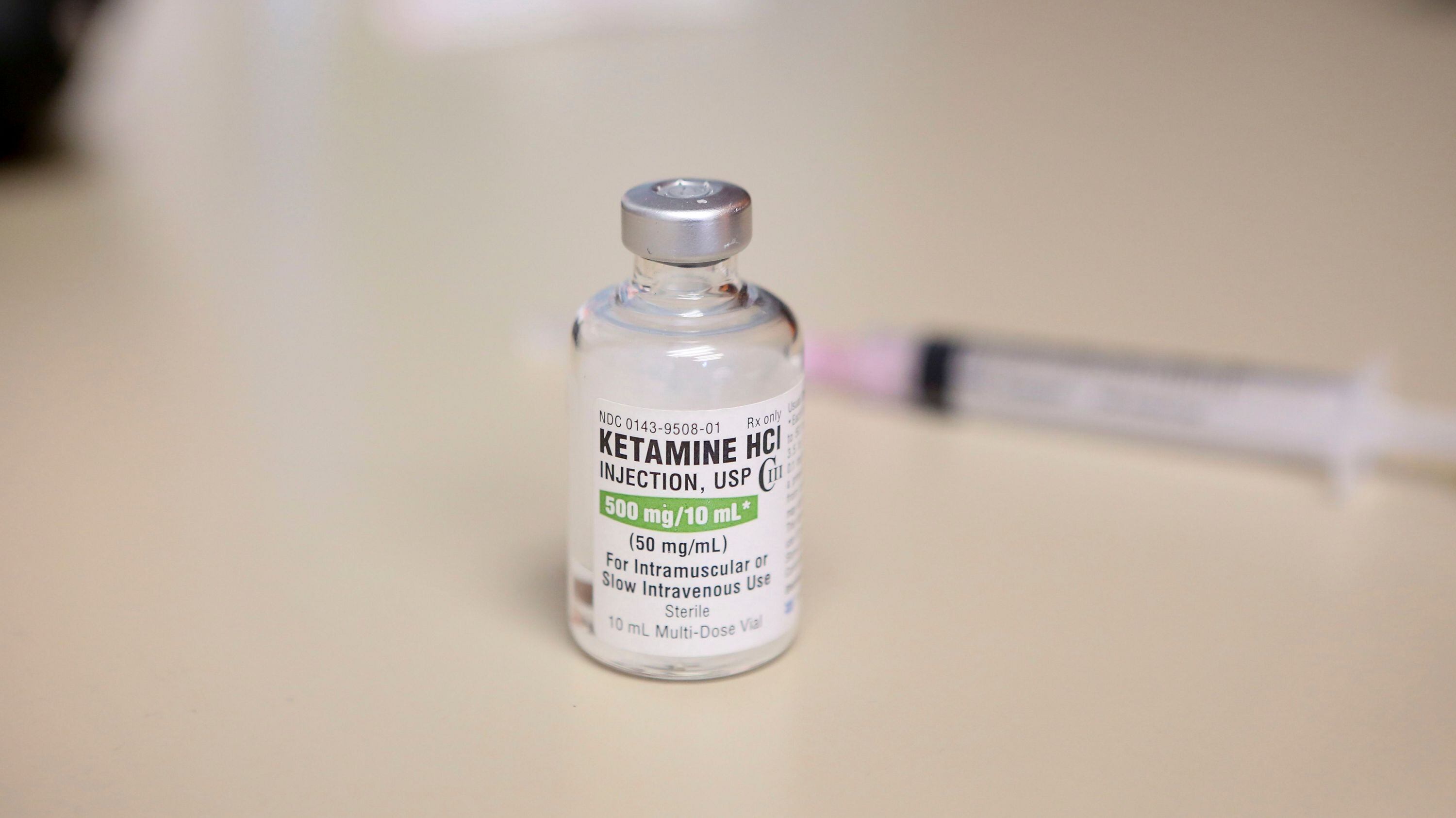
CEO Ronan Levy made comments regarding opportunities for psychedelics following a fundraise of $8.5 million by Field Trip.
Sec. Ryan McCarthy, a former Army Ranger and Lockheed Martin executive, told Cheddar in an interview on Tuesday that "the border wall is a national security issue."
Democrats and Republicans in the Granite State are finding themselves in agreement on opening its border with Canada to import cheaper drugs for its citizens suffering under onerous domestic pricing issues.
World Health Organization's leader Dr. Tedros Adhanom Ghebreyesys revealed the name of the disease currently afflicting China and other parts of the world: COVID-19 (a mashup of "Coronavirus Disease 2019).
Revelstoke Coffee in Concord, N.H., has become an important pitstop this year for presidential candidates, giving locals a chance to meet with those vying for their votes.
Federal Reserve Chairman Jerome Powell says the U.S. economy appears durable with steady growth and unemployment near a half-century low but faces risks from the broadening viral outbreak that began in China.
These are the headlines you Need 2 Know for Tuesday, February 11, 2020
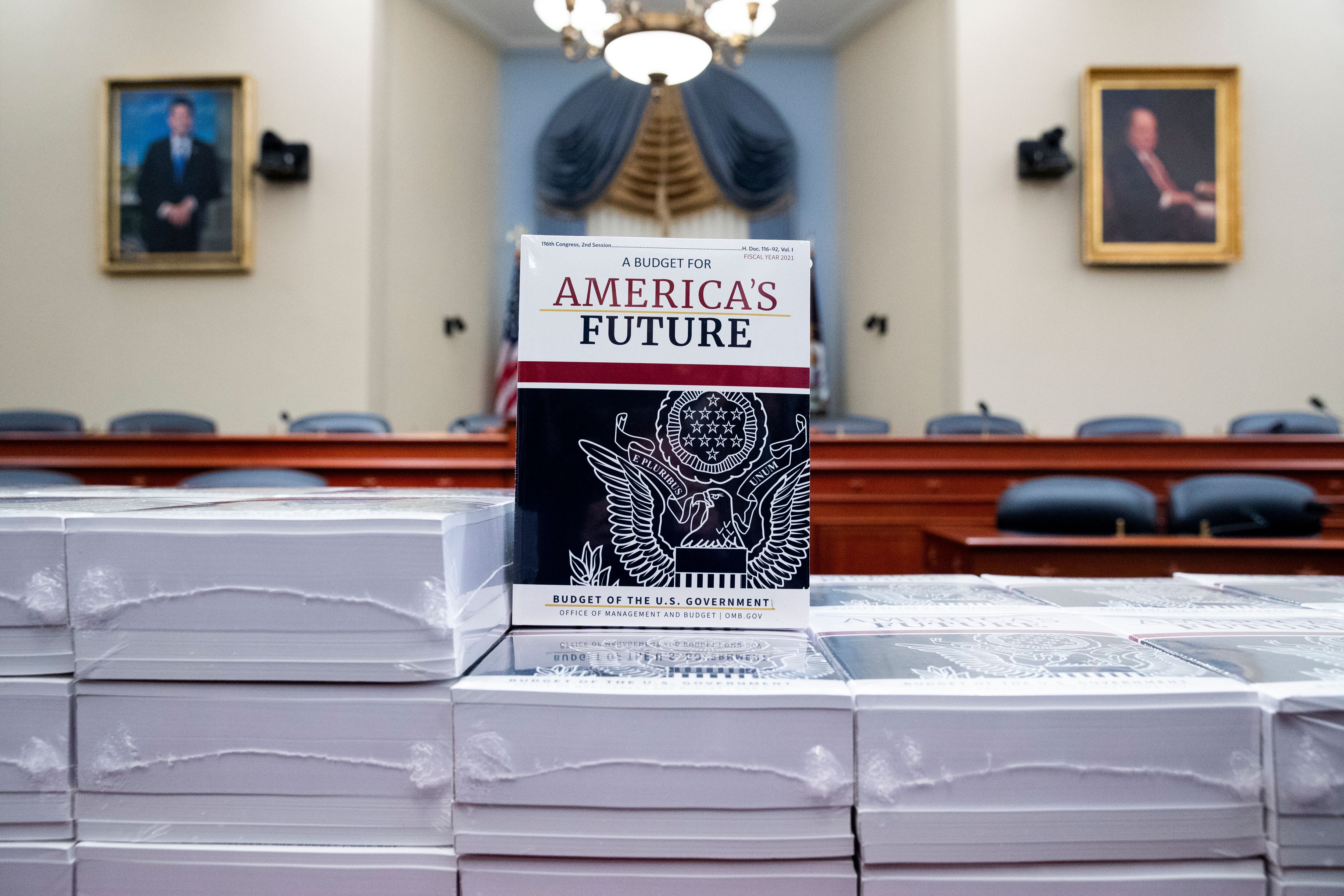
The plan proposes increasing military spending slightly and lowering non-defense spending, seemingly bucking the agreement made by Congressional leaders and the White House this summer that passed both chambers with bipartisan support.