Chief Economic Adviser Gary Cohn is resigning after President Trump doubled down on his commitment to steel and aluminum tariffs - a move Cohn strongly opposed.
Todd Hitt, CEO of Kiddar Capital, and Eric Boehm, Reporter at Reason.com, discuss the effect that Cohn's departure could have on the White House. Without Cohn, the White House is losing one of its biggest globalist voices.
President Trump is committed to implementing steel and aluminum tariffs. According Axios' Jonathan Swan, the president could put announce those proposals as soon as tomorrow.
The Senate Select Committee on Intelligence concluded its hearing on the massive SolarWinds hack.
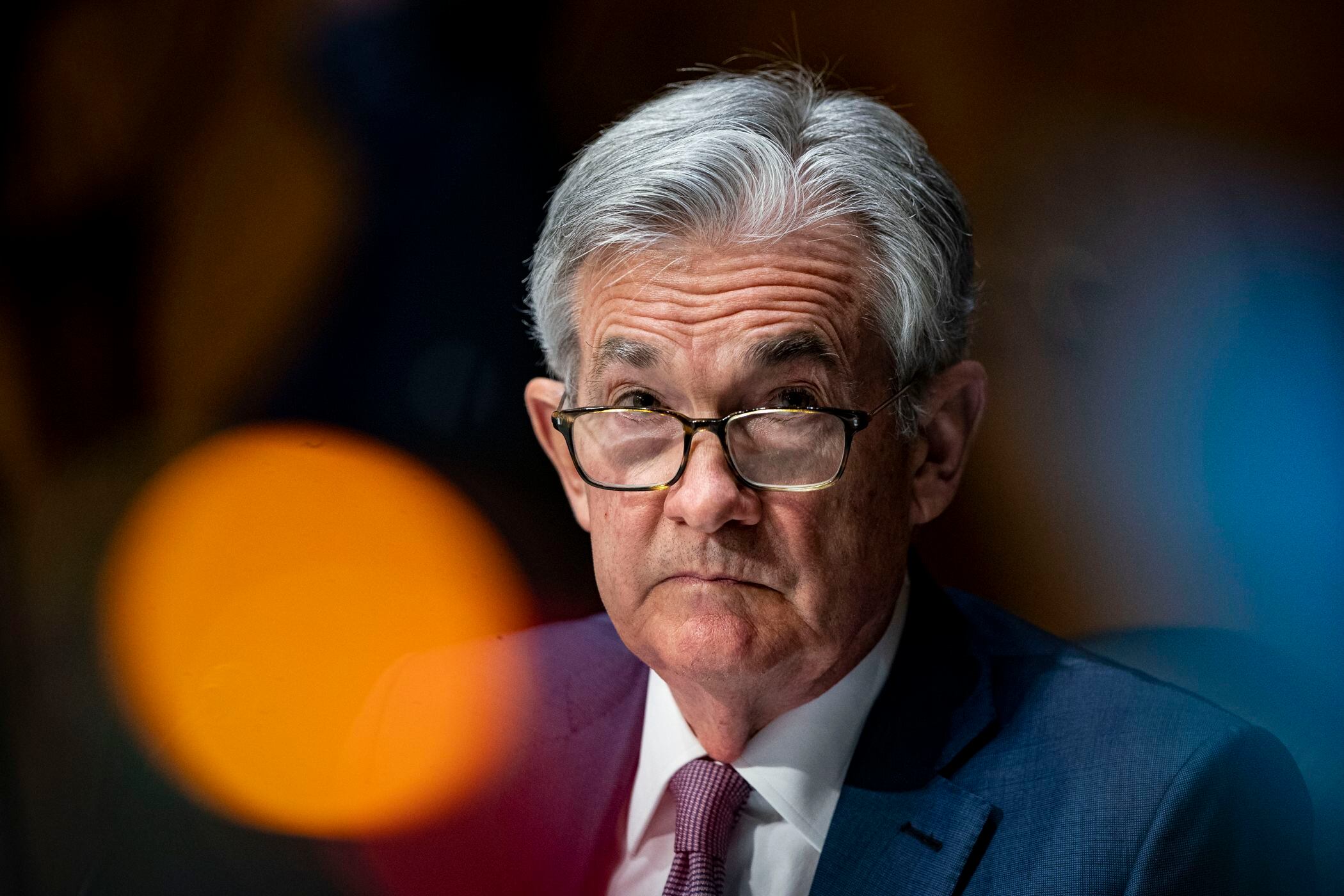
Federal Reserve Chair Jerome Powell underscored the U.S. economy’s ongoing weakness Tuesday in remarks that suggested that the Fed sees no need to alter its ultra-low interest rate policies anytime soon.
Facebook says it will lift a ban on Australians viewing and sharing news on its platform after it struck a deal with the government on proposed legislation that would make digital giants pay for journalism.
Advertising analytics company DoubleVerify found in a report that there was a 21 percent increase in "inflammatory news and political content" on websites following January 6.
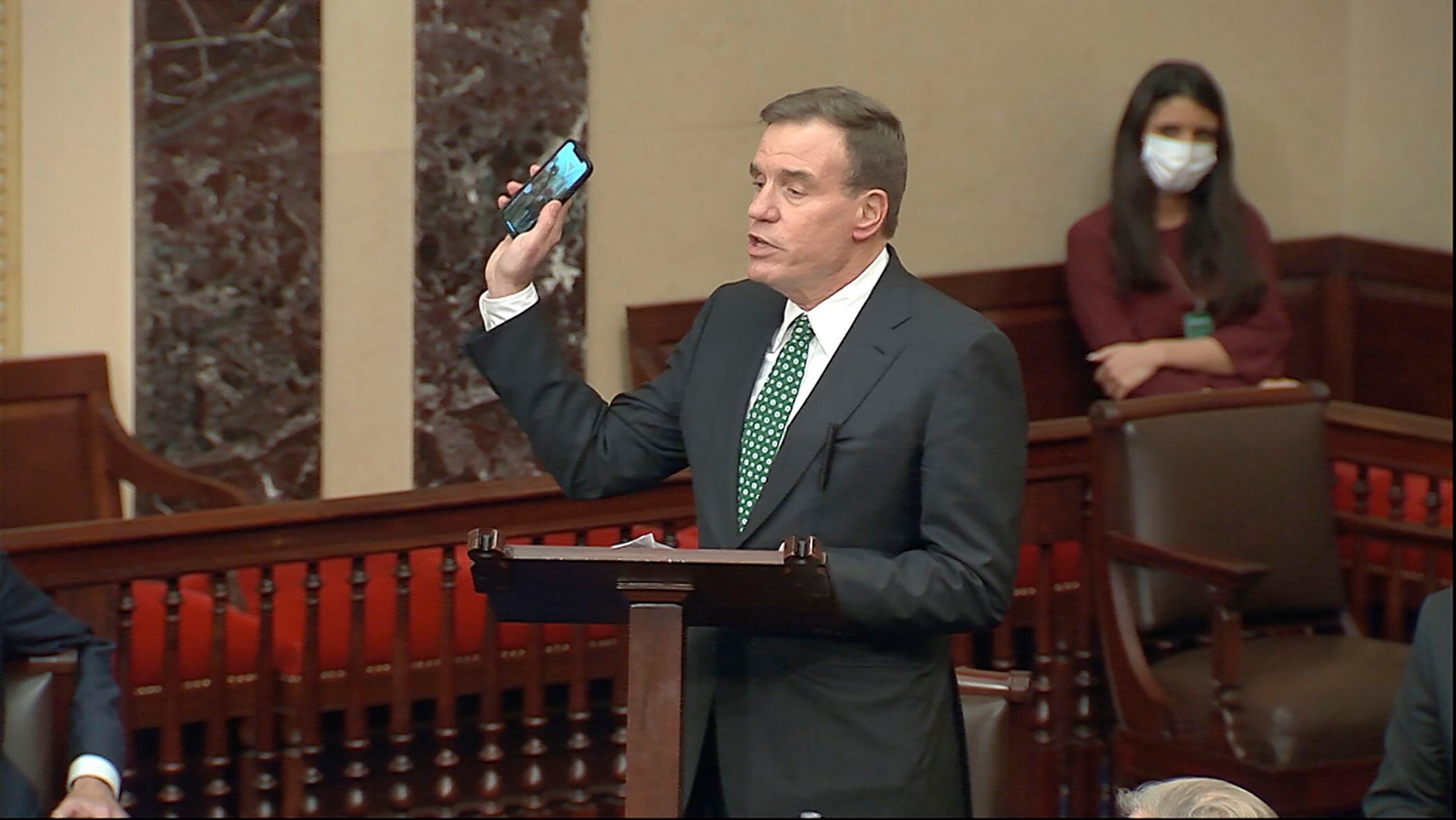
Sen. Mark Warner (D-Va.) discussed the need for stronger cybersecurity measures for the U.S. prior to the Senate Intelligence Committee hearing on the SolarWinds data breaches in 2020.
The COVID-19 death toll in the U.S. has topped 500,000, all but matching the number of Americans killed in World War II, Korea, and Vietnam combined.
The Celtics and Vistaprint have partnered on the #PowerForward campaign that sets out to provide small, Black-owned businesses in the Boston area $25,000 grants.
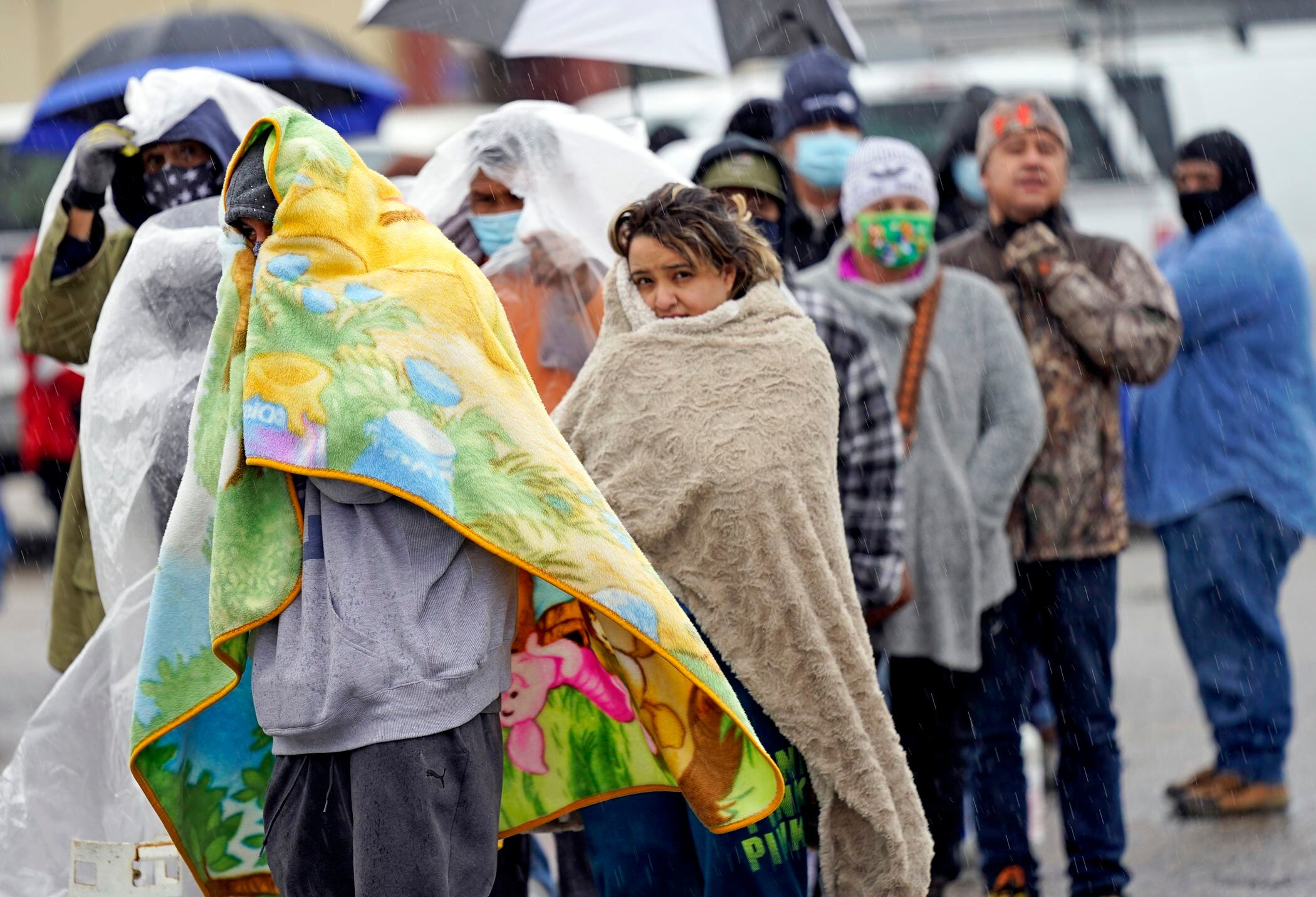
500K Covid Deaths, Texas Utility Bills & Arctic Milestone
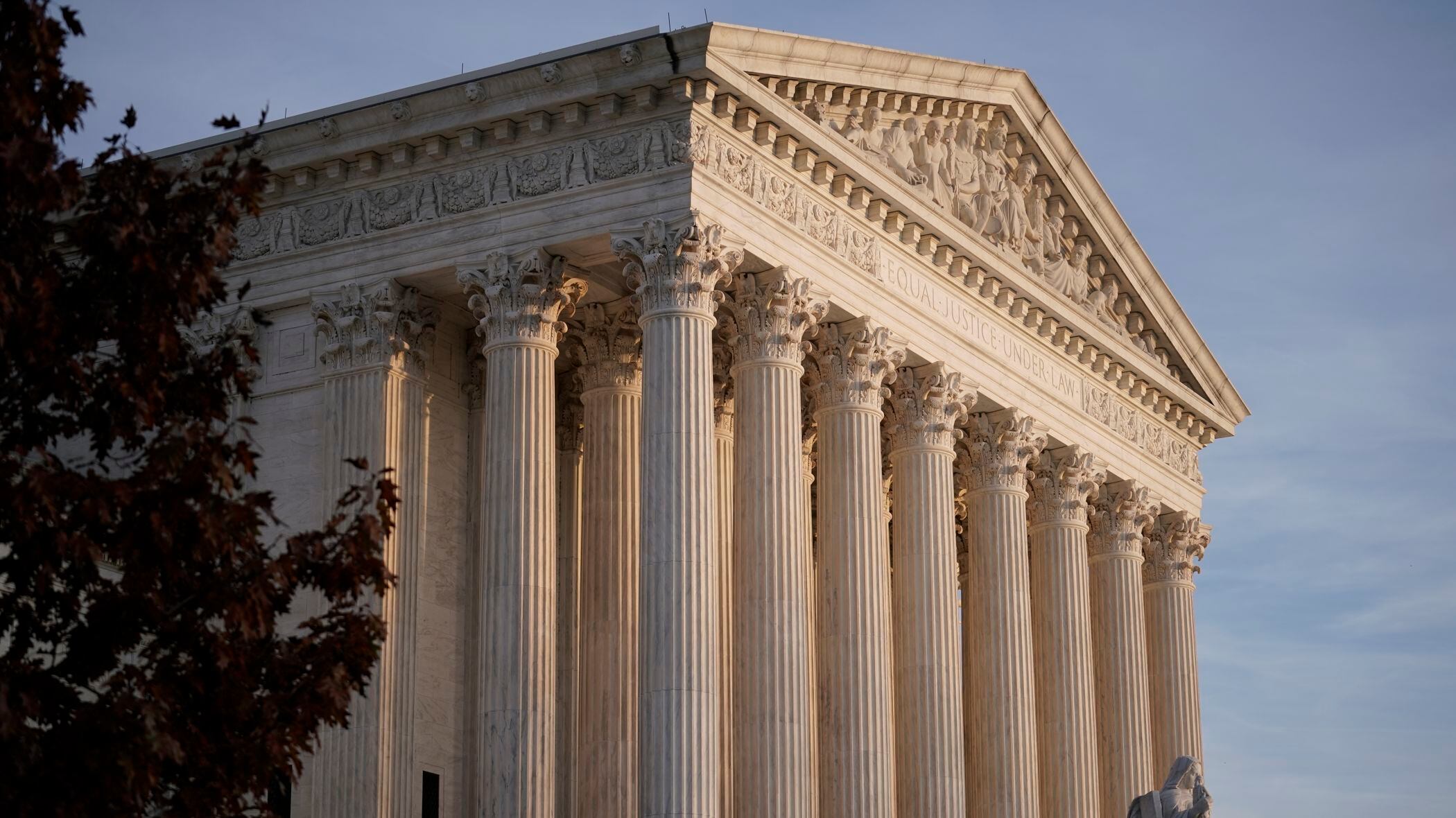
In a significant defeat for former President Donald Trump, the Supreme Court is declining to step in to halt the turnover of his tax records to a New York state prosecutor.
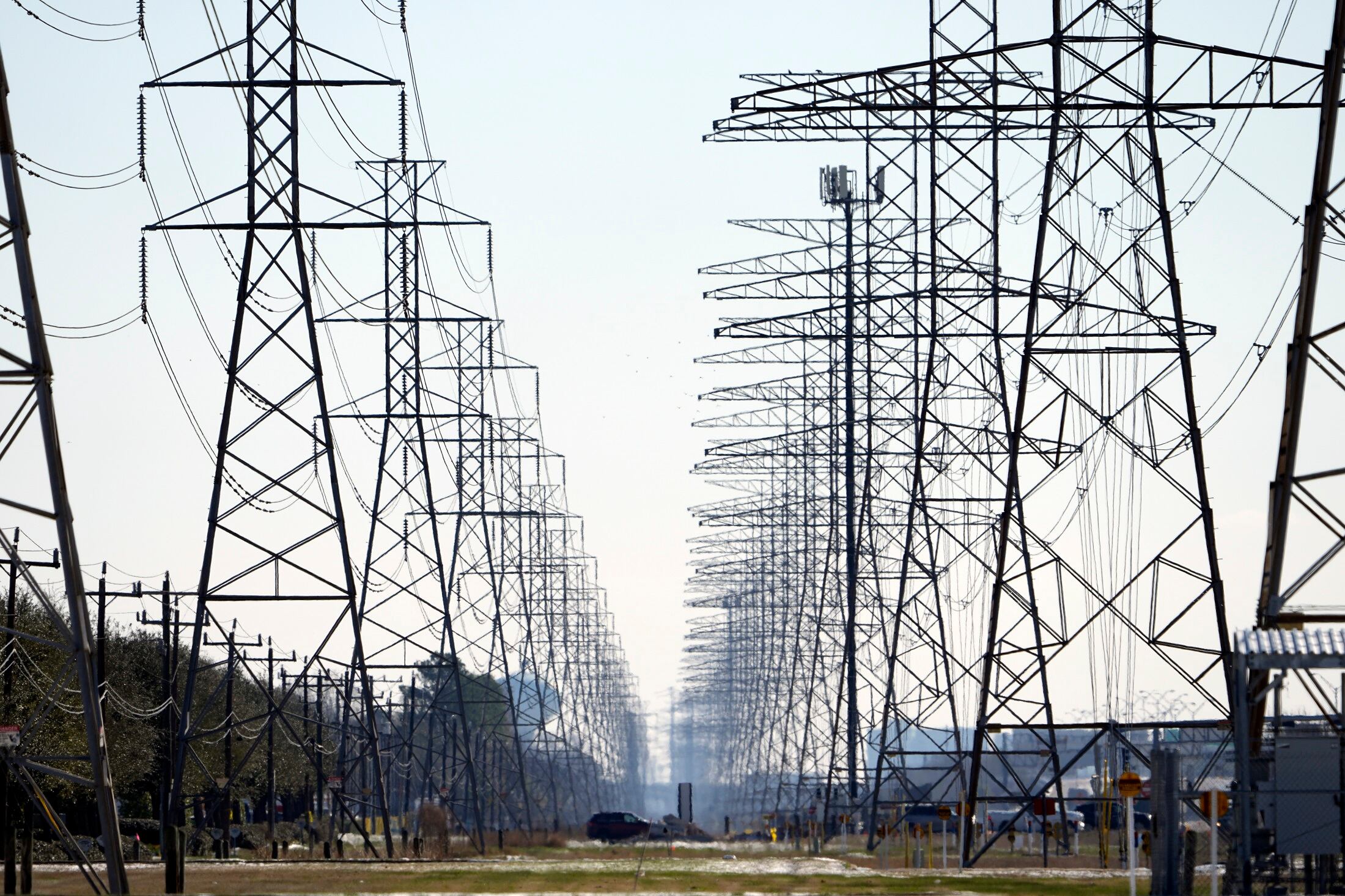
The surge in pricing is hitting people who have chosen to pay wholesale prices for their power, which is typically cheaper than paying fixed rates during good weather, but can spike when there’s high demand for electricity.