It's been seven months since Travis Kalanick gave up the helm of Uber, but what did those last days or weeks look like for the disgraced CEO? Brad Stone, Senior Executive Editor for Technology at Bloomberg News and Author of "The Upstarts" joins The Hive to discuss the strange world of Travis Kalanick.
Stone describes an insider's account of when Kalanick was shown the video of himself yelling at an Uber driver. The source said Kalanick rolled around on the floor muttering "This is bad." Stone also explores what took the board so long to realize that Kalanick was the company's main problem.
So is Kalanick fiercely loyal or unbelievably stubborn? Why did it take so long for him to relinquish control? Stone says what he was most surprised about was Kalanick's decision-making towards the end of his time at Uber. The first few years were filled with good decisions that forced the company to expand. However, at the end, Kalanick's decision-making took a turn and was ultimetly his demise.
Ian Rogers, Chief Experience Officer, Ledger, joins Cheddar News to discuss innovation in crypto security, and why a hardware wallet is a critical tool for protecting digital assets.
Carlo and Baker cover the latest developments after a devastating tornado outbreak over the weekend, plus an eye on Omicron and inflation, and not even Spielberg can save the box office.
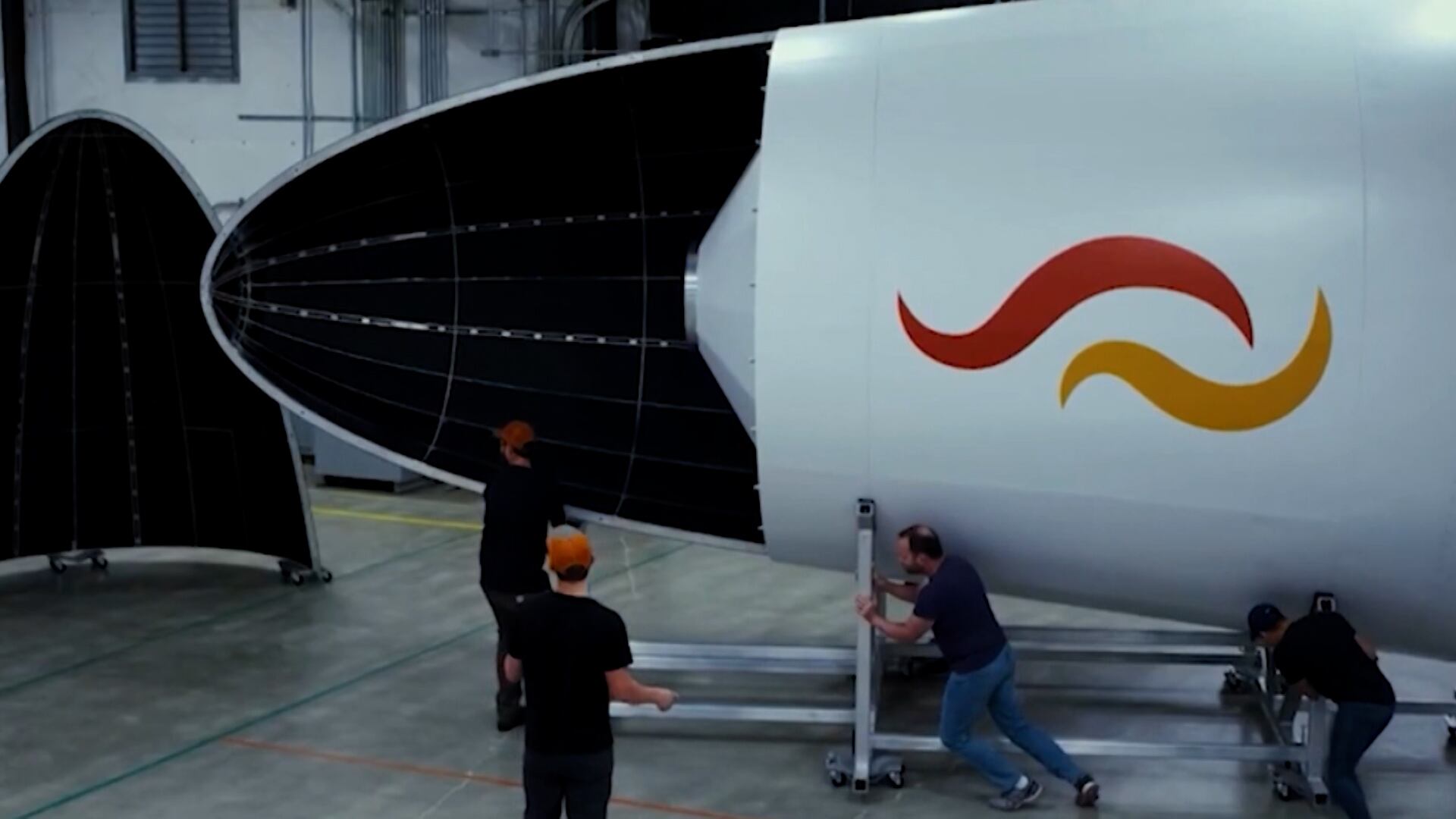
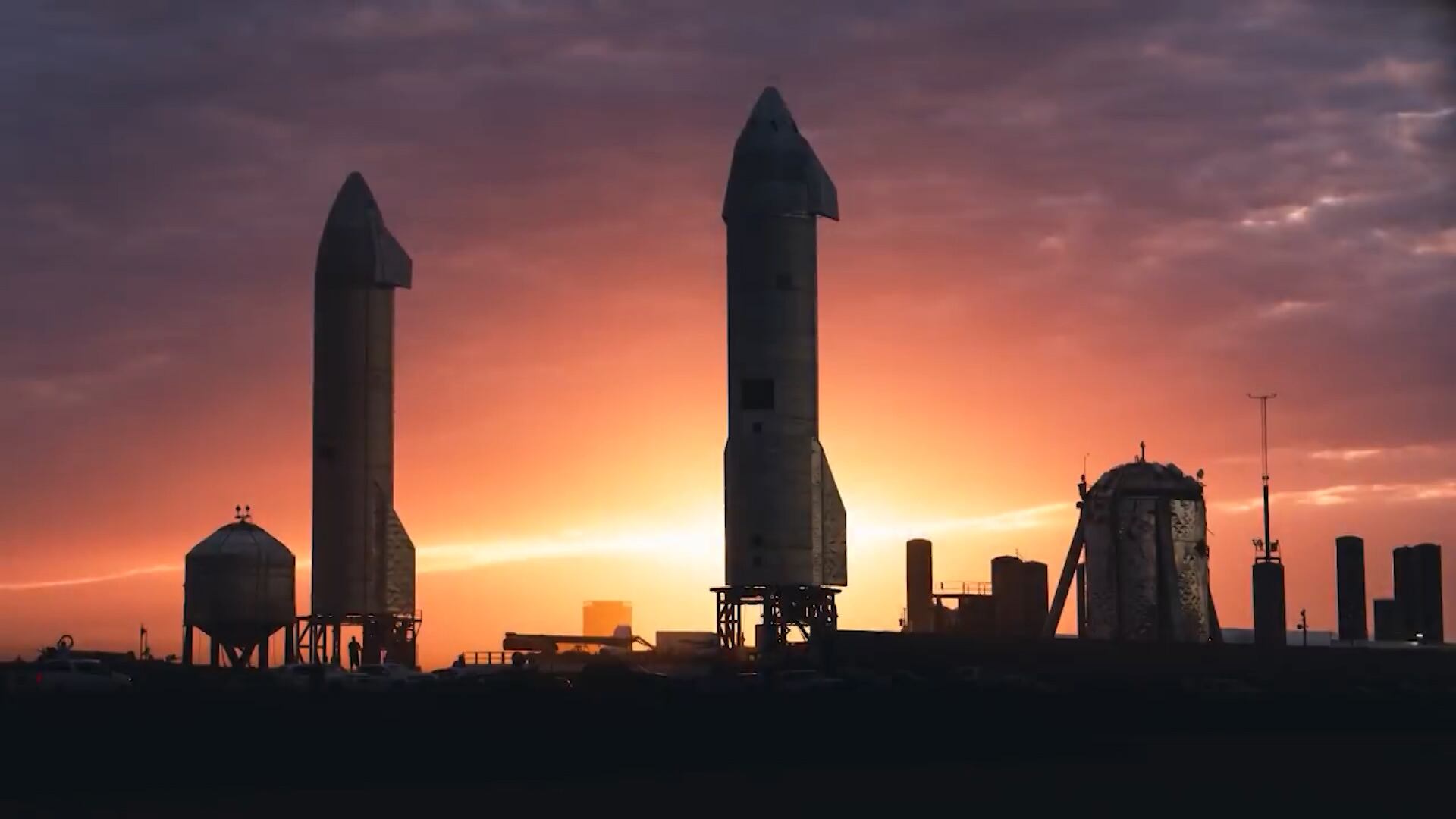
Reusable rocket developer Stoke Space Technologies raised $65 million in a Series A round led by Breakthrough Energy Ventures, a firm founded by Bill Gates. Stoke says its reusable rockets provide the satellite industry with low-cost, on-demand access to and from orbit. As companies like SpacX and Blue Origin are also making commitments to rocket reusability, Stoke says it is taking a different approach with a system designed to be 100% reusable, comprised of rockets designed to fly daily, like an airplane. Stoke co-founder and CEO Andy Lapsa joins Cheddar News' Closing Bell to discuss.
Humans are set to return to a place we have not been in nearly 50 years: the moon. NASA's Artemis program is expected to have astronauts back on the lunar surface by 2025. NASA says it will use what it learns on the moon to take the next giant leap - sending the first astronauts to Mars. The Artemis program also includes contributions from private companies like SpaceX, as well as academic research institutions like Georgia Tech. Georgia Tech professor of practice and former NASA astronaut Sandra Magnus joins Future of Space: Humankind's Leap Forward to discuss.