It's been seven months since Travis Kalanick gave up the helm of Uber, but what did those last days or weeks look like for the disgraced CEO? Brad Stone, Senior Executive Editor for Technology at Bloomberg News and Author of "The Upstarts" joins The Hive to discuss the strange world of Travis Kalanick.
Stone describes an insider's account of when Kalanick was shown the video of himself yelling at an Uber driver. The source said Kalanick rolled around on the floor muttering "This is bad." Stone also explores what took the board so long to realize that Kalanick was the company's main problem.
So is Kalanick fiercely loyal or unbelievably stubborn? Why did it take so long for him to relinquish control? Stone says what he was most surprised about was Kalanick's decision-making towards the end of his time at Uber. The first few years were filled with good decisions that forced the company to expand. However, at the end, Kalanick's decision-making took a turn and was ultimetly his demise.
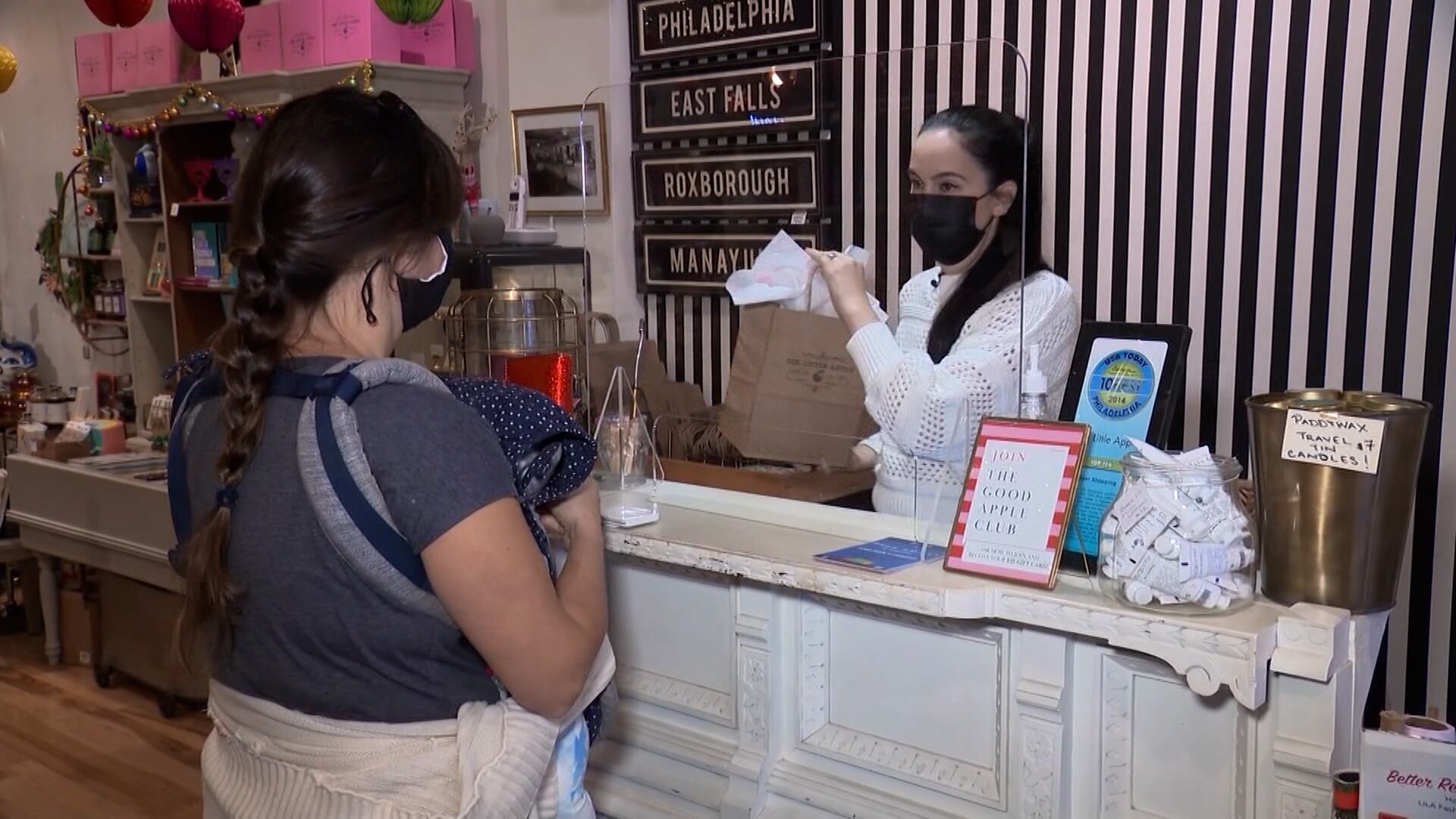
With only two days left until Christmas, last-minute shoppers are facing major issues caused by supply chain shortages and the rising omicron variant. Kristen Gall, president of Rakuten Rewards, joins Cheddar News to discuss.
Supply chain issues have become one of the biggest roadblocks for the U.S. EV market, with production woes likely to stunt the industry's growth in 2022. Rich Steinberg, electric vehicle expert and industry advisor, told Cheddar that the Biden administration investing in domestic mining for essential minerals used in battery manufacturing — such as lithium — could help alleviate the bottlenecks. "Some of those same materials are available domestically, they just haven't been prioritized," he said, noting the paradox between green tech and "dirty" mining. "The good news is that there are ways to extract those materials cleanly."
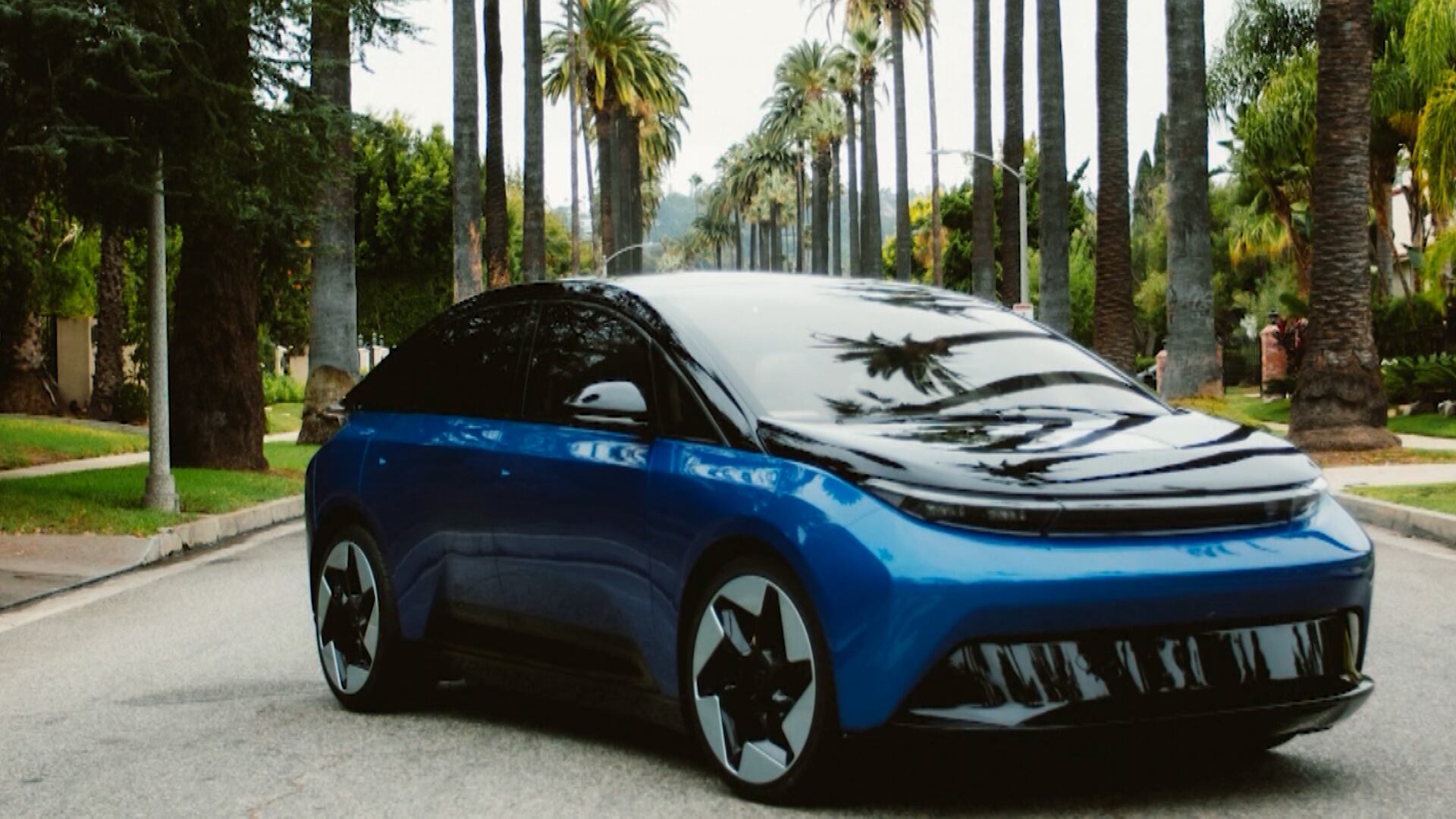
California-based startup Indi EV is gearing up to release its first crossover vehicle incorporating a supercomputer that will allow, among other things, gaming. Andre Hudson, head of design at Indi EV, joined Cheddar to talk about the launch of the Indi One and how the company is distinguishing itself from leaders in the EV space like Tesla. He also talked about the tech behind the Indi One and noted that the car's computer system will enable people to run applications and even create their own. "As a company, we fundamentally saw a major disconnect between how people transition into their cars using the digital devices in their life," Hudson said
Cheddar is looking back at the 12 biggest buzzwords of the year leading up to Christmas. The term for Day 12 is Web3. Definition: (noun) Also known as Web 3.0, a version of the internet where data is decentralized and based on peer-to-peer technologies.
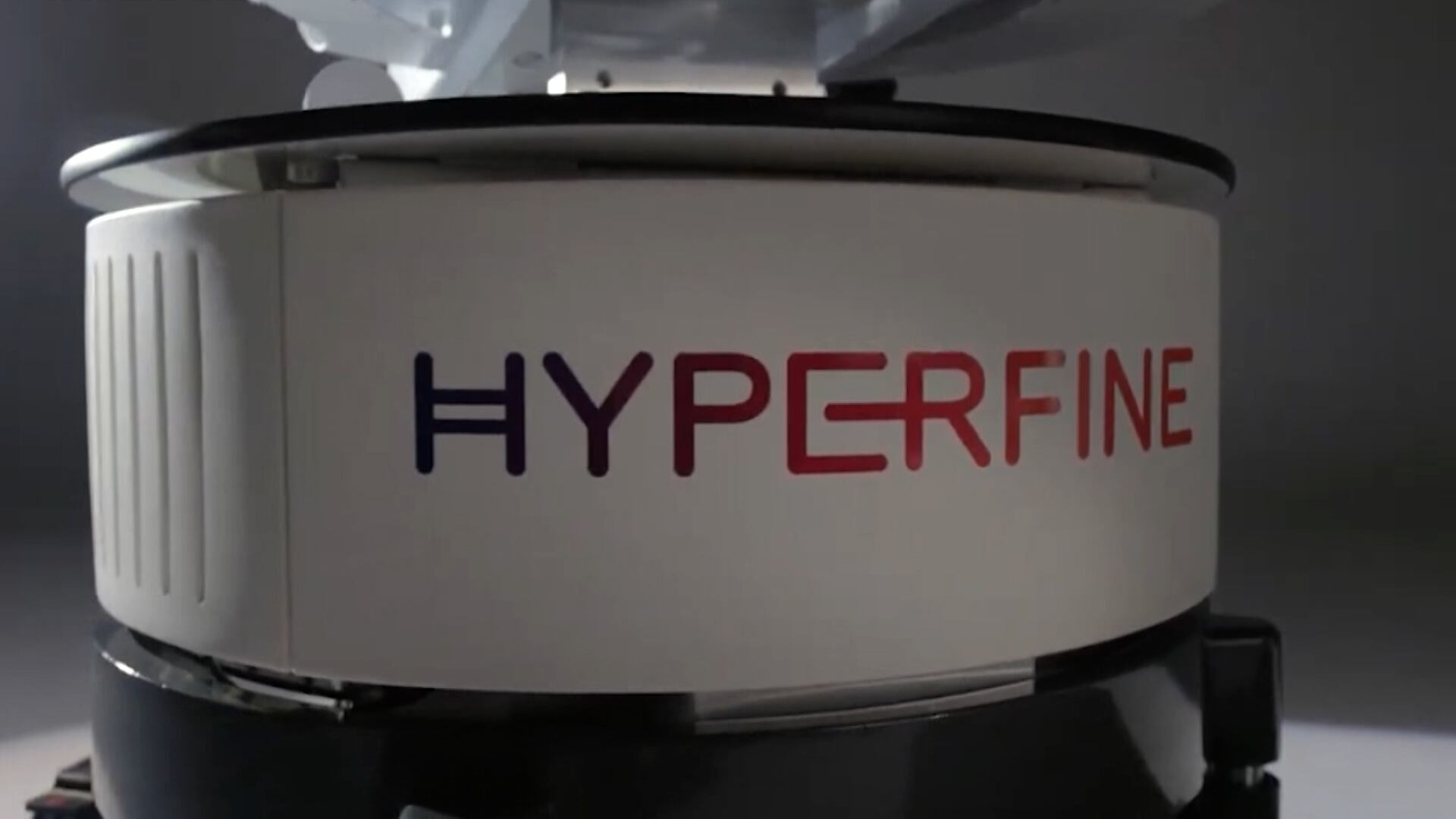
Hyperfine, the pioneer of the very first FDA-approved portable MRI device, made its public debut on the Nasdaq via a SPAC merger. CEO Dave Scott joined Cheddar's "Opening Bell" to discuss the IPO launch, the company's valuation at $580 million, and the impact of its machine called Swoop. "We can roll an MRI system, our MRI Swoop system, right into the room where you are, right up to your patient bedside, and scan you right there and get an image in less than an hour," he explained.
Social media platform TikTok was the most visited website in 2021, topping Google, Facebook, Microsoft, and Apple, according to IT security company Cloudflare.
AdTheorent just the latest company to go public via a SPAC. The company specializes in digital advertising, using AI and machine learning as a tool to move marketing forward. AdTheorent to close its SPAC merger with MCAP Acquisition today and will trade on the Nasdaq under the ticker symbol ADTH. CEO Jim Lawson spoke with Cheddar ahead of the move.