From Wall Street to Silicon Valley, these are the top stories that moved markets and had investors, business leaders, and entrepreneurs talking this week on Cheddar.
STOCKS FALTER ON FED, TECH STRUGGLES
U.S. stocks ended the week down as investors continued to digest mid-week comments from the Fed about the medium-to-long-term outlook for the economy. On the one hand, Fed Chair Jerome Powell said, the economic conditions are improving at a faster clip than he — and many others — thought earlier this year. On the other, interest rates will need to remain near zero through 2023 to keep the recovery moving. The FOMC cut its GDP prediction to -3.7 percent, a far cry from the June estimate that the country would end 2020 with -6.5 GDP growth. The tech sector stumbled, despite a pair of fresh-faced IPOs hitting the public markets (more on that below). Other economic data of note: the recovery in retail continues, though sales slowed in August, and weekly jobless claims were a touch lower than expected, with 860,000 Americans filing for benefits, down from 893,000 a week earlier.
TIKT-ORACLE: WHERE THINGS STAND
By the time you read this, the situation with TikTok will probably have changed. The extremely fluid acquisition/partnership/spinoff was expected to have Oracle taking over U.S. operations of the Bytedance-owned social app. Microsoft's bid was rejected outright, though presumed Microsoft partner Walmart is reportedly still in the running for a minority stake. But a stake in what? The original plan called for ByteDance selling TikTok in the U.S. outright — that's what Microsoft was angling for — but the deal with Oracle appears to be more of a partnership, with Oracle essentially tapped to ensure data security for American users. Regardless, any deal may be less imminent than it looked at the beginning of the week. On Friday, the Commerce Dept. announced that U.S. users would no longer be able to download TikTok (or Tencent's WeChat, for that matter) after Sunday. That will have the effect of degrading service for anyone with the app already installed, as updates will no longer become available.
TECH IPO BLIZZARD
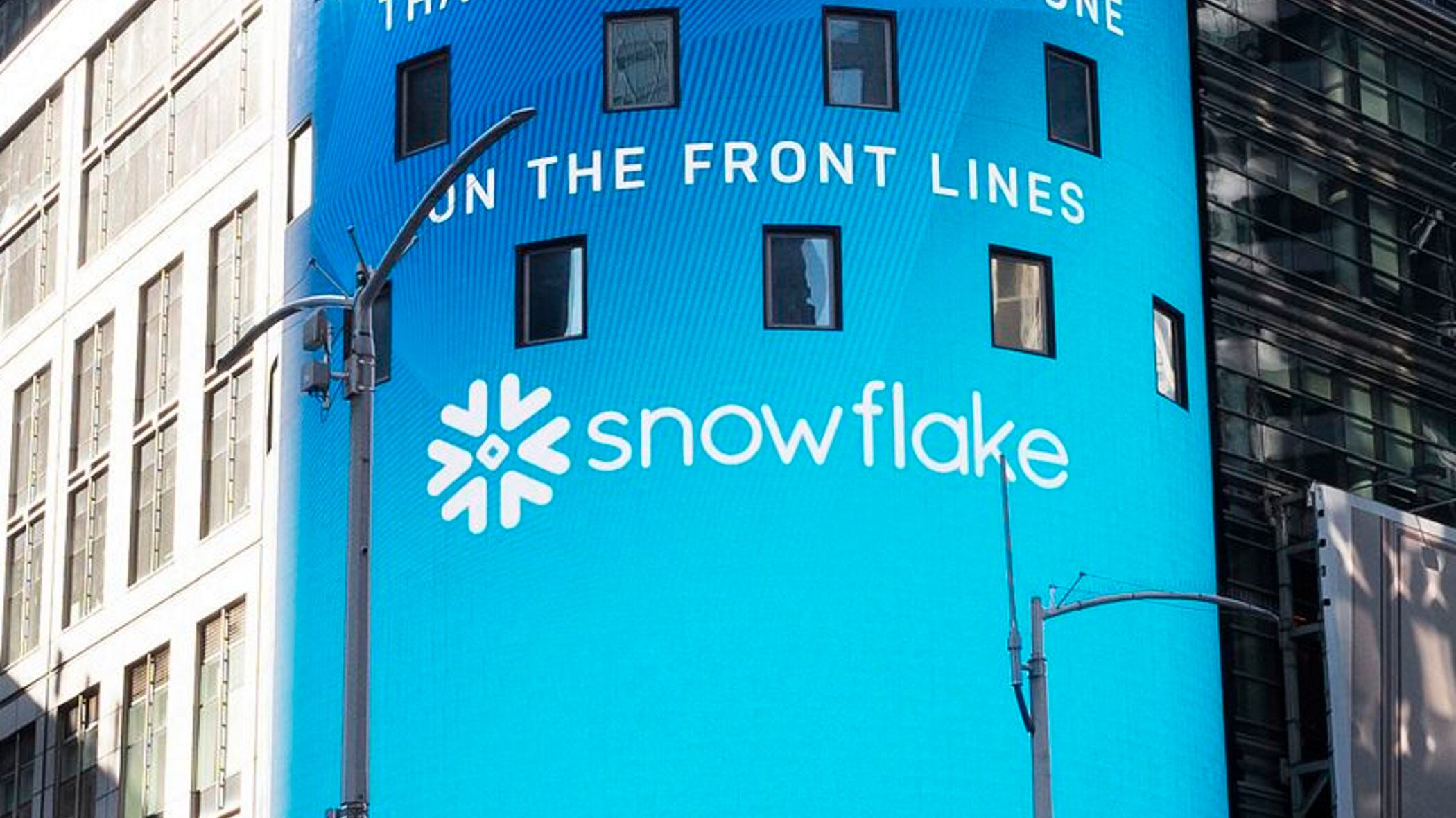
Snowflake, a pure-play on cloud computing, made history this week as the biggest-ever software IPO. Shares of Snowflake, trading under the ticker SNOW, more than doubled in their NYSE debut Wednesday, opening at $245 per share after pricing above the marketed range at $120. After its first day of trading, Snowflake was valued at $70 billion. The company lets businesses store and analyze data in the cloud and has the backing of Salesforce and Warren Buffett. Investors could barely take stock of Snowflake's impressive open before Unity Software priced its own offering at the top of the expected range — $52 — and then opened at $75, although it ended its first day down. Unity, well known in the world of gaming and esports, makes video-game development software.
NEW APPLE GEAR
Apple unveiled a slew of new hardware and software products, including a new entry-level iPad, new iPad Air, two new Apple Watches, a fitness service for Watch users, and a three-tiered bundle that puts Apple Music, iCloud, and other recurring services under the roof of one subscription. That bundle, called Apple One, is already facing criticism that it's anti-competitive. Spotify immediately blasted the recurring-revenue service as something that will "cause irreparable harm to the developer community." Now the focus turns to the iPhone. The conventional wisdom among Apple-watchers is that the company will announce a new flagship phone, probably called the iPhone 12, in October and that it will come with some 5G capability. Apple usually launches its new iPhones in September, but the pandemic delayed their timeline by a few weeks.
BOEING SLAMMED BY CONGRESS
Boeing, which was having a bad run even before the pandemic decimated air travel, was hit this week by a scathing congressional report over the issues that preceded the two deadly 737 Max crashes that led to that plane being grounded worldwide. The House Transportation Committee put the blame for those disasters squarely on Boeing and the FAA, calling them a "horrific culmination" of errors and lack of transparency and oversight. Still, a report in Bloomberg that the NTSB has given the go-ahead on Boeing's proposed fixes for the jet could signal that the beleaguered Max may be inching closer to flying again.