From Wall Street to Silicon Valley, these are the top stories that moved markets and had investors, business leaders, and entrepreneurs talking this week on Cheddar.
MARKET RALLY: Even with the Good Friday holiday shortening the trading week, stocks in the U.S. still managed to pull off some of their biggest wins ever in just four days. The S&P 500 notched its best week since 1974, and the Dow narrowly missed its best since 1938, despite a continuing cascade of disastrous economic data as the coronavirus pandemic all but shut down the American economy for the better part of the last month. The S&P is now 27 percent above the 52-week low it hit on March 23, though the index is still down more than 13 percent year-to-date and remains on pace for its worst year since the financial crisis of 2008.
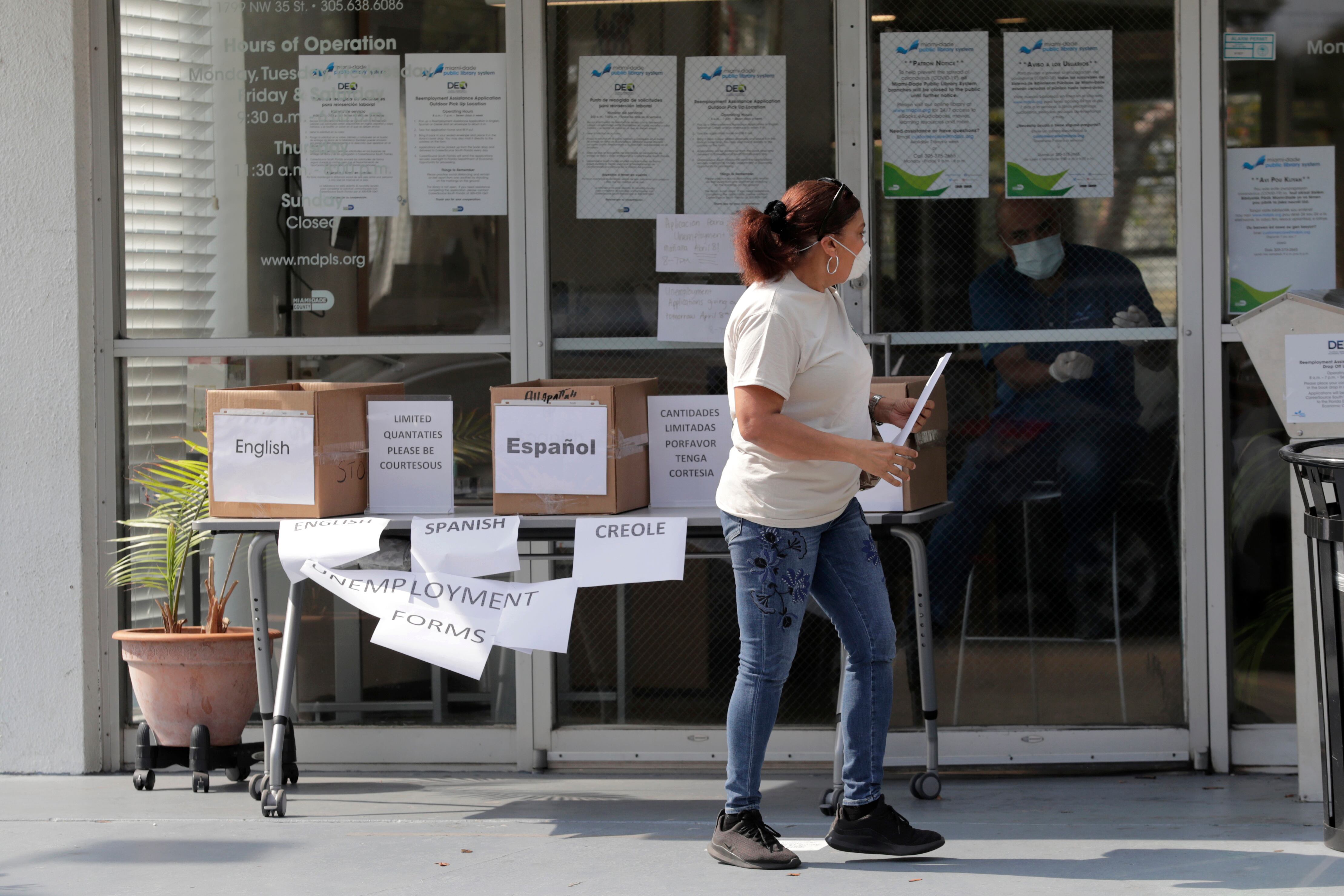
LABOR DISASTER ACCELERATES: Stocks put on a rally the same day that weekly unemployment claims showed another 6.6 million people lost their jobs last week. That's on top of the 6.9 million people who filed for benefits the week prior, and the 3.3 million the week prior to that. Taken together, 16.8 million Americans ー about one in 10 working people ー have filed for unemployment in the last three weeks.
FED TO THE RESCUE? One of the main reasons markets rallied despite those grim numbers: the Federal Reserve. Moments after the weekly jobless claims were released, the central bank announced an unprecedented expansion of its lending program to the tune of $2.3 trillion. The new round of firepower is meant to provide a backstop for small and mid-sized businesses, as well as states and municipalities struggling with cash flow issues amid an all-hands-on-deck moment for their essential employees and services. Fed Chair Jerome Powell, who has received high marks by many economists for his swift response to the unfolding crisis, said: "The Fed's role is to provide as much relief and stability as we can during this period of constrained economic activity, and our actions today will help ensure that the eventual recovery is as vigorous as possible." The expansion of credit and lending facilities comes as the small-business loan program instituted in the federal stimulus package, known as PPP, is already nearly out of funding. Congress is negotiating on a new injection of $250 billion to keep the PPP afloat.
HISTORIC OIL DEAL HANGS IN BALANCE: OPEC and its allies, known together as OPEC+, met virtually this week to discuss what to do about the collapse of global crude prices. Saudi Arabia and Russia, in the midst of a weeks-long price war, have reportedly agreed to major production cuts that would take as much as 10 million barrels per day off the worldwide energy market. However, the deal hit a snag after Mexico said it wouldn't go along with the cuts. In response, the U.S. offered to cut its own production by 250,000 barrels to make up part of the difference between the 400,000 barrels OPEC+ requested from Mexico and the 100,000 it agreed to. A failure to come to a global resolution would leave President Trump in an extraordinary position for an American president in an election year: he must balance the impact of low gas prices ー customers reported 84 cent-a-gallon gas in parts of Minnesota this week ー against the havoc that $20-barrel crude oil is wreaking on the U.S. oil and gas industry, now that we're among the world's top exporters.
BIG TECH'S TIGHTROPE WALK: There's perhaps no better Silicon Valley company that illustrates the possibilities and the perils of how we live now than Zoom. The recently public videoconferencing company was, up until several weeks ago, a little-known enterprise software business with a stated goal of helping employers and employees connect virtually. Since the stay-home orders began, Zoom has become the way many of us keep in touch with not just our coworkers, but our friends and family; it's how we exercise and socialize, and how our children learn. Zoom says its daily active users are up 20-fold since December ー but it hasn't been smooth sailing. Because of a major security flaw that allows anyone with the URL to join any public meetings, the term "zoombombing" quickly entered the vernacular, and school districts, companies and even entire countries took the unprecedented step of banning the software over privacy risks. Zoom says it's working on a fix, but the issue may serve as a canary in the coal mine for our increased reliance on the tools of Big Tech to help us through a major crisis.