From Wall Street to Silicon Valley, these are the top stories that moved markets and had investors, business leaders, and entrepreneurs talking this week on Cheddar.
STOCKS SOAR
From the worst week since October to the best week since April. U.S. markets rocketed back into the green after a miserable week, smashing records along the way. The S&P and Nasdaq both hit all-time highs on the back of promising economic data and a bipartisan breakthrough on infrastructure announced by President Biden. The core personal consumption expenditures index — a key inflation indicator that the Fed closely monitors — rose 3.4% in May from a year earlier, the biggest spike since 1992. The core reading for the month actually came in below estimates, adding ammunition to the Fed’s working theory that the current spike in inflation is transitory. (Indeed, several indicators of inflation, from lumber futures to used-car prices, appear to have peaked). The Dow Industrials closed the week up 3.37 percent after falling 3.5 percent last week amid concerns that the Fed was getting closer to tightening its monetary policy.
CRYPTO WINTER
The price of bitcoin dropped below $30,000 on Tuesday for the first time this year and briefly turned negative on the year before rebounding. Cryptocurrencies have been taking a bath lately; ethereum was down more than 15 percent just this week, while dogecoin was down as much as 75 percent since peaking around the time Elon Musk hyped it on SNL. Coinbase, the crypto trading platform, is down close to 35 percent since it went public two months ago just as Bitcoin was hitting all-time highs. The swoon in crypto is partially the result of China ramping up its crackdown on digital currencies not endorsed by Beijing, as well as a sense that the Biden administration is going to soon prioritize new regulations (a Treasury nominee who would be in charge of enforcing financial crimes said as much at his hearing this week).
MICROSOFT'S BIG DAY
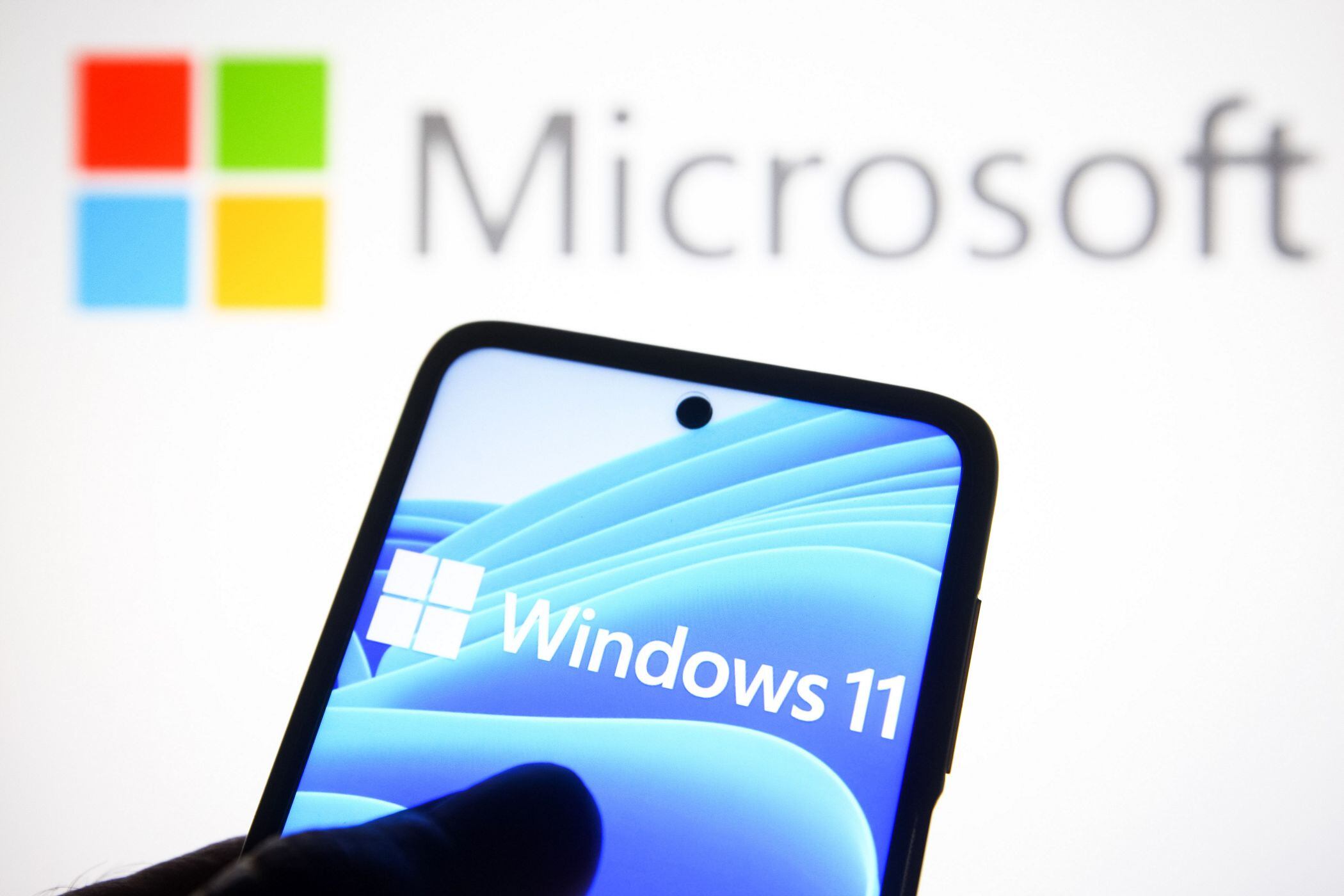
Microsoft is now worth $2 trillion, the second company behind Apple to hit the eye-popping market cap — hitting the milestone on the same day it announced the first major update to Windows since 2015. Called Windows 11, the spruced-up desktop operating system looks much different from the Windows of the past with a simplified design and interface more closely resembling what you’d see on a Mac. Windows 11 also runs Android apps, integrates with Xbox and Teams, and features performance boosts. The software is expected to launch in the fall. Microsoft shares have rallied more than 20 percent this year as it undergoes one of its biggest business transformations in a generation. The stock is up 600 percent since Satya Nadella took over in 2014.
JUST DID IT
Nike shares surged 15 percent to a new record high after blowing out its quarterly earnings. The shoe and apparel giant is forecasting full-year sales of more than $50 billion thanks to record revenue in its largest market of North America and digital sales that spiked 41 percent in the quarter, even as more brick-and-mortar retail stores opened up. Sales in China came in below estimates, which Nike chalked up to “marketplace dynamics” — code for the impact of a major Chinese boycott over some western brands, Nike included, that have mentioned the forced internment of Uyghurs in the Xinjiang region. That’s something to watch for with American retailers that rely on China’s massive consumer base: U.S. customers increasingly expect brands to speak out on human rights violations, which can often come into conflict with a company’s ability to sell goods in the region where those violations are happening.
DIGITAL MEDIA SPAC
BuzzFeed is going public at a valuation of about $1.5 billion, down from the $1.7 billion valuation it garnered in 2016. The digital-media pioneer is taking the SPAC route, merging with a so-called “blank check” company to reach the public markets rather than filing for a traditional IPO. If and when that deal closes, the company will trade under the ticker BZFD. BuzzFeed is also acquiring Complex Network, the music and pop culture site, from Verizon for $300 million as it tries to build scale to compete with Amazon, Google, and Facebook in digital advertising. BuzzFeed bought HuffPost from Verizon last year, and has flirted with other acquisitions in the increasingly crowded — and consolidating — digital media sphere as it repeatedly missed lofty revenue goals.