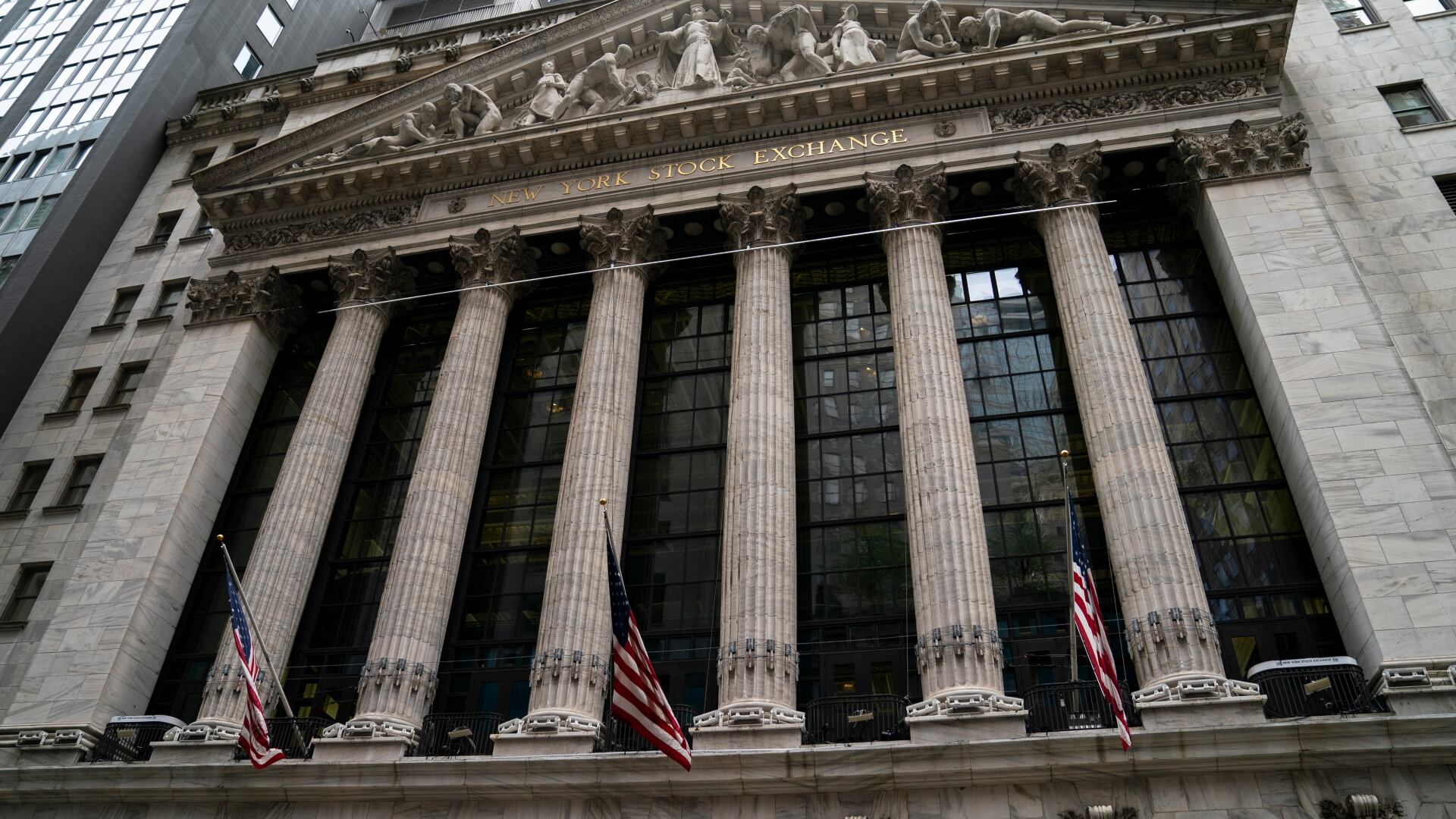
*From Wall Street to Silicon Valley, these are the top stories that moved markets and had investors, business leaders, and entrepreneurs talking this week on Cheddar.* * **Markets Whipsaw:** The week between Christmas and New Year’s is usually a languorous time of slow news days, long lunches, and early clock-outs. Someone should have told that to the traders on Wall Street. The markets this week behaved much like a roller coaster ー continuing a slide after Christmas, then reversing course for the Dow’s largest point gain in history, then slipping and rallying again. Finally on Friday, the Dow traded in a more settled range, the first day it gained or lost less than a percentage point since Dec. 18. With one more trading day left in the year, the S&P is on track for its biggest annual percentage decline since the peak of the financial crisis in 2008. * **Happy Holiday:** The market volatility did not stop shoppers from going out (and online) in droves to finish off the holiday season on a strong note. All told, U.S. consumers spent a cool $850 billion this holiday with retail sales up more than 5 percent over a year ago ー the biggest increase in six years. E-commerce sales were up nearly 20 percent year-over-year, with department stores showing the only signs of weakness, due mostly to store closings. A shopping trend known as BOPIS (buy online, pick up in store) came into its own this year; those types of sales were up 46 percent, and 86 percent of retailers surveyed called the trend the future of the delivery model. [Read more](https://www.cheddar.com/videos/not-dead-yet-malls-show-signs-of-life-amid-strong-holiday-spending). * **Shutdown Showdown:** Meanwhile, Washington ended the year in a stalemate over funding for President Trump’s border wall. The federal government has been partially shut down for a week due to the budget impasse, which is affecting 800,000 federal workers. Trump has said he won’t reopen the government until he secures the $5 billion he has requested to build more of the wall and said he would consider closing the southern border if the funding doesn't materialize. Trump repeatedly told his supporters during his campaign that the wall would be paid for by Mexico, though that narrative has largely been replaced by a taxpayer-funded barrier that two-thirds of Americans don’t deem necessary. [Read more](https://www.cheddar.com/videos/congress-meets-and-adjourns-with-no-solution-to-shutdown). * **Tesla:** If you’re in the market for a new Tesla ($TSLA) but haven’t pulled the trigger, you might want to do so before Tuesday. That’s when the federal tax credit will be slashed in half, from $7,500 to $3,750. Tesla CEO Elon Musk has said the company will reimburse customers who bought new cars, but encountered delays that caused them to miss out on the subsidy. Meanwhile, as part of Musk’s settlement with the SEC ー remember that “funding secured” tweet? ー two new members were added to the electric carmaker’s board: Larry Ellison, the former CEO of Oracle ($ORCL), and Kathleen Wilson-Thompson of Walgreens ($WBA). In China, the company’s largest overseas market, Tesla has seen demand plummet due to tariffs, prompting it to cut prices for the third time in two months. Tesla is at work on a Shanghai factory that would cushion the blow from trade war tariffs on U.S.-produced vehicles. [Read more](https://www.cheddar.com/videos/tesla-appoints-new-board-members). * **Tax Changes:** With the first year of the new tax law almost in the books, it’s a good time for a primer on how the law will affect individual filers when tax season comes, which is always sooner than you think. Your 1040 will look different, for starters: the personal deduction has been eliminated, but standard deductions have roughly doubled for single filers, heads of household, and those with dependents. Filers will also no longer be able to deduct costs associated with job searches and working from home, which will negatively impact freelancers and anyone who spent more than 2 percent of their adjusted gross income on job-related expenses. The new law also makes it harder for people to deduct mortgage interest and property taxes. [Read more](https://www.cheddar.com/videos/the-tax-changes-that-are-about-to-sneak-up-on-you). *-Carlo Versano*