From Wall Street to Silicon Valley, these are the top stories that moved markets and had investors, business leaders, and entrepreneurs talking this week on Cheddar.
JOBS BLOWOUT
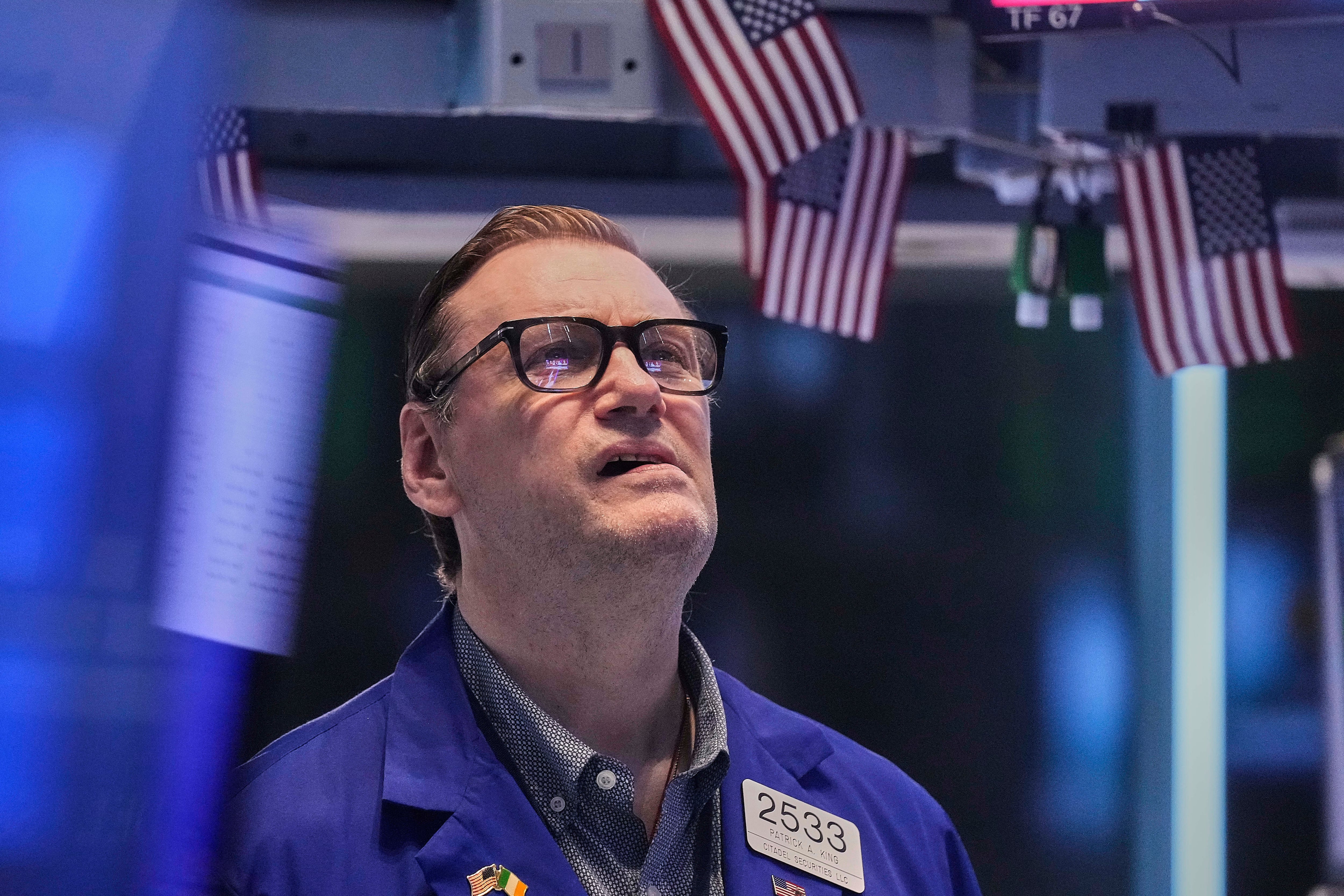
U.S. markets ended the week on a down note, pausing after a four-day rally that sent stocks to record highs. A surprisingly strong January employment report showed 225,000 jobs added for the first month of the year although the unemployment rate ticked up slightly to 3.6 percent. The better-than-expected showing presaged an ADP report showing private payrolls shot up, due in part to unseasonably warm weather around the country. The worsening impact of the coronavirus did little to shake investor confidence this week as they focused instead on another round of strong corporate earnings and a growing sense that the economy will remain on solid footing going into the election.
UBER EARNINGS
Uber had its best day as a public company Friday, a day after it beat earnings expectations and said it would be profitable by Q4 of this year. That's a full year earlier than the company had originally targeted, and is the reason why the stock soared to close out the week. The rest of the numbers were resilient, too. Gross bookings were up 28 percent year-over-year and, perhaps more importantly, Uber ($UBER) is now losing less money than it was. The company showed an adjusted loss of $613 million for the quarter (compared to $817 million in its previous fourth quarter). The rising tide lifted all boats (cars?), with shares of Lyft popping 4 percent on the hopes that the notoriously money-losing endeavor that is the ride-hail industry may, one day, prove profitable.
GOOGLE EARNINGS
Google parent Alphabet also reported earnings, though the results were decidedly more mixed. The company beat on profit but missed on revenue, but the real news was the disclosure, for the first time, of the YouTube and cloud businesses. YouTube brought in $15 billion for Alphabet ($GOOGL)in 2019, about the equivalent of the NFL's total revenues. Meanwhile, Google's cloud platform made $2.6 billion for the quarter, for an annual run-rate of about $10.4 billion. Impressive, but still small potatoes compared to Amazon Web Service's run rate of about $40 billion.
TESLA'S WILD RIDE
What a week for Tesla. The stock had some of its biggest swings in history, popping 20 percent on Monday and then dropping 17 percent on Wednesday to snap a six-day surge. At its peak on Tuesday, Tesla ($TSLA) had a larger market cap than McDonald's, Citigroup or the rest of the American auto industry. So what happened? Not a whole lot. The company has been helped by some positive developments, including the successful launch of its Chinese gigafactory (though it's had to temporarily close stores in China over the coronavirus outbreak) as well as a better-than-expected Q4. But the pop was mainly the result of a short squeeze, as short sellers cut their losses and cashed out. Then investors took profits as the stock approached $1,000, sending the price back down to earth ー somewhat.
CASPER IPO
The reception that Casper's IPO got from Wall St.: cooler than the other side of the pillow. The mattress startup became the latest in a series of unprofitable but trendy DTC consumer brands to go public in a market that has become weary of money-losing businesses (thanks, WeWork). Casper ($CSPR) opened at $14.50 after pricing the offering in the $12 to $13 per share range, lower than the original range of $17 to $19. Shares ended the first day at $13.50, giving the company a valuation of around $500 million. Last year, Casper was privately valued at over $1 billion. High acquisition and marketing costs combined with the stubborn fact that most people only buy mattresses ever so often, along with a seriously crowded marketplace, is giving investors pause about Casper's long-term profitability.