From Wall Street to Silicon Valley, these are the top stories that moved markets and had investors, business leaders, and entrepreneurs talking this week on Cheddar.
WEAK JOBS REPORT
The market ended the week slightly higher, despite Friday’s disappointing jobs report for September that fell far short of analyst expectations. U.S. employers added 194,000 payrolls in the month, even fewer than August’s revised print of 366,000 and a far cry from the expectation of 500,000 new jobs. There were reasons for optimism buried in the Department of Labor’s report: average earnings were up, significant upward adjustments were made to August and July reports, and pandemic-caused staffing fluctuations in the education sector “distorted the normal seasonal hiring and layoff patterns,” according to the BLS. But the weak top-line number suggests that the persistent labor shortage combined with the delta wave is continuing to hamper employers’ ability to hire.
GLOBAL ENERGY CRUNCH
U.S. crude oil prices crossed the $80-per-barrel threshold this week, the highest level since 2014 amid a growing global energy crunch that portends higher prices across the board for consumers this winter. The price at the pump is a buck higher than it was this time last year. U.S. coal prices are at a two-year high. And natural gas prices in this country have hit the highest level since 2008. In the UK, natural gas prices are up some 400 percent year-to-date, leading Vladimir Putin this week to step in and say he’d boost Russia’s plentiful gas supply to Europe ahead of the colder months. Energy stocks benefited from a broad rally on rising commodity prices, while airline stocks took a beating on higher fuel costs. JetBlue, American, Delta, and United all ended the week down more than 5 percent.
FACEBOOK UNDER FIRE
Facebook’s no good, very bad autumn continued with a global, hours-long outage on Monday that took its entire suite of apps offline for billions of users around the world, illustrating how dependant much of the internet’s infrastructure has become on the company that’s now at the center of a cascade of controversies over its effects on society. Just as Facebook was able to get its services back online, a whistleblower, who revealed her identity on 60 Minutes last weekend, appeared before Congress to highlight the internal research that is turning into perhaps the company’s worst scandal to date. Frances Haugen, a former Facebook data scientist, testified that the company harms younger users, creates divisions among its user base, and undermines democracy — its most recent high on Sept. 1. But JPMorgan said this week that the dip is a buying opportunity and that the bank sees the stock rising as much as 35 percent.
PEDAL TO THE METAL
General Motors unveiled detailed plans for its transformation from an automaker to a “platform company” that will “redefine how people and goods are moved,” as CEO Mary Barra put it to investors. Barra said GM plans to double annual revenue by 2030 with a focus on electrification, robotaxis, and EV charging infrastructure. The stock barely budged during Barra’s announcements, but then soared higher for a weekly gain of 7 percent. Meanwhile, Elon Musk announced at Tesla’s investor conference that he is moving the company’s headquarters from California to Texas, making good on a threat from last year when Musk called California’s COVID lockdowns “fascist” and said he’d fold up shop. Tesla will continue to expand its production facility in California as it simultaneously builds out a new factory in the Lone Star State.
SQUID GAME MANIA
Netflix shares ended the week on a positive note, buoyed by its global smash hit, Squid Game, which is now on track to be the streamer’s most popular show ever. The sheer scale of Squid Game’s impact on the all-important metric of international subscriber growth — the South Korean series is currently No. 1 in 90 countries — should become more apparent when Netflix releases third-quarter earnings on Oct. 19. In the meantime, the stock hit a new all-time high this week and is up 22 percent so far this year.
Decentralized talent network Braintrust recently closed an atypical equity deal that involved investors buying $100 million in Braintrust tokens, the company's cryptocurrency. Braintrust's talent network is built on blockchain technology, which the company says allows it to be owned and built by users, instead of a centrally-controlled corporation. Braintrust users can also earn tokens for their contributions to the network and its growth. Braintrust co-founder Adam Jackson joins Cheddar News' Closing Bell to discuss.
Blue Origin launched its third manned mission over the weekend with 'Good Morning America' host Michael Strahan and Laura Shepard Churchley, daughter of astronaut Alan Shepard on board, alongside several Blue Origin investors.
This comes after the spaceflight firm launched two successful missions to the edge of space earlier this year. How will these missions set up Blue Origin for success as it competes with SpaceX and other companies for space tourism domination and more? Joey Roulette, space reporter at The New York Times, joins Cheddar News' Closing Bell to discuss.
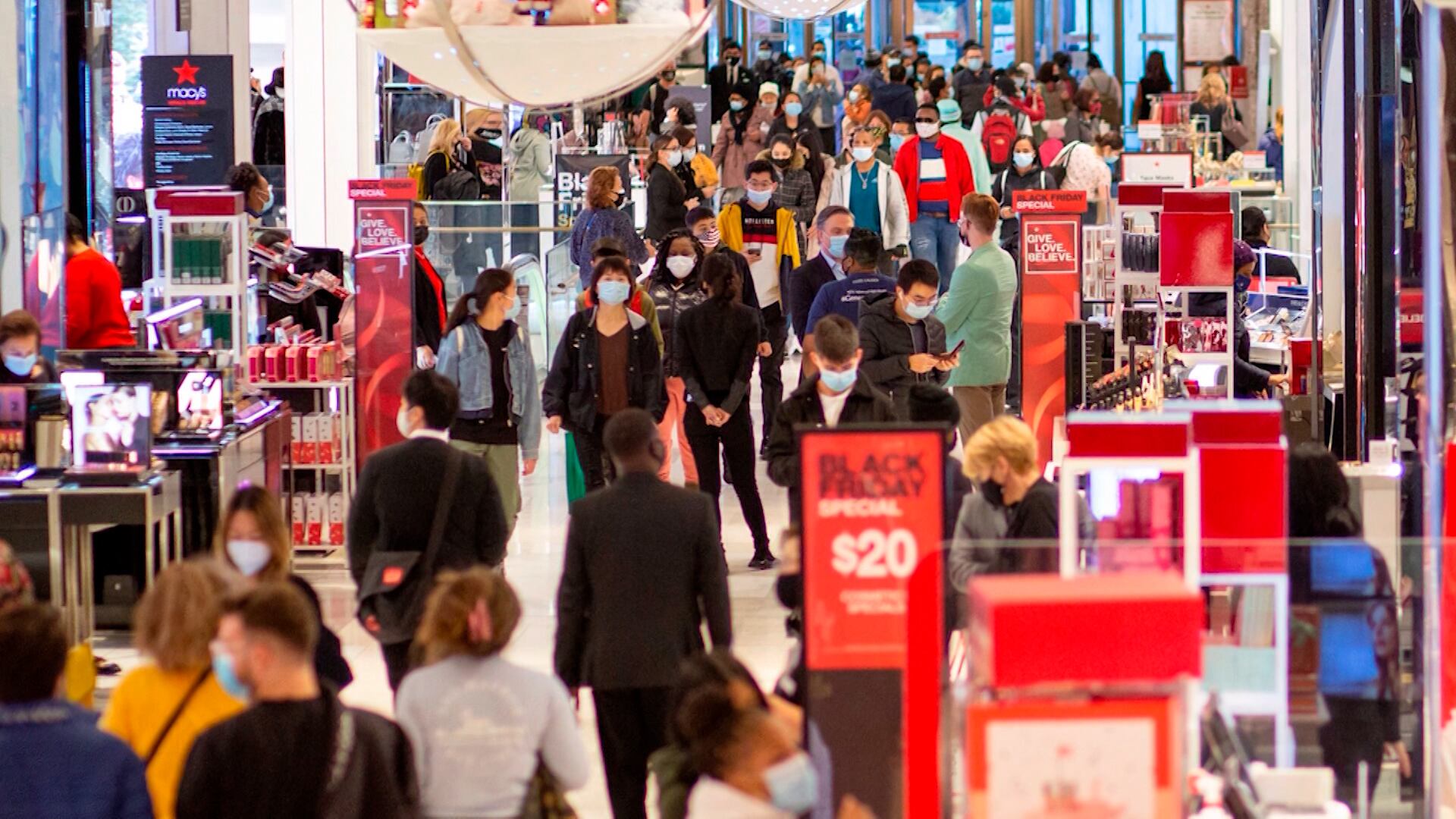
If there's any question about whether inflation is here to stay, today's November consumer price index data gives us an answer. This is the second month in a row we've seen a hot inflation reading — CPI last month rose to 6.8%, after jumping to 6.2% in October. Amid the holiday shopping season, what does this mean for consumers? And how will the Federal Reserve move forward after previously announcing it would speed up its asset taper timeline? Art Hogan, Chief Market Strategist at National Securities, joins Cheddar News' Closing Bell to discuss November's CPI jump, where consumers are hurting the most, what the Fed could do to help ease inflation, and more.
Editorial and stock photo provider Getty Images is gearing up to make its public debut via a SPAC merger with CC Neuberger Principal Holdings II bringing it to a $4.8 billion valuation. CEO Craig Peters joined Cheddar to break down the decision to go public and noted that the merger will help to pay down debt. "That's going to really enable a lot of additional free cash flow and financial flexibility into the business," he noted. "That's just going to allow us to just invest more aggressively into the business to accelerate what is already accelerating growth." Peters also discussed the legacy image platform's place going forward in the expanding world of digital assets like NFTs and the metaverse.
Ben Schiller, the managing editor for features and opinion at CoinDesk, breaks down how the year's top 10 crypto influencers were selected and what to expect from the blockchain ecosystem, especially the growth of NFTs, in 2022. "This whole crypto story has become not just a story about money or the future of money," he said. "It's also become a cultural story where it's getting into gaming, it's getting into artwork, into collectibles, and all kinds of cultural categories it wasn't in before." Schiller noted that he expects the U.S. and other world governments to establish crypto regulations in the coming year.
Ford said it will ramp up production for its Mustang Mach-E as demand for the electric vehicle surges. The automaker expects to sell upwards of 200,000 annually by 2023.
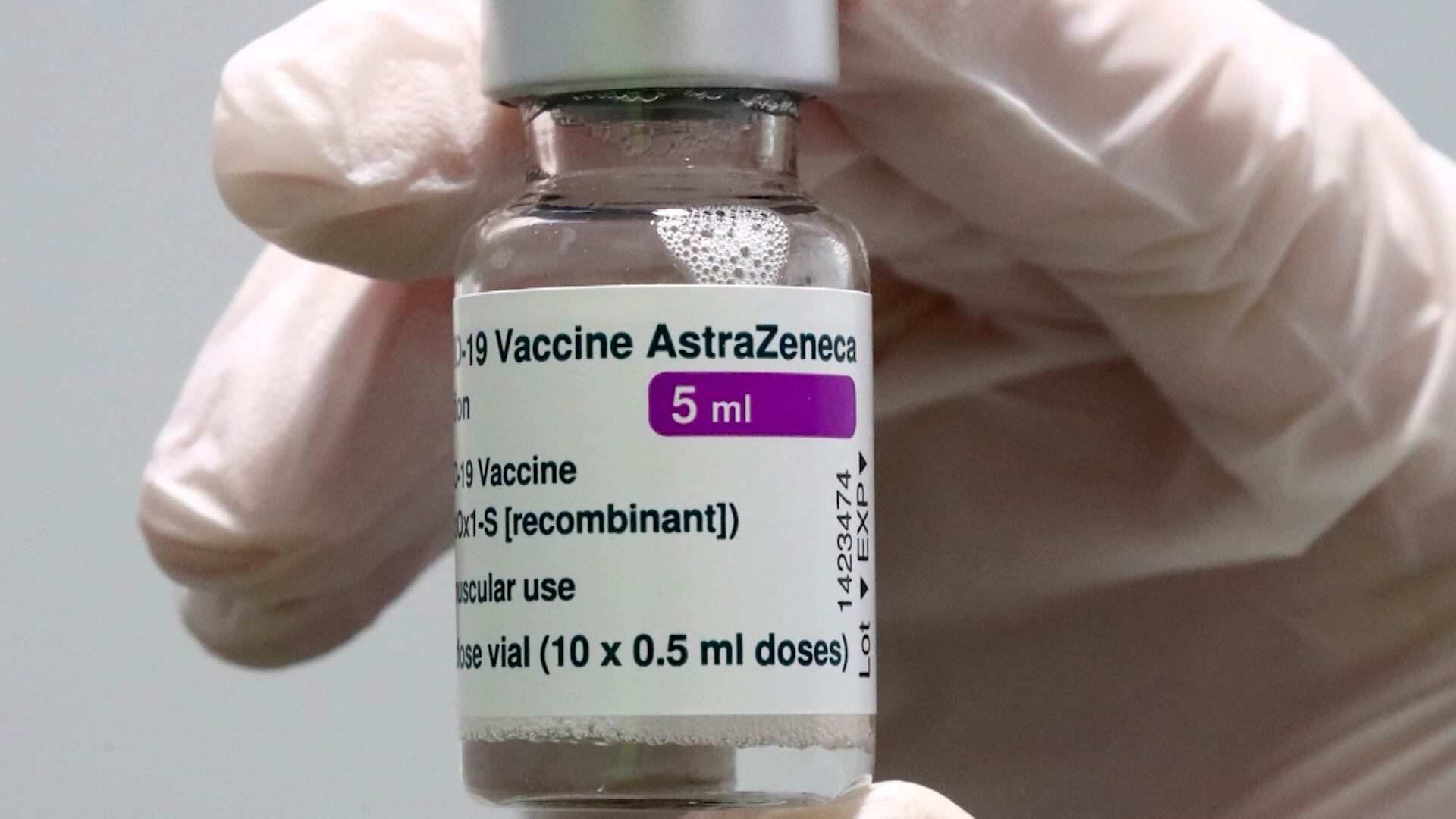
Mina Makar, senior vice president of respiratory and immunology, Astrazeneca, joined Cheddar to discuss the FDA's decision to give emergency use authorization to the pharma giant's COVID-19 antibody treatment called Evusheld for immunocompromised patients For about 2 percent of the U.S. Makar noted that the injection is supposed to provide antibody protection for those who can't generate their own adequate immune response via the vaccines for a minimum of six months, though long-term trials are underway.
The pandemic has forced corporate America to reshape itself to adapt, including onboarding doctors as chief medical officers to help maintain the health and safety of staff. Dr. Geeta Nayyar, chief medical officer at Salesforce, joined Cheddar to break down her role and how it has become relevant and necessary in the evolving workplace. "Every business today is now in the business of healthcare," she said. "It is a priority to empower employees to then serve your customers."
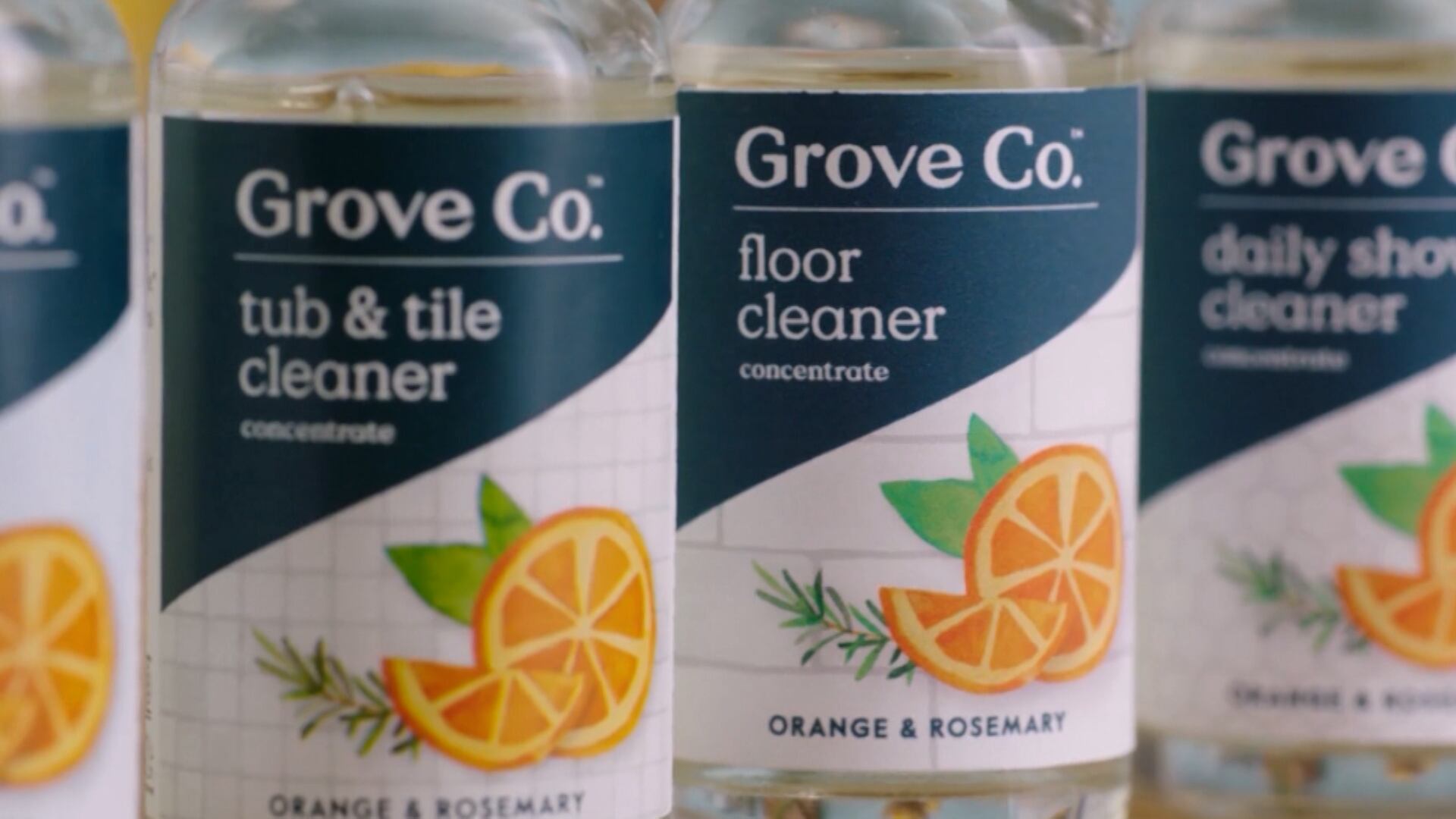
Sustainable consumer products maker Grove Collaborative is gearing up to launch an IPO via a SPAC merger with Richard Branson's Virgin Group Acquisition Corp II. Stuart Landesberg, CEO and co-founder of Grove Collaborative, talked to Cheddar's Kristen Scholer about going public through the merger and aligning with a partner he felt also prioritizes climate. "What this partnership will mean is that we're able to expand the assortment and innovations that we bring to market in products that work just as well as the conventionals and market leaders but have a significantly different environmental profile," Landesberg said.