From Wall Street to Silicon Valley, these are the top stories that moved markets and had investors, business leaders, and entrepreneurs talking this week on Cheddar.
WEAK JOBS REPORT
The market ended the week slightly higher, despite Friday’s disappointing jobs report for September that fell far short of analyst expectations. U.S. employers added 194,000 payrolls in the month, even fewer than August’s revised print of 366,000 and a far cry from the expectation of 500,000 new jobs. There were reasons for optimism buried in the Department of Labor’s report: average earnings were up, significant upward adjustments were made to August and July reports, and pandemic-caused staffing fluctuations in the education sector “distorted the normal seasonal hiring and layoff patterns,” according to the BLS. But the weak top-line number suggests that the persistent labor shortage combined with the delta wave is continuing to hamper employers’ ability to hire.
GLOBAL ENERGY CRUNCH
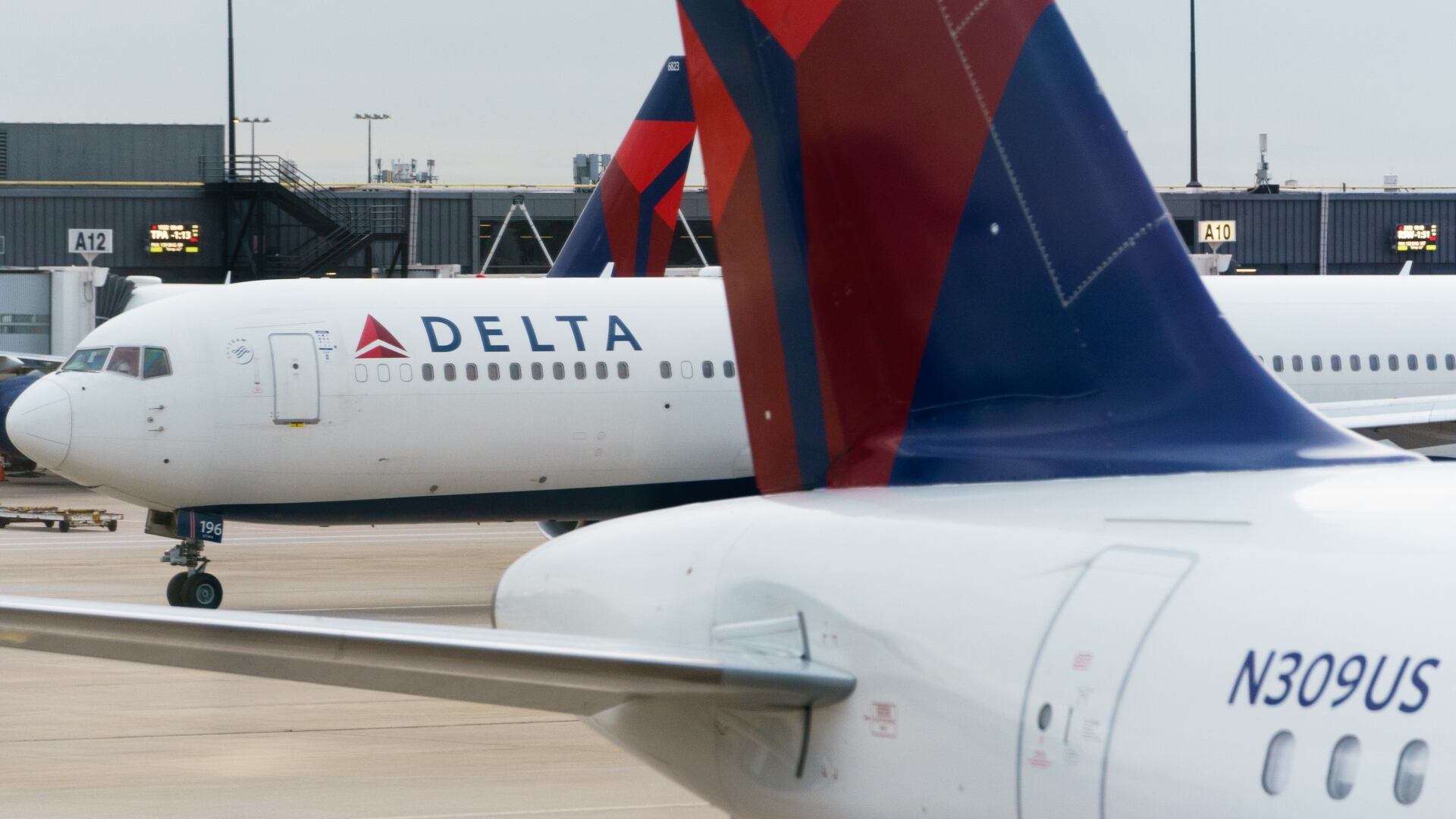
U.S. crude oil prices crossed the $80-per-barrel threshold this week, the highest level since 2014 amid a growing global energy crunch that portends higher prices across the board for consumers this winter. The price at the pump is a buck higher than it was this time last year. U.S. coal prices are at a two-year high. And natural gas prices in this country have hit the highest level since 2008. In the UK, natural gas prices are up some 400 percent year-to-date, leading Vladimir Putin this week to step in and say he’d boost Russia’s plentiful gas supply to Europe ahead of the colder months. Energy stocks benefited from a broad rally on rising commodity prices, while airline stocks took a beating on higher fuel costs. JetBlue, American, Delta, and United all ended the week down more than 5 percent.
FACEBOOK UNDER FIRE
Facebook’s no good, very bad autumn continued with a global, hours-long outage on Monday that took its entire suite of apps offline for billions of users around the world, illustrating how dependant much of the internet’s infrastructure has become on the company that’s now at the center of a cascade of controversies over its effects on society. Just as Facebook was able to get its services back online, a whistleblower, who revealed her identity on 60 Minutes last weekend, appeared before Congress to highlight the internal research that is turning into perhaps the company’s worst scandal to date. Frances Haugen, a former Facebook data scientist, testified that the company harms younger users, creates divisions among its user base, and undermines democracy — its most recent high on Sept. 1. But JPMorgan said this week that the dip is a buying opportunity and that the bank sees the stock rising as much as 35 percent.
PEDAL TO THE METAL
General Motors unveiled detailed plans for its transformation from an automaker to a “platform company” that will “redefine how people and goods are moved,” as CEO Mary Barra put it to investors. Barra said GM plans to double annual revenue by 2030 with a focus on electrification, robotaxis, and EV charging infrastructure. The stock barely budged during Barra’s announcements, but then soared higher for a weekly gain of 7 percent. Meanwhile, Elon Musk announced at Tesla’s investor conference that he is moving the company’s headquarters from California to Texas, making good on a threat from last year when Musk called California’s COVID lockdowns “fascist” and said he’d fold up shop. Tesla will continue to expand its production facility in California as it simultaneously builds out a new factory in the Lone Star State.
SQUID GAME MANIA
Netflix shares ended the week on a positive note, buoyed by its global smash hit, Squid Game, which is now on track to be the streamer’s most popular show ever. The sheer scale of Squid Game’s impact on the all-important metric of international subscriber growth — the South Korean series is currently No. 1 in 90 countries — should become more apparent when Netflix releases third-quarter earnings on Oct. 19. In the meantime, the stock hit a new all-time high this week and is up 22 percent so far this year.
Stocks closed lower Monday as investors continued to price in COVID-19 omicron variant fears. Reopening stocks like airlines, financial companies, restaurants and hotels, and more, dragged on the major indexes as businesses and events took a pause over the weekend amid rising case numbers in metropolitan areas. This comes a week after the Federal Reserve announced it plans to speed up its asset tapering timeline in January and institute three rate hikes next year. Is that plan aging well? Robert Conzo, CEO of The Wealth Alliance, joins Cheddar News' Closing Bell to discuss market movement, how stocks could close out the year, what the Fed could do in 2022, and more.
After a vote in one Buffalo, New York-area Starbucks created the first workers union in the coffee chain's history, the company has announced that it is ready to negotiate in good faith with the new bargaining unit. But a tense process where labor organizers leveled accusations of anti-union activity at the coffee giant may make that difficult. Cortlin Harrison, a barista at the unionized store, spoke to Cheddar about making a deal. "We can move past all the dirty tricks, the union-busting, the captive audience meetings," he said. "I'm ready to go to the table, and my fellow baristas are ready to go to the table, and just move forward."
This year's worldwide semiconductor shortage limited the supply of everything from new cars to smartphones; and now, many in the chip industry expect the shortage to continue deep into 2022, and maybe even 2023. Semiconductor senior research analyst for Robert W. Baird & Co., Tristan Gerra, joins Cheddar News' Closing Bell to discuss.
Direct health care company Nomi Health recently raised $110 million in a Series A round. Nomi Health lets public and private organizations directly purchase healthcare at reduced costs, and pay providers in real-time. It also delivers healthcare directly to under-served communities via its fleet of mobile care units, which the company says is the largest in the country. Nomi Health says its mission is to improve the health care experience for all Americans. Nomi Health CEO Mark Newman joined Cheddar News' Closing Bell to discuss.
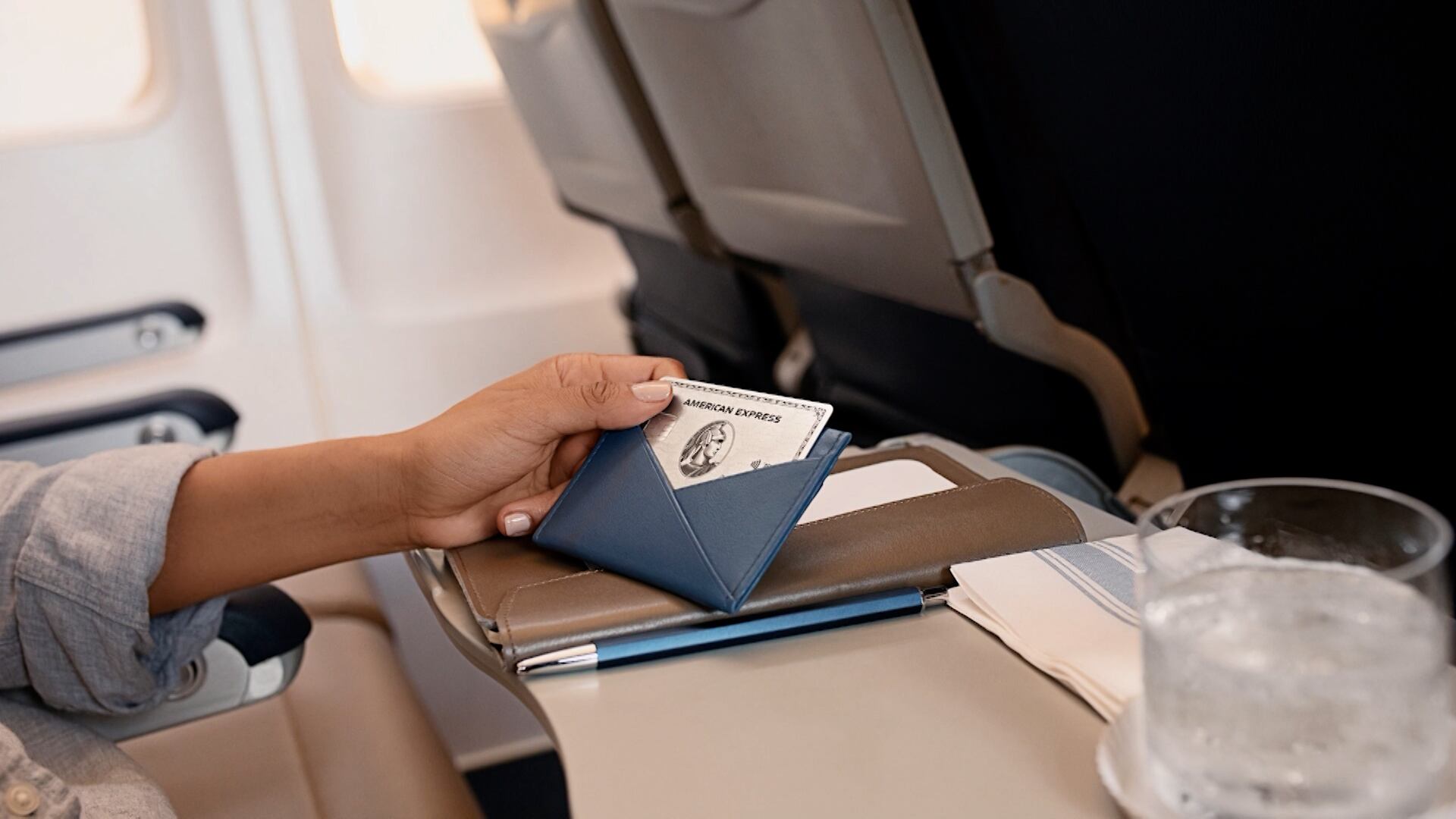
American Express and Nova Credit have partnered the credit passport program aimed at expanding access to credit for immigrants from the Dominican Republic, Nigeria, Kenya, and Brazil. Misha Esipov, co-founder and CEO of Nova Credit, joined Cheddar's Ken Buffa to talk about the program's benefits for immigrants who have to start over in the U.S. and are looking to establish a credit history. "If you were a good borrower in your home country — and you can prove you were a borrower in your home country — when you first arrive here, you can use that information to continue to be a good borrower," he said of the service.
Despite the rising cost of a home in the U.S., sales rose 1.9 percent in November, and according to Zillow, prices are expected to climb even higher in 2022. M. Ryan Gorman, president and CEO of Coldwell Banker Real Estate, told Cheddar's "Closing Bell" that while median prices are high, demand for a new home is just as high, particularly in "tax and weather favorable" destinations like Florida, Tennessee, and Texas. Gorman also said he sees buyer demand remaining high next year even if interest rates rise somewhat, noting that the already tight housing inventory is expected to slim down even more and foreign purchasers return to the market. "As we get past the holidays and those foreign buyers are able to come back and actually acquire homes and go shopping, I think that may be a bigger driver of some of that increase in buyer demand," he said.
The airline industry says it is contending with staff shortages that threaten to hamper operations amid the COVID resurgence, andDelta Airlines CEO Ed Bastian called on the CDC to revise its guidance for vaccinated workers who test positive from a 10-day quarantine to just five. Chuck Liberman, chief investment officer and managing partner at Advisors Capital Management LLC, joined Cheddar to talk about the current guidance on isolation and why he believes the omicron variant calls for more relaxed guidance given its reportedly mild symptoms.
A new series is looking to advance Black founders who have disruptive ideas and companies. 'Bet on Black' is a new series that allows black entrepreneurs to pitch their businesses in the hopes of securing $200,000 in funding. Revolt TV and Target teamed up to create the show. Detavio Samuels, CEO of Revolt, joins Cheddar News to discuss.