From Wall Street to Silicon Valley, these are the top stories that moved markets and had investors, business leaders, and entrepreneurs talking this week on Cheddar.
WEAK JOBS REPORT
The market ended the week slightly higher, despite Friday’s disappointing jobs report for September that fell far short of analyst expectations. U.S. employers added 194,000 payrolls in the month, even fewer than August’s revised print of 366,000 and a far cry from the expectation of 500,000 new jobs. There were reasons for optimism buried in the Department of Labor’s report: average earnings were up, significant upward adjustments were made to August and July reports, and pandemic-caused staffing fluctuations in the education sector “distorted the normal seasonal hiring and layoff patterns,” according to the BLS. But the weak top-line number suggests that the persistent labor shortage combined with the delta wave is continuing to hamper employers’ ability to hire.
GLOBAL ENERGY CRUNCH
U.S. crude oil prices crossed the $80-per-barrel threshold this week, the highest level since 2014 amid a growing global energy crunch that portends higher prices across the board for consumers this winter. The price at the pump is a buck higher than it was this time last year. U.S. coal prices are at a two-year high. And natural gas prices in this country have hit the highest level since 2008. In the UK, natural gas prices are up some 400 percent year-to-date, leading Vladimir Putin this week to step in and say he’d boost Russia’s plentiful gas supply to Europe ahead of the colder months. Energy stocks benefited from a broad rally on rising commodity prices, while airline stocks took a beating on higher fuel costs. JetBlue, American, Delta, and United all ended the week down more than 5 percent.
FACEBOOK UNDER FIRE
Facebook’s no good, very bad autumn continued with a global, hours-long outage on Monday that took its entire suite of apps offline for billions of users around the world, illustrating how dependant much of the internet’s infrastructure has become on the company that’s now at the center of a cascade of controversies over its effects on society. Just as Facebook was able to get its services back online, a whistleblower, who revealed her identity on 60 Minutes last weekend, appeared before Congress to highlight the internal research that is turning into perhaps the company’s worst scandal to date. Frances Haugen, a former Facebook data scientist, testified that the company harms younger users, creates divisions among its user base, and undermines democracy — its most recent high on Sept. 1. But JPMorgan said this week that the dip is a buying opportunity and that the bank sees the stock rising as much as 35 percent.
PEDAL TO THE METAL
General Motors unveiled detailed plans for its transformation from an automaker to a “platform company” that will “redefine how people and goods are moved,” as CEO Mary Barra put it to investors. Barra said GM plans to double annual revenue by 2030 with a focus on electrification, robotaxis, and EV charging infrastructure. The stock barely budged during Barra’s announcements, but then soared higher for a weekly gain of 7 percent. Meanwhile, Elon Musk announced at Tesla’s investor conference that he is moving the company’s headquarters from California to Texas, making good on a threat from last year when Musk called California’s COVID lockdowns “fascist” and said he’d fold up shop. Tesla will continue to expand its production facility in California as it simultaneously builds out a new factory in the Lone Star State.
SQUID GAME MANIA
Netflix shares ended the week on a positive note, buoyed by its global smash hit, Squid Game, which is now on track to be the streamer’s most popular show ever. The sheer scale of Squid Game’s impact on the all-important metric of international subscriber growth — the South Korean series is currently No. 1 in 90 countries — should become more apparent when Netflix releases third-quarter earnings on Oct. 19. In the meantime, the stock hit a new all-time high this week and is up 22 percent so far this year.
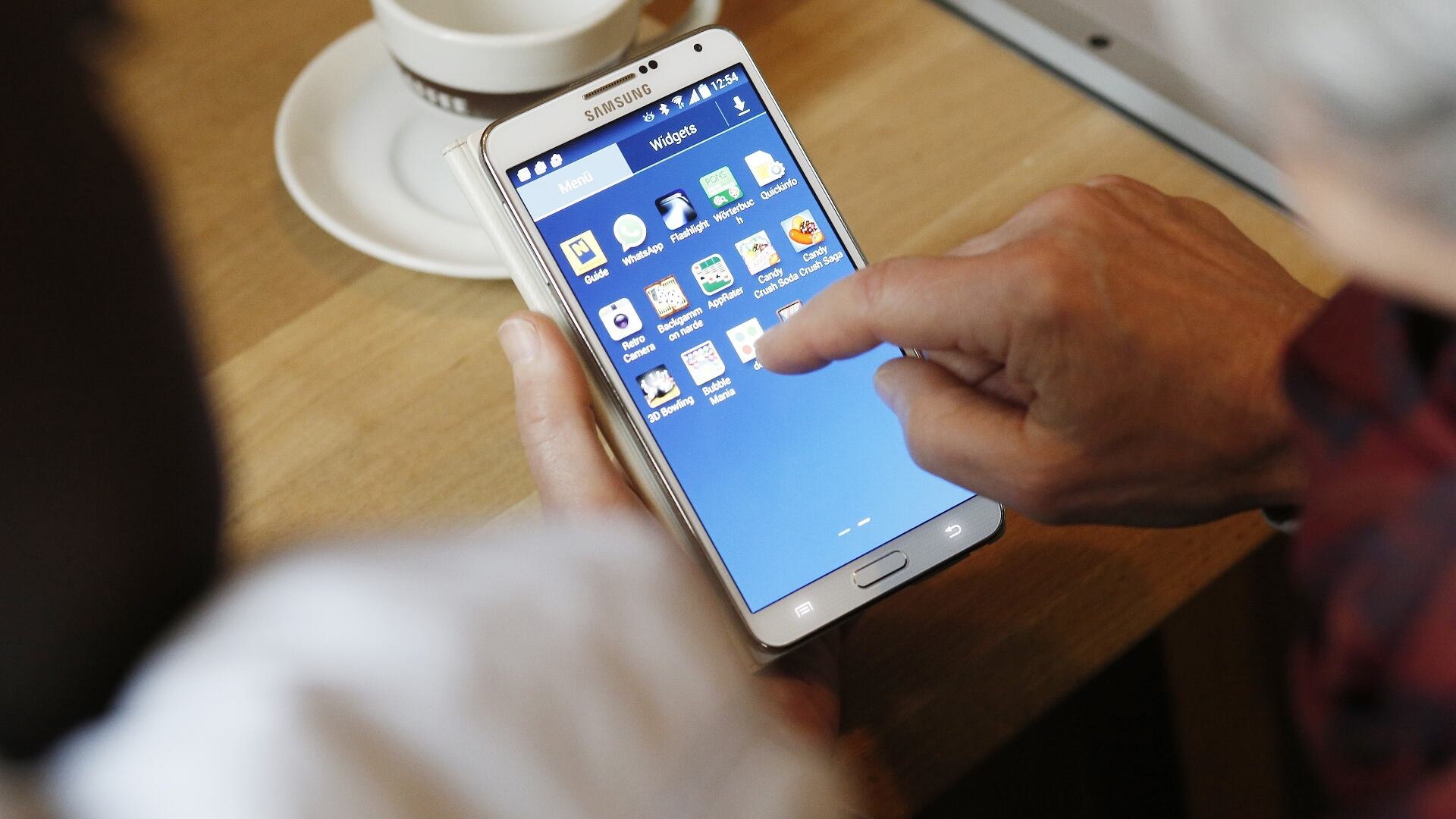
Google’s philanthropy arm, Google.org, recently announced a $10 million grant for the AARP Foundation to aid in teaching digital skills to low income older workers. As the implementation of hybrid work expands, a greater emphasis is being placed on helping workers 50 years old and up — especially among women and people of color — to be digitally literate in order to keep the workplace generationally diverse. Lisa Marsh Ryerson, president of the AARP Foundation, joined Cheddar News to talk about the curriculum of the partnership. "Those of us who are 50 and older are not digital natives, so we do have a learning curve that we have to address," she noted.
AT&T announced earlier today it is spinning off its media properties in WarnerMedia in a merger with Discovery in a $43 billion deal.Scott Rostan, founder and CEO at Training The Street, joined Cheddar to talk about what the unwinding of the telecom giant's Time Warner media properties means for investors. "I think the investor sentiment is they're digesting the new information, and they're looking into the dividend, especially the reduction of the dividend," said Rostan, noting the transaction allows AT&T to focus on its core telecommunications business.
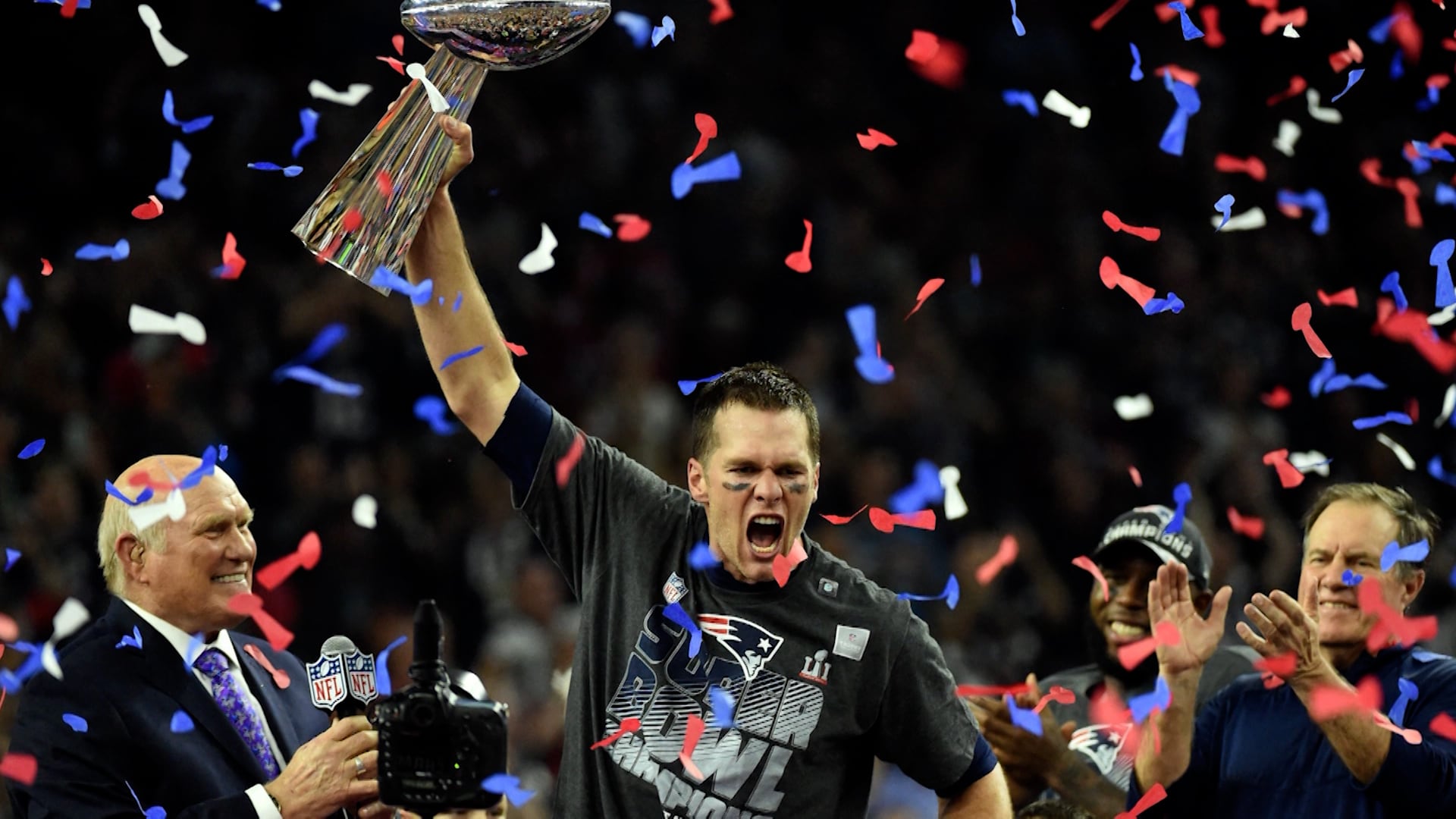
Greg Bishop, Senior Writer for Sports Illustrated, joins Cheddar News' Closing Bell, where he says Tom Brady's legacy is all about 'progress' and expects the future Hall of Famer to bolster his entrepreneurial ventures following his retirement.
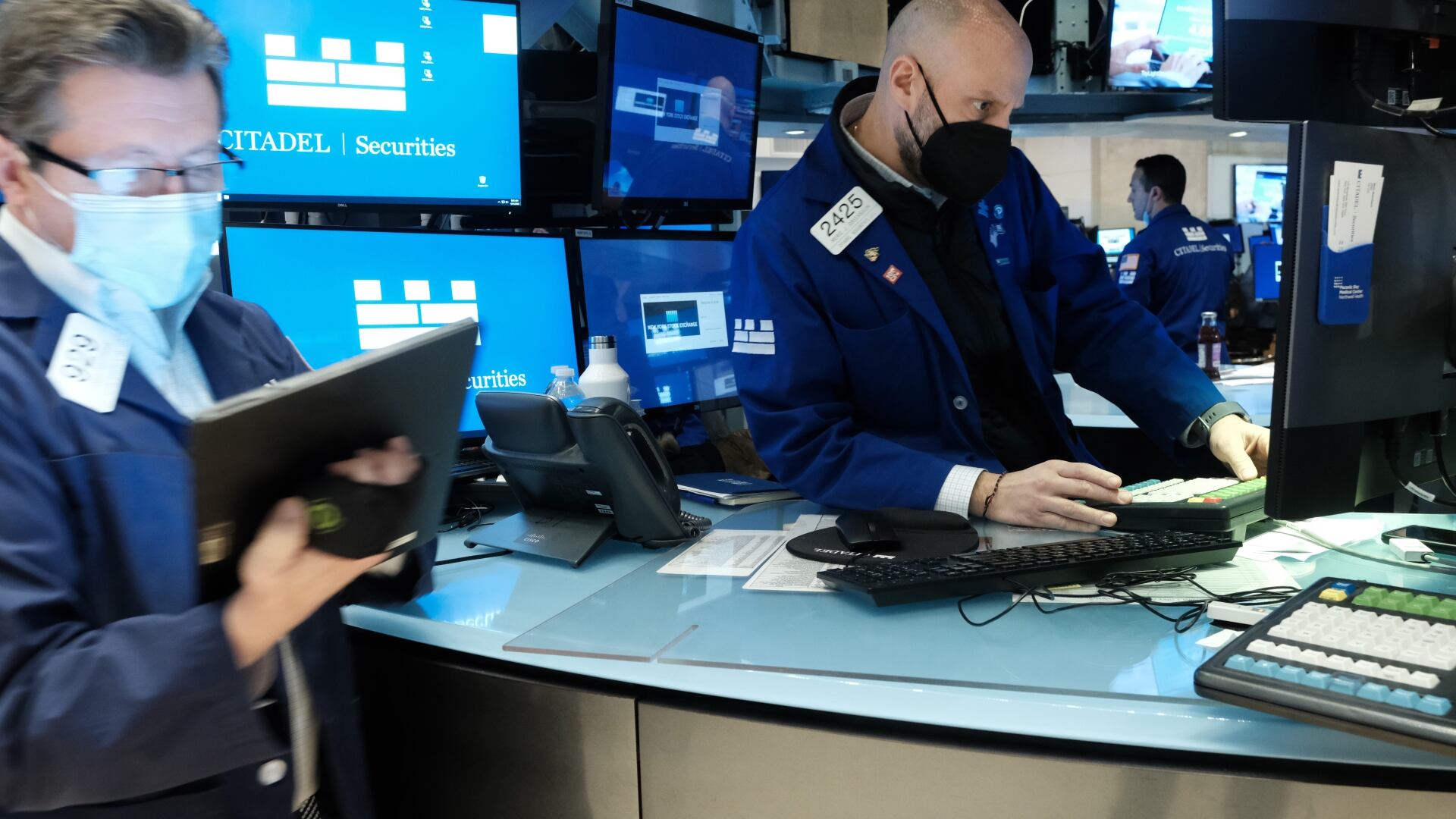
Anthony Saccaro, Founder and President of Providence Financial, joins Cheddar News' Closing Bell, where he elaborates on why he is excited that the market is beginning to rebound and believes February has the potential to be a good month after a turbulent January.
A 2021 report from UK Research and Innovation found that the shipping industry makes up at least 2.5 percent of the world's total CO2 emissions. It's a problem that energy solutions company, Leclanché, is trying to solve. Founded in 1909, the company has been developing and producing batteries for more than 100 years. Today, Leclanché's lithium-ion battery is used to electrify not just ships, but also railroad locomotives, trucks, and specialty vehicles. Cheddar News spoke with Pierre Blanc, chief technology and industrial officer of Leclanché, to discuss.
Amazon is betting that ammonia could be the fuel of the future, participating in a Series A round for the Brooklyn-based company Amogy in December. Amogy aims to de-carbonize transportation with a clean energy system that uses ammonia as a renewable fuel. Amogy is partnering with Amazon on its first commercial product - an ammonia-powered cargo-shipping vessel. Amogy CEO Seonghoon Woo joins Cheddar Climate to discuss.
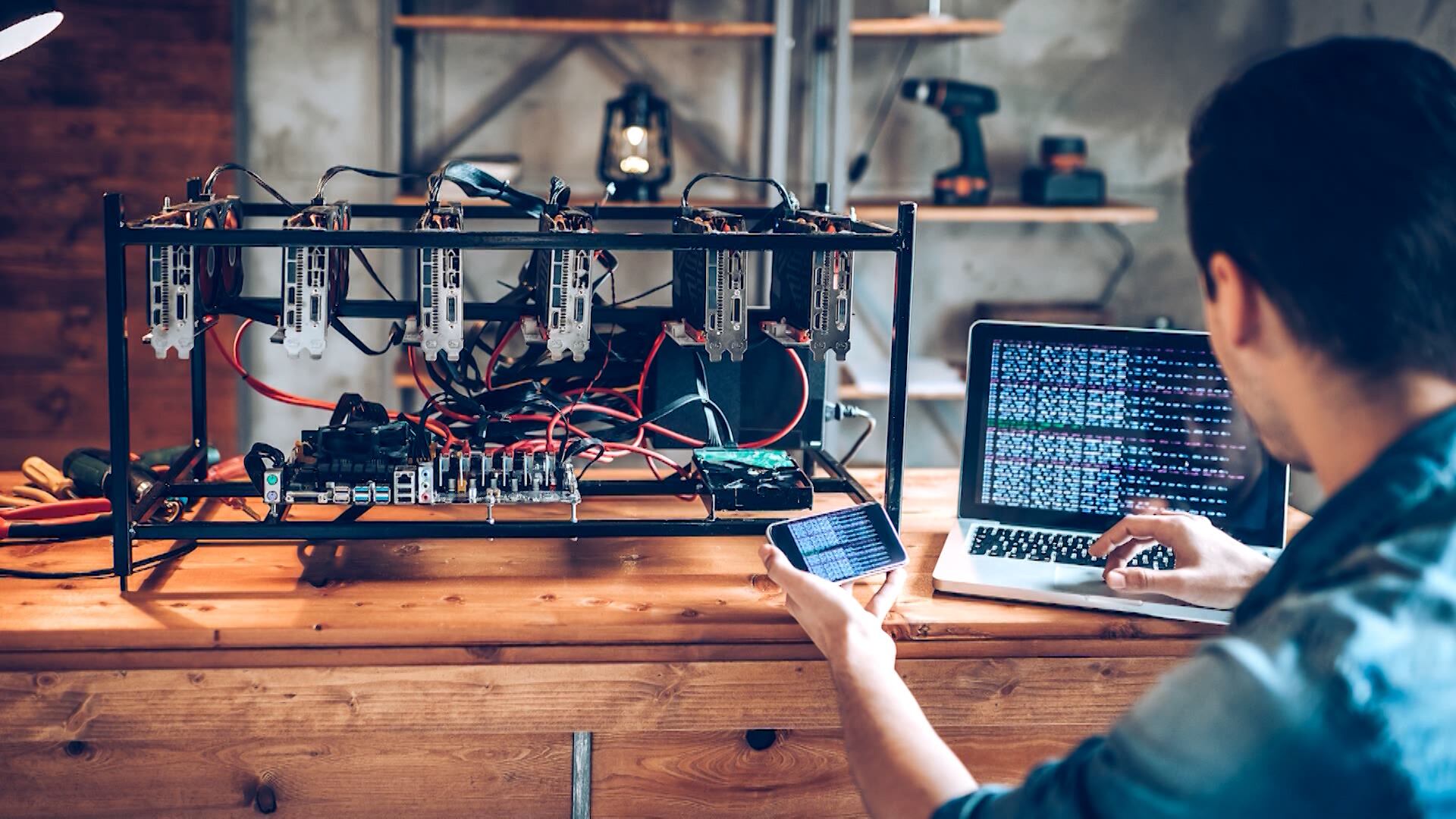
Joseph Pallant, Founder and Executive Director for the Blockchain for Climate Foundation, joins Cheddar Climate, where he discusses the among of energy crypto mining consumes and explains how his organization is on a mission to make the crypto industry more environmentally sustainable.
One of the world's largest transport companies is kicking off Black History Month with a new initiative aimed at the next generation of business leaders. Today, FedEx announced the launch of its Student Ambassador Program. Participants selected from eight historically black colleges and universities will receive career guidance from FedEx executives. The program is part of FedEx's ongoing commitment to HBCUs and will also help the company expand its pipeline for diverse talent. Cheddar News welcomes senior vice president at FedEx, Jenny Robertson, and Jerryl Briggs, President of Mississippi Valley State University, to discuss.
Driver assistance monitoring systems are meant to keep the driver's eyes on the road, but according to a report from AAA, different ways of monitoring provide significantly different results. The study found that direct camera-based systems that scanned the driver's eye movements were faster and more reliable than those indirect systems that looked at steering-wheel input. Megan McKernan, the manager of automotive services for the Automobile Club of Southern California, joined Cheddar to discuss the findings. "Triple-A is recommending that automakers include both direct and indirect systems just to really prevent consumers from trying to misuse these systems," she said, noting that neither system on its own is not foolproof.