From Wall Street to Silicon Valley, these are the top stories that moved markets and had investors, business leaders, and entrepreneurs talking this week on Cheddar.
JOBS BLOCKBUSTER
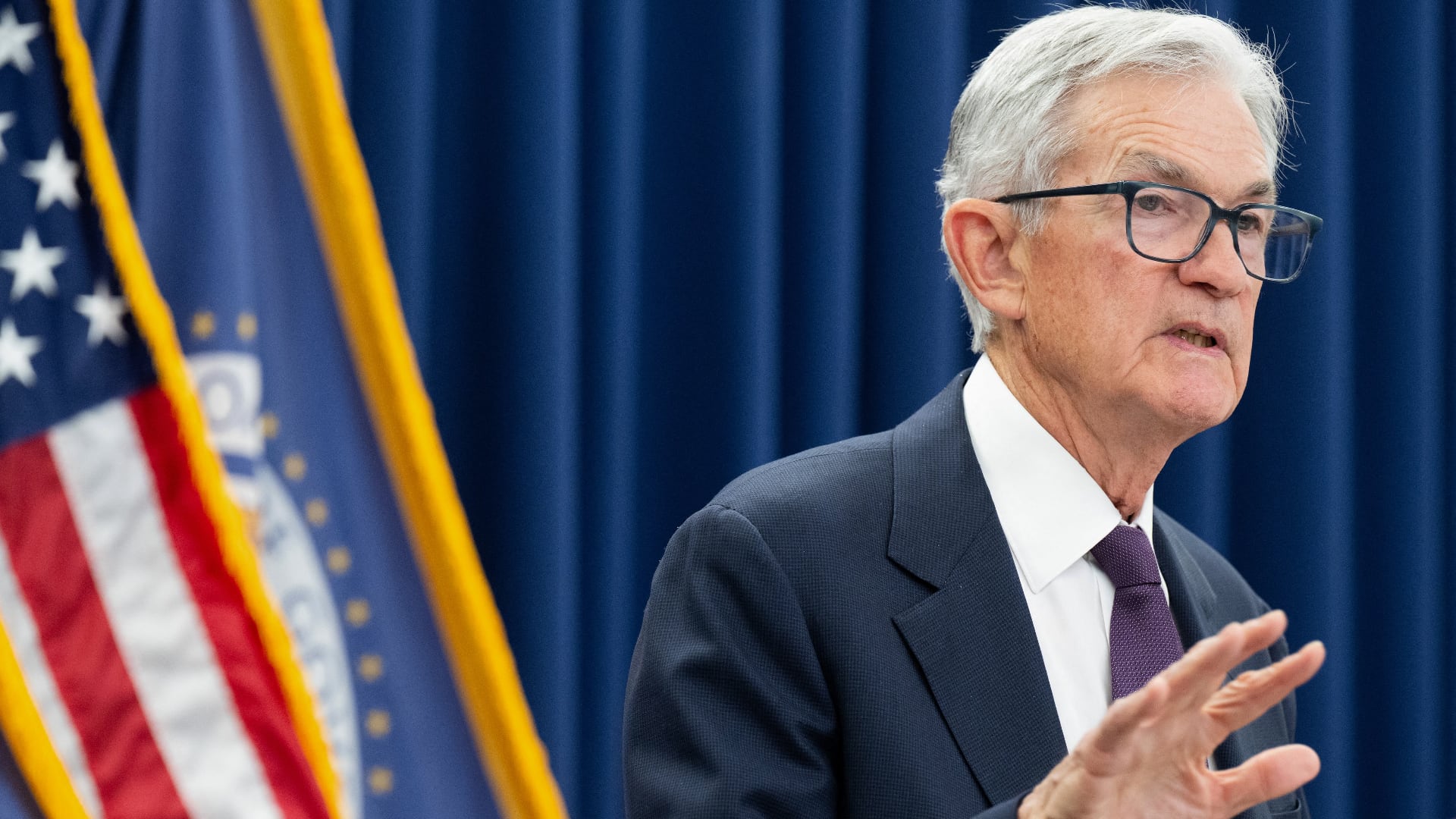
Investors ended the week digesting a blockbuster jobs report. Nonfarm payrolls in November rose by 266,000, according to the Labor Dept. The consensus estimate was about 180,000. The unemployment rate ticked down to 3.5 percent, and average hourly earnings rose another 0.2 percent. The unusually strong report was helped by GM, where tens of thousands of workers returned to their jobs (thus counting as new payrolls) after spending 40 days on the picket line. Still, hiring remains strong, and unemployment remains near historic lows even despite headwinds like the trade war and poor manufacturing data.
TRADE WAR(S)
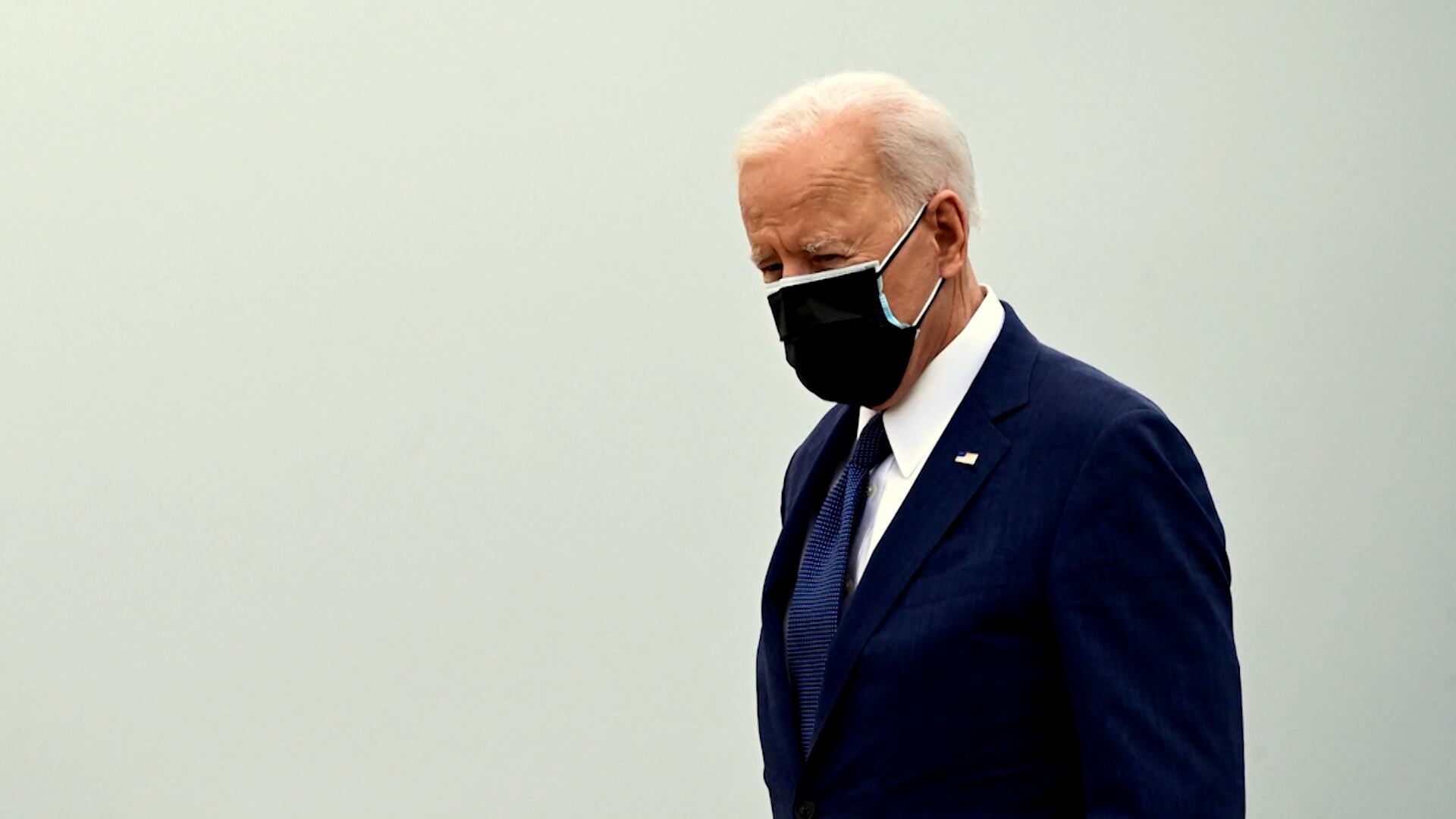
In London for a commemoration of NATO's 70th birthday, President Trump indicated that the trade war with China may drag on, at least through the 2020 election. The president said he was willing to wait until then to make a deal with China on tariffs, a reversal from previous comments from White House officials that a deal was within striking distance. Stocks plunged on that news, but then recovered and ended the week sharply higher, lifted by the gangbusters employment number. And yet, the trade jitters remain. In addition to the conflicting statements on China, the Trump administration has proposed a tariff of up to 100 percent on $2.4 billion worth of French imports ー including handbags, cheese, and wine, that could impact American consumers. Meanwhile, the deadline for the next round of tariffs on Chinese goods is still scheduled for Dec. 15.
CYBER MONDAY BONANZA
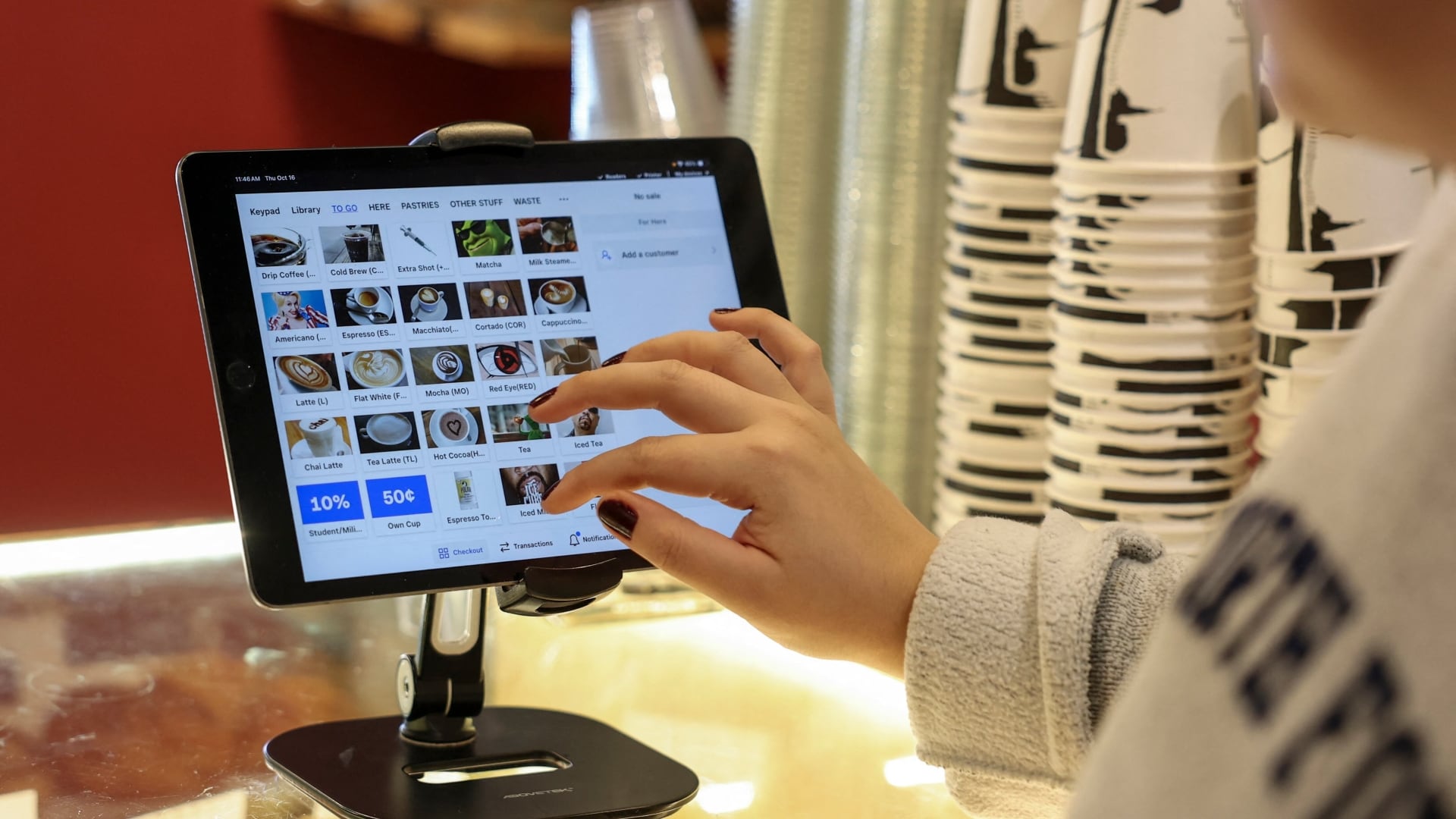
Fourteen years after the term was coined, Cyber Monday has grown to become one of the most critical shopping events of the year for retailers. And in 2019, it hit a record. According to Adobe Analytics, shoppers spent $9.4 billion online ー the first $9 billion e-commerce day ever, and 19 percent higher than last year's Cyber Monday (and in addition to the $7.4 billion spent online on Black Friday). Total online spend for the season is expected to reach $143 billion, Adobe says, versus $126 billion in 2018. Big-box retailers like Target and Walmart are seeing some of the strongest e-commerce growth, as well as ーof course ー Amazon, which said this Cyber Monday was its biggest shopping day in the company's history.
GOOGLE TURNS THE PAGE
It's an end of an era at Google, where the co-founders who began the search giant in their friend's garage have officially relinquished executive control to Google CEO Sundar Pichai. Larry Page and Sergei Brin, who had stopped running the day-to-day operations years ago, will remain on the Alphabet board, and control a majority of the company's voting shares. They are stepping away from the company they started at a precarious time. Google is in the regulatory crosshairs of several governments over antitrust concerns and how it collects its vast troves of data. Pichai, an Indian immigrant who rose through the ranks of the company, will become CEO of both Alphabet and Google ー making him one of the single most powerful people in Silicon Valley.
UNITED CEO OUT
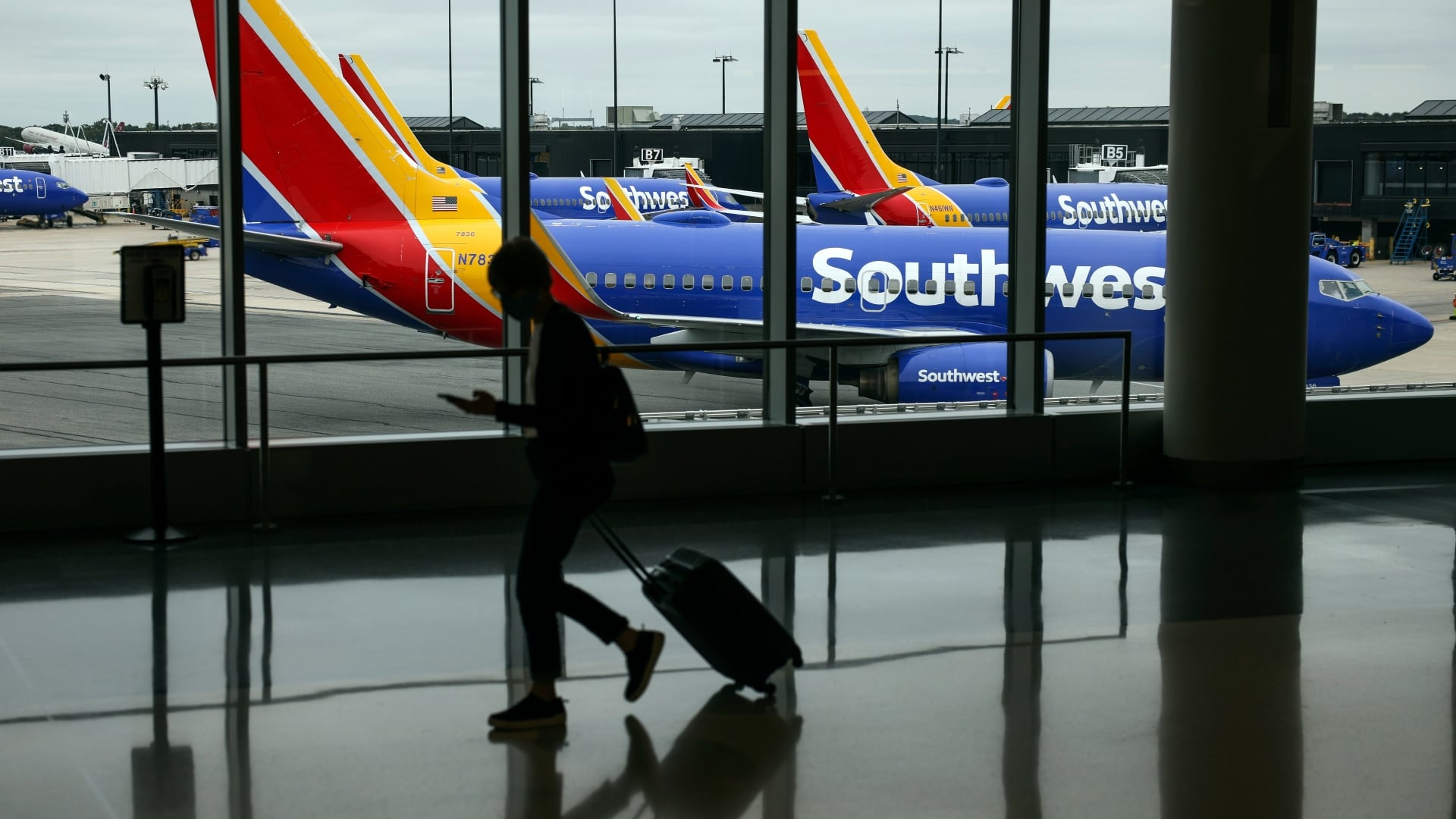
Brin and Page weren't the only executive departures of the week in a year that has seen a record number of CEO exits. Oscar Munoz, the chief executive of United Airlines, is resigning effective in May. United is promoting his deputy, Scott Kirby, who was rumored to be in the running for the top job at rival American Airlines. Munoz took over United four years ago and will leave the carrier in better shape than he found it, though he is perhaps best known for the company's botched response to an incident in 2017 in which a doctor was dragged screaming off of an overbooked flight.