The View From Nevada: Senate Race Too Close for GOP Comfort
*By J.D. Durkin*
When Dean Heller first entered national politics in his native Nevada, the likelihood of Donald Trump — then a real estate mega personality and TV host — entering the world of politics seemed an impossible joke to many. Trump, after all, was featured in both WWE Raw and WrestleMania 23 in 2007, the first year that Heller first served in Congress as a member of the House of Representatives.
Heller fought for years to establish his conservative credentials in the purple battleground he represents, clinching a U.S. Senate seat four years later. But years of Republican experience mean little when an outsider TV Manhattanite bulldozes longtime party orthodoxy, and now Heller is one of the few forces of Trump antagonism who remain standing.
But soon — he too may fall.
The tensions between Heller and Trump were never on display so clearly as they were on July 20, 2017, at the White House. Heller and other Republican Senators were stalled on healthcare that particular Wednesday; the President used his head-of-the-table bully pulpit to deliver a searing message to Heller seated just inches away:
"This was the one we were worried about. You weren't there. But you're gonna be. You're gonna be. Look, he wants to remain a senator, doesn't he? And I think the people of your state, which I know very well, I think they're gonna appreciate what you hopefully will do. Any senator who votes against starting debate is really telling America that you're fine with Obamacare. But being fine with Obamacare isn't enough for another reason. Because it's gone. It's failed. It's not gonna be around."
The subtext of Trump's quip was clear: Listen pal, I’m gonna be funny about this for the cameras but don’t take this as a joke.
Healthcare last summer sharply divided the two men, though Heller eventually fell in line to vote through the President’s Tax Cuts and Jobs Act. Trump’s choice of rhetoric, at times, was also a factor in Heller’s hesitancy to go full-MAGA. Forty-five percent of Nevada voters supported Trump in 2016, and the state’s ever-shifting demographics threaten Republican influence every year.
Now, in 2018 — with the healthcare fight long in the rearview and the rivalry between Heller and Trump (somewhat?) behind them, the uncertain political terrain could offer a sharp opportunity for Heller’s Democratic challenger, Rep. Jacky Rosen.
Rosen has been in Congress only two weeks longer than Trump has been President; but voters in the Silver State will have the opportunity in just weeks to decide between a household name they’ve known for decades versus a Congresswoman with momentum — and, perhaps most importantly for the moment, a clearly-defined and unequivocally vocal stance on the contentious confirmation of Justice Brett Kavanaugh.
During the pandemic, student loan debt repayment was put on pause amid an unprecedented crisis. However, on February 1, 2022, the schedule is set to resume, and currently it looks as though the Biden administration has no plans to extend it. Cody Hounanian, the executive director of the Student Debt Crisis Center, spoke to Cheddar about why he believes the loan collection pause needs to at least be extended as borrowers are still struggling with the resurgent pandemic and inflation. "There's really no good economic or policy or political reason as far as why they're focused on getting payments started now," Hounanian said. "We surveyed 33,000 people with student loans last month. Nine out of 10 told us that they are not ready to resume payments."
As the 2022 midterm elections fast approach, here are some politicians Americans should be on the lookout for. Democratic Massachusetts state senator Sonia Chang-Diaz, who was the first Latina and Asian American woman to be elected to the state's senate, now has her eye on the governorship with Republican Charlie Baker leaving. New Jersey GOP candidate for Congress, Billy Prempeh also bears watching, and while Boston's newest mayor, Democrat Michelle Wu, was already sworn in last month, all eyes will be on Beantown as the first woman and first person of color to hold the office tries to usher in a new era for the city.
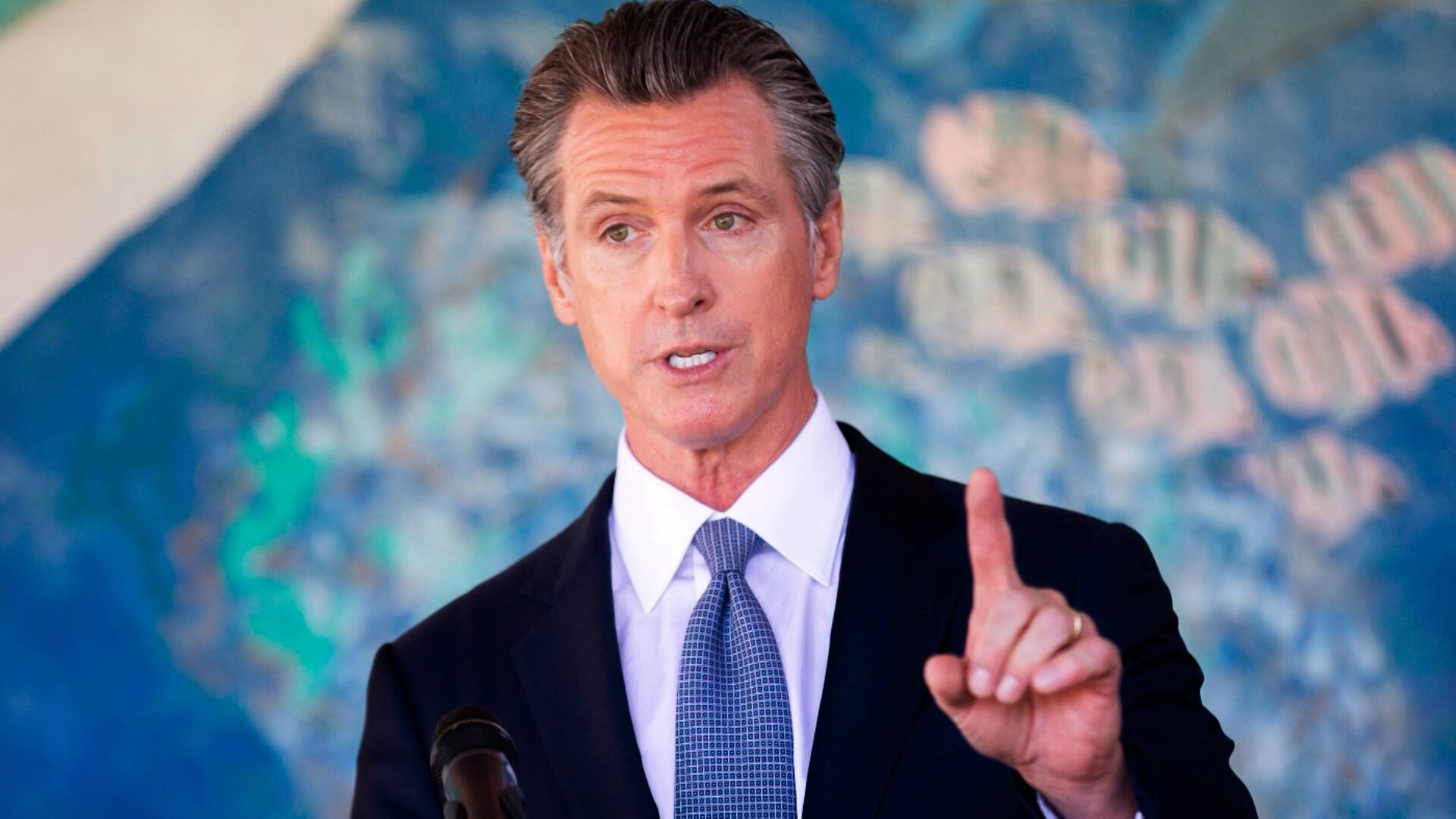
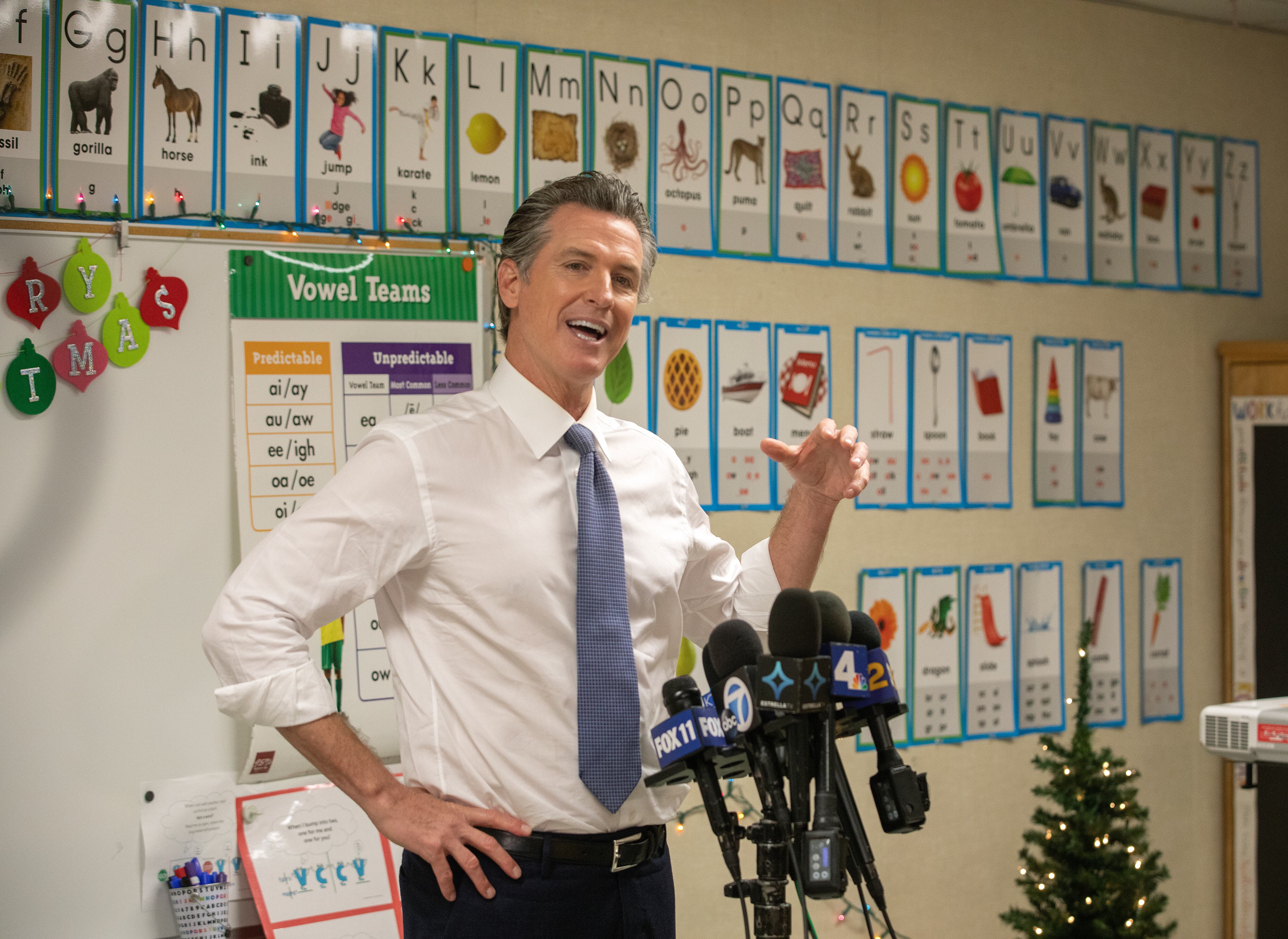
Emily Hoeven, newsletter editor at CalMatters, joins Cheddar News to discuss California Governor Gavin Newsom's gun law modeled after Texas's abortion law.
Chuck Rocha, host of 'Nuestro' podcast and opinion contributor at The New York Times, joins Cheddar News to discuss why Democrats are losing Hispanic voters.
More businesses are requiring workers to return to the office, but there is concern that many employees in the middle class, especially women and people of color, need remote work options for reasons including childcare and financial security. Joan Williams, director of the Center for WorkLife Law at the University of California, joined Cheddar to discuss why office mandates could be detrimental to the middle class. She noted that while companies claim a return to offices would help foster more collaboration and efficiency, reports show that they are successfully able to do their jobs from home.
The U.S. postal service has confirmed that it secretly developed and tested a blockchain-based mobile voting system ahead of the 2020 election. Susan Greenhalgh, senior advisor on election security, Free Speech for People, joins Cheddar News to discuss the cybersecurity complications of a mobile voting system.
The U.S. Supreme Court ruled to allow the controversial Texas abortion law to remain in effect, banning abortion at six weeks and allowing any private citizen to sue a person or doctor aiding or abetting someone seeking an abortion. Outraged at this decision, California Governor Gavin Newsom is working to draft a proposal in line with the law as it relates to guns. Shawn Hubler, California correspondent at the New York Times, joins Cheddar News to discuss.