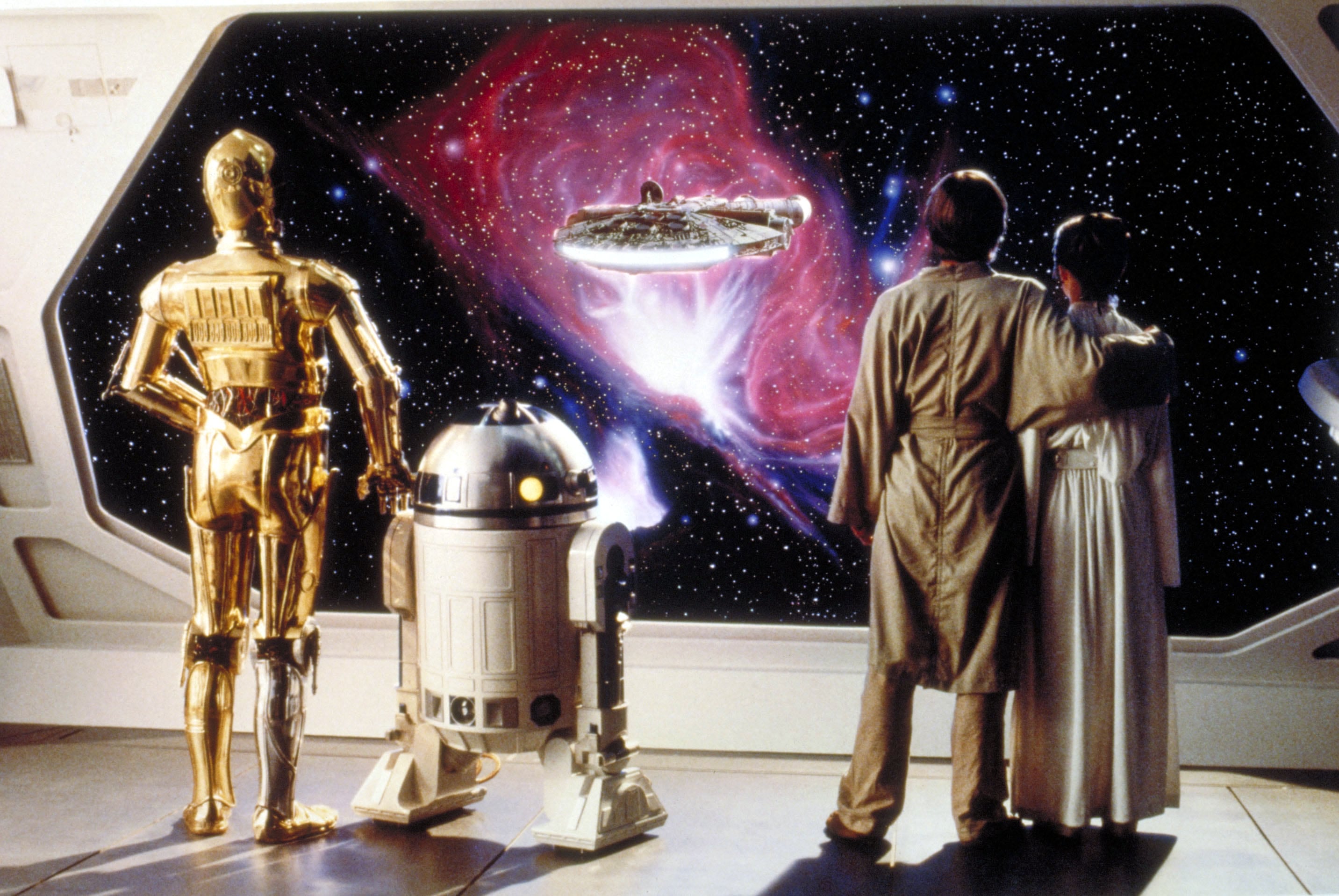
In 1997, “Star Wars” was the 5th highest grossing movie of the year. Before you start um actually-ing me that “Star Wars” came out in 1977 and was the highest grossing movie of its year, I’m talking about the re-release.
George Lucas remastered and put his world-changing classic back on the big screen in January of ‘97 and audiences rushed to it like they didn’t already have a well-loved copy of it on VHS at home. It, along with the rereleases of “Empire Strikes Back” and “Return of the Jedi” the same year, grossed over $250 million at the box office. Even with the few millions put into the revamps, rereleasing the sci-fi trilogy on its 20th anniversary was pure profit for Lucasfilm and 20th Century Fox.
With rereleases being pure profit, why aren’t studios always doing them? Well, they used to. Home video is a relatively new invention, only becoming popularized about 40 years ago. Before then, studios constantly put their older films back in theaters and left their new hits in cinemas for years.
Disney was the best at keeping their films in cinema rotation, making sure one of their animated classics was playing in theaters each summer. Their rereleases were actually so successful they were initially hesitant about putting their movies on VHS.
As home video became a major money maker, the practice of putting classics back in theaters went out of fashion. But with streaming now reigning supreme, home video doesn’t bring in the big bucks it used to. Which brings us to today where studios are making the smart move of rereleasing their classics once again.
For its 50th anniversary “Jaws” swam back onto the big screen this summer making $14 million. That’s no “Star Wars” in ‘97, but since Jaws had no marketing or production costs, that’s a nice tidy profit. Watching a movie at home doesn’t compare to seeing it in a theater, so I’m excited for “Back to the Future” returning to the big screen this weekend and I’m glad this pure profit enterprise is making its grand return.