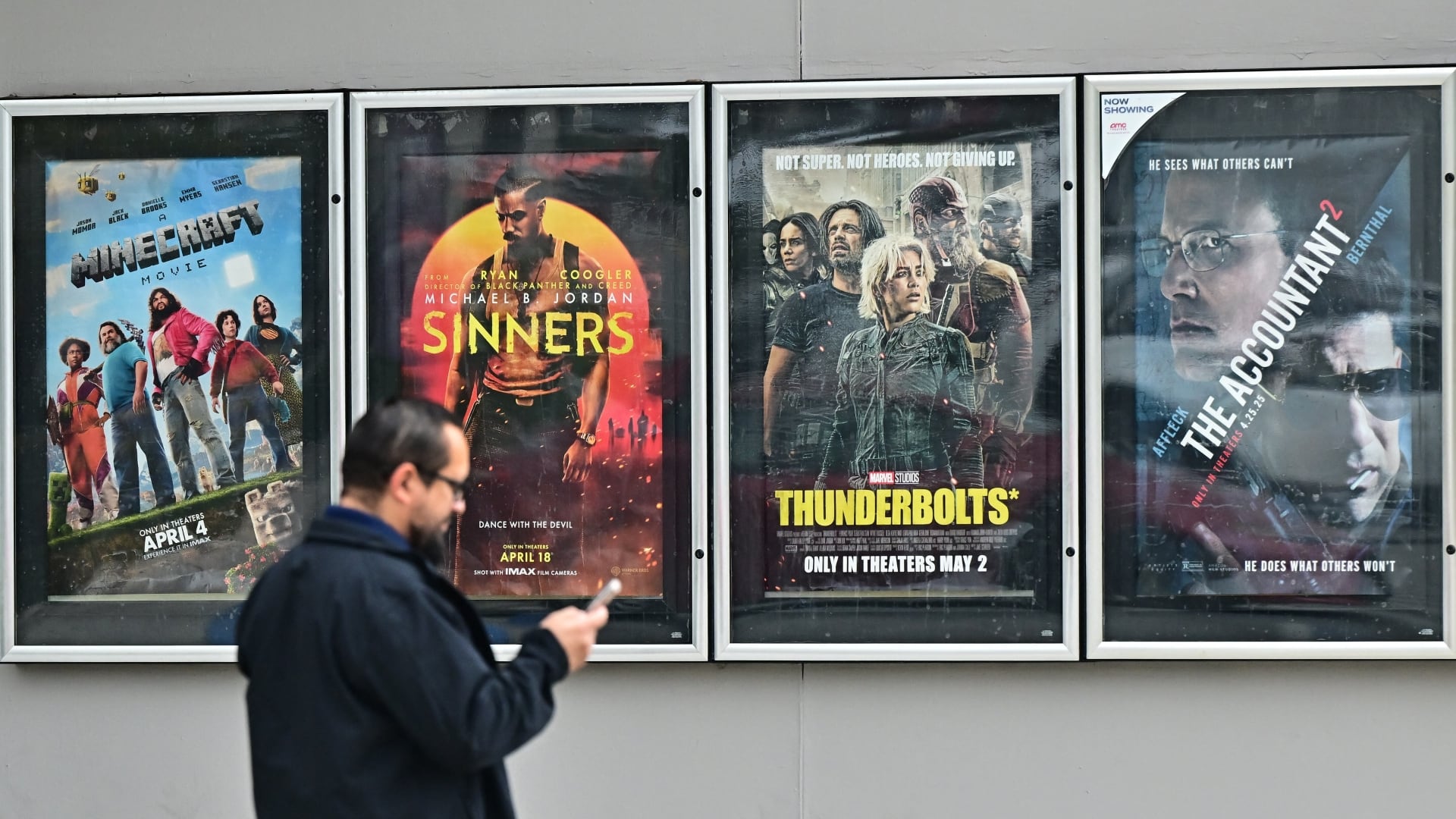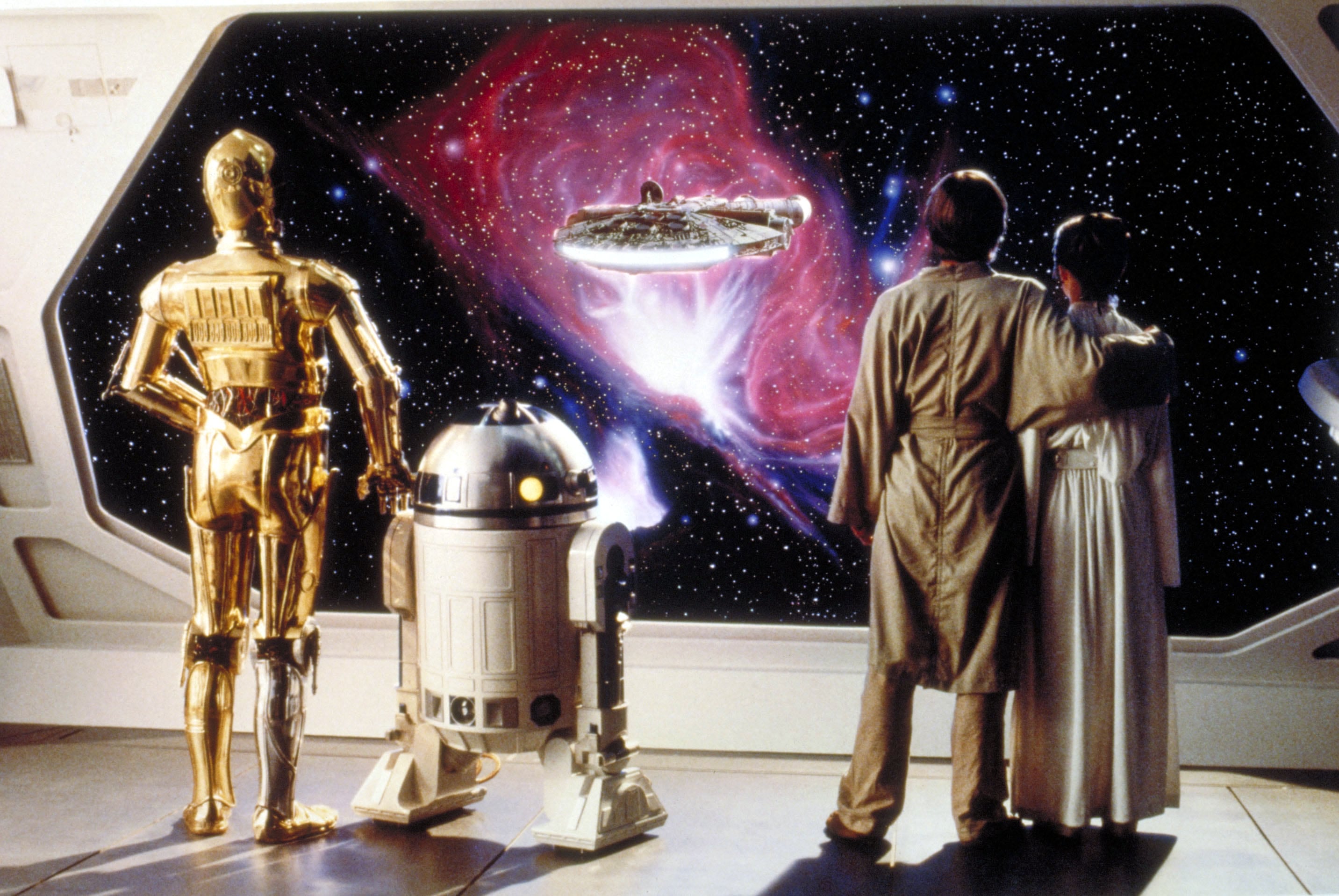
In 1997, “Star Wars” was the 5th highest grossing movie of the year. Before you start um actually-ing me that “Star Wars” came out in 1977 and was the highest grossing movie of its year, I’m talking about the re-release.

George Lucas remastered and put his world-changing classic back on the big screen in January of ‘97 and audiences rushed to it like they didn’t already have a well-loved copy of it on VHS at home. It, along with the rereleases of “Empire Strikes Back” and “Return of the Jedi” the same year, grossed over $250 million at the box office. Even with the few millions put into the revamps, rereleasing the sci-fi trilogy on its 20th anniversary was pure profit for Lucasfilm and 20th Century Fox.

With rereleases being pure profit, why aren’t studios always doing them? Well, they used to. Home video is a relatively new invention, only becoming popularized about 40 years ago. Before then, studios constantly put their older films back in theaters and left their new hits in cinemas for years.

Disney was the best at keeping their films in cinema rotation, making sure one of their animated classics was playing in theaters each summer. Their rereleases were actually so successful they were initially hesitant about putting their movies on VHS.

As home video became a major money maker, the practice of putting classics back in theaters went out of fashion. But with streaming now reigning supreme, home video doesn’t bring in the big bucks it used to. Which brings us to today where studios are making the smart move of rereleasing their classics once again.

For its 50th anniversary “Jaws” swam back onto the big screen this summer making $14 million. That’s no “Star Wars” in ‘97, but since Jaws had no marketing or production costs, that’s a nice tidy profit. Watching a movie at home doesn’t compare to seeing it in a theater, so I’m excited for “Back to the Future” returning to the big screen this weekend and I’m glad this pure profit enterprise is making its grand return.
Share:
More In Business
Michigan Judge Sentences Walmart Shoplifters to Wash Parking Lot Cars
A Michigan judge is putting sponges in the hands of shoplifters and ordering them to wash cars in a Walmart parking lot when spring weather arrives. Genesee County Judge Jeffrey Clothier hopes the unusual form of community service discourages people from stealing from Walmart. The judge also wants to reward shoppers with free car washes. Clothier says he began ordering “Walmart wash” sentences this week for shoplifting at the store in Grand Blanc Township. He believes 75 to 100 people eventually will be ordered to wash cars this spring. Clothier says he will be washing cars alongside them when the time comes.
State Department Halts Plan to buy $400M of Armored Tesla Vehicles
The State Department had been in talks with Elon Musk’s Tesla company to buy armored electric vehicles, but the plans have been put on hold by the Trump administration after reports emerged about a potential $400 million purchase. A State Department spokesperson said the electric car company owned by Musk was the only one that expressed interest back in May 2024. The deal with Tesla was only in its planning phases but it was forecast to be the largest contract of the year. It shows how some of his wealth has come and was still expected to come from taxpayers.
Goodyear Blimp at 100: ‘Floating Piece of Americana’ Still Thriving
At 100 years old, the Goodyear Blimp is an ageless star in the sky. The 246-foot-long airship will be in the background of the Daytona 500 — flying roughly 1,500 feet above Daytona International Speedway, actually — to celebrate its greatest anniversary tour. Even though remote camera technologies are improving regularly and changing the landscape of aerial footage, the blimp continues to carve out a niche. At Daytona, with the usual 40-car field racing around a 2½-mile superspeedway, views from the blimp aptly provide the scope of the event.
Is U.S. Restaurants’ Breakfast Boom Contributing to High Egg Prices?
It’s a chicken-and-egg problem: Restaurants are struggling with record-high U.S. egg prices, but their omelets, scrambles and huevos rancheros may be part of the problem. Breakfast is booming at U.S. eateries. First Watch, a restaurant chain that serves breakfast, brunch and lunch, nearly quadrupled its locations over the past decade to 570. Fast-food chains like Starbucks and Wendy's added more egg-filled breakfast items. In normal times, egg producers could meet the demand. But a bird flu outbreak that has forced them to slaughter their flocks is making supplies scarcer and pushing up prices. Some restaurants like Waffle House have added a surcharge to offset their costs.
Load More