The 'Tragedy' of Venezuela: Film Shows How Oil-Rich Nation Was Destroyed From the Inside
*By Bridgette Webb*
Venezuela, once among the wealthiest economies in Latin America, is now in a state of crisis.
According to Brian Price, executive producer of a new documentary "Venezuela: State of Disaster'" decades of greed and corruption have created an impenetrable barrier.
"They had tremendous oil resources and still do," Price said in an interview on Cheddar Wednesday.
"Right now they are sitting on 300 million barrels of oil ー in a conservative market call it $1 trillion dollars worth ー and they have no way of extracting that wealth because the entire system of extraction has been completely decimated."
Venezuela’s drop in oil production volumes was the largest global unplanned fall in crude oil in 2017. That trend has continued. Oil production in the nation now stands at its lowest level in more than 50 years.
Of the oil that is produced, much of it is being used to pay off interest on Venezuela's massive debt load to countries like China and Russia. Venezuela has borrowed billions of dollars from the two over the years, mostly through oil-for-loan deals.
The economic crisis is also hitting Venezuela's public health system.
In addition to a shortage of doctors, nurses, and supplies, Price said even the most basic needs of patients can't be met.
"They have to ask patients to bring their own light bulb when they check in the hospital because there is no light in the room. It's a good and it has value and people will steal that from the hospital," he said.
Meanwhile, the President of Venezuela, Nicolás Maduro, has been steadily shifting the country from a democratic nation into a dictatorship.
Since he was elected back in 2013 Maduro has consolidated power by jailing would-be competition and neutralizing any opposition.
Although his presidency is slated to end on Jan. 10 2019, Maduro is expected to be "re-inaugurated" that day on the basis of elections held last May, which are widely viewed as fraudulent.
There have already been rumblings that the International community is ready to act against Maduro, though Price believes it will be very challenging to remove him from power.
"He will do whatever he has to do to stay in power ー \[including\] moving up an election, that was supposed to occur in December because it fit his needs. He is a corrupt leader, like any dictator you have to be skeptical of any tactics he uses, specifically because he wants to stay in power."
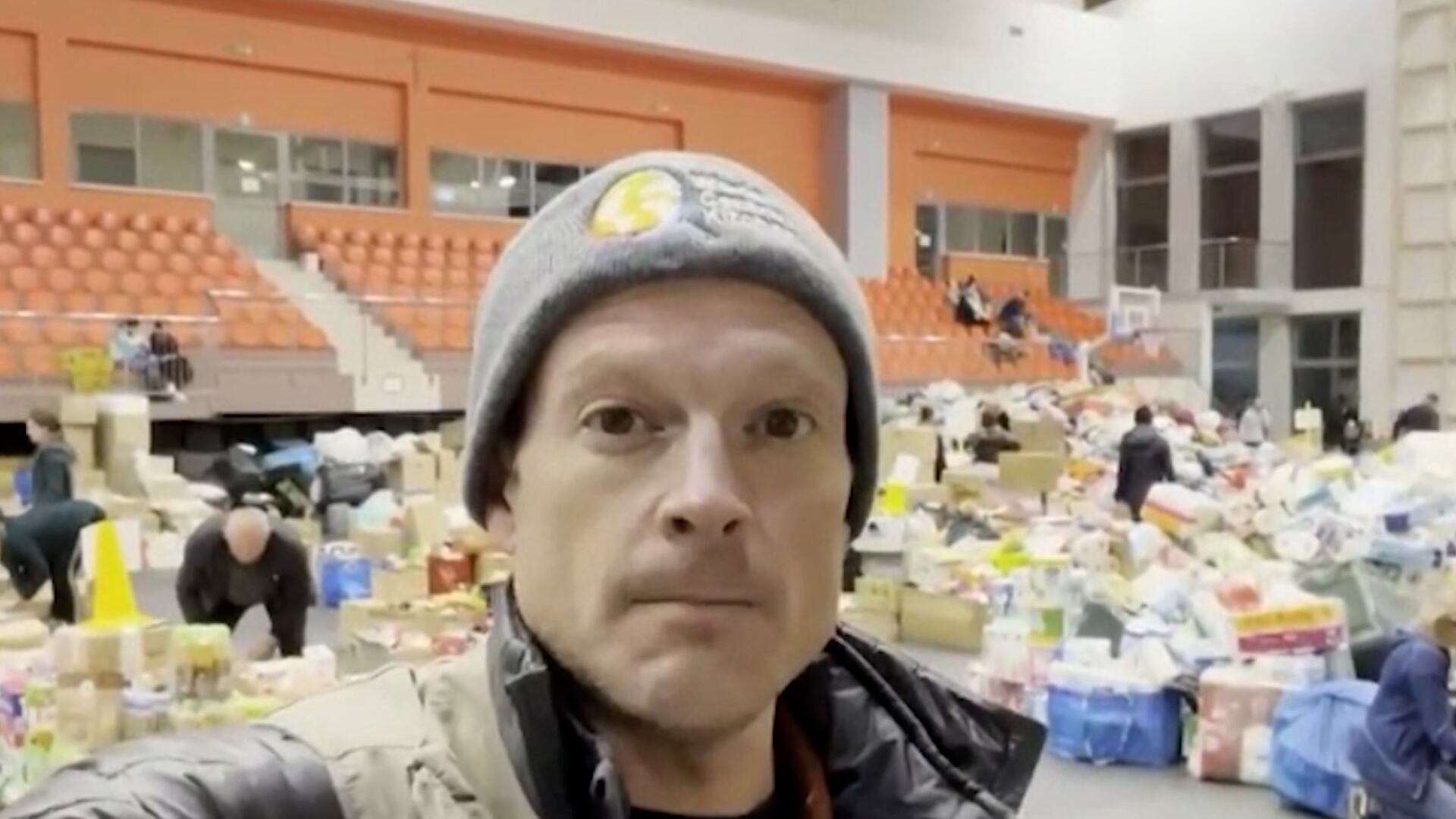
World Central Kitchen is Ukraine helping to feed people remaining in the country or fleeing from the Russian forces. Nate Mook, CEO for the non-profit, joined Cheddar New to discuss the efforts being made to help those in need in a very tenuous situation and how the invasion disrupted the lives of Ukrainian people."We met a young woman from Kyiv who had crossed into Poland, she had a great job, she just moved into a new apartment. She was really excited about decorating her apartment. You know, things that we all do on a day-to-day basis, and she had to just abandon her life," he said.
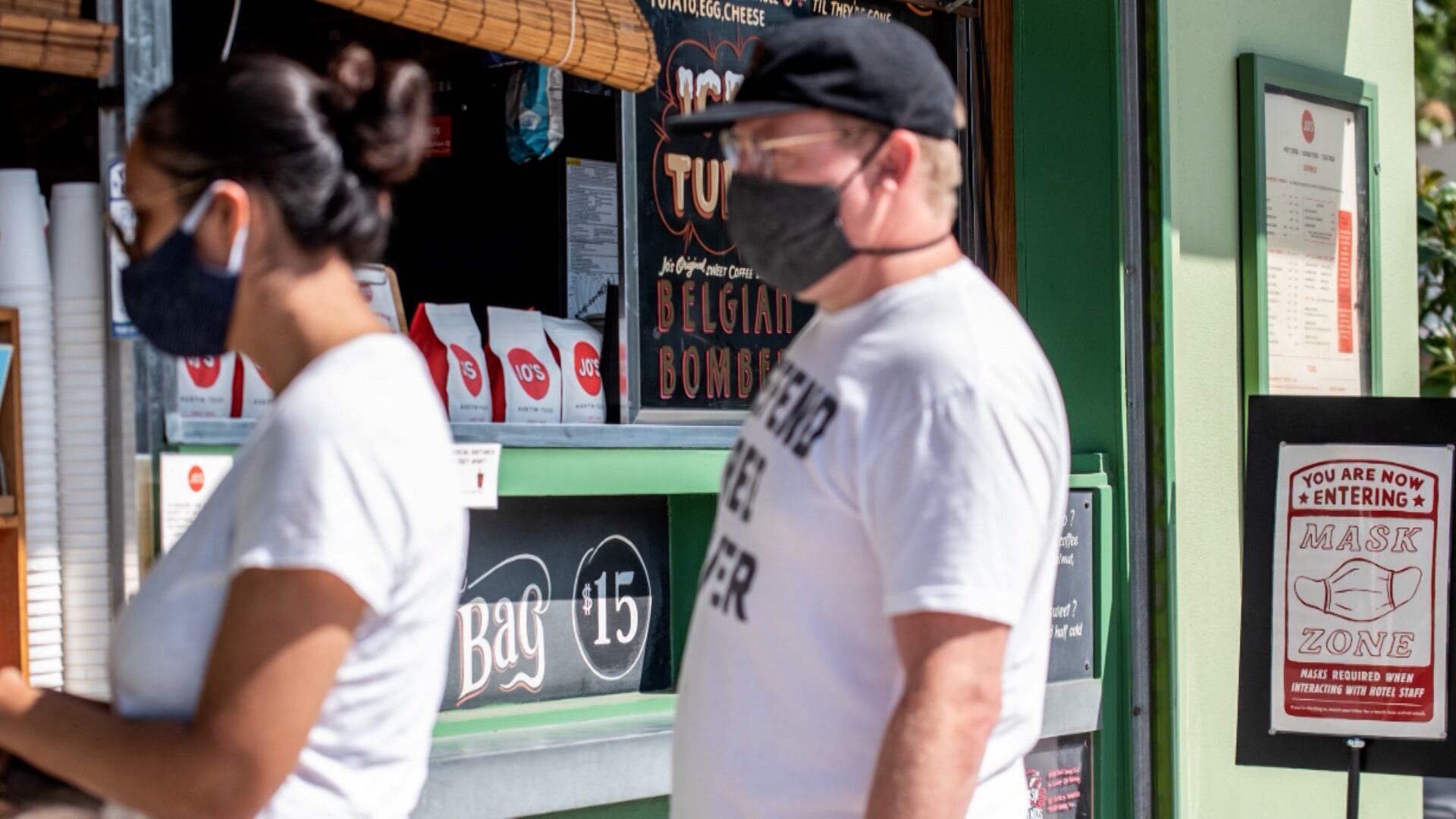
Bina Venkataraman, Boston Globe Editorial Page Editor & former White House disaster policy adviser joins Cheddar News to discuss the current state of the pandemic as well as Biden's handling of the crisis
Michael Li senior counsel for the Brennan Center's Democracy Program joins Cheddar News to discuss gerrymandering and how it's impacting American politics
As half a million Ukrainians fled when Russia invaded its neighbor, some civilians chose to stay in harm's way. Igor Gamaniuk, a 17-year-old Ukrainian college student, joined Cheddar News to talk about his decision to remain in his beloved country and volunteer to support soldiers with food, clothing, and supplies. "Right now people are pretty calm in my town. We are trying not to panic. But we have to be cautious because every day and every night the siren could sound and we have to move away from the window or go to the nearest shelter," Gamaniuk explained.
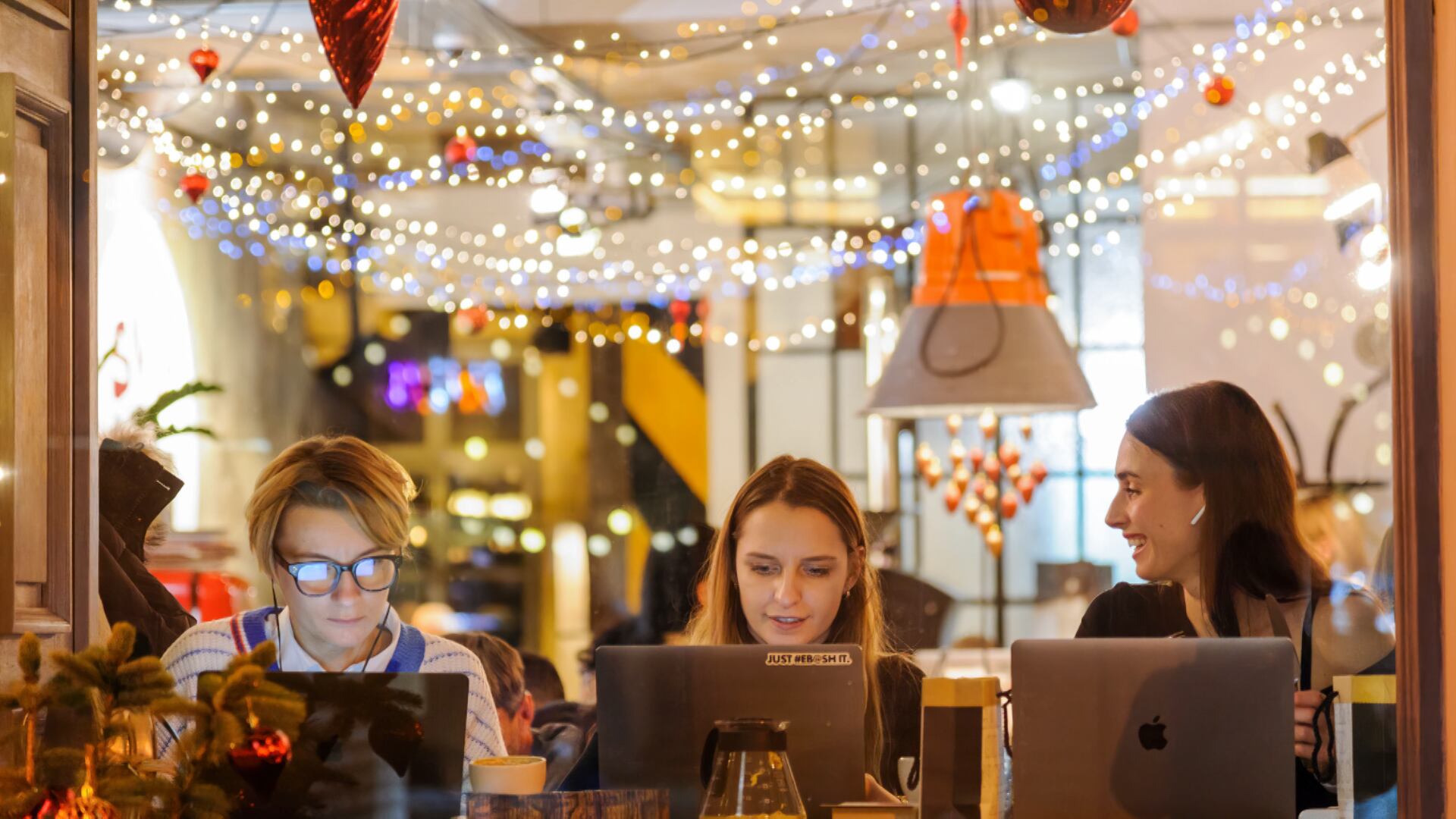
As Russia continues to invade Ukraine, its tech outsourcing sector is at risk. Over the past few years, the country has become a popular outsourcing destination for American and European tech companies, but now the future of that industry is uncertain. Isabelle Bousquette, enterprise technology reporter, for The Wall Street Journal, discusses what repercussions the crisis might have on the industry, and what companies are doing to mitigate possible disruptions.
In a nearly 3,700 page UN report, climate scientists outline the imminent dangers caused by climate change, saying fossil fuels are 'choking humanity.' The report calls some of the impacts of global warming 'irreversible,' warning of extreme consequences in the near future. Kristie L. Ebi, Professor of Global Health and Environmental and Occupational Health Sciences, University of Washington joined Cheddar's Opening Bell to discuss.