The 'Tragedy' of Venezuela: Film Shows How Oil-Rich Nation Was Destroyed From the Inside
*By Bridgette Webb*
Venezuela, once among the wealthiest economies in Latin America, is now in a state of crisis.
According to Brian Price, executive producer of a new documentary "Venezuela: State of Disaster'" decades of greed and corruption have created an impenetrable barrier.
"They had tremendous oil resources and still do," Price said in an interview on Cheddar Wednesday.
"Right now they are sitting on 300 million barrels of oil ー in a conservative market call it $1 trillion dollars worth ー and they have no way of extracting that wealth because the entire system of extraction has been completely decimated."
Venezuela’s drop in oil production volumes was the largest global unplanned fall in crude oil in 2017. That trend has continued. Oil production in the nation now stands at its lowest level in more than 50 years.
Of the oil that is produced, much of it is being used to pay off interest on Venezuela's massive debt load to countries like China and Russia. Venezuela has borrowed billions of dollars from the two over the years, mostly through oil-for-loan deals.
The economic crisis is also hitting Venezuela's public health system.
In addition to a shortage of doctors, nurses, and supplies, Price said even the most basic needs of patients can't be met.
"They have to ask patients to bring their own light bulb when they check in the hospital because there is no light in the room. It's a good and it has value and people will steal that from the hospital," he said.
Meanwhile, the President of Venezuela, Nicolás Maduro, has been steadily shifting the country from a democratic nation into a dictatorship.
Since he was elected back in 2013 Maduro has consolidated power by jailing would-be competition and neutralizing any opposition.
Although his presidency is slated to end on Jan. 10 2019, Maduro is expected to be "re-inaugurated" that day on the basis of elections held last May, which are widely viewed as fraudulent.
There have already been rumblings that the International community is ready to act against Maduro, though Price believes it will be very challenging to remove him from power.
"He will do whatever he has to do to stay in power ー \[including\] moving up an election, that was supposed to occur in December because it fit his needs. He is a corrupt leader, like any dictator you have to be skeptical of any tactics he uses, specifically because he wants to stay in power."
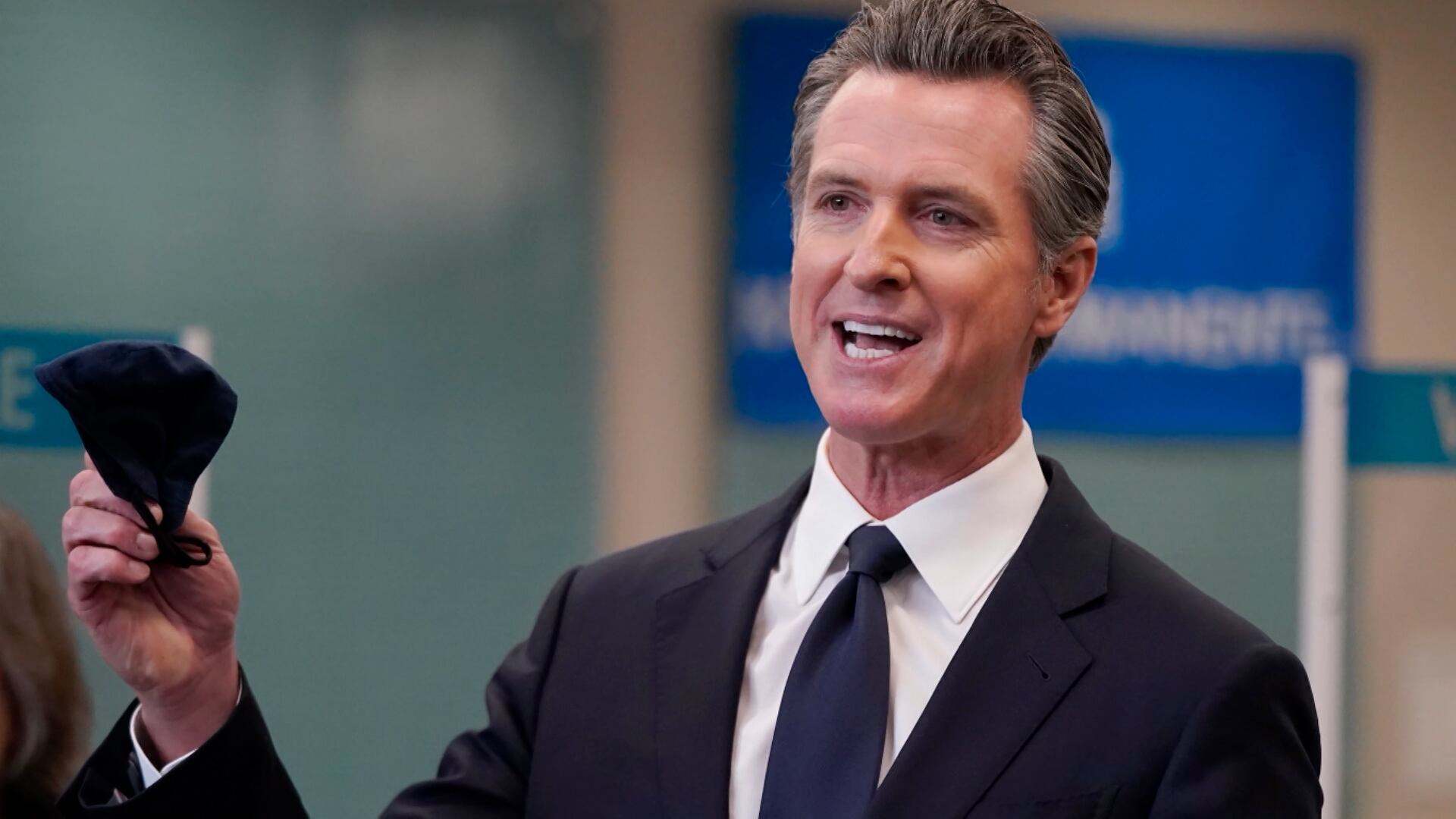
California Governor Gavin Newsom is projected to keep his job. Around two-thirds of the votes have been reported, and roughly 64% of those votes are in favor of keeping Newsom as their governor.
Daniel Strauss, senior political correspondent at The New Republic, joined Cheddar's Opening Bell to discuss more about what Newsom's win means to both political parties moving into Midterm elections season.
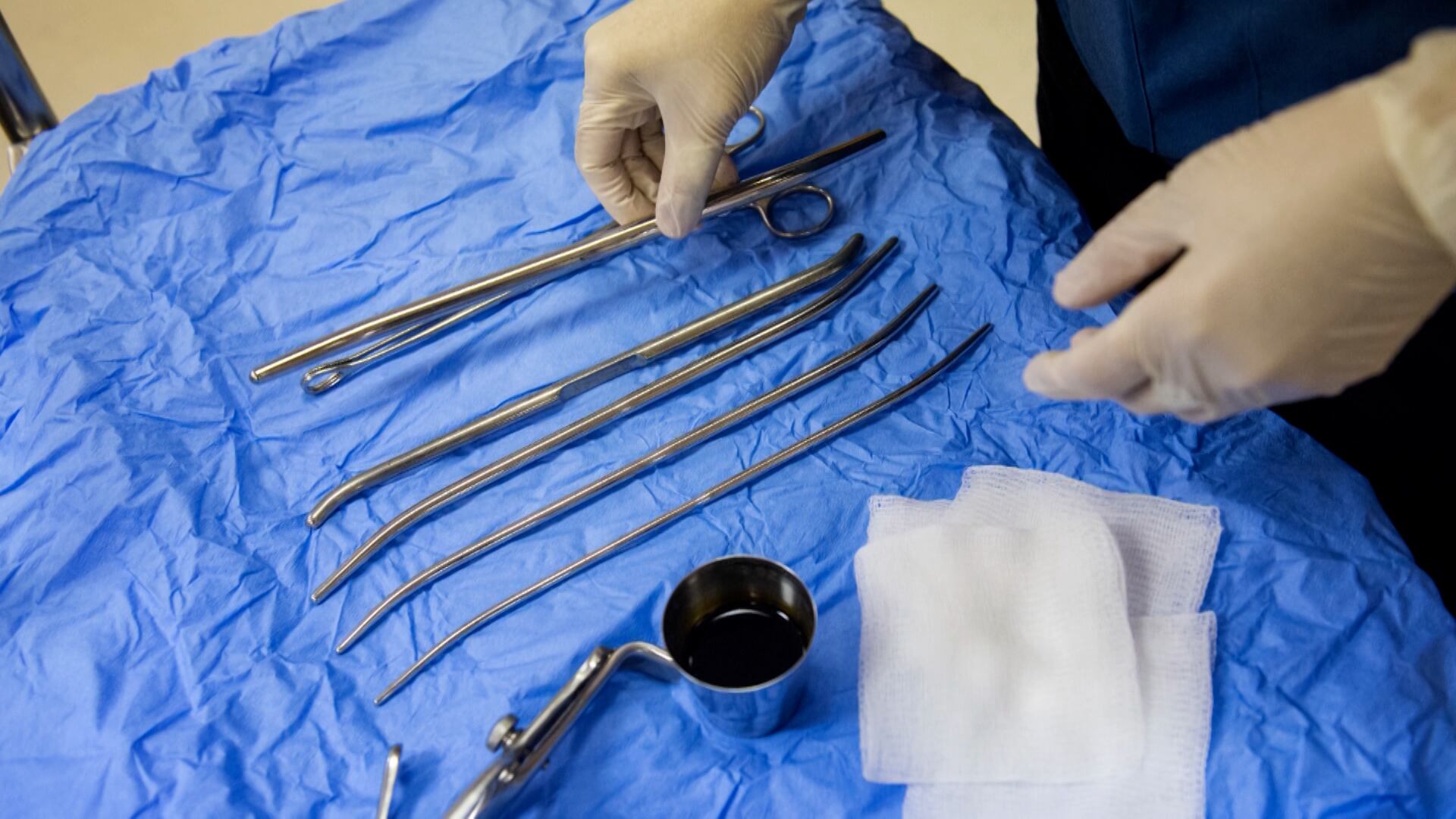
The Department of Justice is suing Texas over the state's new abortion law that prohibits abortions after six weeks, well before many women even know they're pregnant. The lawsuit argues the law is unconstitutional under long-standing Supreme Court precedent. It was filed last week in federal court in Texas, but could go all the way to the high court within weeks. Josh Blackman, a constitutional law professor at South Texas College of Law Houston, discusses the DOJ lawsuit and what it could mean for other abortion laws across the country.
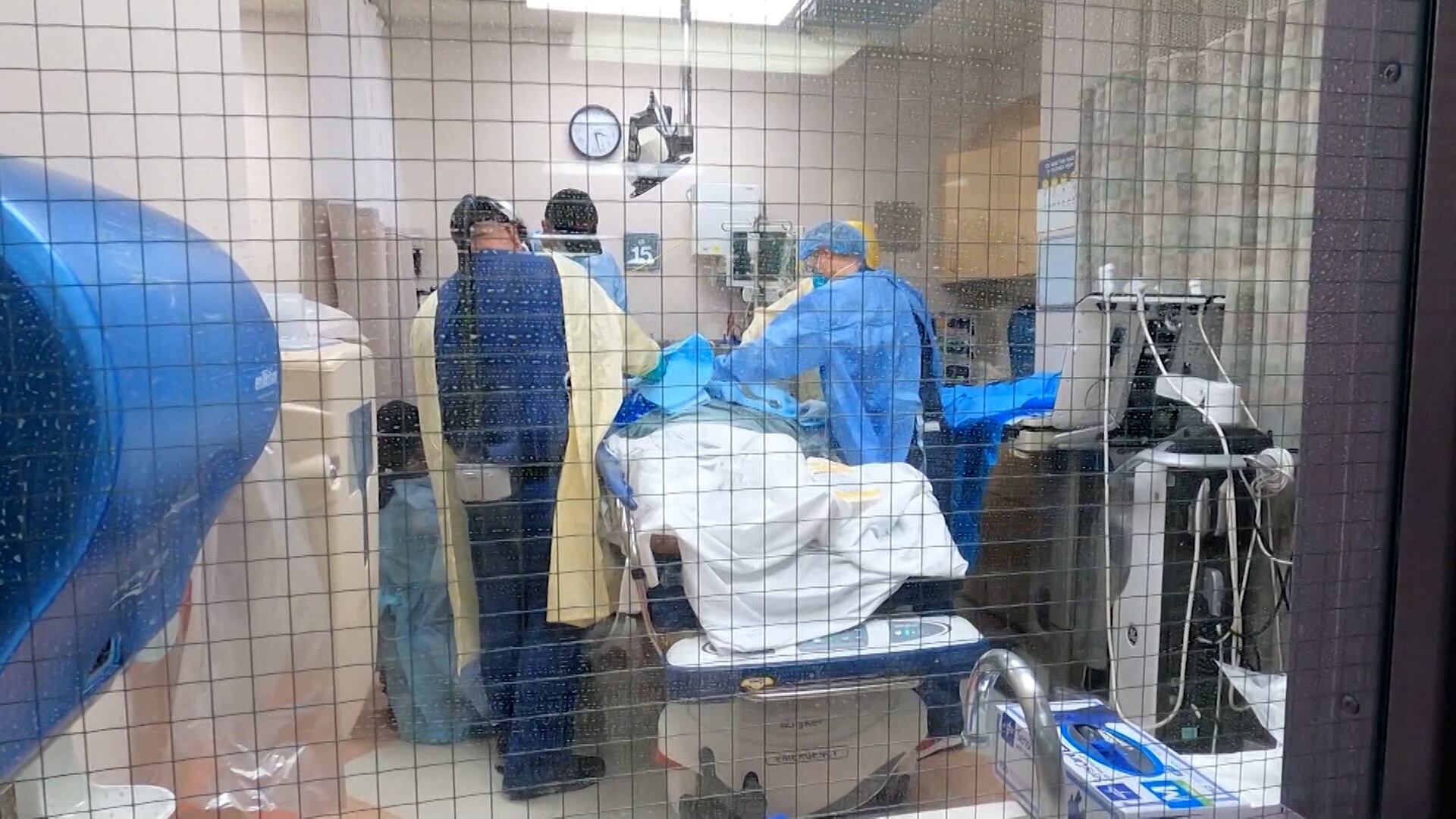
26 states have now fully vaccinated more than half of their population with Vermont, Connecticut, and Massachusetts fully vaccinating at least two-thirds of their residents. These three states are among the ones with the lowest new Covid-19 cases per capita, but in states with low vaccination rates, hospitals are filling up again.
Dr. Rob Davidson, ER doctor and executive director of Committee to Protect Health Care, joined Cheddar's Opening Bell to discuss more.
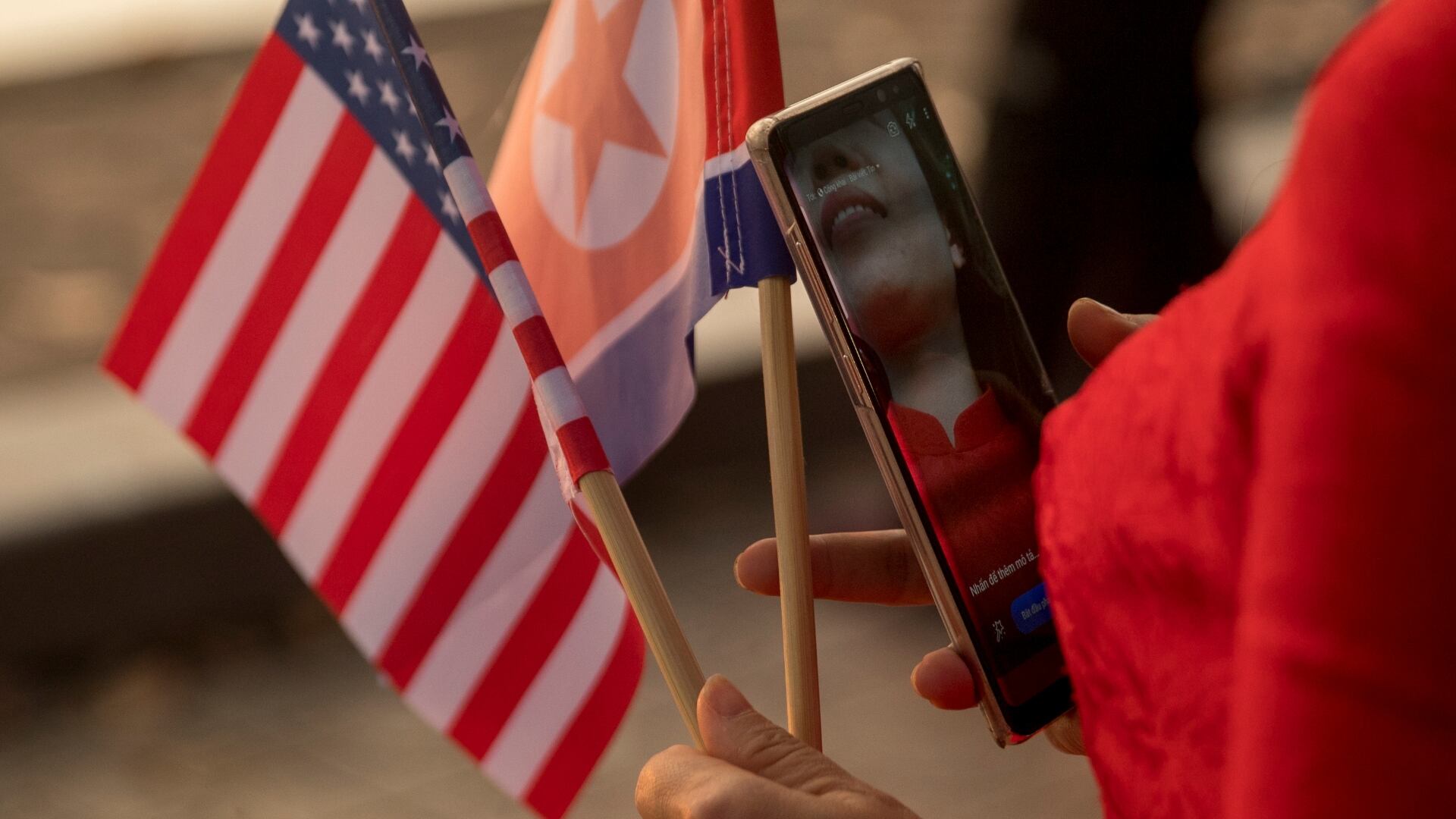
The Biden Administration has officially extended a ban on a Trump-era policy that prohibits traveling with a U.S. passport to North Korea. The extension is expected to last until August 2022. The ban was initially enforced after the death of Otto Warmbier, who entered a vegetative state while in North Korean custody. Advocates against the ban argue that it has caused crippling impacts on Korean Americans who have not been able to reunite with their families back home. Senior Fellow at The Foundation For Defense of Democracies Anthony Ruggiero joined Cheddar's News Wrap to discuss more.