The 'Tragedy' of Venezuela: Film Shows How Oil-Rich Nation Was Destroyed From the Inside
*By Bridgette Webb*
Venezuela, once among the wealthiest economies in Latin America, is now in a state of crisis.
According to Brian Price, executive producer of a new documentary "Venezuela: State of Disaster'" decades of greed and corruption have created an impenetrable barrier.
"They had tremendous oil resources and still do," Price said in an interview on Cheddar Wednesday.
"Right now they are sitting on 300 million barrels of oil ー in a conservative market call it $1 trillion dollars worth ー and they have no way of extracting that wealth because the entire system of extraction has been completely decimated."
Venezuela’s drop in oil production volumes was the largest global unplanned fall in crude oil in 2017. That trend has continued. Oil production in the nation now stands at its lowest level in more than 50 years.
Of the oil that is produced, much of it is being used to pay off interest on Venezuela's massive debt load to countries like China and Russia. Venezuela has borrowed billions of dollars from the two over the years, mostly through oil-for-loan deals.
The economic crisis is also hitting Venezuela's public health system.
In addition to a shortage of doctors, nurses, and supplies, Price said even the most basic needs of patients can't be met.
"They have to ask patients to bring their own light bulb when they check in the hospital because there is no light in the room. It's a good and it has value and people will steal that from the hospital," he said.
Meanwhile, the President of Venezuela, Nicolás Maduro, has been steadily shifting the country from a democratic nation into a dictatorship.
Since he was elected back in 2013 Maduro has consolidated power by jailing would-be competition and neutralizing any opposition.
Although his presidency is slated to end on Jan. 10 2019, Maduro is expected to be "re-inaugurated" that day on the basis of elections held last May, which are widely viewed as fraudulent.
There have already been rumblings that the International community is ready to act against Maduro, though Price believes it will be very challenging to remove him from power.
"He will do whatever he has to do to stay in power ー \[including\] moving up an election, that was supposed to occur in December because it fit his needs. He is a corrupt leader, like any dictator you have to be skeptical of any tactics he uses, specifically because he wants to stay in power."
Inflation remains hot as the January PPI has increased by 1 percent, twice what analysts had been expecting with a jump of 9.7 over the year. Beth Ann Bovino, the U.S. chief economist, for S&P Global Ratings, joined Cheddar News to discuss the rapid pace of inflation alongside higher wages, predicting the Federal Reserve will act quickly and forcefully this year. "They haven't changed their forecast, yet, that's gonna come out soon. But we expect that a March rate hike is basically pretty much baked in the cake," she said. "We think six rate hikes in total for 2022."
For black history month, Cheddar is highlighting black business leaders who are driving the need for representation forward. On February 10, the U.S. Chamber of Commerce hosted an event called 'Developing the Black-Owned Business Ecosystem.' The virtual event was organized under the lobbying group's two initiatives -- the Equality of Opportunity Initiative, and the Coalition to Back Black Businesses. The event highlighted the developments needed to develop more black-owned businesses in the U.S. Dr. Anthony Wilbon, Dean of the School of Business at Howard University, joined Cheddar News' Closing Bell to discuss his experience as a speaker at the event.
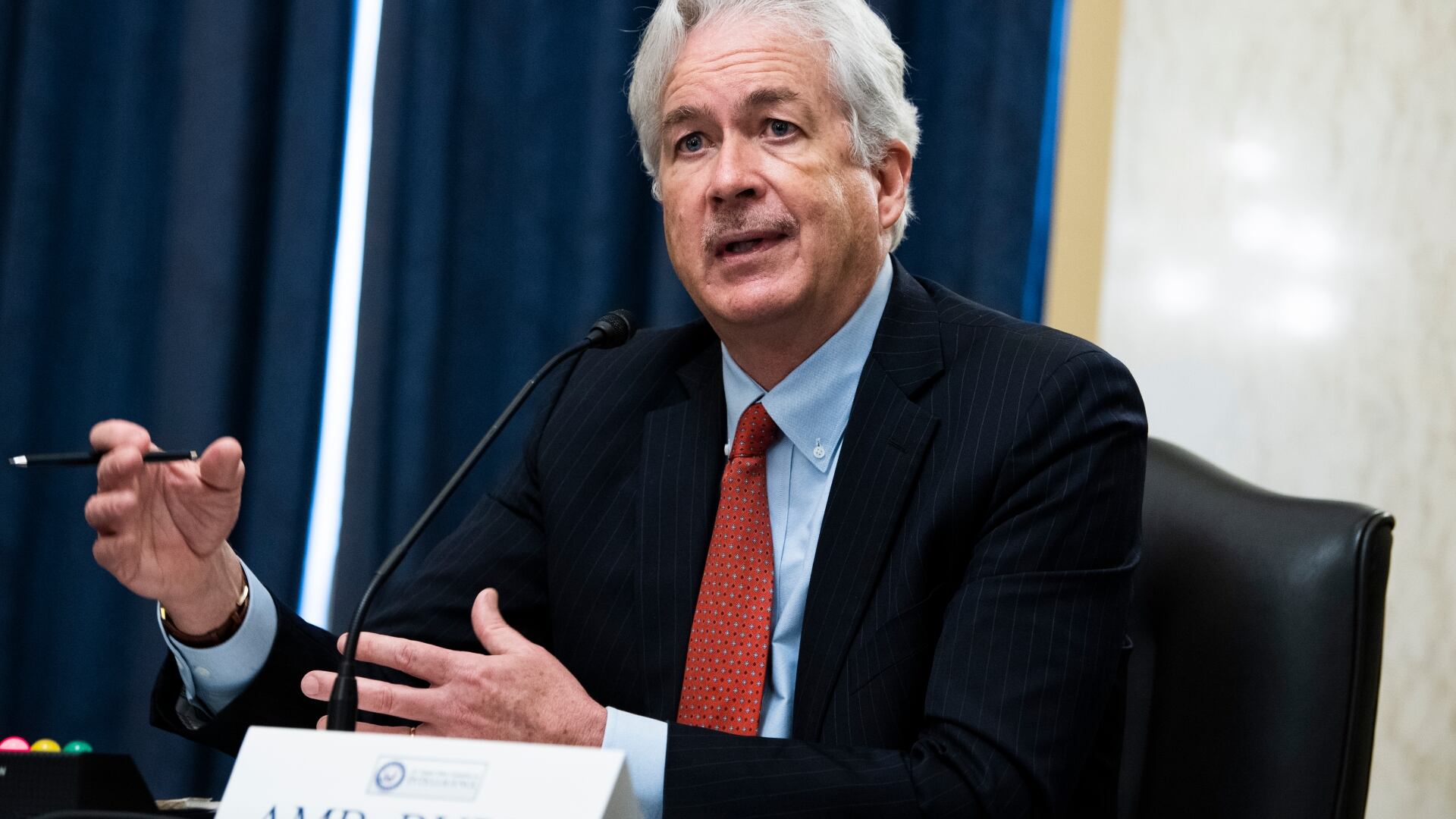
A newly declassified letter by senators Ron Wyden and Martin Heinrich claimed the CIA. has been conducting a Secret Surveillance Program which has been collecting a bulk of data from American citizens. The letter which was written in April of 2021 urges the CIA to come clean about the kind of data it collects and how many Americans have been impacted. According to these two senators, the program did not have the safeguards of congressional oversight.
Art Hogan, Chief Market Strategist at National Securities, joined Cheddar News' Closing Bell, where he says investors are taking a wait-and-see approach when it comes to the situation between Russia and the Ukraine and elaborates on the impact higher oil prices stemming from the conflict would have on the market.
Last week, Senators Ron Wyden of Oregon and Martin Heinrich of New Mexico, Democrats on the Senate Intelligence Committee, wrote a a letter airing concerns that the CIA is collecting the data of American citizens without their consent. The lawmakers fear that the program might be exploiting private data. Morgan Wright, the chief security advisor at cybersecurity firm SentinelOne, joined Cheddar News to discuss the ramifications of the letter. "We don't have all the dots in one place to connect them," said Wright, cautioning against jumping to conclusions.
Russian President Vladimir Putin and his Foreign Minister Sergey Lavrov said that diplomacy is still possible, while U.S. officials warn that an attack on Ukraine is imminent. Cheddar News speaks with James Astill, Washington bureau chief of The Economist on the latest developments in Eastern Europe.
As the number of Russian troops rose to 130,000 along its Ukrainian border, hopes for a diplomatic solution remain among world leaders. Jason McMann, head of geopolitical risk analysis at Morning Consult, joined Cheddar News to break down the fluid situation. "We saw signs pointing towards an increase in tensions between Ukraine and Russia, whereas today we're seeing some signs that the Russian government may be willing to continue down a path of diplomatic negotiations to try and find some sort of non-military solution," he said.
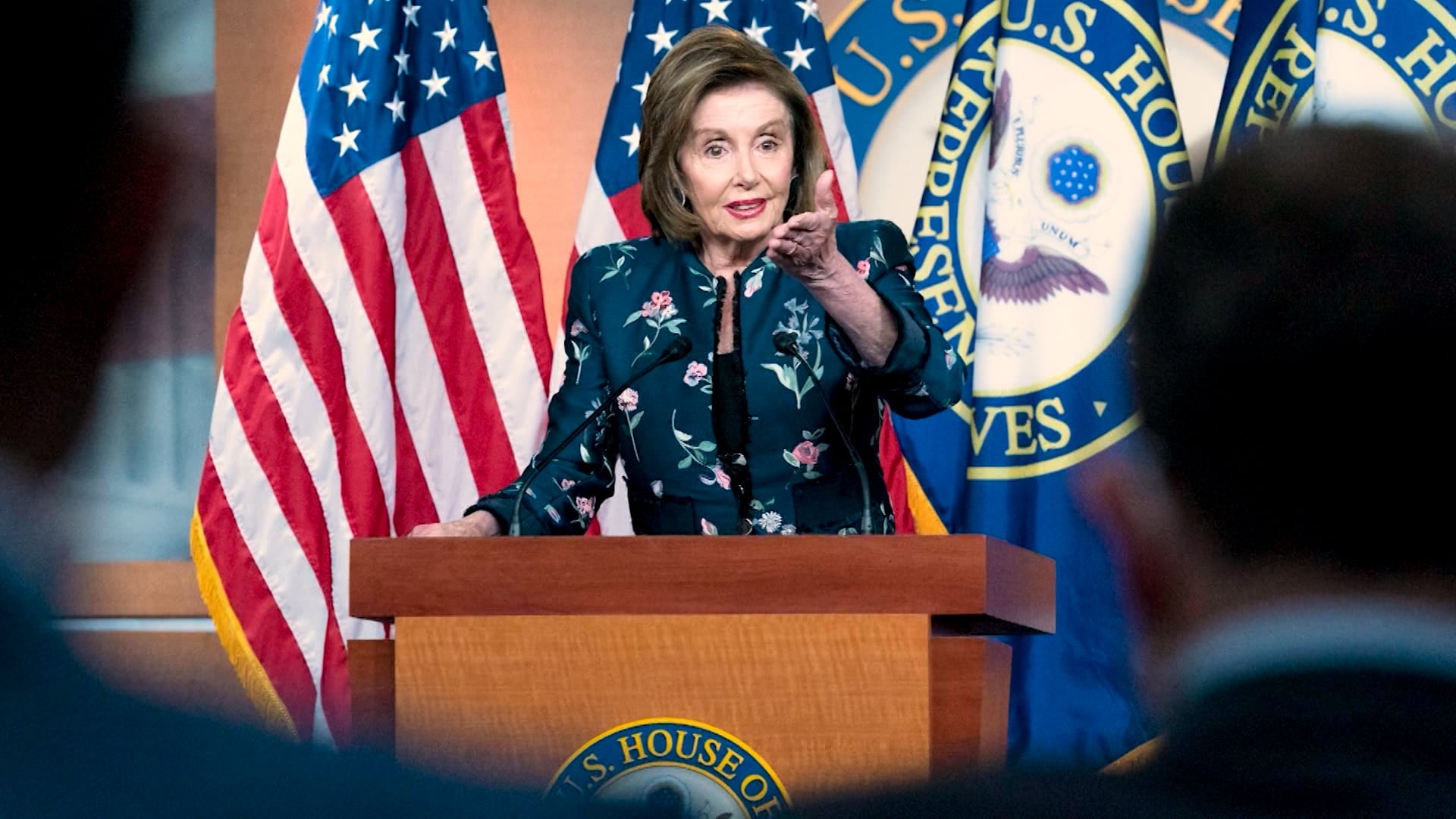
Nancy Pelosi and House Democratic leaders are now planning to amend the stop trading on congressional knowledge act, otherwise known as the 'Stock' Act. This 2012 law governs how members disclose the purchase or sale of stocks and amending it would close a loophole, eliminating the trading of individual stocks by members of congress. Pelosi has consistently opposed a ban on stock trading by lawmakers and congressional staff...so what's changed? Kedric Payne, Vice President of Campaign Legal Center, joins Cheddar News to discuss.
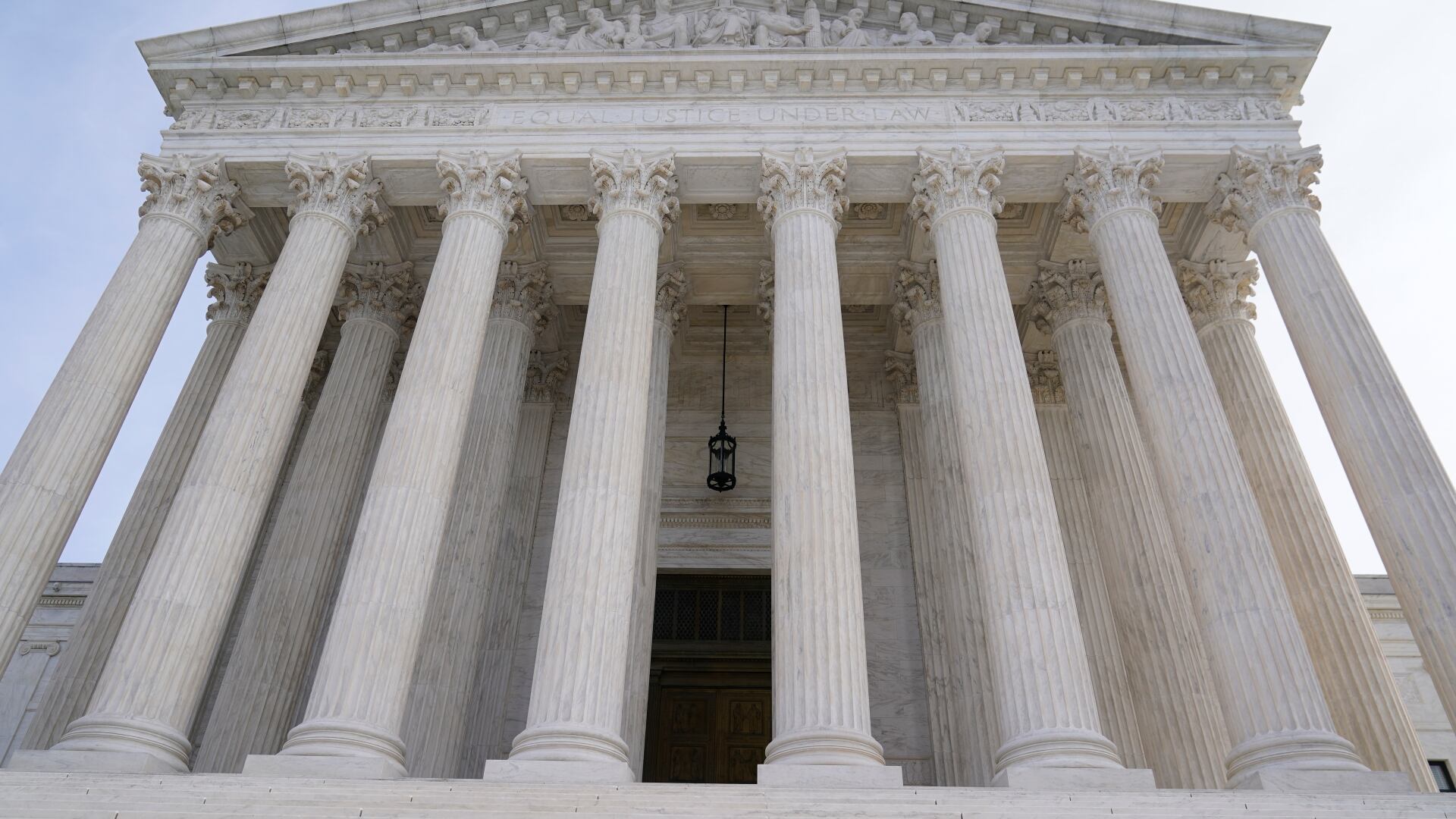
In a 5-4 vote, the U.S. Supreme Court allowed for a controversial new version of the Alabama congressional map to remain in place. The lower court had previously ordered that the state must redraw that congressional map because it violates the Voting Rights Act by diluting the political power of Black voters. Redistricting expert Yurij Rudensky joins Cheddar News to weigh in.