The Trade War Begins: U.S. and China Tariffs Take Effect
*By Alisha Haridasani*
It’s happening.
A fierce trade war between two of the world’s largest economies set off early Friday, after the U.S. officially implemented tariffs on $34 billion worth of Chinese goods and Beijing immediately responded in kind.
President Donald Trump warned on Thursday, before the tariffs went into effect, that the U.S. could end up taxing every single Chinese item imported if Beijing retaliates. That would be worth $500 billion.
China, however, didn’t blink and blamed the U.S. for launching “the biggest trade war in economic history so far.”
While U.S. markets didn’t seem to react to the news at the open, the impact of the economic tit-for-tat will likely sweep across corporate supply chains in both America and China, weighing down bottom lines and consumer wallets.
“It’s becoming conventional wisdom at this point that the benefits of corporate tax cuts is being offset by the uncertainty around the trade war,” said Axios reporter Erica Pandey.
“We can see impacts as small as a small price hike for consumers, or the businesses could choose to eat the costs and we could see losses of jobs.”
The Trump administration’s tariffs specifically target high-tech products in an attempt to punish China for intellectual property theft. That could have knock-on effect on [millennial consumers](https://cheddar.com/videos/how-the-trade-war-will-affect-millennials), said Pandey.
“Some of the goods on the chopping block include e-bikes, e-scooters, e-cigs, and everything ‘e,’ and smart home devices,” said Pandey. “So it’s the tech devices that are overwhelmingly used by young people that are not often discussed but that could go up as much as $100 per unit with these new tariffs.”
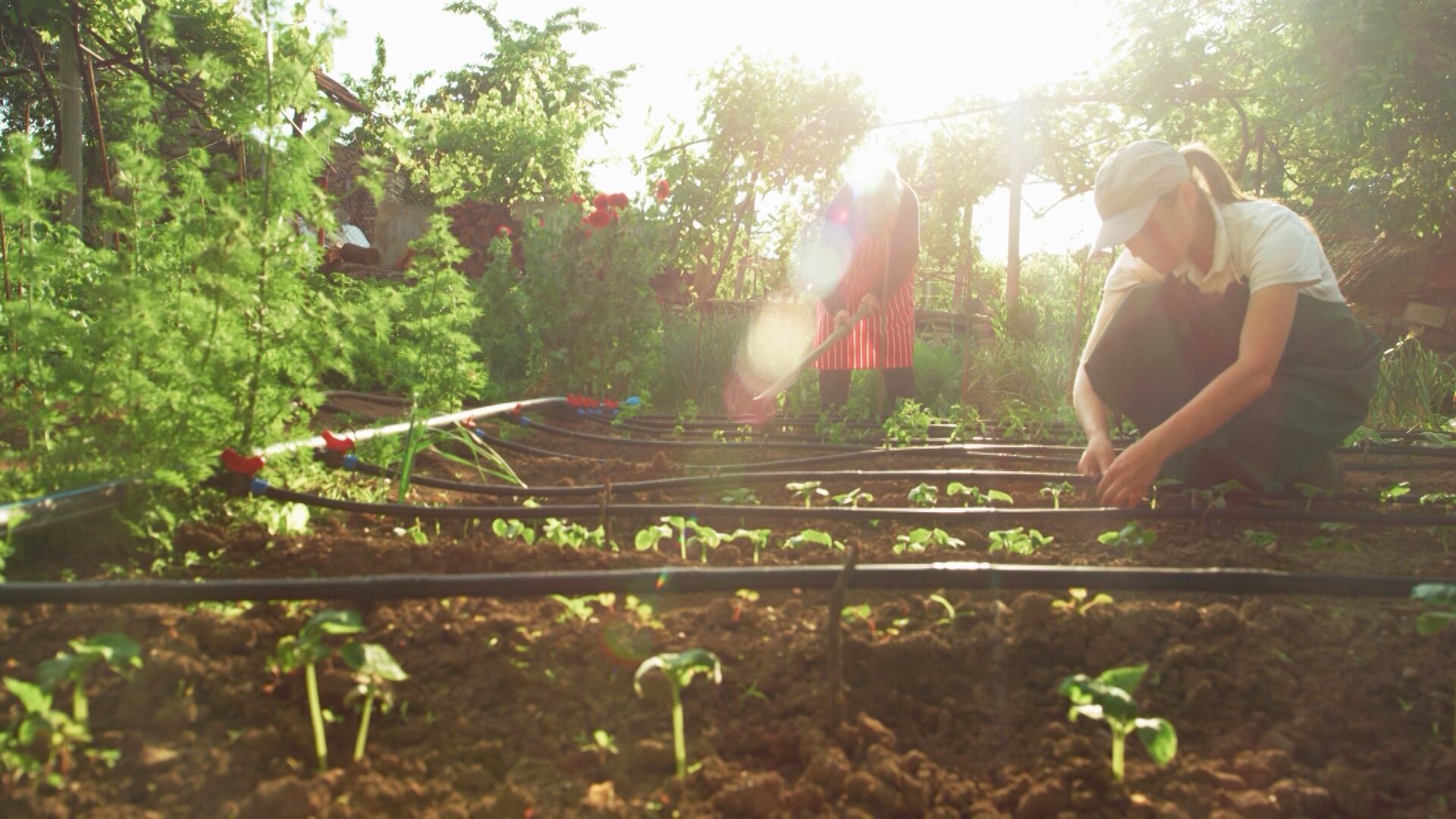
China’s tariffs target America’s agricultural industry, hitting soybeans, poultry, corn, wheat, rice, and beef, with the intention of crippling farmers’ support for Trump.
One slice of the agricultural industry is already feeling the pinch: [cheese producers](https://cheddar.com/videos/u-s-cheese-producers-in-crossfire-of-trade-war). American cheese makers in recent years have relied heavily on exports to Mexico and China, both countries that have now levied retaliatory taxes on the dairy product, said Wall Street Journal reporter Heather Haddon.
Before the tariffs kicked in, dairy exports had hit a record high in April, doubling from nearly a decade ago, according to Haddon's reporting.
With the new trade barriers in place, cheese makers are struggling to find a market for their products. "They can't just take this cheese that was made for Mexico and then just and sell it to folks in North Carolina or wherever," said Haddon.
"At the same time we've got record high cheese in storage right now. There's quite a lot of supply in the U.S. so it's also not like the supply can just go domestically."
Adding to the cheese makers problems are the perishable nature of their product, which would only compound their losses.
"Some of them are starting to contemplate shifting to cheeses that can be held for longer, that can be aged, that benefit from ageing, if this tariff situation continues."
The two-week COP26 climate conference has now ended with leaders reaching a deal, but so far the deal is getting mixed reviews from climate experts across the globe. Chloe Demrovsky, president and CEO of Disaster Recovery Institute International, explains that while the agreement is a step forward in some ways, the world still has much more to work on in order to keep warming to below 2 degrees Celsius.
Jill and Carlo cover the latest with the infrastructure bill, the growing state rebellion over boosters, Trump's dereliction of duty on the pandemic, Taylor Swift's reign of cultural domination and more.
Sen. Sheldon Whitehouse joined Cheddar to discuss the latest push to get rid of Daylight Savings Time. A practice where several say can cause havoc on one's sleeping schedule and cause disruptions to our economy.
The past decade or so has been a has seen massive change-- usually good-- for the LGBTQ+ community. Same-sex marriage has seen broader acceptance, and there's been increased conversation about the reality of gender identity. Now, folks who don't identify as male or female can travel while staying true to their more authentic self.
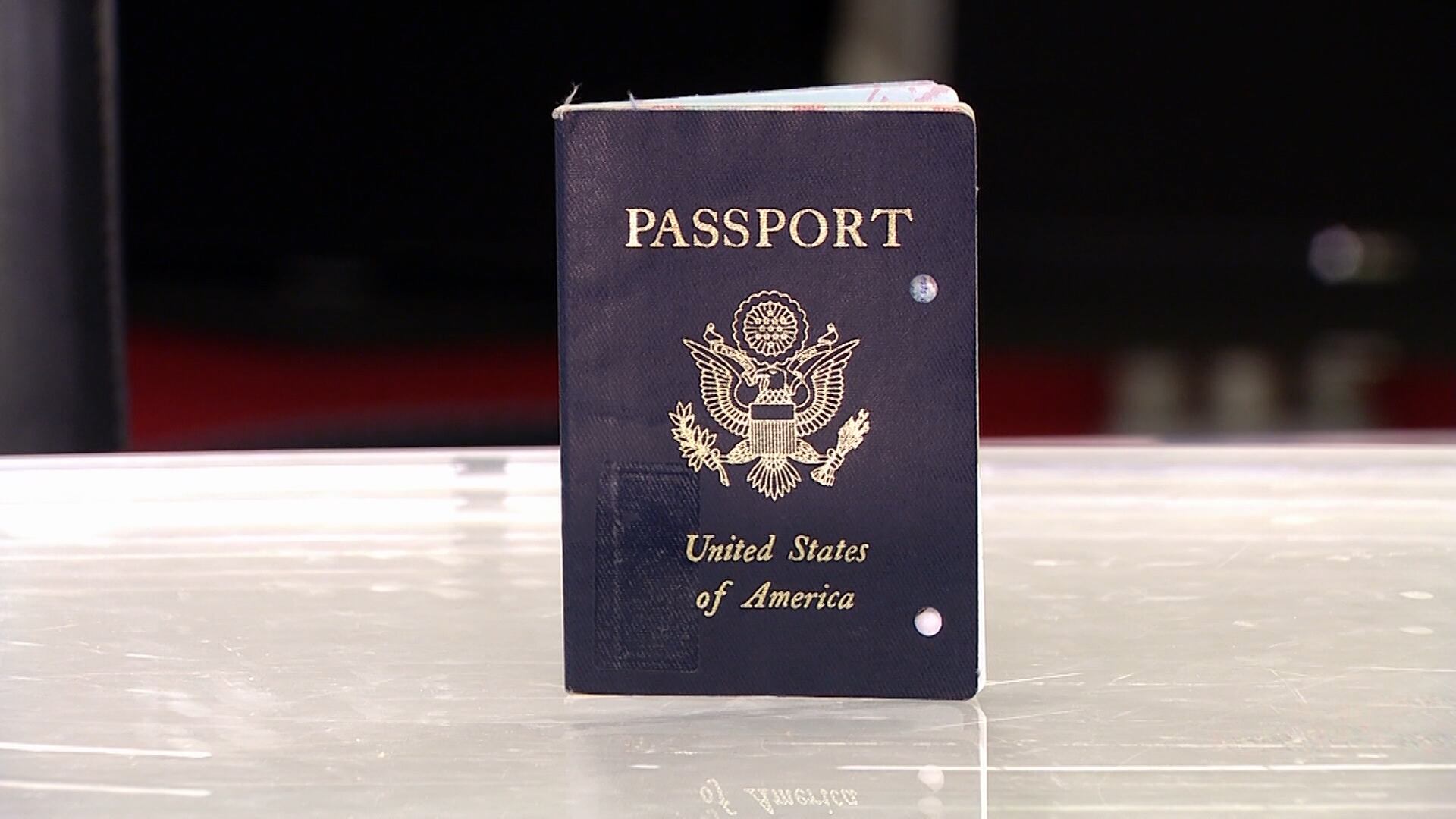
The Biden administration has issued the first passport with a gender-neutral designation "X." the passport was issued to Dana Zzyym, an intersex activist from Colorado, after a long legal battle with the state department in which Zzyym argued they shouldn't be required to lie about their identity on their passport. Advocates for such changes have applauded the move, saying it will allow people who don't identify as male or female to travel the globe in a more safe and visible way.
Paul Castillo, counsel at Lambda Legal and Zzyym's attorney in this case, joins None of the Above to discuss.
The Biden Administration has announced its latest plans to support veterans who had been exposed to toxic chemicals from burn pits. According to several veterans who served in Iraq and Afghanistan, a number of them were exposed to hour-long periods of burn pits. As a result, many of them say they have suffered from severe life-long side effects. Co-founder at Burn Pits 360 Le Roy Torres, joined Cheddar to discuss more.
Ballots have been sent to workers at three different Starbucks locations in Buffalo, NY to decide whether they will unionize for the first time ever. Wilma Liebman, former Chair of the National Labor Relations Board and Michelle Eisen from the Starbucks Workers United Organization, which is behind this vote, joined Cheddar to discuss.
The parent company of North Face, Vans and Supreme, VF Corp, released its fourth annual "Made for Change" sustainability and responsibility report. It details the company's ongoing efforts to tackle social and climate related issues. This comes as climate experts continue to warn about the dangers of fast fashion and its impact on global CO2 emissions. Sean Cady, Vice President of Global Sustainability, Responsibility and Trade at VF Corporation, joins Cheddar News to discuss.
A jam-packed Freitag pod with Carlo and Baker: new Covid hotspots, Kyle Rittenhouse trial, Belarus making trouble for Europe, red-hot housing market, and how to manage a PR crisis the right way.
Damian Mason, a farm owner, Agricultural Economist and Author of 'Food Fear,' joined Cheddar to discuss the rising prices of food as we approach the holiday season.