The Trade War Begins: U.S. and China Tariffs Take Effect
*By Alisha Haridasani*
It’s happening.
A fierce trade war between two of the world’s largest economies set off early Friday, after the U.S. officially implemented tariffs on $34 billion worth of Chinese goods and Beijing immediately responded in kind.
President Donald Trump warned on Thursday, before the tariffs went into effect, that the U.S. could end up taxing every single Chinese item imported if Beijing retaliates. That would be worth $500 billion.
China, however, didn’t blink and blamed the U.S. for launching “the biggest trade war in economic history so far.”
While U.S. markets didn’t seem to react to the news at the open, the impact of the economic tit-for-tat will likely sweep across corporate supply chains in both America and China, weighing down bottom lines and consumer wallets.
“It’s becoming conventional wisdom at this point that the benefits of corporate tax cuts is being offset by the uncertainty around the trade war,” said Axios reporter Erica Pandey.
“We can see impacts as small as a small price hike for consumers, or the businesses could choose to eat the costs and we could see losses of jobs.”
The Trump administration’s tariffs specifically target high-tech products in an attempt to punish China for intellectual property theft. That could have knock-on effect on [millennial consumers](https://cheddar.com/videos/how-the-trade-war-will-affect-millennials), said Pandey.
“Some of the goods on the chopping block include e-bikes, e-scooters, e-cigs, and everything ‘e,’ and smart home devices,” said Pandey. “So it’s the tech devices that are overwhelmingly used by young people that are not often discussed but that could go up as much as $100 per unit with these new tariffs.”
China’s tariffs target America’s agricultural industry, hitting soybeans, poultry, corn, wheat, rice, and beef, with the intention of crippling farmers’ support for Trump.
One slice of the agricultural industry is already feeling the pinch: [cheese producers](https://cheddar.com/videos/u-s-cheese-producers-in-crossfire-of-trade-war). American cheese makers in recent years have relied heavily on exports to Mexico and China, both countries that have now levied retaliatory taxes on the dairy product, said Wall Street Journal reporter Heather Haddon.
Before the tariffs kicked in, dairy exports had hit a record high in April, doubling from nearly a decade ago, according to Haddon's reporting.
With the new trade barriers in place, cheese makers are struggling to find a market for their products. "They can't just take this cheese that was made for Mexico and then just and sell it to folks in North Carolina or wherever," said Haddon.
"At the same time we've got record high cheese in storage right now. There's quite a lot of supply in the U.S. so it's also not like the supply can just go domestically."
Adding to the cheese makers problems are the perishable nature of their product, which would only compound their losses.
"Some of them are starting to contemplate shifting to cheeses that can be held for longer, that can be aged, that benefit from ageing, if this tariff situation continues."
Heading into 2022, the eyes of political nerds like us are fixed on statehouses across the country. State legislatures are in the process of taking the data from the 2020 census and using it to draw new congressional districts. The process has major implications for midterms, as Republicans could retake the majority just by gerrymandering enough seats into their column. In Maryland, state level Democrats are considering several maps, one of which would completely draw out the only Republican from the state in Congress.
Bruce DePuyt, senior reporter at Maryland Matters, and Helen Brewer, legal analyst at Princeton's Electoral Innovation Lab, join Cheddar Politics to discuss.
Today is Veterans Day, a day each year that gives us a chance to honor our service members and reflect on the issues they face in our armed forces. One issue that's gotten a lot of scrutiny recently is the handling of sexual assault cases in the military. The military has long been criticized for how it handles cases of sexual assault, with particular attention paid to how cases are investigated and prosecuted usually within the chain of command. The defense department has said sexual assault cases will be removed, but it's not the same as Congress changing the law itself.
Lory Manning, retired U.S. Navy captain and the director of government operations at the Service Women's Action Network, joins Cheddar News to discuss.
Greenwood, a digital banking platform aimed at supporting Black and Latino businesses and clients, is launching its very own GreenBook. Named after the historic publication for Black travelers during the era of Jim Crow, the online guide will provide a directory of Black- and Latino-owned businesses across the country. Ryan Glover, the founder and chairman of Greenwood, joined Cheddar to provide additional details about the listings.
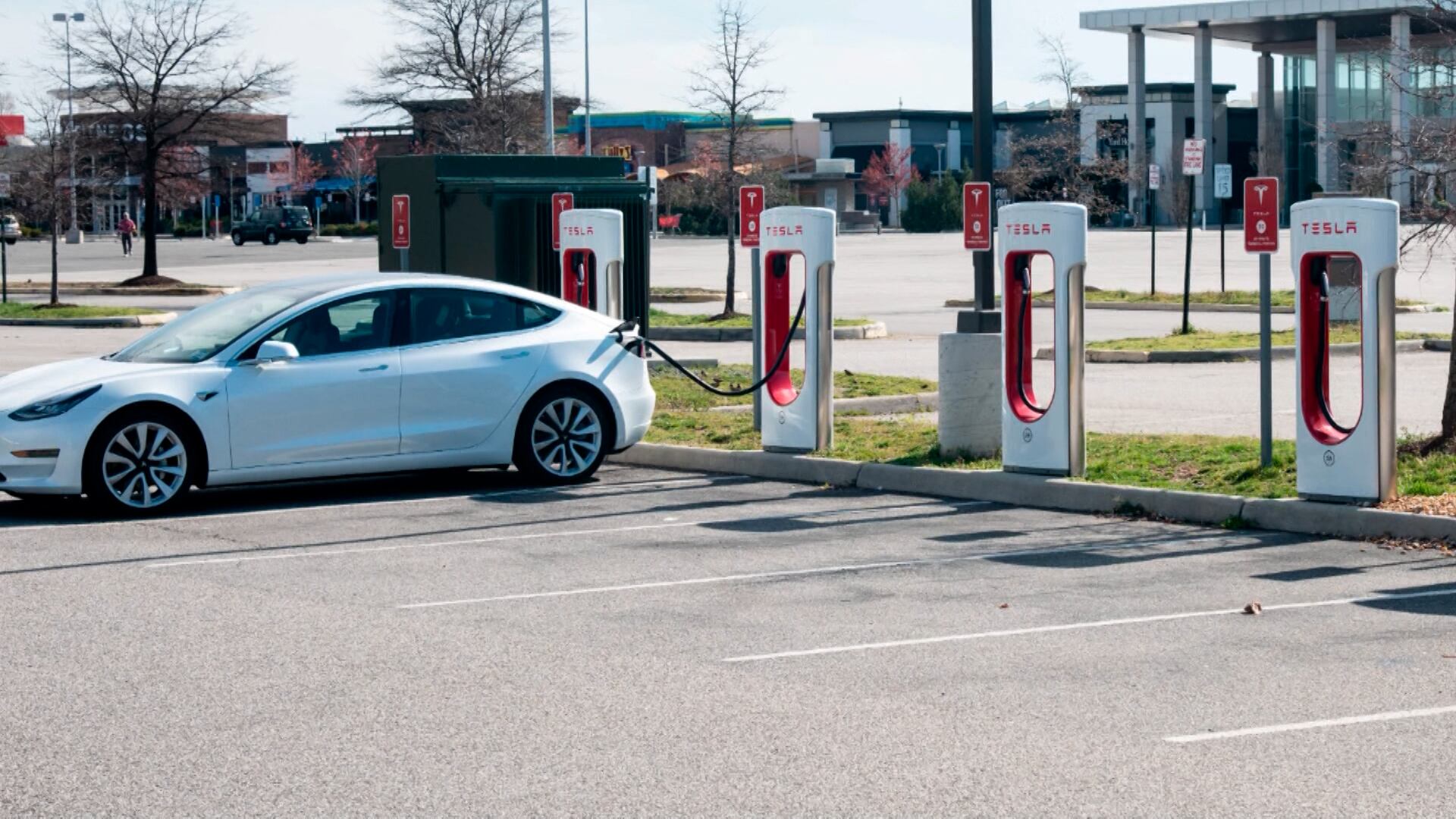
President Biden's infrastructure plan will be pumping billions of dollars into the EV sector. David Shepardson, Correspondent at Thomson Reuters, joined Cheddar News' Closing Bell to break down all of the details.
Al Root, Senior Writer at Barron's, joined Wake Up With Cheddar's Jill Wagner to break down who qualifies for the proposed EV tax credits and why some automakers aren't too pleased about extra incentives for vehicles made at union plants.
Jill Wagner is joined by Baker to talk about kids and vaccines: we finally know how many young kids are getting vaccinated. Plus, Democrats are working on a Plan B for paid family leave. And the salad chain Sweetgreen goes public.
A breakthrough deal between the U.S. and China when it comes to climate has finally been reached. The two countries have pledged to work together to curb carbon emissions. Amy Harder, executive editor at Cipher, joined Cheddar News to discuss more.
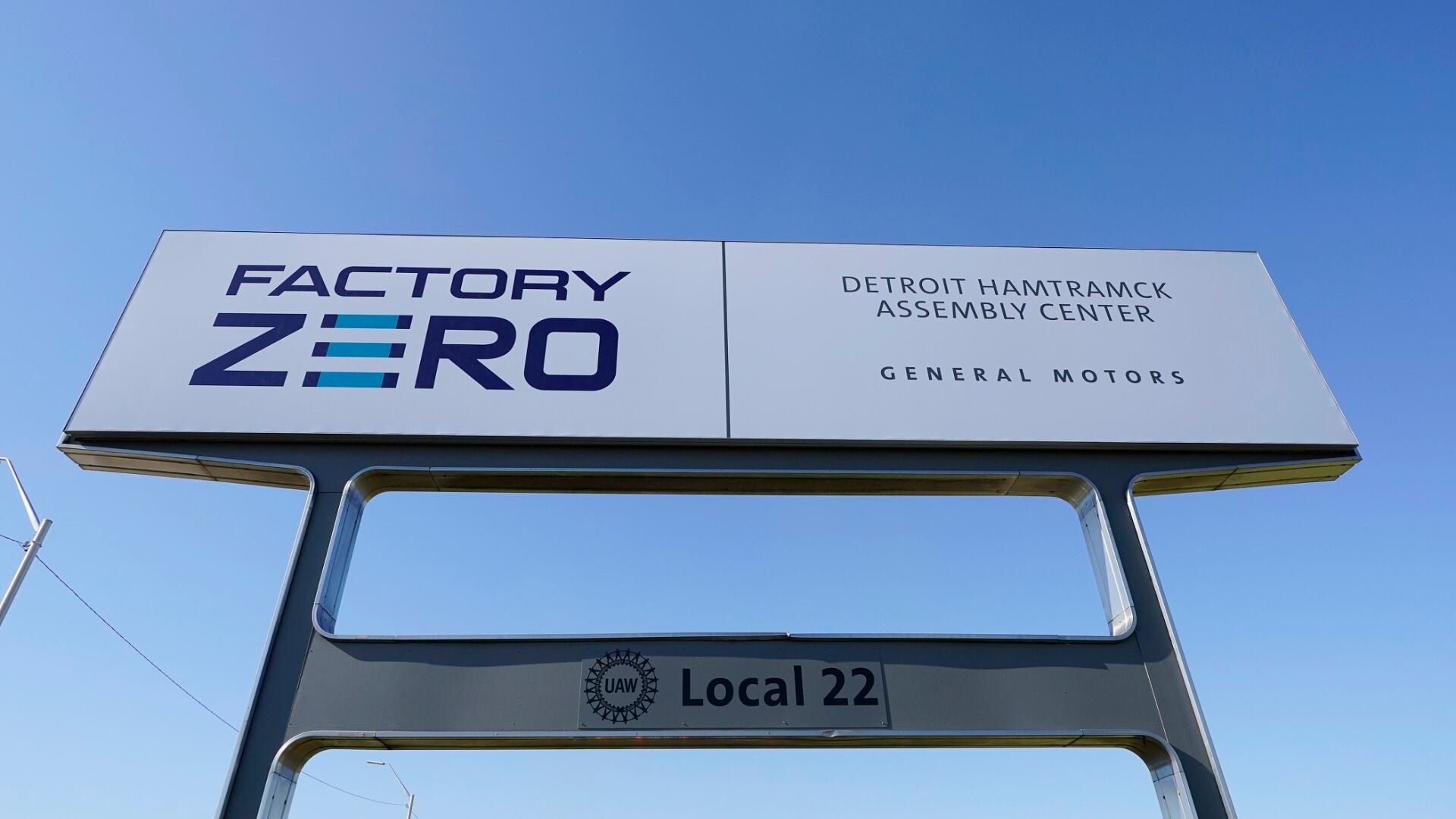
President Joe Biden is expected to visit GM's 'Factory Zero' plant in Detroit, where mass production of its electric vehicle fleet will get underway. Biden is likely to tout his recently passed $1.2 trillion infrastructure plan, which allocates $7.5 billion toward EV infrastructure.