The Trade War Begins: U.S. and China Tariffs Take Effect
*By Alisha Haridasani*
It’s happening.
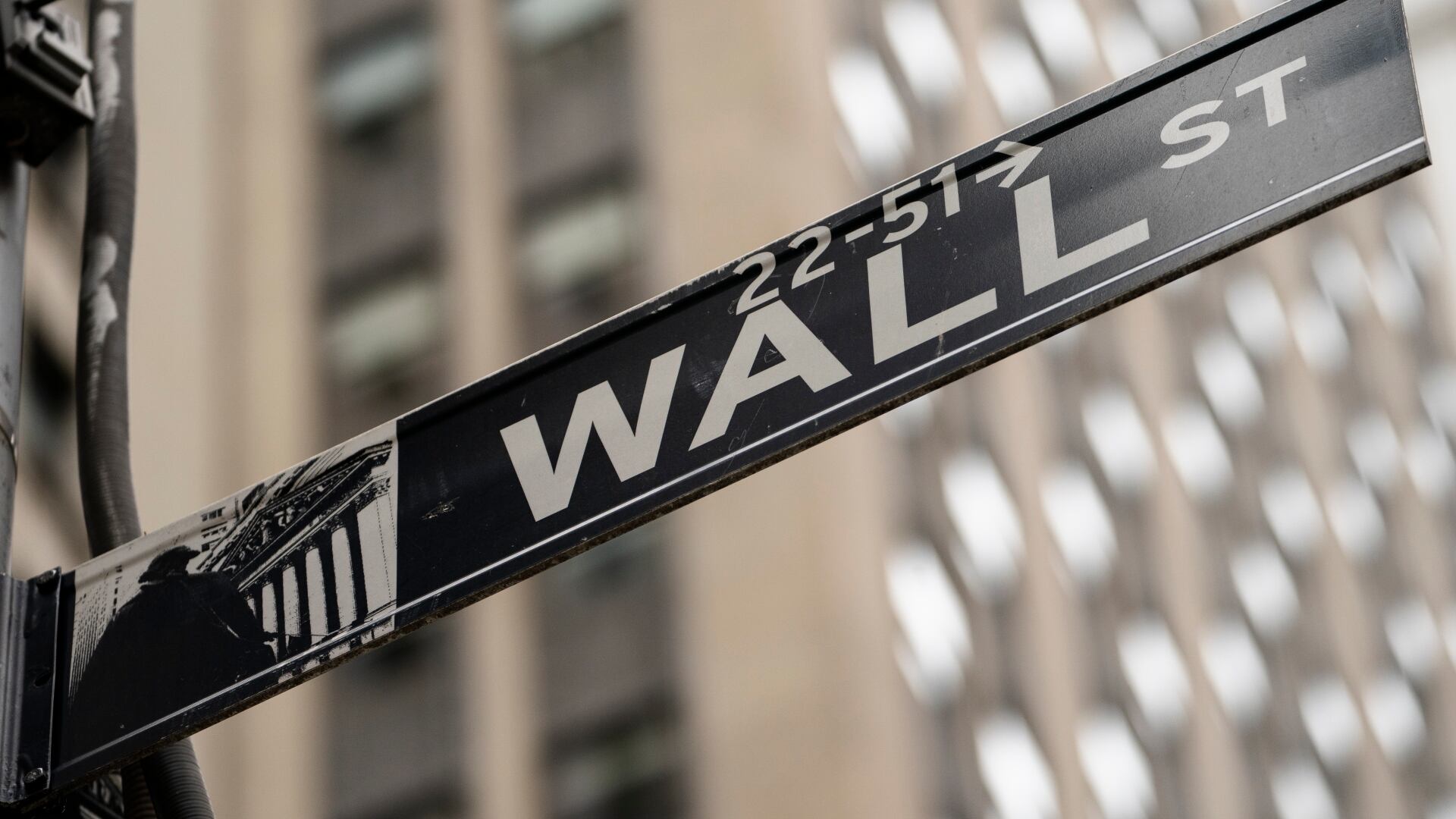
A fierce trade war between two of the world’s largest economies set off early Friday, after the U.S. officially implemented tariffs on $34 billion worth of Chinese goods and Beijing immediately responded in kind.
President Donald Trump warned on Thursday, before the tariffs went into effect, that the U.S. could end up taxing every single Chinese item imported if Beijing retaliates. That would be worth $500 billion.
China, however, didn’t blink and blamed the U.S. for launching “the biggest trade war in economic history so far.”
While U.S. markets didn’t seem to react to the news at the open, the impact of the economic tit-for-tat will likely sweep across corporate supply chains in both America and China, weighing down bottom lines and consumer wallets.
“It’s becoming conventional wisdom at this point that the benefits of corporate tax cuts is being offset by the uncertainty around the trade war,” said Axios reporter Erica Pandey.
“We can see impacts as small as a small price hike for consumers, or the businesses could choose to eat the costs and we could see losses of jobs.”
The Trump administration’s tariffs specifically target high-tech products in an attempt to punish China for intellectual property theft. That could have knock-on effect on [millennial consumers](https://cheddar.com/videos/how-the-trade-war-will-affect-millennials), said Pandey.
“Some of the goods on the chopping block include e-bikes, e-scooters, e-cigs, and everything ‘e,’ and smart home devices,” said Pandey. “So it’s the tech devices that are overwhelmingly used by young people that are not often discussed but that could go up as much as $100 per unit with these new tariffs.”
China’s tariffs target America’s agricultural industry, hitting soybeans, poultry, corn, wheat, rice, and beef, with the intention of crippling farmers’ support for Trump.
One slice of the agricultural industry is already feeling the pinch: [cheese producers](https://cheddar.com/videos/u-s-cheese-producers-in-crossfire-of-trade-war). American cheese makers in recent years have relied heavily on exports to Mexico and China, both countries that have now levied retaliatory taxes on the dairy product, said Wall Street Journal reporter Heather Haddon.
Before the tariffs kicked in, dairy exports had hit a record high in April, doubling from nearly a decade ago, according to Haddon's reporting.
With the new trade barriers in place, cheese makers are struggling to find a market for their products. "They can't just take this cheese that was made for Mexico and then just and sell it to folks in North Carolina or wherever," said Haddon.
"At the same time we've got record high cheese in storage right now. There's quite a lot of supply in the U.S. so it's also not like the supply can just go domestically."
Adding to the cheese makers problems are the perishable nature of their product, which would only compound their losses.
"Some of them are starting to contemplate shifting to cheeses that can be held for longer, that can be aged, that benefit from ageing, if this tariff situation continues."
Stocks began the week closing at session lows on a day when bond yields rose and President Biden decided to stick with Jerome Powell as Fed Chair. Bryan Lee, Chief Investment Officer at Blue Zone Wealth Advisors, joins Cheddar News' Closing Bell, where he breaks down the day's activity and discusses what the Fed now needs to do going forward.
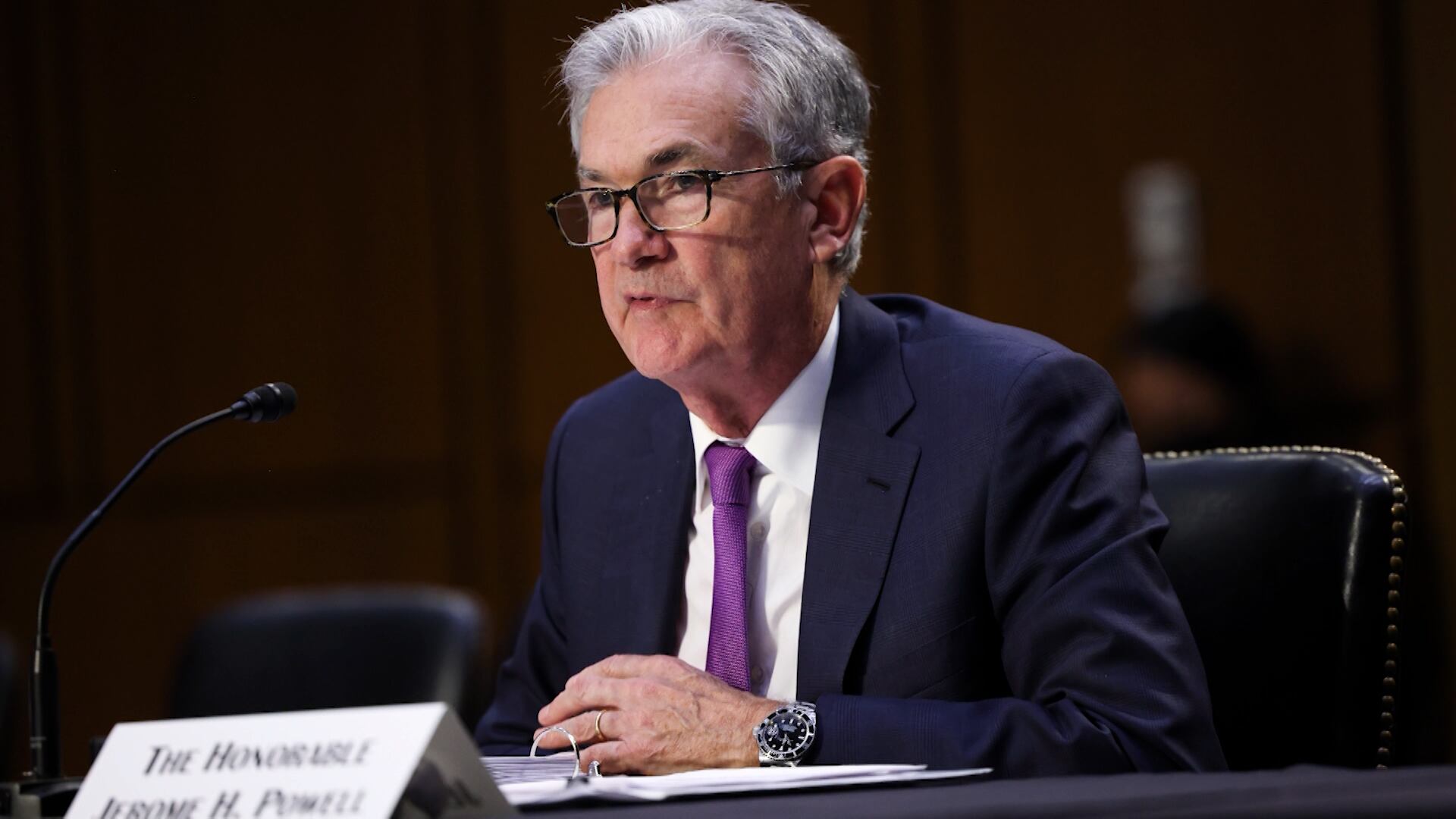
President Joe Biden announced Monday he is re-nominating Federal Reserve Chairman Jerome Powell after weeks of speculation that he would choose Democrat and Fed Governor Lael Brainard to fill the role. Biden could be looking for continuity as the U.S. continues to grapple with COVID-19 and high inflation, and investors could be on the same page: markets and treasuries ticked up after the White House made the announcement. MarketWatch Senior Reporter Greg Robb joins Cheddar News' Closing Bell to discuss Powell's re-nomination, what we can expect from the Fed's December meeting, whether it will speed up its taper timeline, and more.
President Joe Biden named Jerome Powell, initially appointed by President Trump, to keep his seat as the chair of the Federal Reserve on Monday amid the ongoing challenges of the pandemic, inflation, and unemployment. David Beckworth, a former international economist for the Treasury Department and a senior fellow with the Mercatus Center, joined Cheddar to discuss what he sees as the practicality of Biden's decision. "What Powell brings to the table is he's built up political capital with Republicans and Democrats," he said. "It's easy for him to get the job done. I think in one way he was the path of least resistance for the president."
In a surprise turn of events, Elizabeth Holmes took the stand in her own defense on Friday and is expected to continue her testimony later today. Holmes, who founded a blood testing start-up Theranos back in 2003, faces 11 counts of wire fraud as well as conspiracy to commit wire fraud. Aron Solomon, Chief Legal Analyst, Esquire Digital joined Cheddar's Opening Bell to discuss.
Jill and Carlo cover the developing story out of suburban Milwaukee, where a speeding SUV careened through a Christmas parade. Looters get more brazen in San Francisco, the missing Chinese tennis star resurfaces, and more.
Michael Tubbs, former Mayor of Stockton, California and author of 'The Deeper the Roots,' joined Cheddar Movers to talk all about his new memoir, and his ongoing fight to make meaningful change in his community.
The House narrowly passed President Biden's $1.7 trillion Build Back Better bill, the largest expansion of the social safety net in decades. The final vote was 220 to 213, with only one Democrat joining all Republicans in opposing the bill. It now heads to the Senate, where it faces an uncertain fate. Jennifer Haberkorn, congressional reporter for the Los Angeles Times, joins Cheddar News' Closing Bell, where she breaks down the current version of the bill, where it goes next, and what it could mean for the country if it eventually reaches the president's desk.