*By Alisha Haridasani* It’s happening. A fierce trade war between two of the world’s largest economies set off early Friday, after the U.S. officially implemented tariffs on $34 billion worth of Chinese goods and Beijing immediately responded in kind. President Donald Trump warned on Thursday, before the tariffs went into effect, that the U.S. could end up taxing every single Chinese item imported if Beijing retaliates. That would be worth $500 billion. China, however, didn’t blink and blamed the U.S. for launching “the biggest trade war in economic history so far.” While U.S. markets didn’t seem to react to the news at the open, the impact of the economic tit-for-tat will likely sweep across corporate supply chains in both America and China, weighing down bottom lines and consumer wallets. “It’s becoming conventional wisdom at this point that the benefits of corporate tax cuts is being offset by the uncertainty around the trade war,” said Axios reporter Erica Pandey. “We can see impacts as small as a small price hike for consumers, or the businesses could choose to eat the costs and we could see losses of jobs.” The Trump administration’s tariffs specifically target high-tech products in an attempt to punish China for intellectual property theft. That could have knock-on effect on [millennial consumers](https://cheddar.com/videos/how-the-trade-war-will-affect-millennials), said Pandey. “Some of the goods on the chopping block include e-bikes, e-scooters, e-cigs, and everything ‘e,’ and smart home devices,” said Pandey. “So it’s the tech devices that are overwhelmingly used by young people that are not often discussed but that could go up as much as $100 per unit with these new tariffs.” China’s tariffs target America’s agricultural industry, hitting soybeans, poultry, corn, wheat, rice, and beef, with the intention of crippling farmers’ support for Trump. One slice of the agricultural industry is already feeling the pinch: [cheese producers](https://cheddar.com/videos/u-s-cheese-producers-in-crossfire-of-trade-war). American cheese makers in recent years have relied heavily on exports to Mexico and China, both countries that have now levied retaliatory taxes on the dairy product, said Wall Street Journal reporter Heather Haddon. Before the tariffs kicked in, dairy exports had hit a record high in April, doubling from nearly a decade ago, according to Haddon's reporting. With the new trade barriers in place, cheese makers are struggling to find a market for their products. "They can't just take this cheese that was made for Mexico and then just and sell it to folks in North Carolina or wherever," said Haddon. "At the same time we've got record high cheese in storage right now. There's quite a lot of supply in the U.S. so it's also not like the supply can just go domestically." Adding to the cheese makers problems are the perishable nature of their product, which would only compound their losses. "Some of them are starting to contemplate shifting to cheeses that can be held for longer, that can be aged, that benefit from ageing, if this tariff situation continues."

Share:
More In Politics
U.S. Adds Disappointing 210,000 New Jobs In November
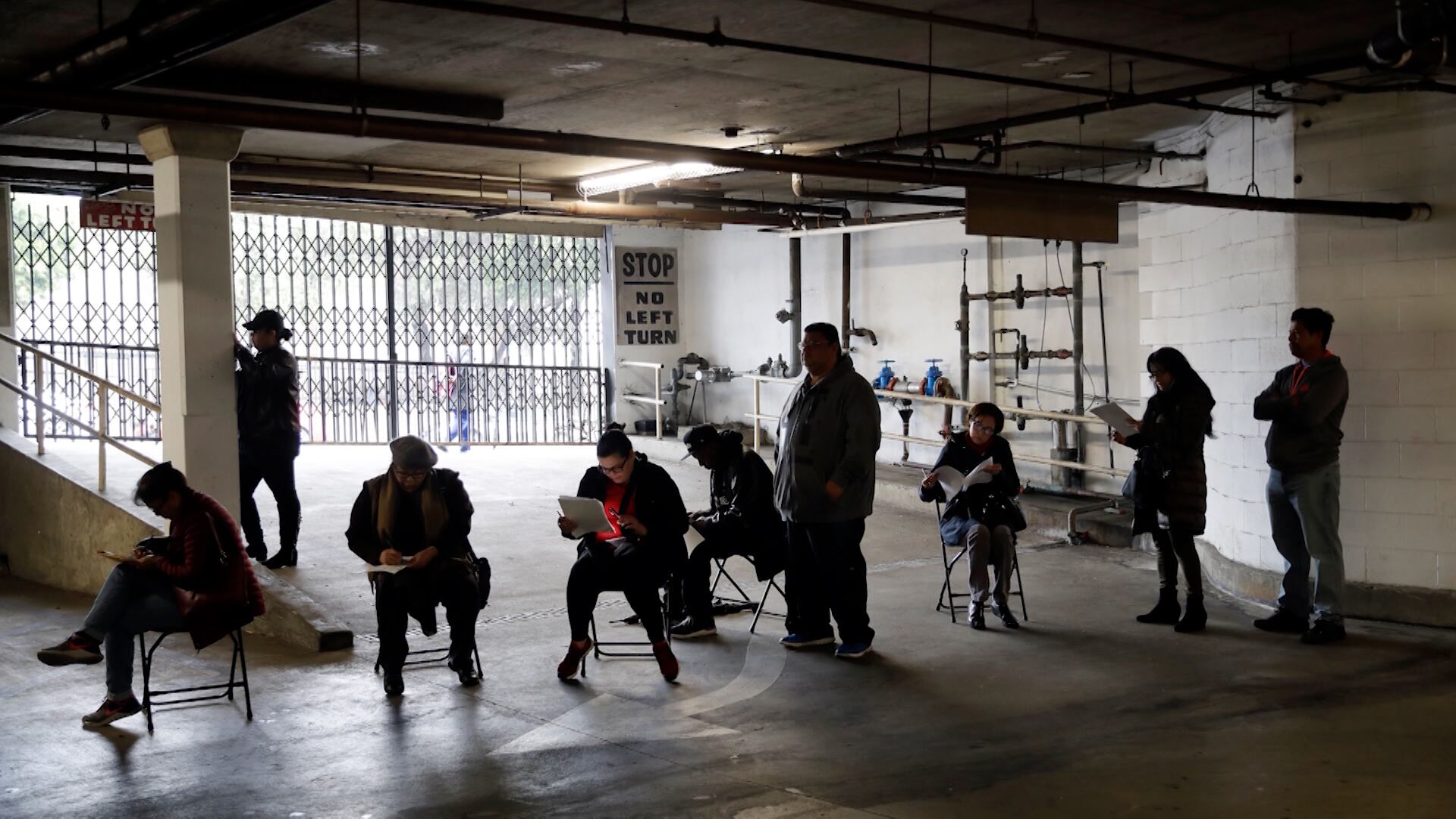
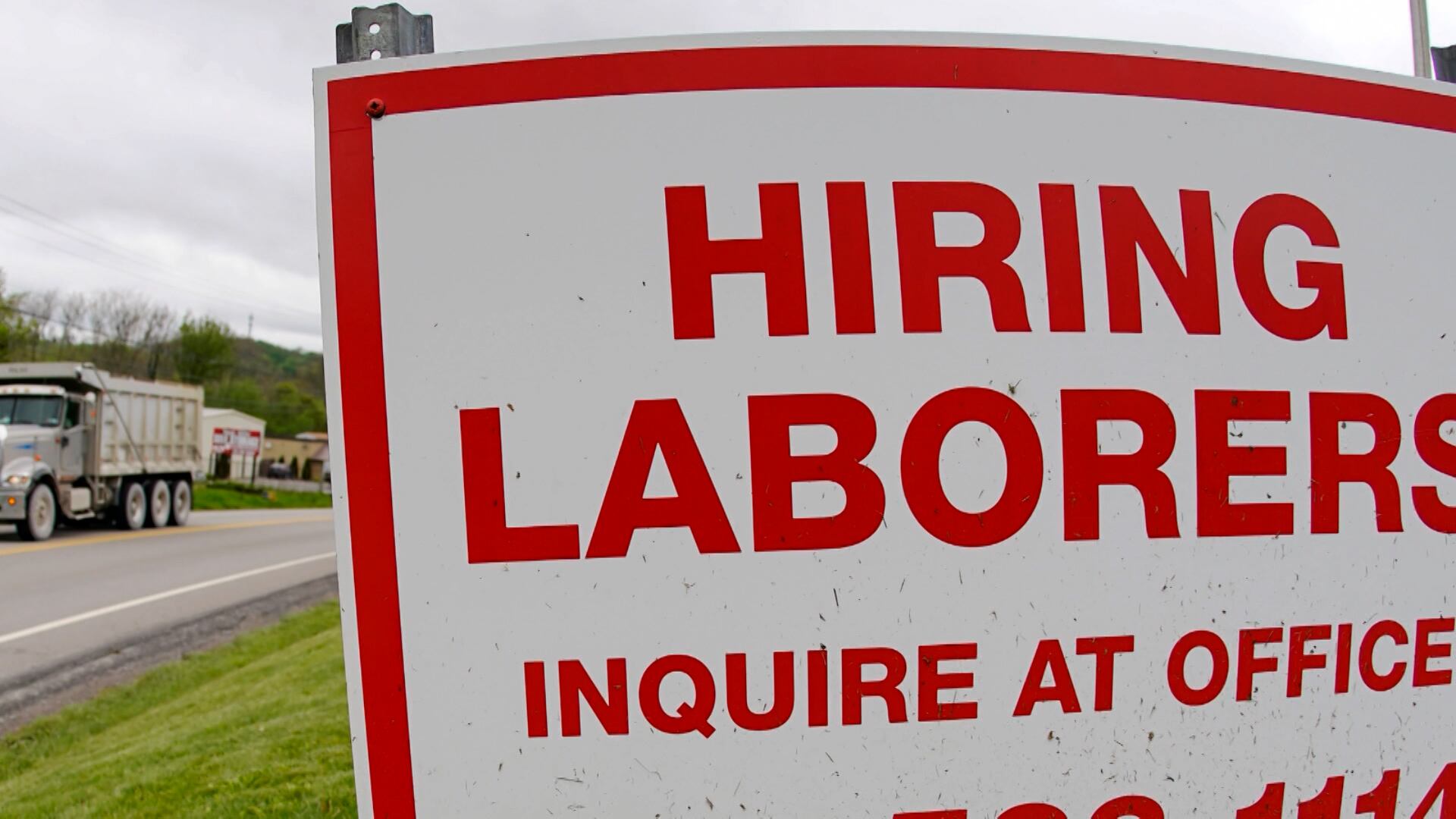
It's a mixed bag for the November jobs report. Hiring slowed last month as employers only added 210,000 jobs, massively missing the estimate of 550,000. But there was one bright spot: the unemployment rate fell to 4.2%, with the number of unemployed people dropping to 6.9 million. Both of those numbers are considerably down from their highs at the end of the 2020 recession. Heather Boushey, a member of President Biden's Council of Economic Advisers, joined Cheddar to discuss the report and the state of the country's ongoing economic recovery.
The State of The U.S. Supply Chain Ahead of the Holiday Season
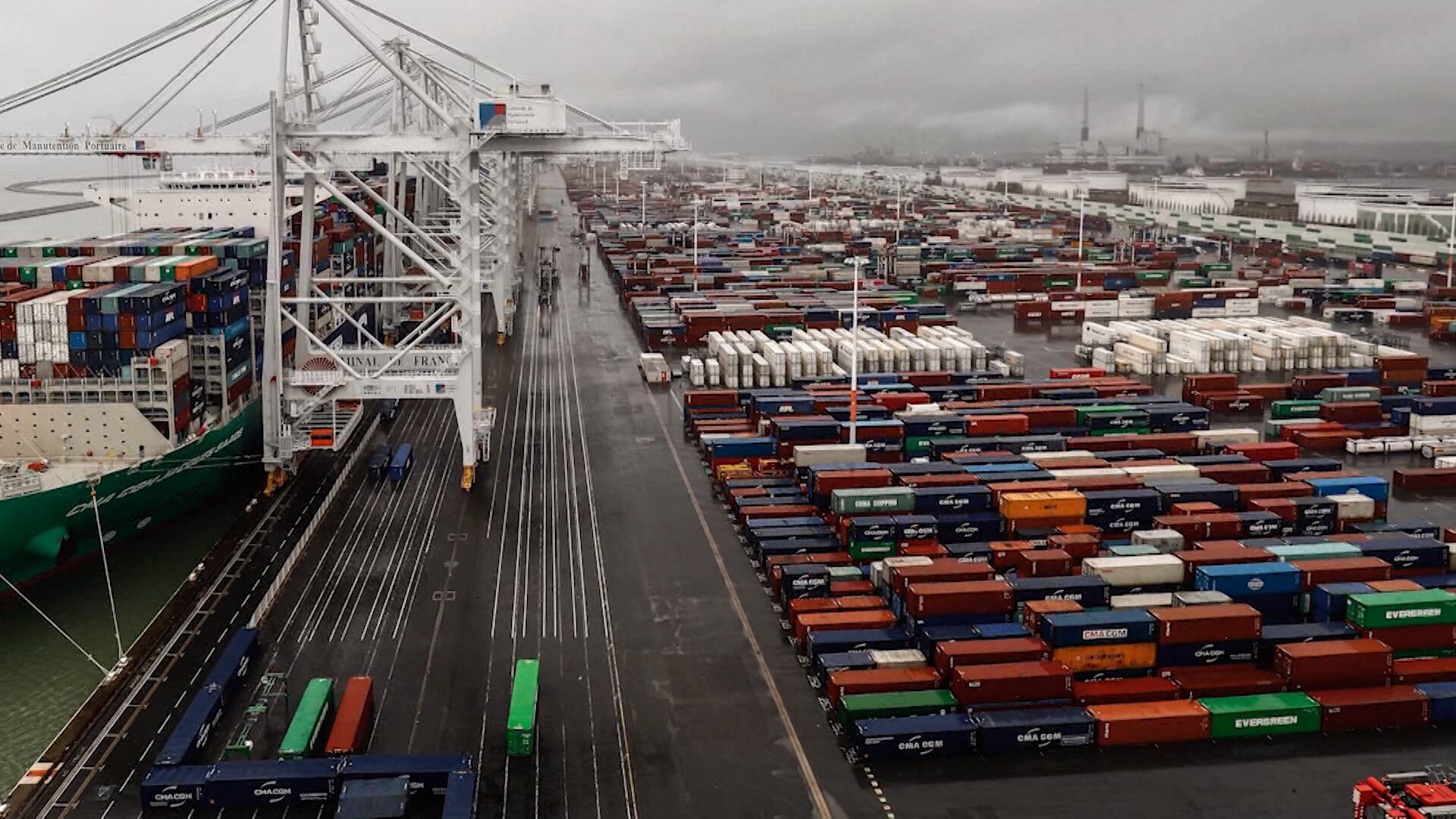
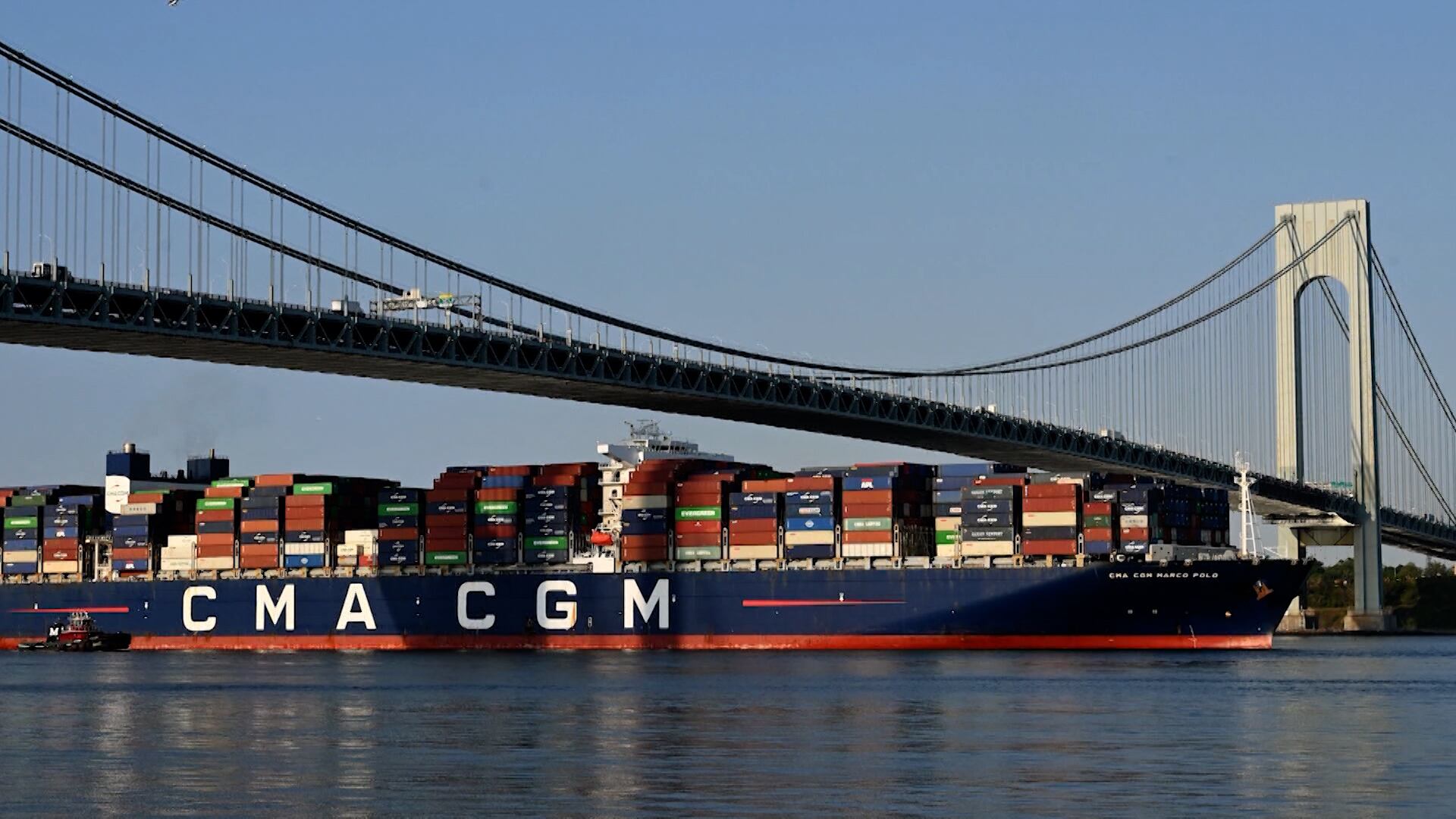
As the U.S. continues to face supply chain shortages, President Joe Biden is reassuring U.S. consumers that the supply chain is in "very strong shape" ahead of the all-important holiday season. As supply bottlenecks start to show signs of improvement, the industry may be faced with yet another challenge: the Omicron variant. Rob Caucci, Co-Founder & Co-CEO of Fillogic joined Cheddar's Opening Bell to discuss.
Markets Rebound After Friday's Sell-Off
Markets rebounded Monday morning after Friday's deep sell-off that saw the Dow suffer its worse day since 2020. It comes as investors continue to react to the impact of the omicron variant on the broader reopening. Eddie Ghabour, Co-Owner at the Key Advisors Group joined Cheddar's Opening Bell to discuss.
Markets Stage Comeback After Omicron-Driven Sell-Off
Markets bounced back this morning with travel leading the gains after plunging on Monday as the first case of Omicron was detected in the U.S. Jimmy Lee, CEO, Wealth Consulting Group joined Cheddar's Opening Bell to discuss.
Markets See Unrest as Omicron Variant Fears Grow
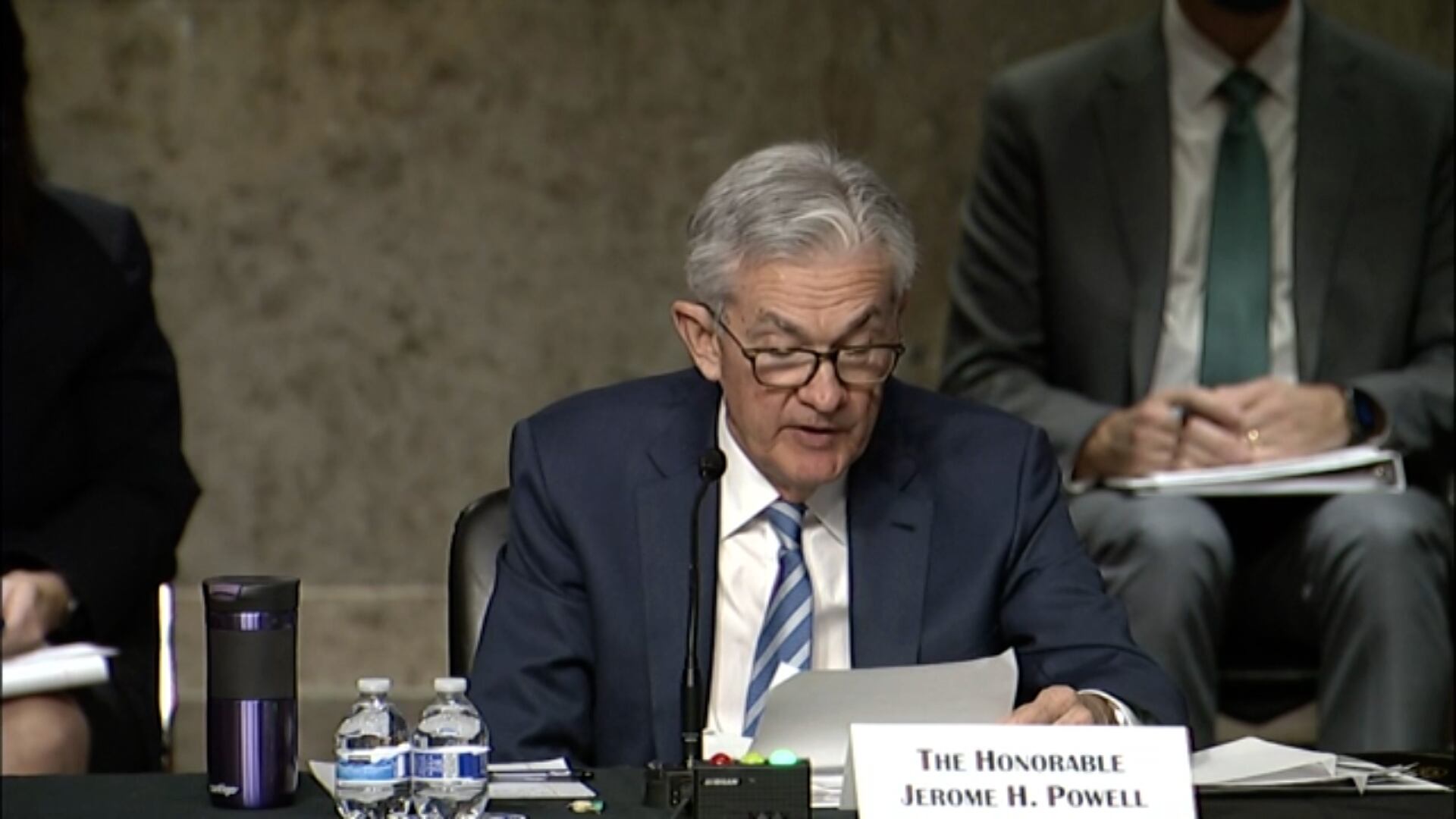
The market saw investors react to comments by the World Health Organization's chief scientist, who suggested existing vaccines are likely to offer protection against the new variant. According to Thomas Hayes, chairman of Great Hill Capital, the next two weeks will be crucial as the markets watch for not only the effects of the Omicron variant, but also the Fed's decision on a taper.
Possible Omicron Superspreader, Shutdown Averted & Love, Hate, Ate
It's Friday at long last. Jill and Carlo cover the latest on Omicron, including a possible superspreader event in NYC. Plus, previewing the November jobs report, a new Zoom feature no one asked for, and when it's no longer a good idea to eat Thanksgiving leftovers.
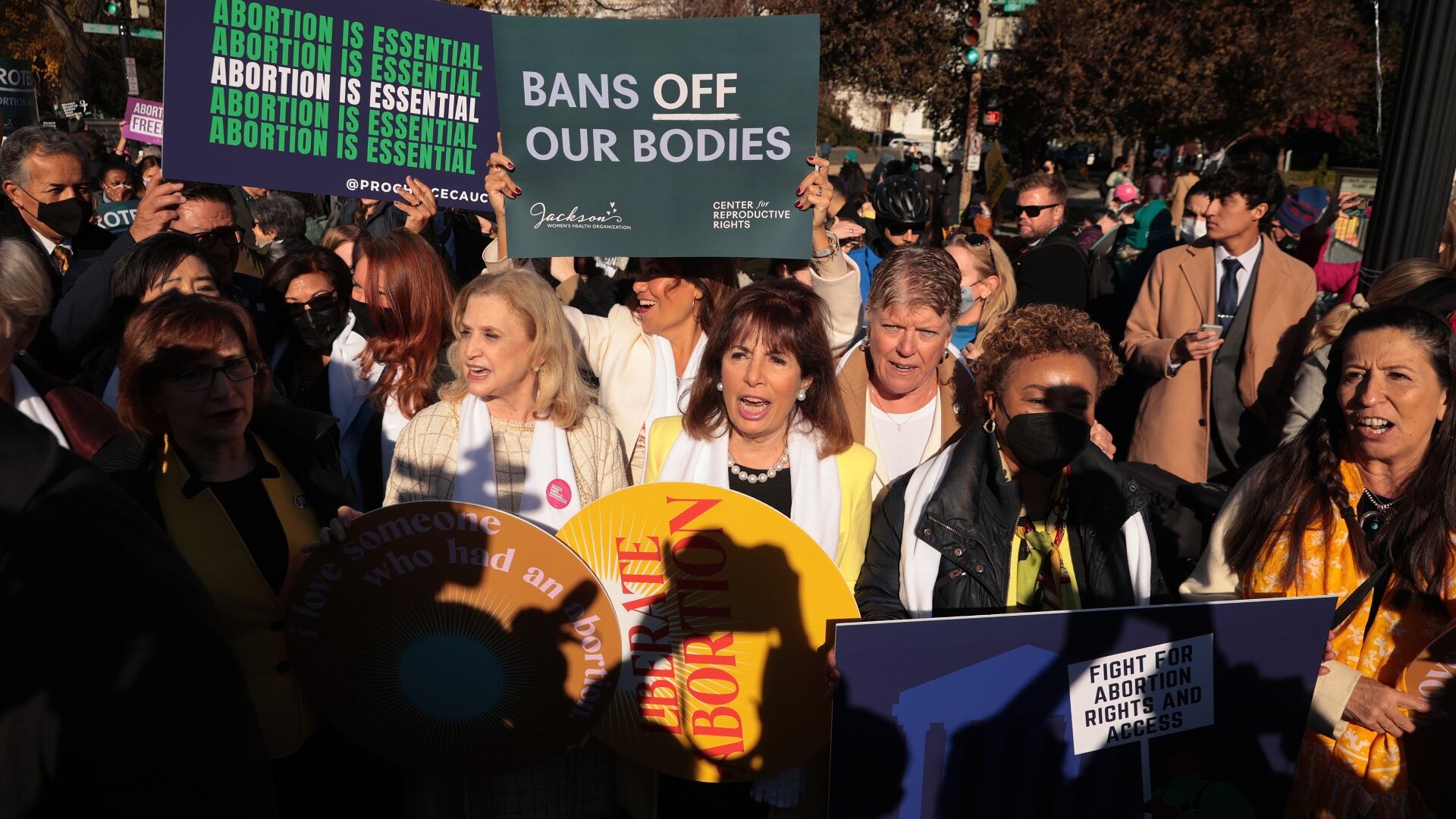
Supreme Court Abortion Case Could Impact Midterm Elections
Following the Mississippi abortion case, the fate of Roe V. Wade is at stake. A decision is expected next summer, right around the time midterm candidates will be making their cases to voters. Laura Packard, executive director of Health Care Voter, joins Cheddar News to discuss how the ruling will impact upcoming elections.
Global Markets Impacted By Omicron Fears
Stock markets around the world continue to be impacted by fears of the new Omicron COVID-19 variant. President Biden today reiterated his stance that the new strain is cause for concern, but not cause for panic. Wells Fargo Investment Institute Global Equity Strategist Scott Wren joined Cheddar News' Closing Bell to discuss.
Load More