The Trade War Begins: U.S. and China Tariffs Take Effect
*By Alisha Haridasani*
It’s happening.
A fierce trade war between two of the world’s largest economies set off early Friday, after the U.S. officially implemented tariffs on $34 billion worth of Chinese goods and Beijing immediately responded in kind.
President Donald Trump warned on Thursday, before the tariffs went into effect, that the U.S. could end up taxing every single Chinese item imported if Beijing retaliates. That would be worth $500 billion.
China, however, didn’t blink and blamed the U.S. for launching “the biggest trade war in economic history so far.”
While U.S. markets didn’t seem to react to the news at the open, the impact of the economic tit-for-tat will likely sweep across corporate supply chains in both America and China, weighing down bottom lines and consumer wallets.
“It’s becoming conventional wisdom at this point that the benefits of corporate tax cuts is being offset by the uncertainty around the trade war,” said Axios reporter Erica Pandey.
“We can see impacts as small as a small price hike for consumers, or the businesses could choose to eat the costs and we could see losses of jobs.”
The Trump administration’s tariffs specifically target high-tech products in an attempt to punish China for intellectual property theft. That could have knock-on effect on [millennial consumers](https://cheddar.com/videos/how-the-trade-war-will-affect-millennials), said Pandey.
“Some of the goods on the chopping block include e-bikes, e-scooters, e-cigs, and everything ‘e,’ and smart home devices,” said Pandey. “So it’s the tech devices that are overwhelmingly used by young people that are not often discussed but that could go up as much as $100 per unit with these new tariffs.”
China’s tariffs target America’s agricultural industry, hitting soybeans, poultry, corn, wheat, rice, and beef, with the intention of crippling farmers’ support for Trump.
One slice of the agricultural industry is already feeling the pinch: [cheese producers](https://cheddar.com/videos/u-s-cheese-producers-in-crossfire-of-trade-war). American cheese makers in recent years have relied heavily on exports to Mexico and China, both countries that have now levied retaliatory taxes on the dairy product, said Wall Street Journal reporter Heather Haddon.
Before the tariffs kicked in, dairy exports had hit a record high in April, doubling from nearly a decade ago, according to Haddon's reporting.
With the new trade barriers in place, cheese makers are struggling to find a market for their products. "They can't just take this cheese that was made for Mexico and then just and sell it to folks in North Carolina or wherever," said Haddon.
"At the same time we've got record high cheese in storage right now. There's quite a lot of supply in the U.S. so it's also not like the supply can just go domestically."
Adding to the cheese makers problems are the perishable nature of their product, which would only compound their losses.
"Some of them are starting to contemplate shifting to cheeses that can be held for longer, that can be aged, that benefit from ageing, if this tariff situation continues."
2021 saw markets continue to be impacted by the onslaught of the coronavirus pandemic -most recently in the form of the Omicron variant- in addition to the global supply chain shortage, and increased inflation. But it wasn't all bad news, as crypto soared throughout the year, and meme stocks continued to have a moment. With the year coming to a close, investors are keeping an eye out to see if they should expect more of the same in the new year. Chris Vecchio, Senior Analyst, at DailyFX tells us what market trends to be on the watch for in 2022.
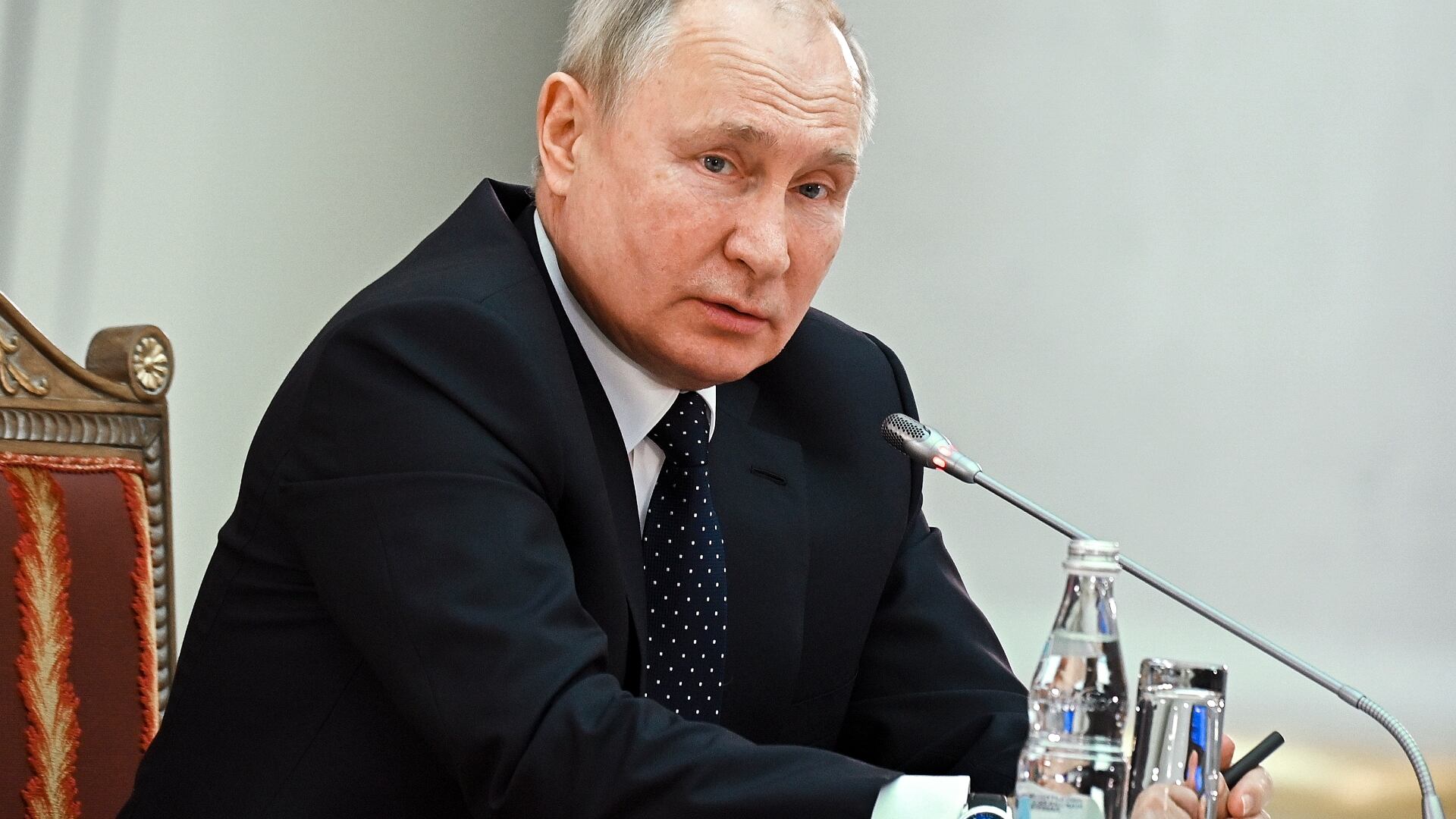
Matt Hayden, vice president of govtech solutions at Exiger and a former assistant secretary of cyber at Department of Homeland Security, joined Cheddar to discuss the surprise phone call initiated by Russian President Vladimir Putin to President Joe Biden, ahead of January security talks about the rising tensions over Ukraine. "We're hoping to hear that we're able to talk about the aggression and the leadup of the Ukrainian militarization," Hayden said. "But we're also looking to hear is how the Kremlin leveraged their talking points to try to test their negotiation stance with the United States leading into this January 10th meeting."
The No Surprises Act begins implementation on January 1, 2022. The legislation is meant to curb the practice of unexpected billing for care from providers the patient was unaware were out-of-network from their insurance. Patricia Kelmar, director of health care campaigns for U.S. PIRG joined Cheddar to describe the hundreds, sometimes thousands, of dollars charged to unsuspecting patients and how things will change under the new law. "If we are picking an in-network doctor and an in-network hospital, we should not see those added costs from anesthesiologists, radiologists, scrub-in surgeons," she said. "The other area it protects you is in air ambulances — not ground ambulances, unfortunately — but the helicopters or the airplanes you might need to transport you in an emergency situation."
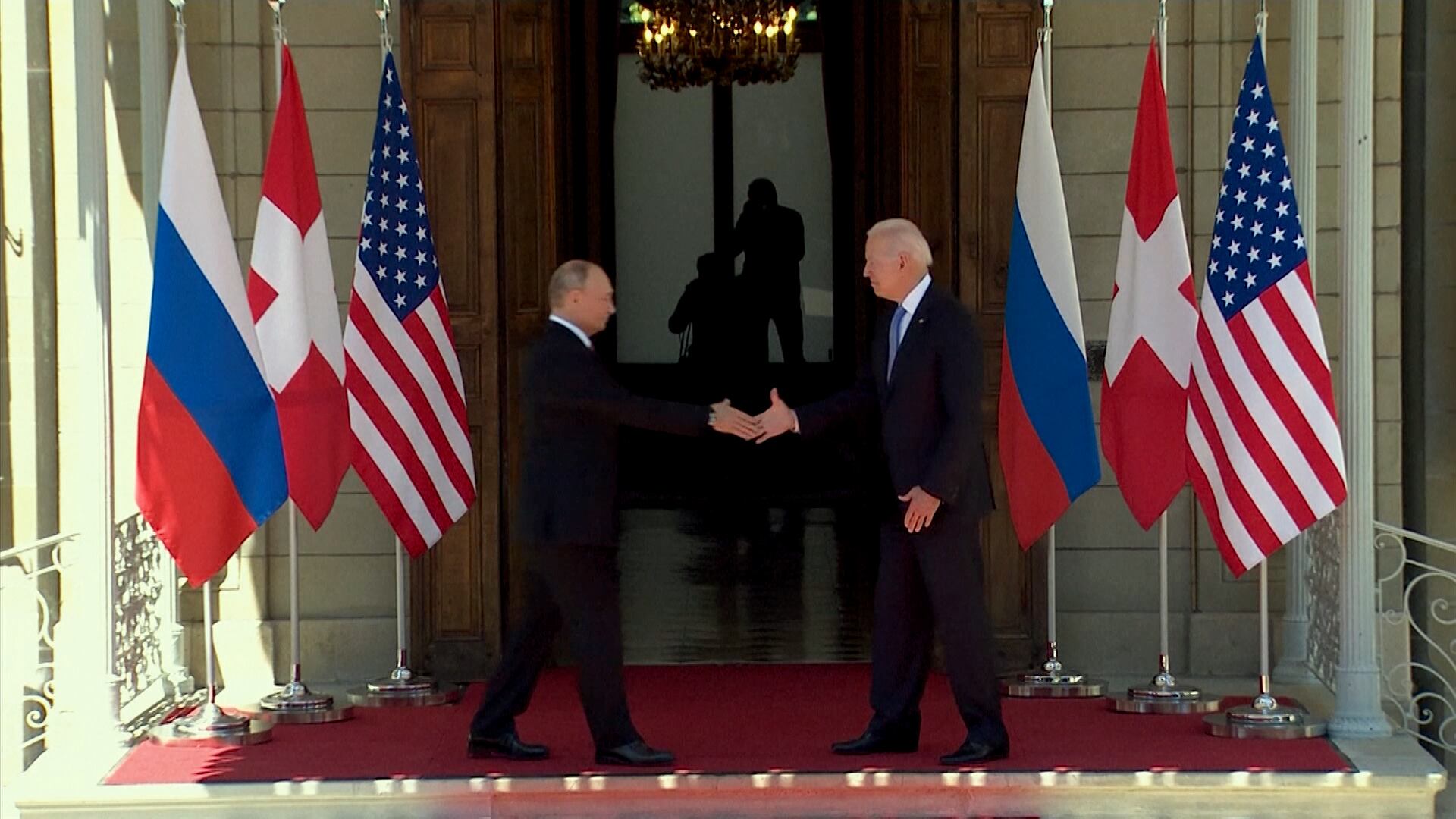
President Joe Biden and Russian President Vladmir Putin are expected to have another conversation surrounding escalating tensions between Russia and Ukraine. Ariel Cohen, senior fellow at the Atlantic Council, joined Cheddar's Ken Buffa to discuss the ongoing tensions and why Putin's request for a conversation with Biden comes now. "This is very serious. This is the worst security crisis we had since the collapse of the Soviet Union," Cohen told Cheddar.
Stocks closed mixed on Wednesday, but two indexes - the Dow and the S&P 500 - ended the session with a new record. Akshata Bailkeri, Equity Analyst at Bruderman Asset Management, joins Cheddar News' Closing Bell, where she says there is a consensus for robust consumer spreading in 2022, especially as the Omicron variant is proving to be milder than other COVID-19 strains.