The Trade War Begins: U.S. and China Tariffs Take Effect
*By Alisha Haridasani*
It’s happening.
A fierce trade war between two of the world’s largest economies set off early Friday, after the U.S. officially implemented tariffs on $34 billion worth of Chinese goods and Beijing immediately responded in kind.
President Donald Trump warned on Thursday, before the tariffs went into effect, that the U.S. could end up taxing every single Chinese item imported if Beijing retaliates. That would be worth $500 billion.
China, however, didn’t blink and blamed the U.S. for launching “the biggest trade war in economic history so far.”
While U.S. markets didn’t seem to react to the news at the open, the impact of the economic tit-for-tat will likely sweep across corporate supply chains in both America and China, weighing down bottom lines and consumer wallets.
“It’s becoming conventional wisdom at this point that the benefits of corporate tax cuts is being offset by the uncertainty around the trade war,” said Axios reporter Erica Pandey.
“We can see impacts as small as a small price hike for consumers, or the businesses could choose to eat the costs and we could see losses of jobs.”
The Trump administration’s tariffs specifically target high-tech products in an attempt to punish China for intellectual property theft. That could have knock-on effect on [millennial consumers](https://cheddar.com/videos/how-the-trade-war-will-affect-millennials), said Pandey.
“Some of the goods on the chopping block include e-bikes, e-scooters, e-cigs, and everything ‘e,’ and smart home devices,” said Pandey. “So it’s the tech devices that are overwhelmingly used by young people that are not often discussed but that could go up as much as $100 per unit with these new tariffs.”
China’s tariffs target America’s agricultural industry, hitting soybeans, poultry, corn, wheat, rice, and beef, with the intention of crippling farmers’ support for Trump.
One slice of the agricultural industry is already feeling the pinch: [cheese producers](https://cheddar.com/videos/u-s-cheese-producers-in-crossfire-of-trade-war). American cheese makers in recent years have relied heavily on exports to Mexico and China, both countries that have now levied retaliatory taxes on the dairy product, said Wall Street Journal reporter Heather Haddon.
Before the tariffs kicked in, dairy exports had hit a record high in April, doubling from nearly a decade ago, according to Haddon's reporting.
With the new trade barriers in place, cheese makers are struggling to find a market for their products. "They can't just take this cheese that was made for Mexico and then just and sell it to folks in North Carolina or wherever," said Haddon.
"At the same time we've got record high cheese in storage right now. There's quite a lot of supply in the U.S. so it's also not like the supply can just go domestically."
Adding to the cheese makers problems are the perishable nature of their product, which would only compound their losses.
"Some of them are starting to contemplate shifting to cheeses that can be held for longer, that can be aged, that benefit from ageing, if this tariff situation continues."
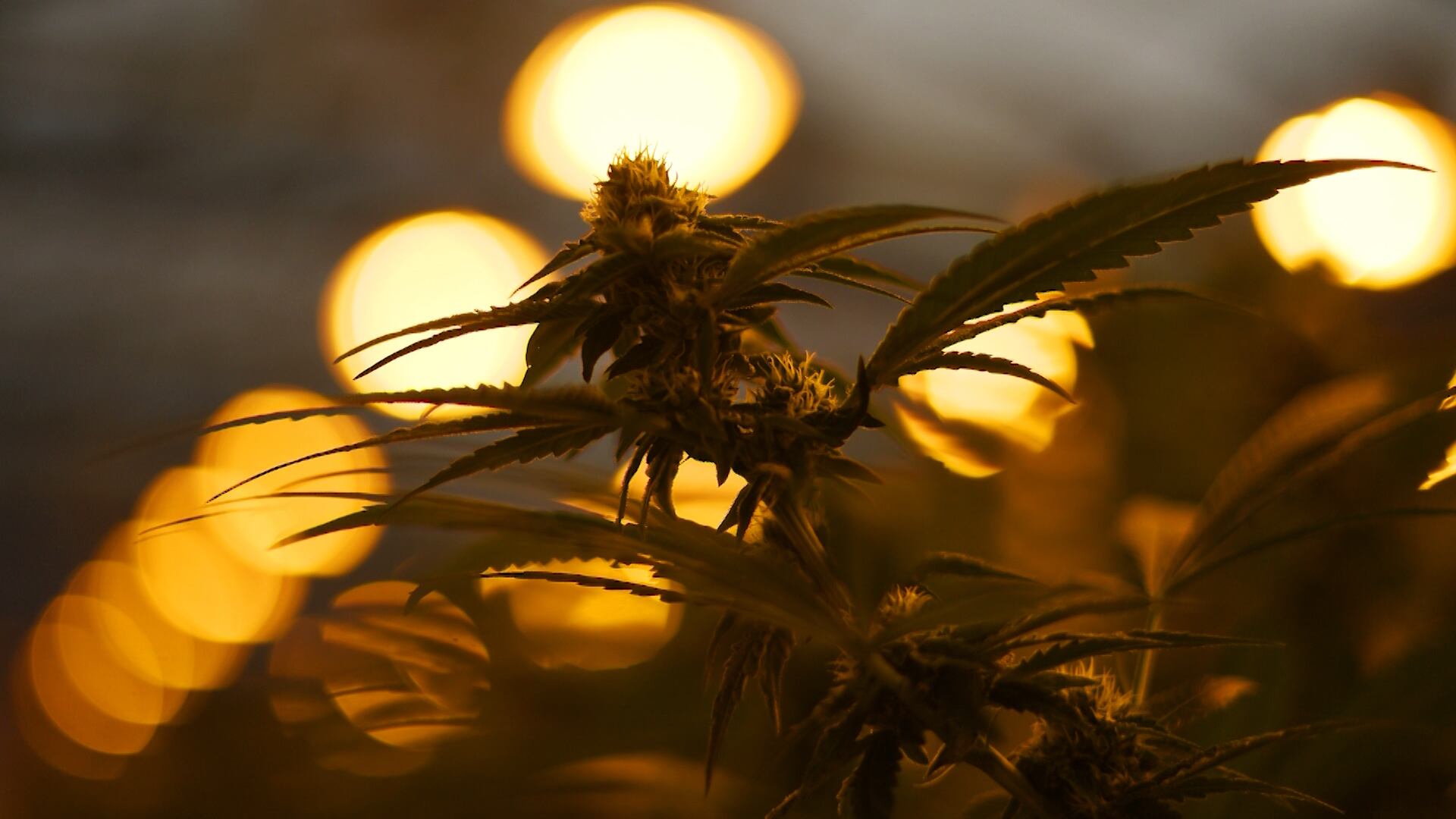
Mona Zhang, states cannabis policy reporter at POLITICO Pro joins Cheddar News to discuss major factors that caused Canada's retail marijuana sales to drop last year.
The January 6 committee has asked Ivanka Trump to give voluntary testimony, saying there's evidence she was in "direct contact" with her father on the day of the capitol insurrection. I's unclear whether she will comply with the invitation, but it marks the first time the House committee has sought testimony from a member of the former president's family. Bradley Moss, national security attorney, joined Cheddar News to discuss what the committee hopes to learn from Ivanka and what the Supreme Court's decision on Trump's Jan. 6 materials means for the investigation.
Terrell Jermaine Starr, senior fellow with the Atlantic Council and host of the Black Diplomats podcast joins Cheddar News to discuss Russia's attempt to invade Ukraine.
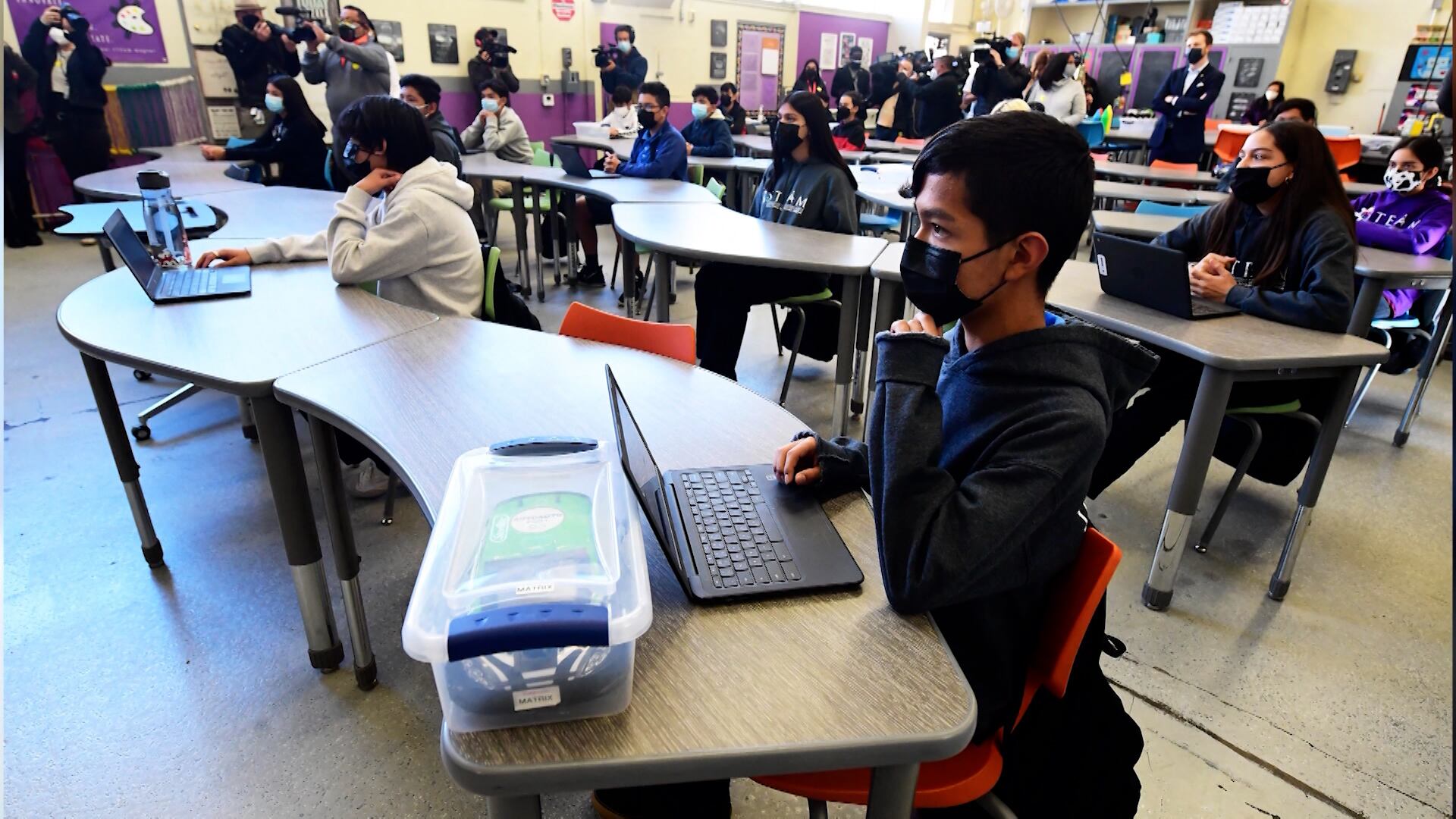
With an increasing number of teachers and staff calling out sick by the day, the state of Oklahoma is turning to an unusual solution. Republican Governor Kevin Stitt has issued an executive order that permits state employees to work as substitute teachers. Shaily Baranwal, founder and CEO of Elevate K-12, joins Cheddar News to discuss.
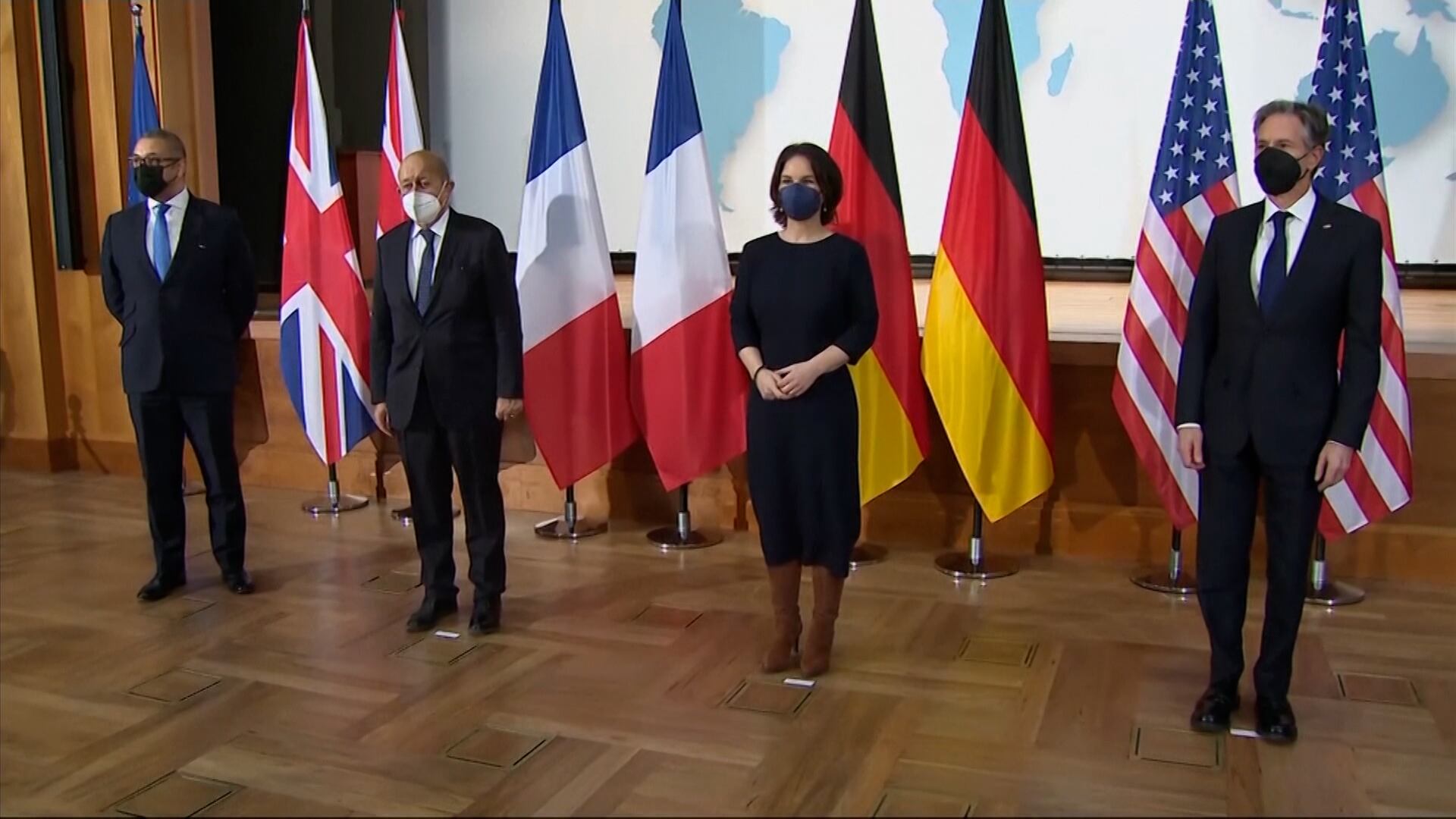
On Thursday, Secretary of State Antony Blinken addressed the stance of the U.S. and its allies should Russia make any forays into Ukraine, a seeming response to President Biden's remarks that should Putin engage in something short of a full invasion, there might be some indecision among allied nations regarding what to do. Ariel Cohen, a senior fellow at the think tank Atlantic Council, joined Cheddar to discuss the difficulty faced by Blinken wrangling unity as tensions run high in the region. "There'll be a smaller incursion, and the president implied, there'll be a weaker response because our European allies have created this horrible situation where they are dependent on Moscow for their gas supply," Cohen explained.
During a nearly two-hour press conference on Wednesday, President Biden spoke on his accomplishments and challenges from the first year of his presidency, and what his administration hopes to accomplish in the coming year. However, his approval ratings are underwater as COVID remains a big concern for voters — as does inflation, noted Tom Bevan, co-founder and president of polling aggregator RealClearPolitics. "The public thinks [inflation] is priority number one, and the administration is concerned about it, they talk about it, but they're not spending enough time on it as far as the public is concerned," said Bevan.
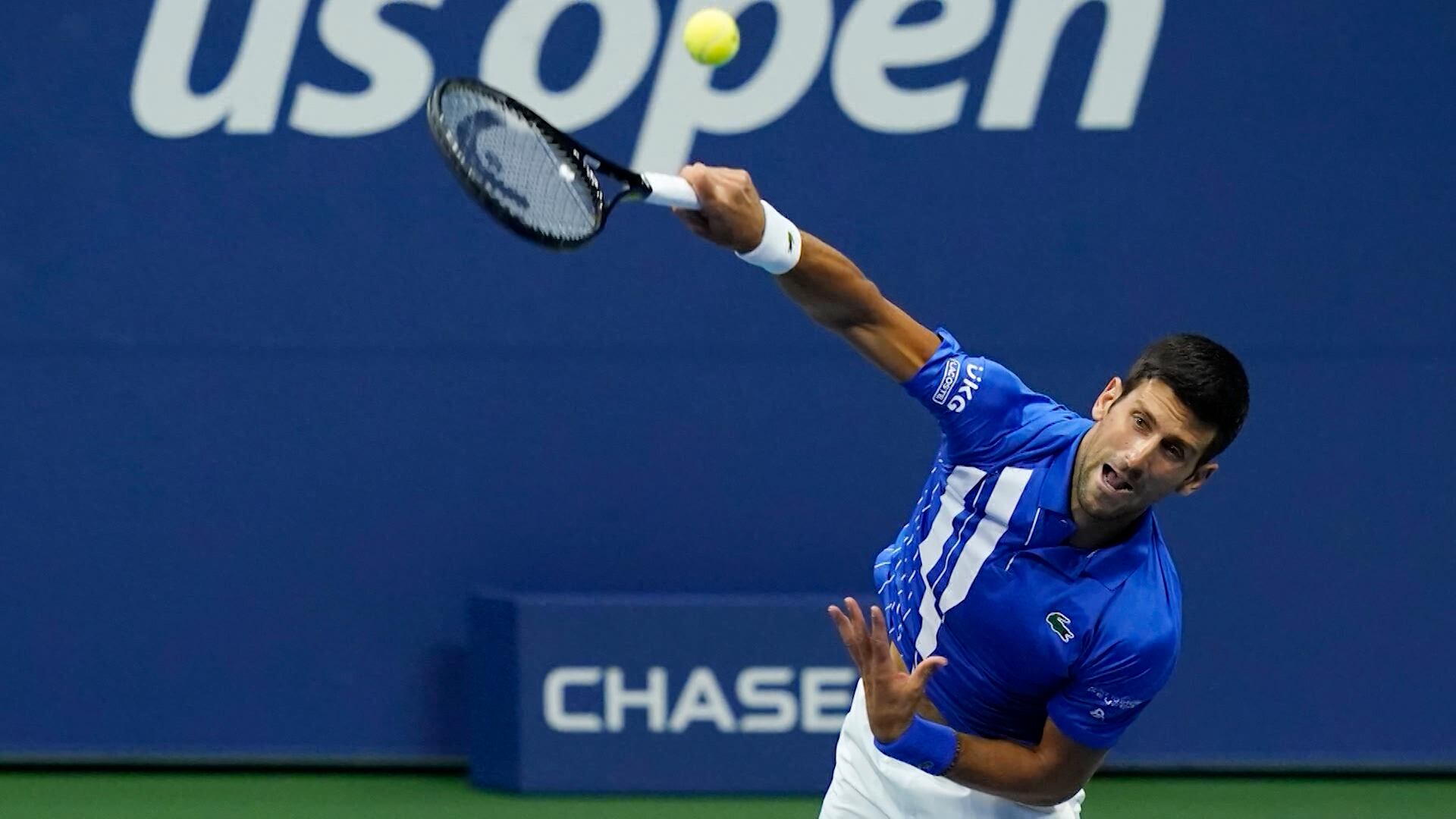
The drama surrounding tennis star Novak Djokovic continues after he was deported from Australia over the weekend due to the nation's COVID-19 vaccine requirements. Djokovic was forced to leave the country on the eve of what was to be his first match in defense of his Australian Open title after three judges ruled in favor of his removal and revealed their reasoning for doing so. Adding to his woes, a law recently passed in France is putting his chances of defending his French Open title in jeopardy. The director of Marist's Center for Sports Communication, Jane McManus, joined Cheddar to discuss the ongoing fallout.
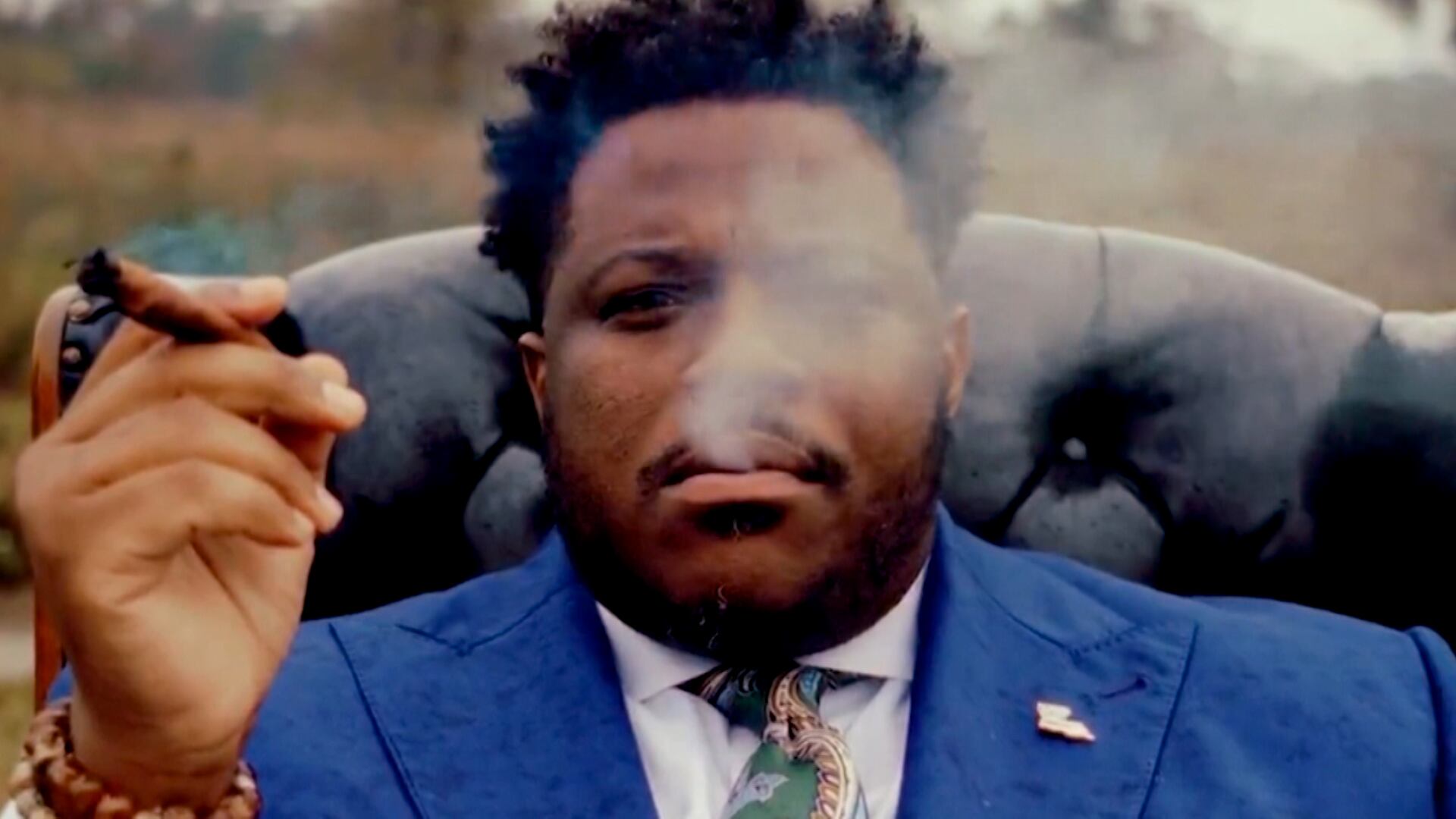
As the midterm elections get ever closer, candidates have been getting creative with their campaigns to stick out and to connect with voters. Gary Chambers, a Democratic candidate for the U.S. Senate from Louisiana, has definitely attracted attention with an advertisement featuring him smoking a blunt, making a point about the inequity of anti-cannabis laws. "We wanted to bring the seriousness of the moment," he said of the ad. "But we also wanted to make sure that people understand that there are 19 states that are legal right now but Black people and brown people are being over-incarcerated in mostly Southern and Midwestern states in America for cannabis possession."
If some members of Congress have their way, there might finally be a 'TLDR' on sites' terms of service, introduced by the terms-of-service labeling, design, and readability act – or TLDR for short. With this act, users will actually understand what they're agreeing to or the many ways in which their data is being used before pressing 'accept.' J.D. sat down with co-sponsor of the bill and Senator Bill Cassidy, to discuss.