The crew at Vanity Fair's Hive discusses the latest on Jared Kushner's diminshed White House influence, and whether Apple will make a play for Snap. Robbie Kaplan, attorney and co-founder of Time's Up, stops by to talk about workplace harassment, and what Time's Up has learned from previous movements. Plus, what will the West Wing be like without Gary Cohn? Gabe Sherman stops by to discuss.
Share:
More In Business
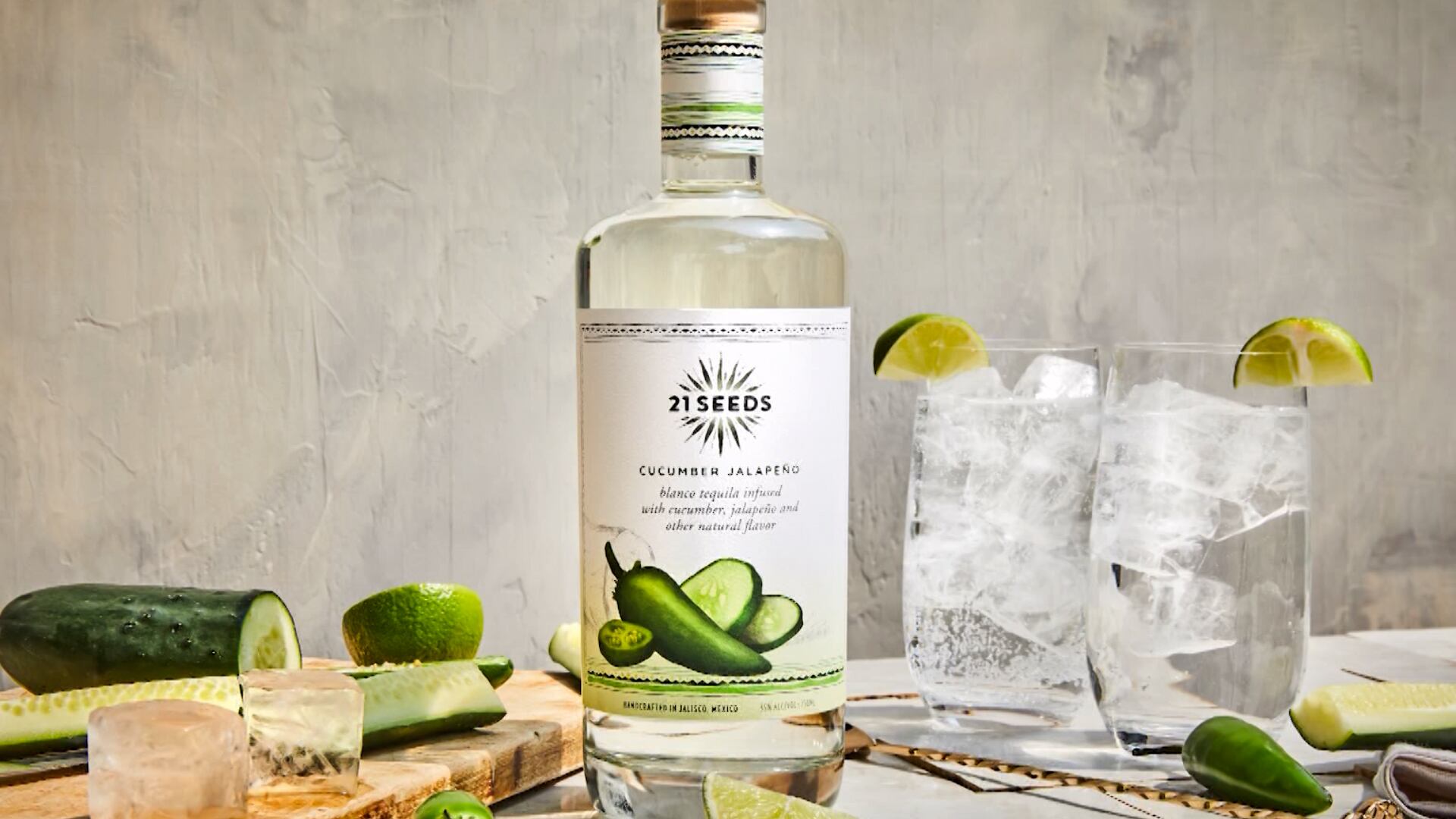
Women-Led 21Seeds Tequila Shares Success Story, Cinco de Mayo Drinks
The all-women founders of the infused tequila brand 21Seeds Kat Hantas, Sarika Singh, and Nicole Emmanuel joined Cheddar News to talk about the recent acquisition of their company by the alcoholic beverage giant Diageo, gaining "world domination" in the tequila market, and enhancing Cinco de Mayo cocktails with their product. "If you want to lighten it up and you're looking for an RTD alternative, like one of those ready to drink alternatives, you can make that at home," said Hantas.

Cheddar Afternoon Google News Briefings of April 28th
Cheddar Afternoon Google News Briefings

Afternoon Alexa Flash Briefings of April 28th
Alexa Flash Briefings

Need2Know: Musk Mocks Twitter Employee, George Floyd Probe & Drought
Catching you up on what you need to know on April 28, 2022, with Elon Musk mocking Twitter's top legal exec Vijaya Gadde on the platform itself, a probe in George Floyd's death finding discrimination within the Minneapolis police force, the latest California drought leading to new water restrictions, and more.
Twitter, in Possibly Last Quarterly Report, Sees User Growth
Twitter is reporting earnings of $513 million for the first quarter days after it agreed to be sold to billionaire Elon Musk.
Ford Reports Q1 Beat; CFO Says Chip Shortage Prevented 'Stronger Quarter'
Ford CFO John Lawler joined Cheddar News to talk about the auto giant's Q1 earnings report that beat on revenue and EPS. Despite the good numbers, Lawler spoke to challenges Ford had to navigate. "We also see the continued disruption to the supply chain impacting our production, and that hit us in the first quarter as well. So it kept us from having an even stronger quarter," he said. Lawler noted that chip shortages leading to the supply constraints should ease up throughout the year.
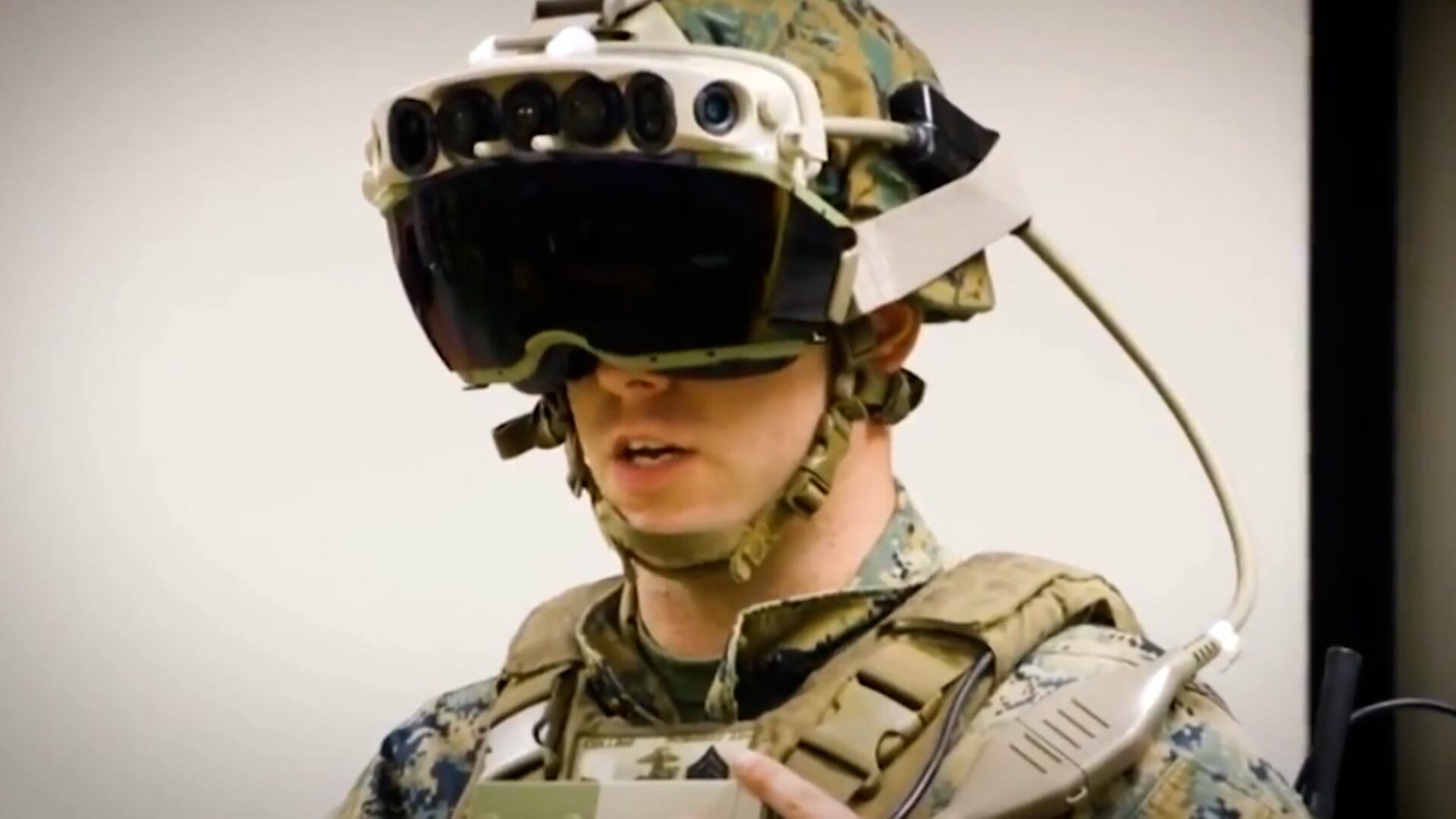
Pentagon Scrutinizes Microsoft's IVAS Combat Goggles Based on HoloLens ARG
Tech giant Microsoft won a military contract for the production of its IVAS (integrated visual augmentation system) combat goggles, based on its HoloLens ARG tech, worth up to $21.9 billion over 10 years. However, the Pentagon is now saying that the device "has not yet demonstrated the capability to serve as a fighting goggle," and that the Army made mistakes in the program's initial stages by not clearly describing minimum performance standards. While testing continues, concerns have grown outside of the Defense Department to Congress and even within Microsoft itself. Cheddar's Ken Buffa takes a deeper look at the possible boondoggle.
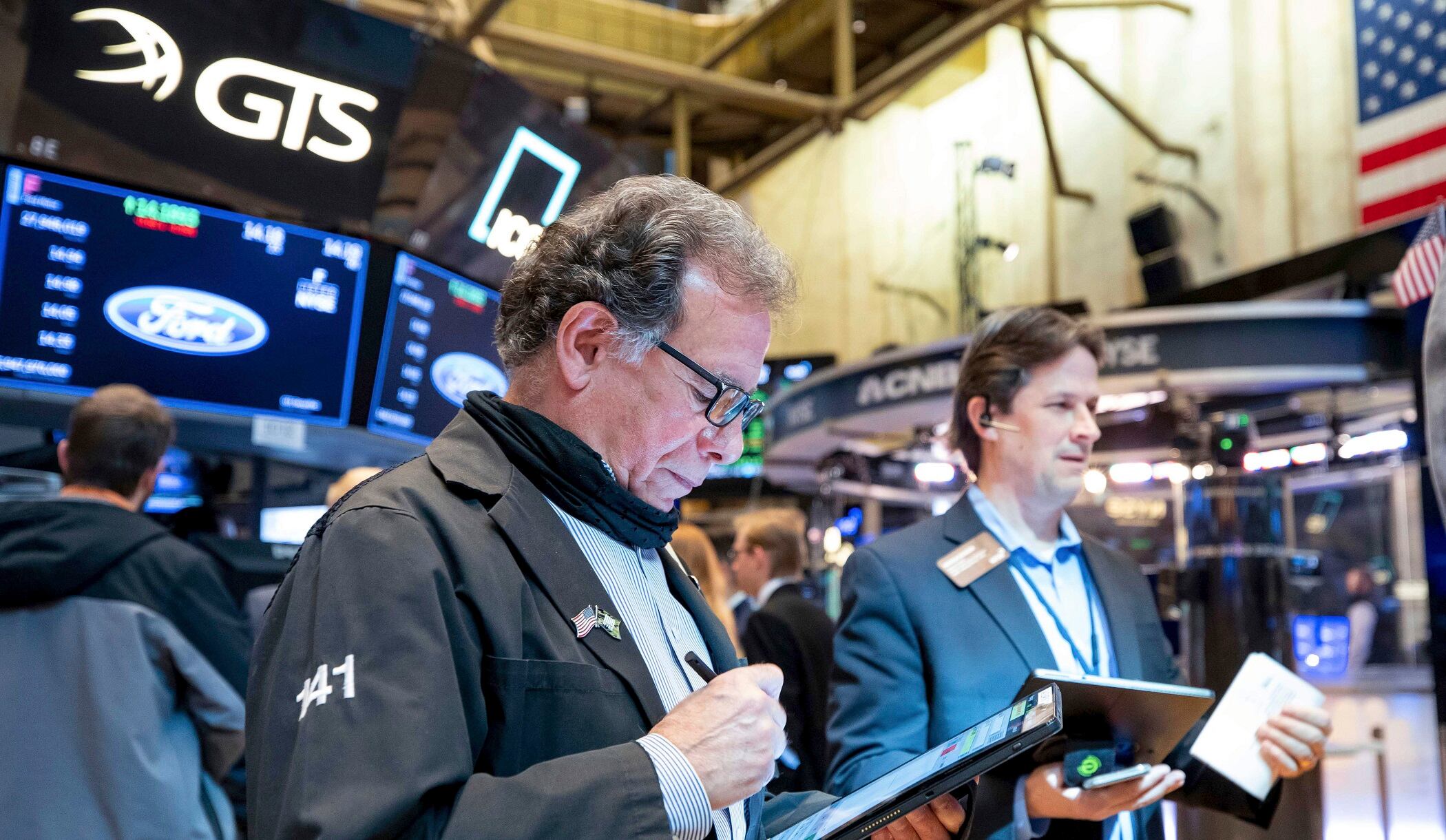
Stocks Rally on Wall Street as Technology Giants Rebound
Stocks rallied on Wall Street Thursday as technology companies clawed back some of the ground they had lost recently.

Cheddar Quick Hit GSTV of April 29th
Cheddar Quick Hit GSTV