The Tech Companies That Stand To Lose The Most From Net Neutrality Repeal
In a 3-2 decision, the FCC voted to repeal net neutrality. The battle over internet regulation will now likely head to the courts.
Digital Trends Editor-In-Chief Jeremy Kaplan discusses who will be hit the hardest if and when the regulations go away. Big tech companies like Netflix and Facebook are at the top of the list. They have the largest amount of traffic and require the most data to reach their hordes of users.
Without net neutrality, carriers such as Verizon and AT&T could restrict data speed to specific sites. Supporters of net neutrality argue that repealing the regulations will lead to a tiered data system. Customers would have to pay extra to access the most popular and data-heavy sites.
Carlo and Baker cover the latest developments after a devastating tornado outbreak over the weekend, plus an eye on Omicron and inflation, and not even Spielberg can save the box office.
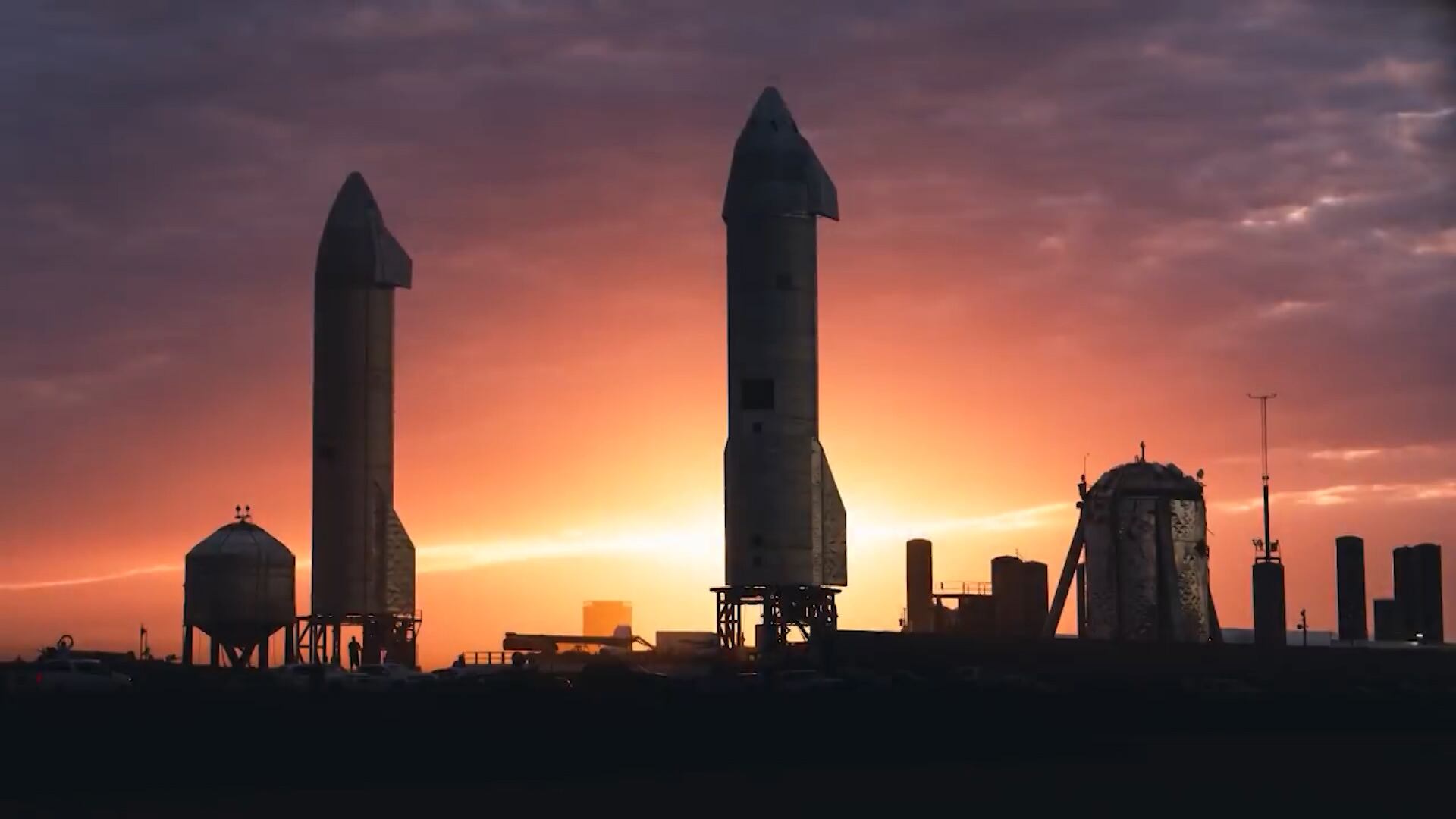
Reusable rocket developer Stoke Space Technologies raised $65 million in a Series A round led by Breakthrough Energy Ventures, a firm founded by Bill Gates. Stoke says its reusable rockets provide the satellite industry with low-cost, on-demand access to and from orbit. As companies like SpacX and Blue Origin are also making commitments to rocket reusability, Stoke says it is taking a different approach with a system designed to be 100% reusable, comprised of rockets designed to fly daily, like an airplane. Stoke co-founder and CEO Andy Lapsa joins Cheddar News' Closing Bell to discuss.
Humans are set to return to a place we have not been in nearly 50 years: the moon. NASA's Artemis program is expected to have astronauts back on the lunar surface by 2025. NASA says it will use what it learns on the moon to take the next giant leap - sending the first astronauts to Mars. The Artemis program also includes contributions from private companies like SpaceX, as well as academic research institutions like Georgia Tech. Georgia Tech professor of practice and former NASA astronaut Sandra Magnus joins Future of Space: Humankind's Leap Forward to discuss.
Global delivery service FedEx just received the first five of an order of 500 light commercial electric vehicles from GM's BrightDrop brand. Mitch Jackson, chief sustainability officer for FedEx, joined Cheddar to discuss the deployment of the EV600 delivery vehicles, if the new fleet will get the company to carbon neutrality by 2040, and how cost-effective they might be. "We've been working with electric vehicles for 10 years, and what we've find over that time frame is that we save over half of our operational and maintenance costs with the use of EVs over internal combustion engines, "Jackson said. "So they're economically viable."
Matt Faubion, Wealth Manager and Investment Adviser at Faubion Wealth Management, joins Cheddar to break down the pros and cons to gifting and receiving investments, like stock or cryptocurrency, as a gift this holiday season.