The Tech Companies That Stand To Lose The Most From Net Neutrality Repeal
In a 3-2 decision, the FCC voted to repeal net neutrality. The battle over internet regulation will now likely head to the courts.
Digital Trends Editor-In-Chief Jeremy Kaplan discusses who will be hit the hardest if and when the regulations go away. Big tech companies like Netflix and Facebook are at the top of the list. They have the largest amount of traffic and require the most data to reach their hordes of users.
Without net neutrality, carriers such as Verizon and AT&T could restrict data speed to specific sites. Supporters of net neutrality argue that repealing the regulations will lead to a tiered data system. Customers would have to pay extra to access the most popular and data-heavy sites.
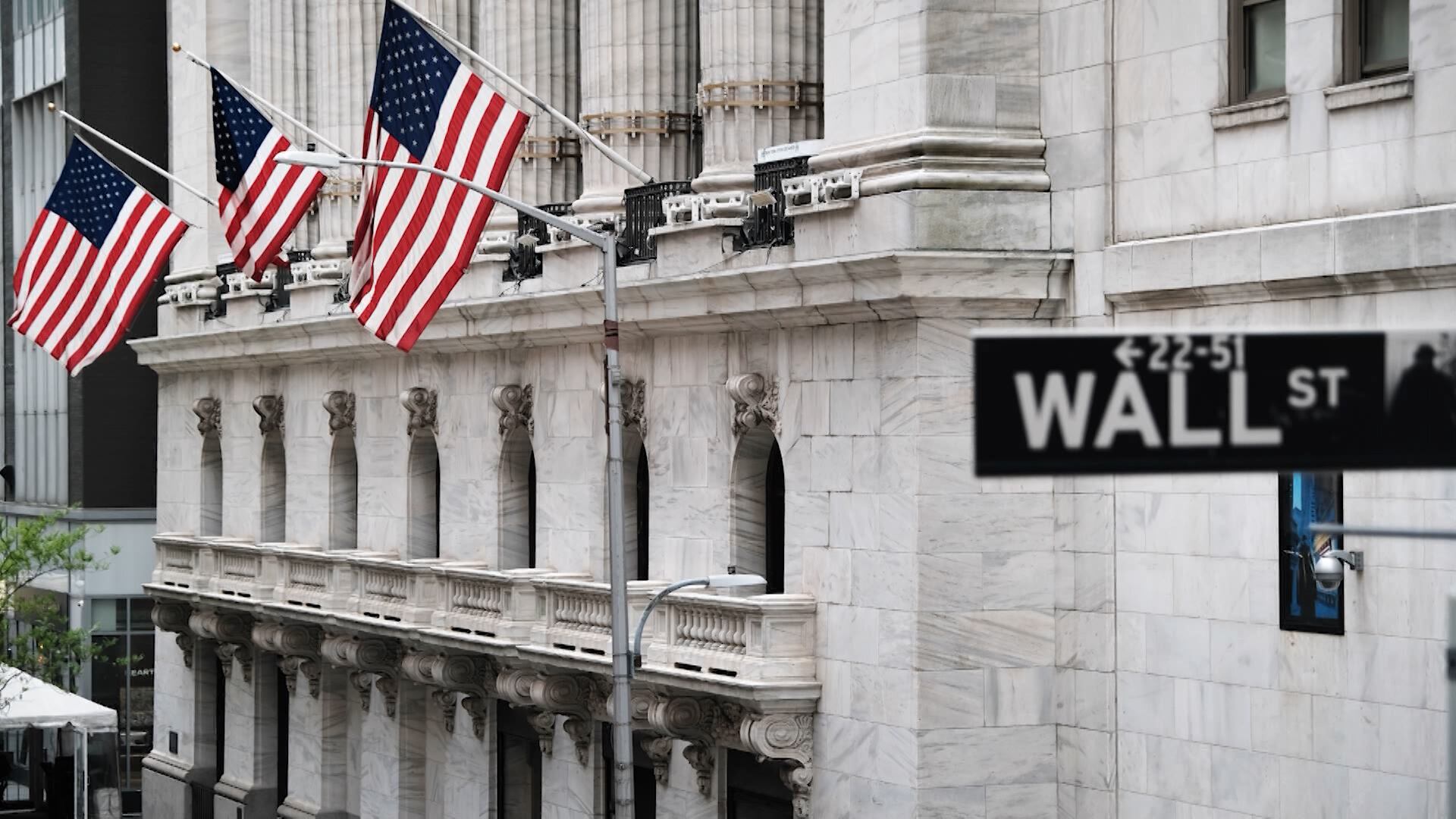
U.S. stocks fell sharply to close Tuesday's session, with the Nasdaq dropping 3.95% and hitting a new one-year low. Frances Newton Stacy, Director of Strategy for Optimal Capital, joins Cheddar News to discuss her reaction to how markets closed the session, and to break down Q3 2022 earnings from Microsoft. "Netflix was sort of the big warning, and I think Big Tech was down today in anticipation of these earnings," she says.
With Netflix losing 200,000 subscribers in one quarter, and CNN+ shutting down just weeks after launch, the streaming industry is in a place of uncertainty. Hundreds of people who once thought they had steady jobs now face potential unemployment as streamers figure out how to navigate the constantly changing landscape. Greg Martin, co-founder of Rainmaker Securities, joined Cheddar's Opening Bell to discuss the state of streaming, its troubles, and how its impacting hundreds of workers.
With mask mandates lifted across various parts of the country, healthy indoor air quality in public spaces is more crucial than ever before. According to the CDC, proper ventilation, in addition to other preventative measures, is instrumental to preventing the rapid spread of covid-19 indoors. As the push for higher air quality ramps up, AtmosAir is providing a high-tech solution for cleaner, greener air indoors. Steve Levine, CEO, AtmosAir, joined Cheddar’s Opening Bell to discuss.
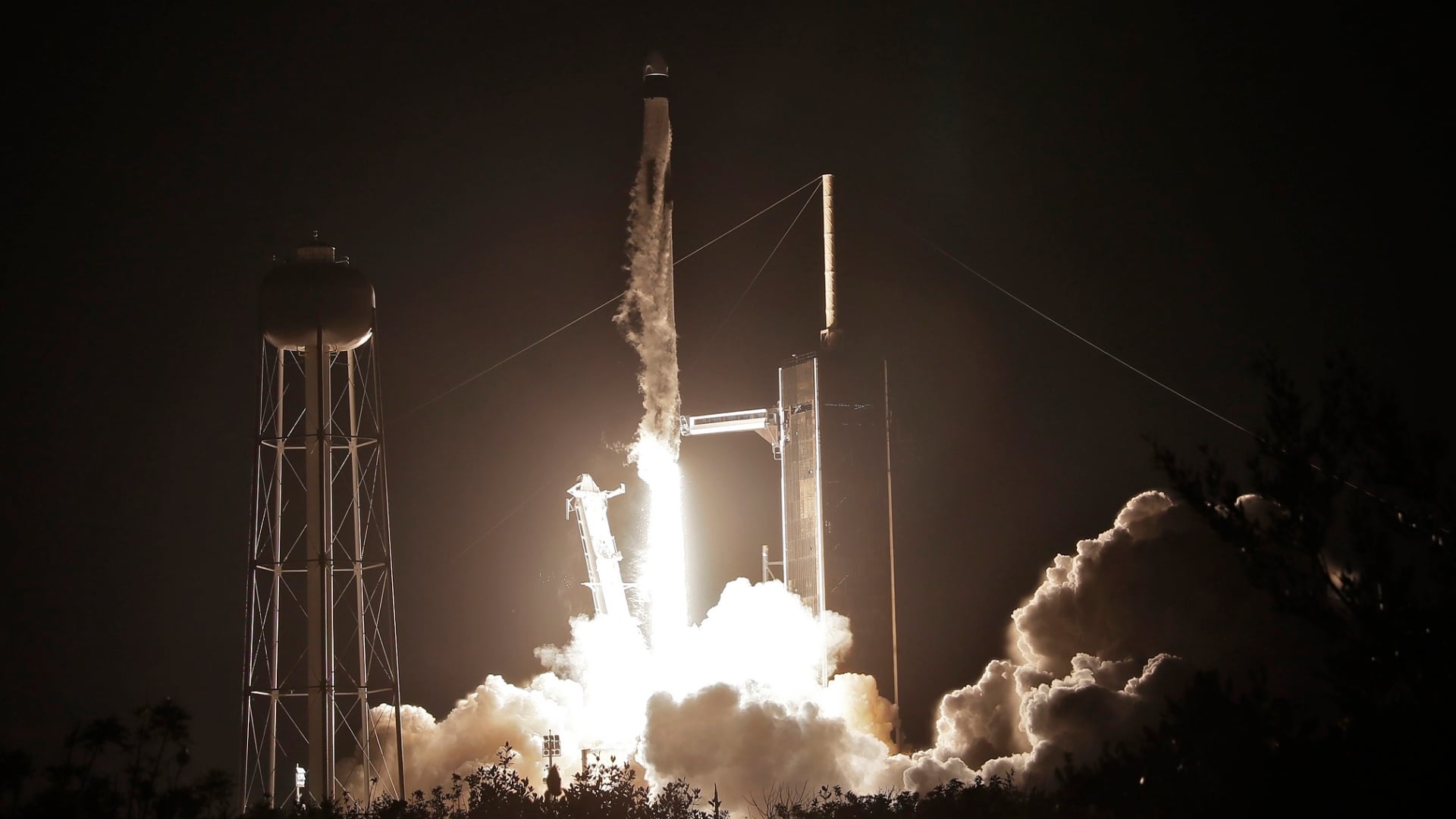
Catching you up on what you need to know on April 27, 2022, with Tesla stocks absorbing an initial hit following Elon Musk's purchase of Twitter, Russia pausing its natural gas supplies to Poland and Bulgaria, NASA's SpaceX Crew-4 mission taking off, and more.
General Motors reported a Q1 net income of $2.9 billion and a raise in their full-year guidance. This comes as the auto giant steps up production of its electric vehicles amid production headwinds. Paul Jacobson joined Cheddar News to talk about the earnings report and its ongoing electric vehicle strategy. "One of the things I'm most proud of is the fact that we're continuing to lean in and accelerate on our electric vehicle journey," he said. "When you think about it, we're going to produce 400,000 vehicles over the next two years by the end of 2023, and we'll have production capabilities up and will produce more than a million vehicles in North America alone in 2025."