The Tech Companies That Stand To Lose The Most From Net Neutrality Repeal
In a 3-2 decision, the FCC voted to repeal net neutrality. The battle over internet regulation will now likely head to the courts.
Digital Trends Editor-In-Chief Jeremy Kaplan discusses who will be hit the hardest if and when the regulations go away. Big tech companies like Netflix and Facebook are at the top of the list. They have the largest amount of traffic and require the most data to reach their hordes of users.
Without net neutrality, carriers such as Verizon and AT&T could restrict data speed to specific sites. Supporters of net neutrality argue that repealing the regulations will lead to a tiered data system. Customers would have to pay extra to access the most popular and data-heavy sites.
The Robin Hood Foundation is New York City's largest poverty-fighting organization. For more than 30 years, Robin Hood has built and fueled non-profits across all five boroughs. CEO Richard Buery joined Cheddar News' Closing Bell ahead of his ringing the closing bell at the New York Stock Exchange and later, lighting of the NYSE Christmas tree.
Creator commerce platform LTK raised $300 million in a recent funding round, now valuing the company at $2 billion. LTK is the world's largest influencer marketing platform and is known for helping to pioneer the so-called 'creator economy.' The company helps content creators make money off of their social media posts by hosting them on one central marketplace. LTK says more than $3 million in products are bought each year on its website and app. Now, the company is looking to continue its growth. LTK co-founder and president Amber Venz Box joins Cheddar News' Closing Bell to discuss.
Microsoft recently announced the standalone Teams Essentials as businesses continue to update their practices for the new norm of hybrid work life. Jared Spataro, corporate VP at Microsoft Modern Work, joined Cheddar to talk about solutions the tech giant has rolled out in order to help underserved small and medium-sized companies continue operations seamlessly. "We're excited about the opportunity to serve their needs better, and that, in particular, is focused on their meeting and communication needs," he said. "We start with Teams, which has been a wildly successful product for us up in the enterprise space, and now we have created a form of Teams that is particularly suited for small businesses."
No matter what you're in the market for this holiday season, there is one way that you can put some cash back in your pocket and stretch your gift budget a little bit further this year. With Lolli, for every gift you buy for someone else, you get the gift of free bitcoin back. CEO of Lolli, Alex Adelman, joins Cheddar News.
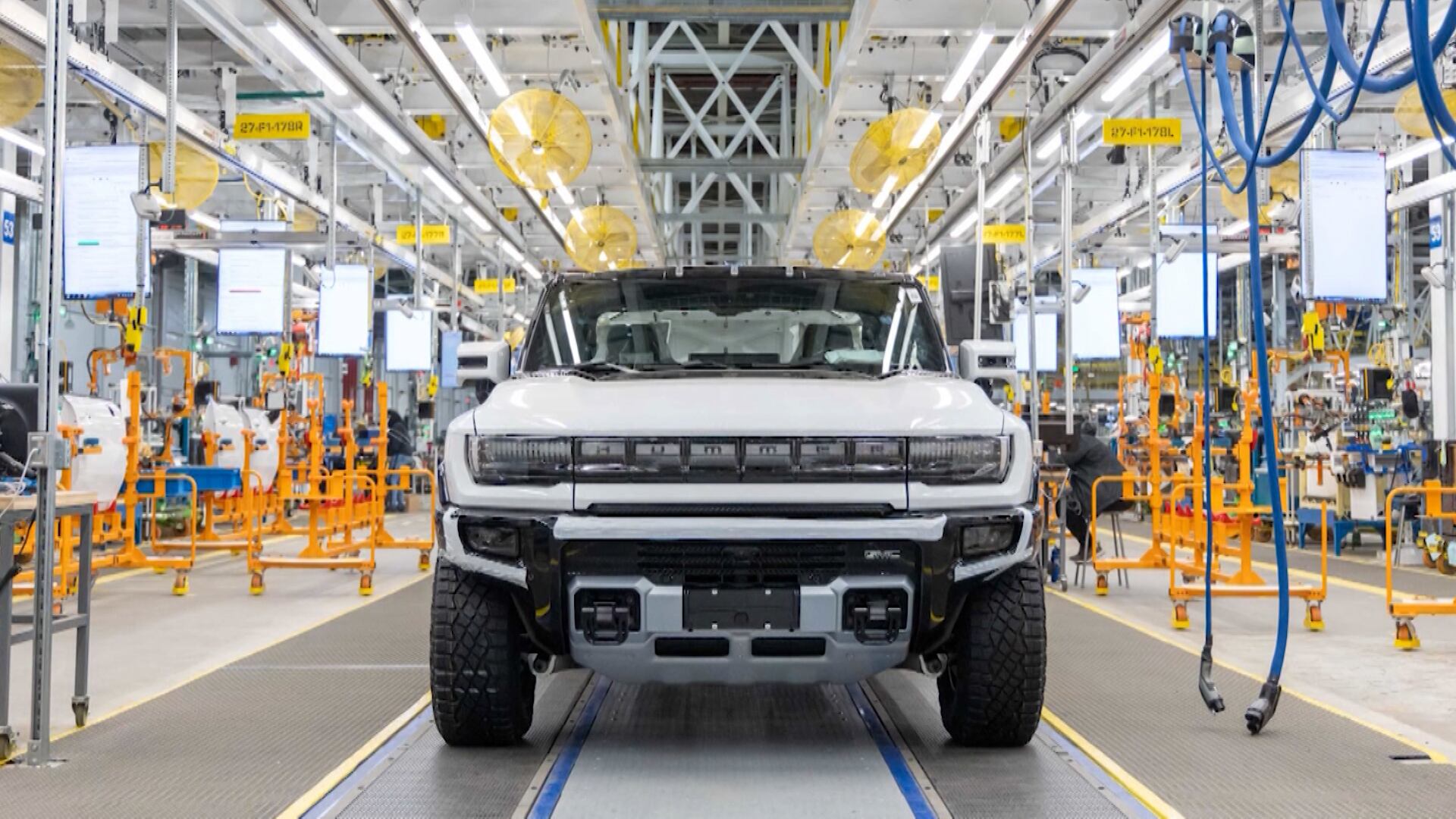
Iwao Fusillo, Chief Data & Analytics Officer, GM, joins Cheddar News to dispel myths and cut straight to the facts about GM's role in an all-electric future.
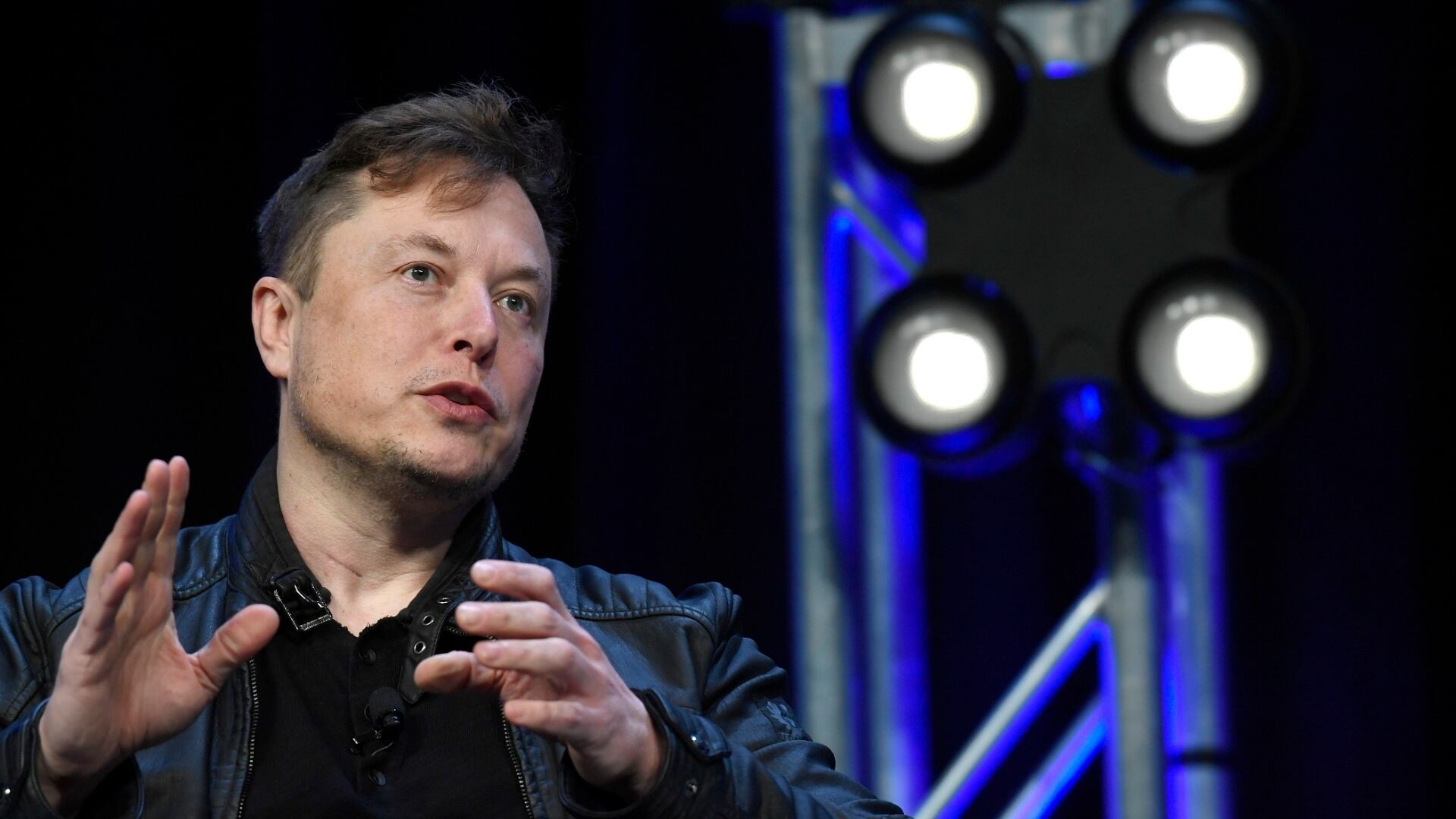
Over the Thanksgiving holiday, Elon Musk warned SpaceX employees in a leaked email that the company could be forced to file Chapter 11 bankruptcy if its raptor engine program fails. Musk then commented on the previous statement adding the detail that a recession could make such a bankruptcy possible.
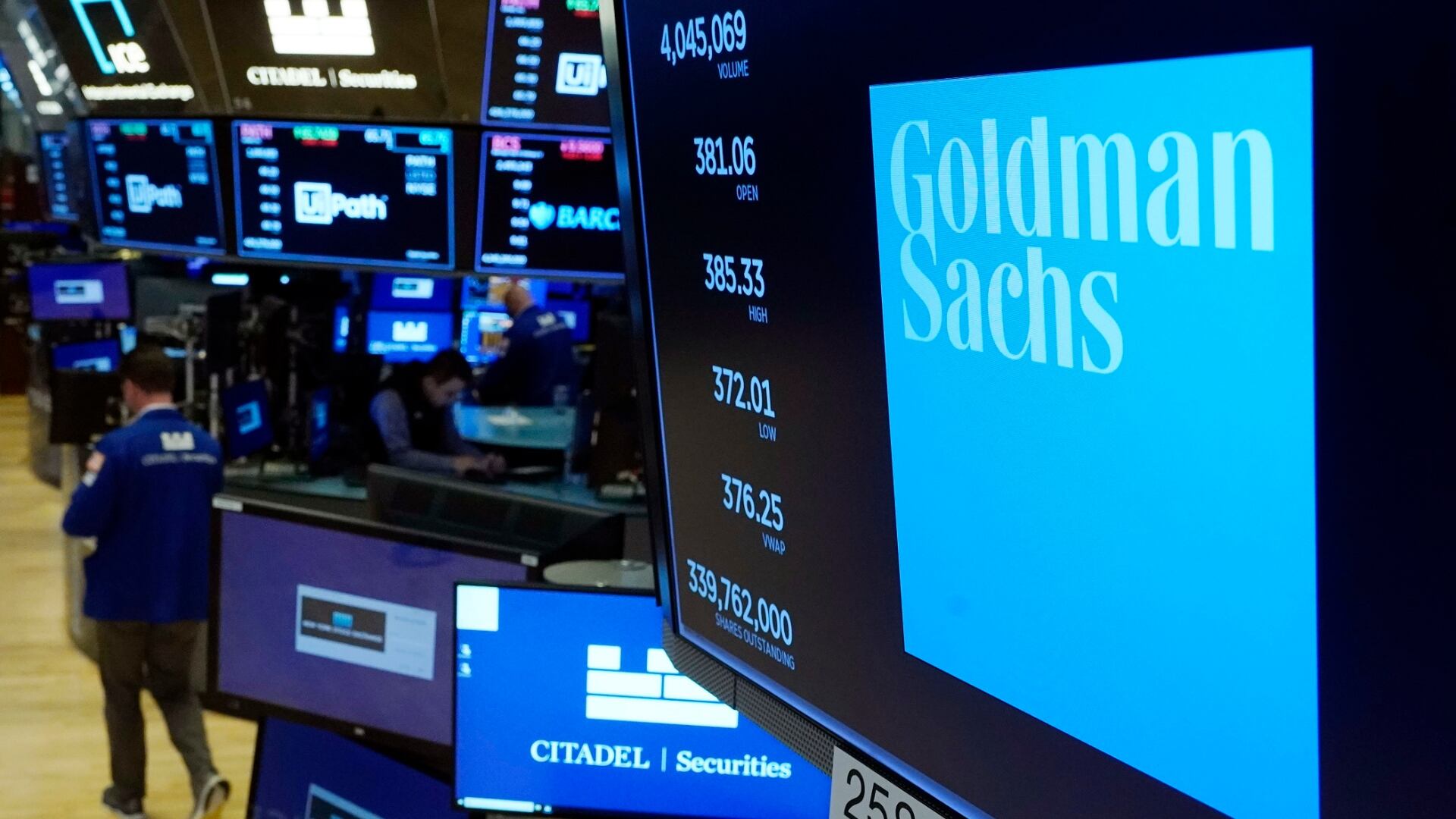
Goldman Sachs is rolling out an Amazon Web Service for trading firms called GS Financial Cloud for Data with Amazon Web Services. The move comes as Wall Street looks to keep up with today's evolving tech.
Online ad-tech company Innovid made its public debut on the New York Stock Exchange. CEO and co-founders Zvika Netter joined Cheddar's "Opening Bell" to discuss factors that drove the company to launch an IPO via a SPAC deal. He noted that the rapid growth of connected TV advertising (CTV) made it an opportune time for his business to go public. While the company is profitable, Netter also explained the various avenues it will take to increase total revenue.