*By Carlo Versano*
For many of us, the impact of the tax overhaul that went into effect a year ago won't be felt until we file our 2018 returns. Here are some things to remember as tax season approaches (W-2s should start appearing in mailboxes in a month), courtesy of Katelynn Minott, a CPA at Bright!Tax:
2018 returns have big increases in the standard deduction, which is now:
* $12,000 for single filers
* $18,000 for heads of households
* $24,000 for married couples filing jointly
While standard deductions have roughly doubled, the personal exemption has been eliminated. That means you can no longer reduce your taxable income by the $4,050 per household member. The standard deduction increase is generally positive for single and married people, but negative for anyone with dependents.
Filers will also no longer be able to deduct costs associated with job searches and working from home, which will negatively impact freelancers and anyone who spent more than 2 percent of their adjusted gross income on job-related expenses.
The new law also makes it harder to deduct mortgage interest and property taxes.
Filers should be prepared to get acquainted with a vastly different 1040 form, Minott said. And if you had a major life event in the last 12 months ー marriage, job change, child ー don't forget to update your W-4 to reflect that change.
And if you're expecting a refund and need the cash, don't forget the IRS works on a first-come, first-serve basis after you file.
"The earlier you file, the earlier your return will come back to you," Minott said.
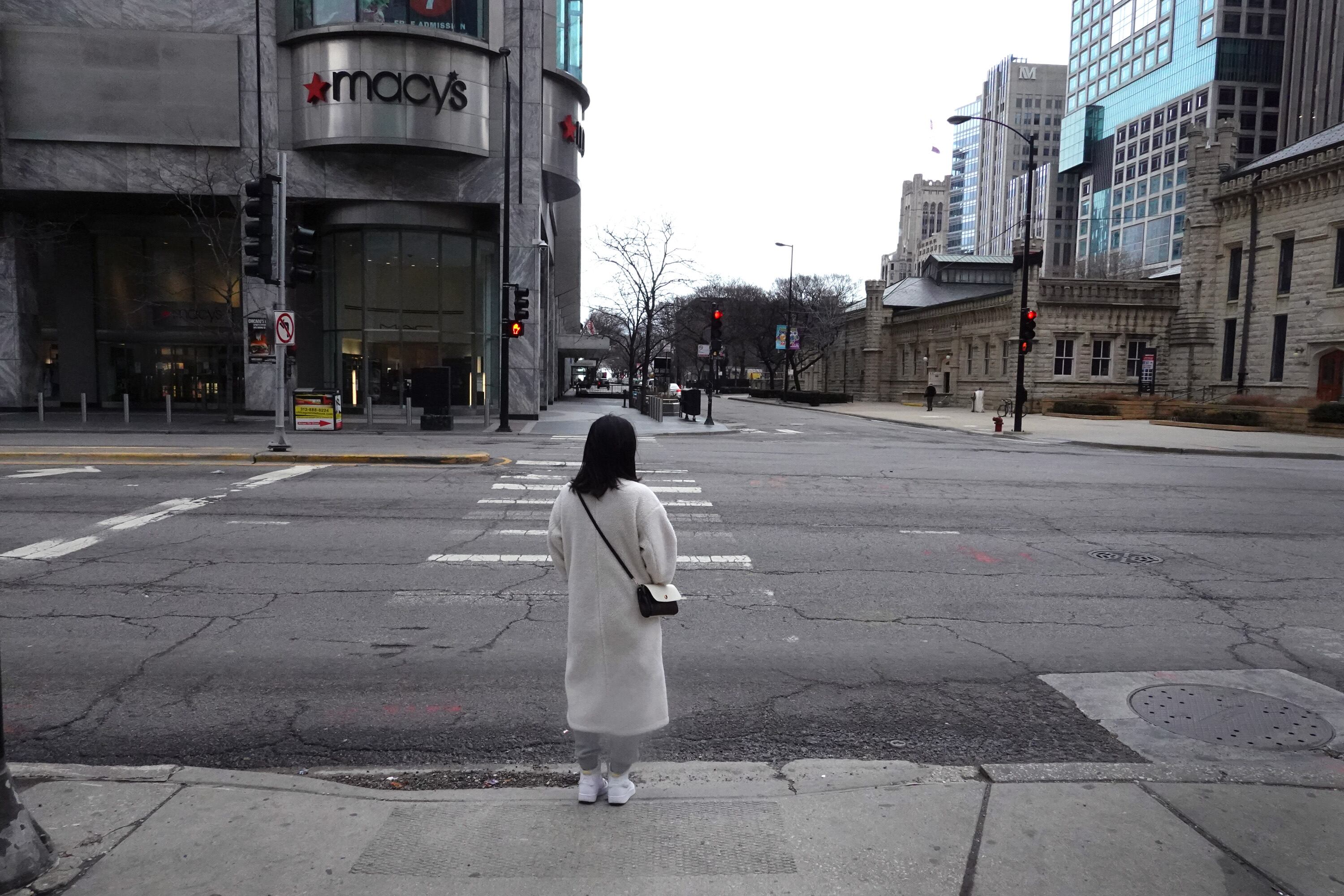
Despite localized reductions in emissions and pollution due to coronavirus-related shutdowns, it doesn't mean that the pandemic and ensuing economic crisis will somehow turbocharge the globe's glacial steps toward reducing humanity's impact on the environment.
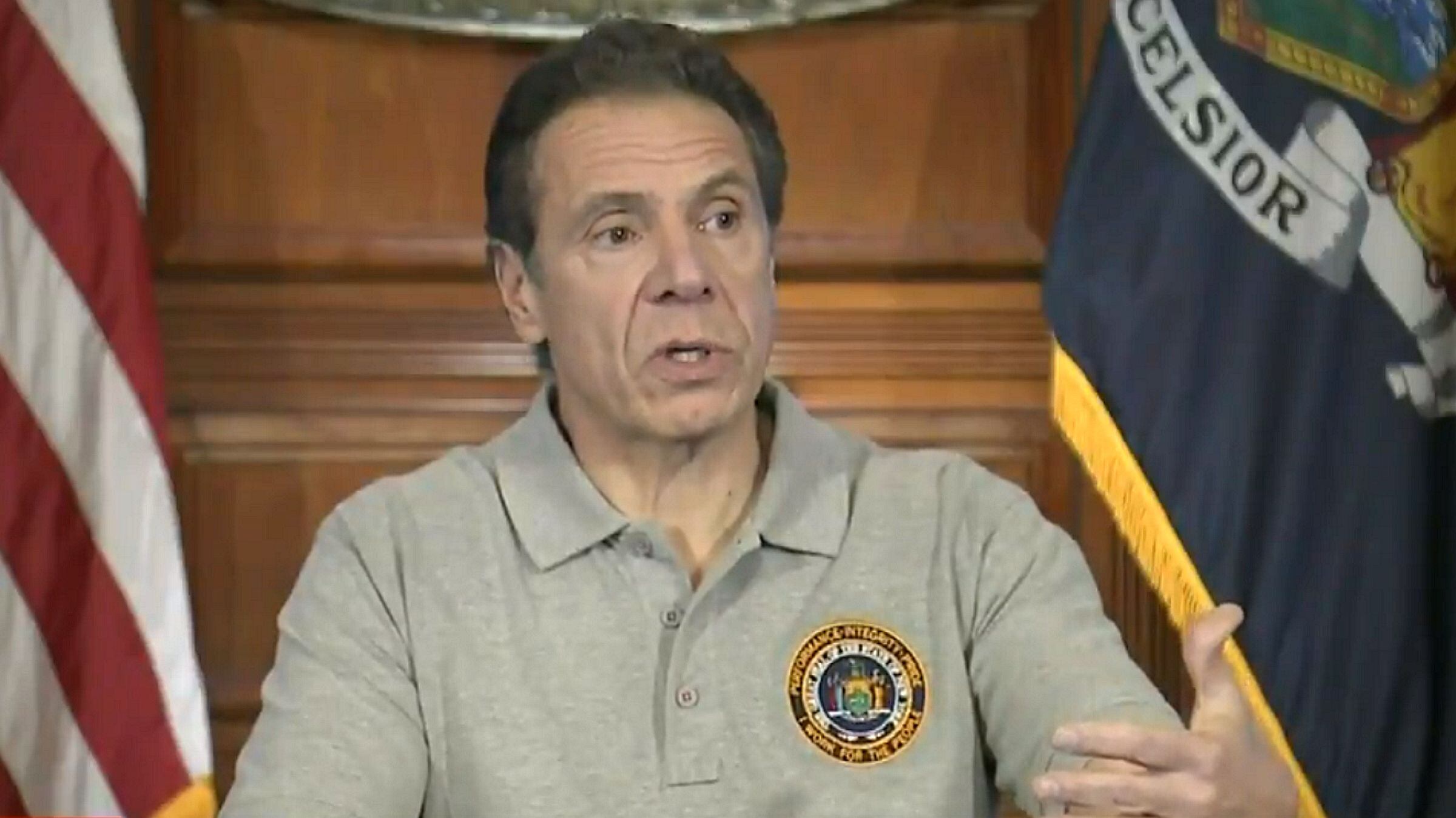
In a news conference, NY Gov. Andrew Cuomo said he has ordered the state's hospitals to increase their capacity for intake at least by half, if not doubling it., and also revealed that New York had procured more medical supplies in the fight against the coronavirus pandemic.
Now that we’re beginning to rely more heavily on video conferencing, a new trend is emerging: the Work-From-Home Mullet.
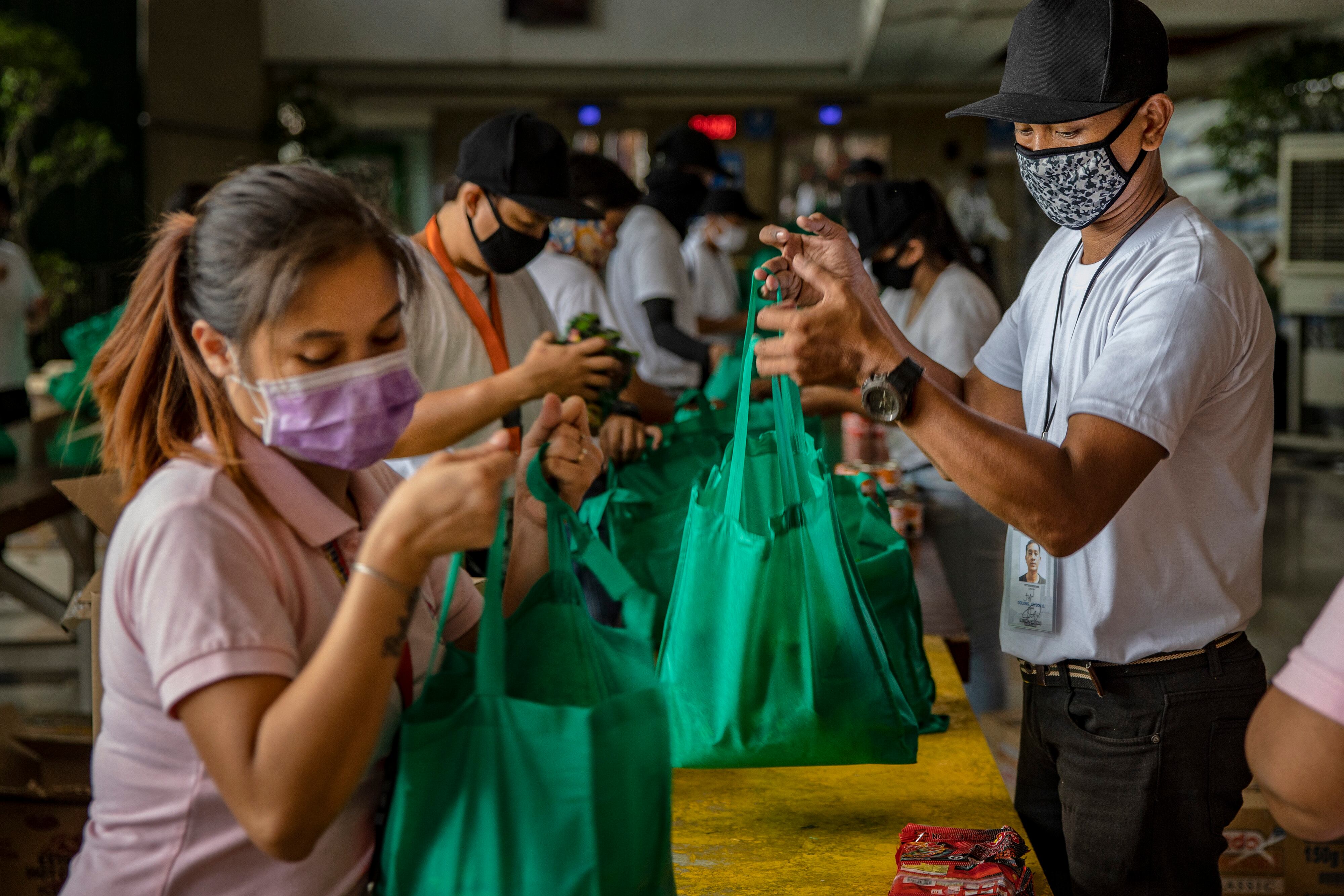
We’ve heard the usual guidelines for preventing coronavirus disease, but here are five ways you can show care and solidarity toward the rest of your community near and far and in the digital and physical worlds.
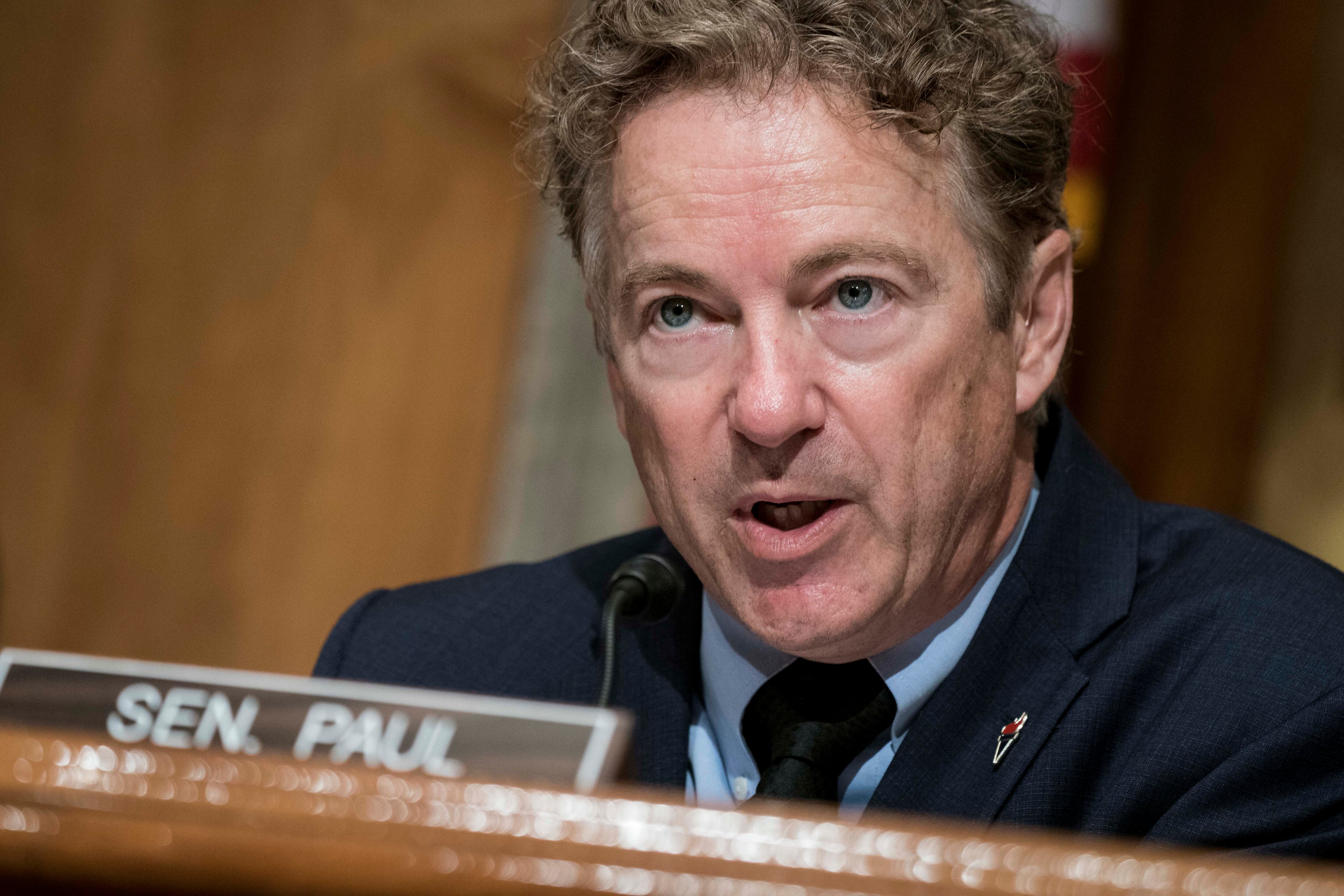
Sen. Rand Paul of Kentucky has tested positive for the novel coronavirus, becoming the first case of COVID-19 in the Senate and raising fears about the further transmission of the virus among Republicans at the Capitol.
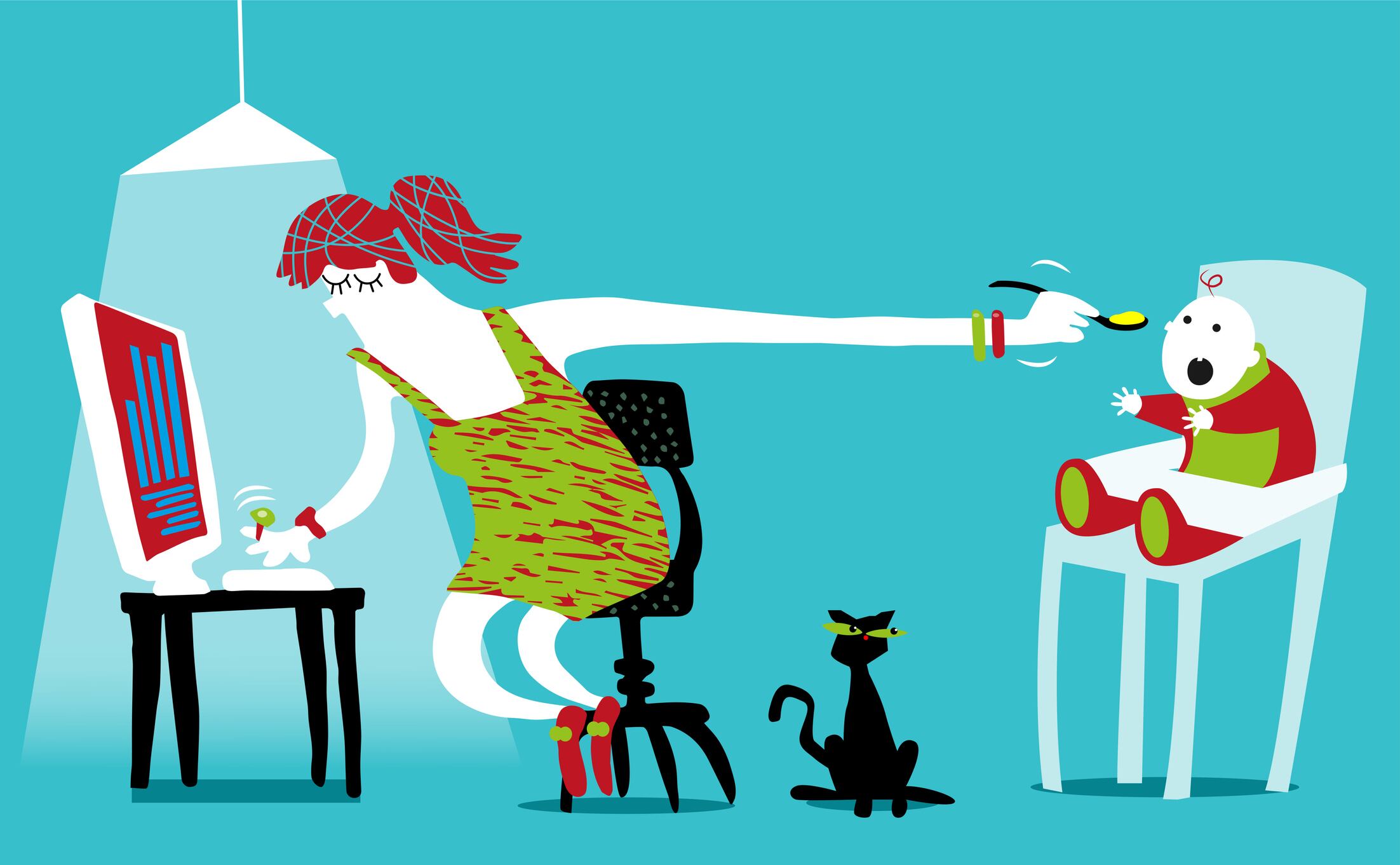
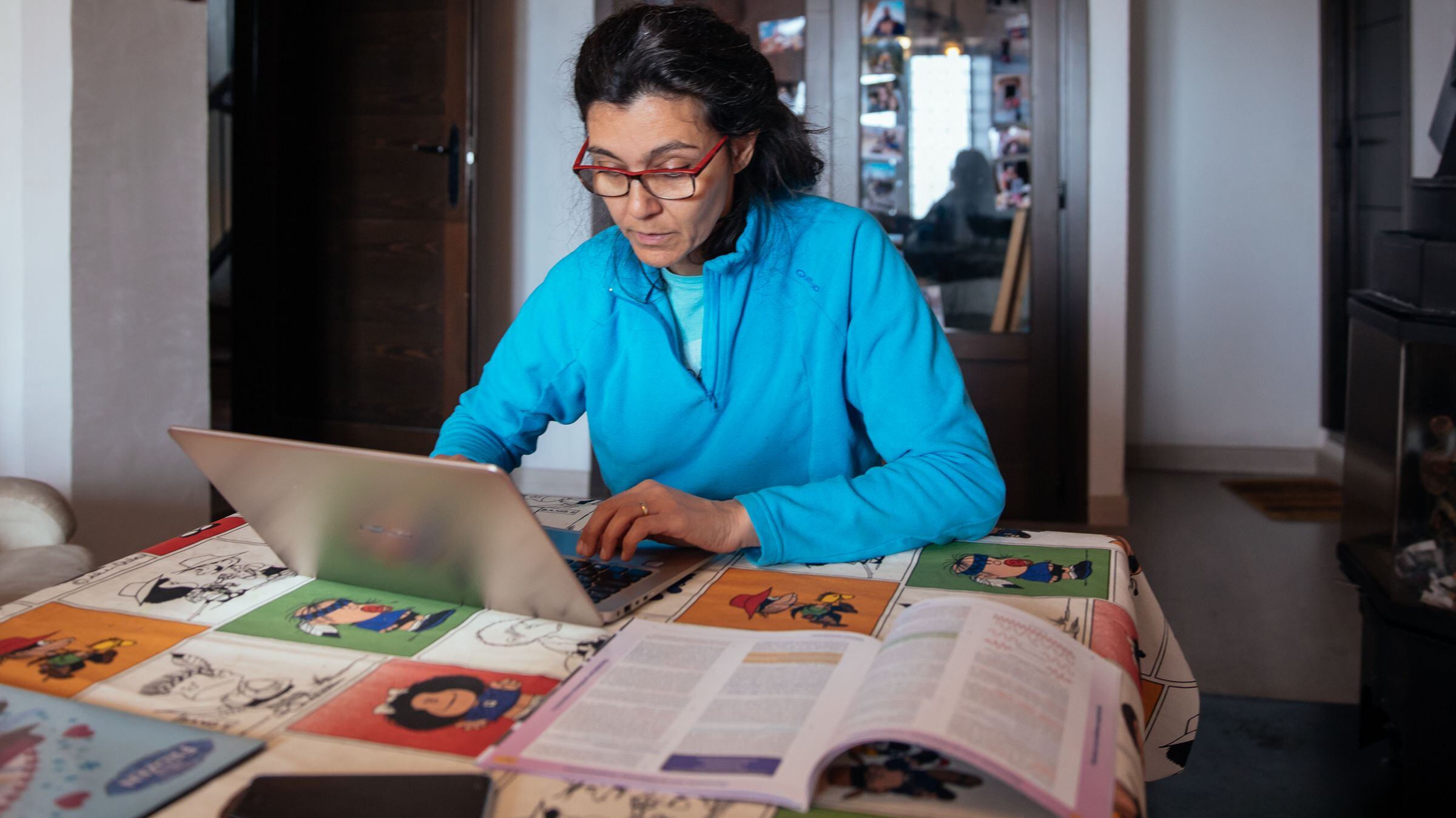
After careful consideration, I have come to the conclusion that it is nearly impossible to work from home with a 17-month-old toddler. But if you ARE going to do it (or attempt it), you need the right uniform. It’s called the WFH Mullet.
Streaming video companies like YouTube, Netflix, and Amazon have all agreed to reduce the quality of their streaming videos in Europe in order to reduce the strain on Internet bandwidth during the coronavirus pandemic.
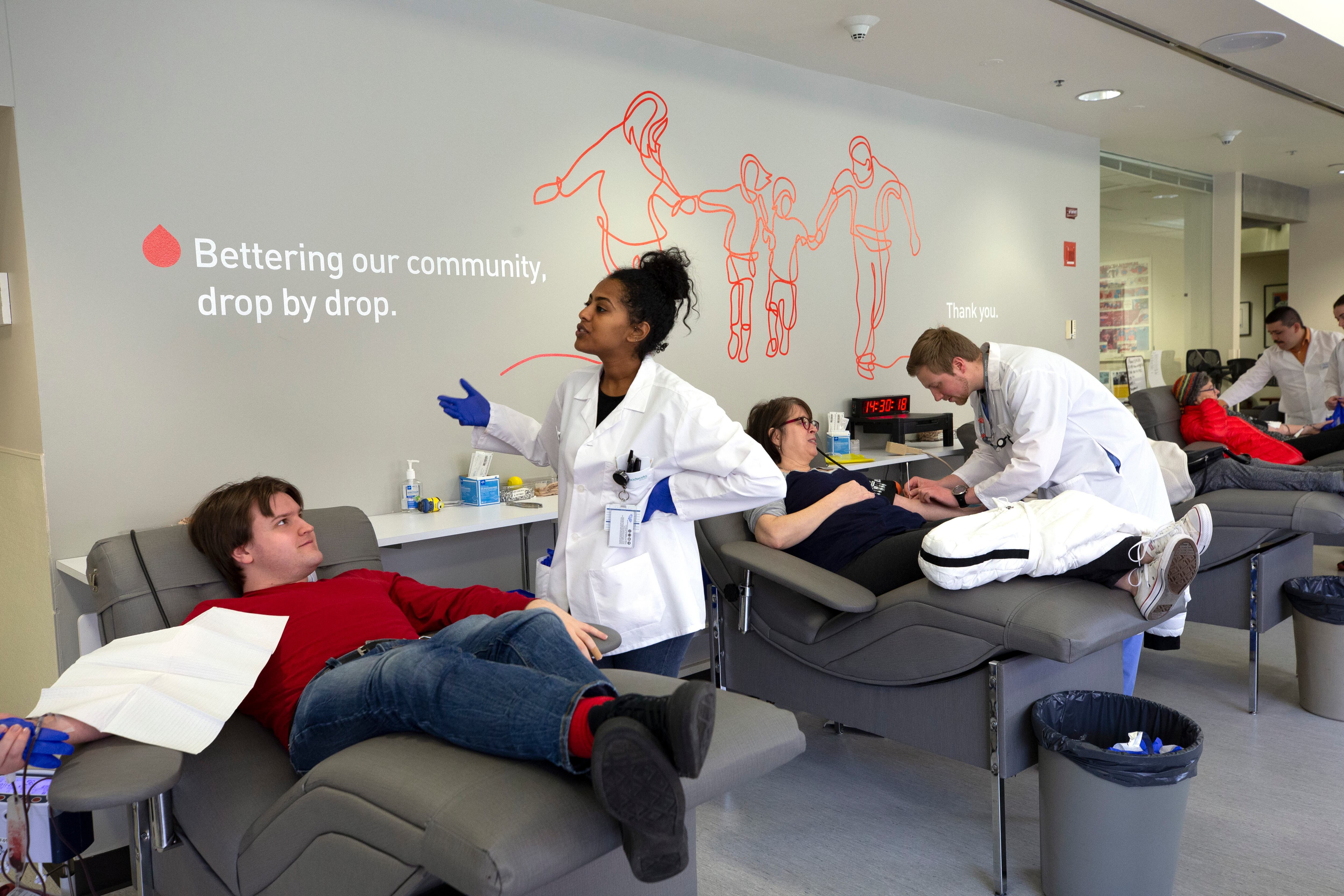
Americans capable, willing, and able to donate blood are encouraged to do so during an era of social distancing.
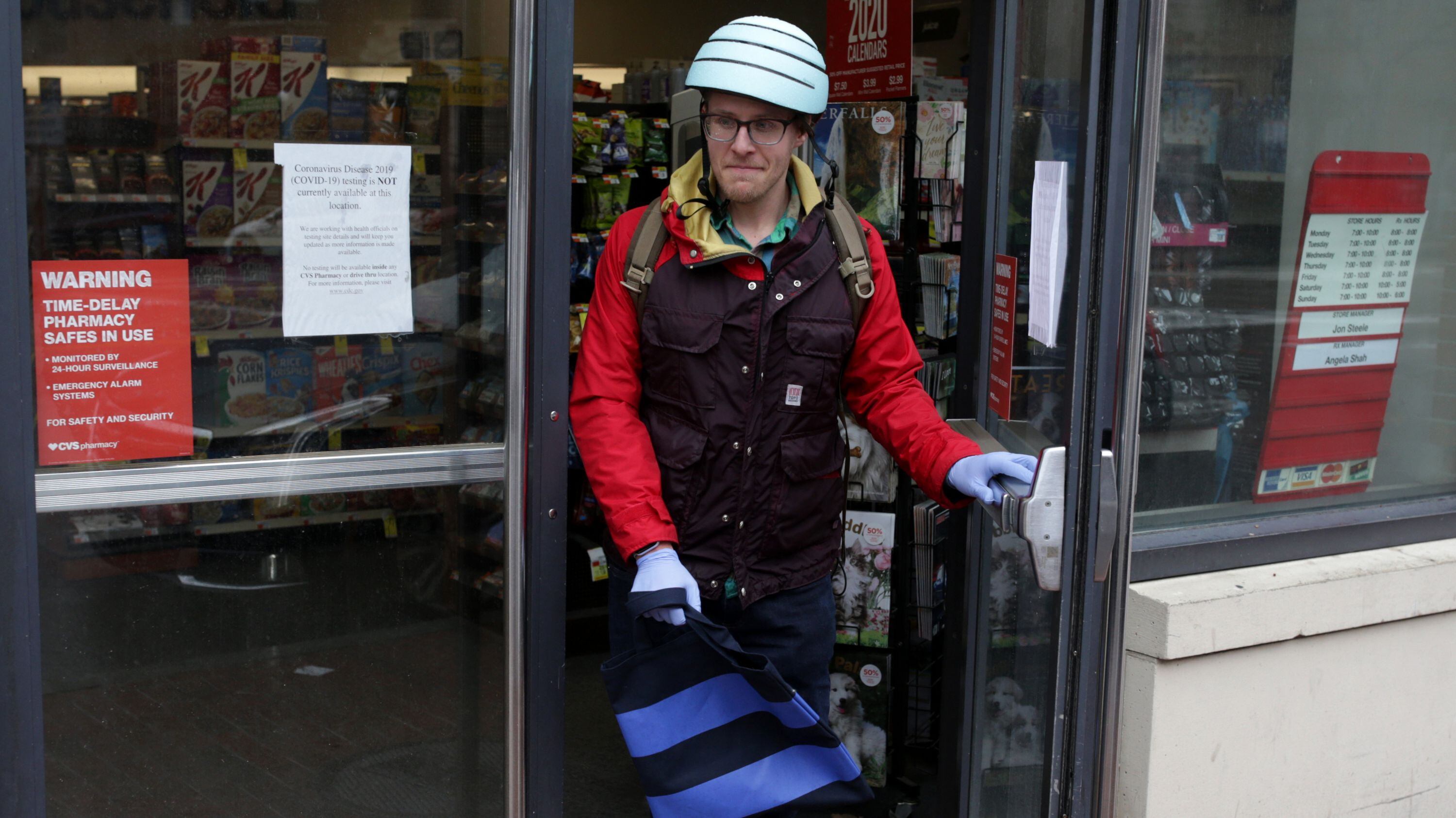
Cheddar compiled ways in which people who are able to help can get involved in their communities during the coronavirus outbreak.
Many Americans abroad rushed home as the COVID-19 pandemic exploded globally, but Matt Swider, the managing editor for TechRadar, was traveling in Egypt when he found himself lumped in with a group who tested positive for the virus.