*By Carlo Versano*
For many of us, the impact of the tax overhaul that went into effect a year ago won't be felt until we file our 2018 returns. Here are some things to remember as tax season approaches (W-2s should start appearing in mailboxes in a month), courtesy of Katelynn Minott, a CPA at Bright!Tax:
2018 returns have big increases in the standard deduction, which is now:
* $12,000 for single filers
* $18,000 for heads of households
* $24,000 for married couples filing jointly
While standard deductions have roughly doubled, the personal exemption has been eliminated. That means you can no longer reduce your taxable income by the $4,050 per household member. The standard deduction increase is generally positive for single and married people, but negative for anyone with dependents.
Filers will also no longer be able to deduct costs associated with job searches and working from home, which will negatively impact freelancers and anyone who spent more than 2 percent of their adjusted gross income on job-related expenses.
The new law also makes it harder to deduct mortgage interest and property taxes.
Filers should be prepared to get acquainted with a vastly different 1040 form, Minott said. And if you had a major life event in the last 12 months ー marriage, job change, child ー don't forget to update your W-4 to reflect that change.
And if you're expecting a refund and need the cash, don't forget the IRS works on a first-come, first-serve basis after you file.
"The earlier you file, the earlier your return will come back to you," Minott said.
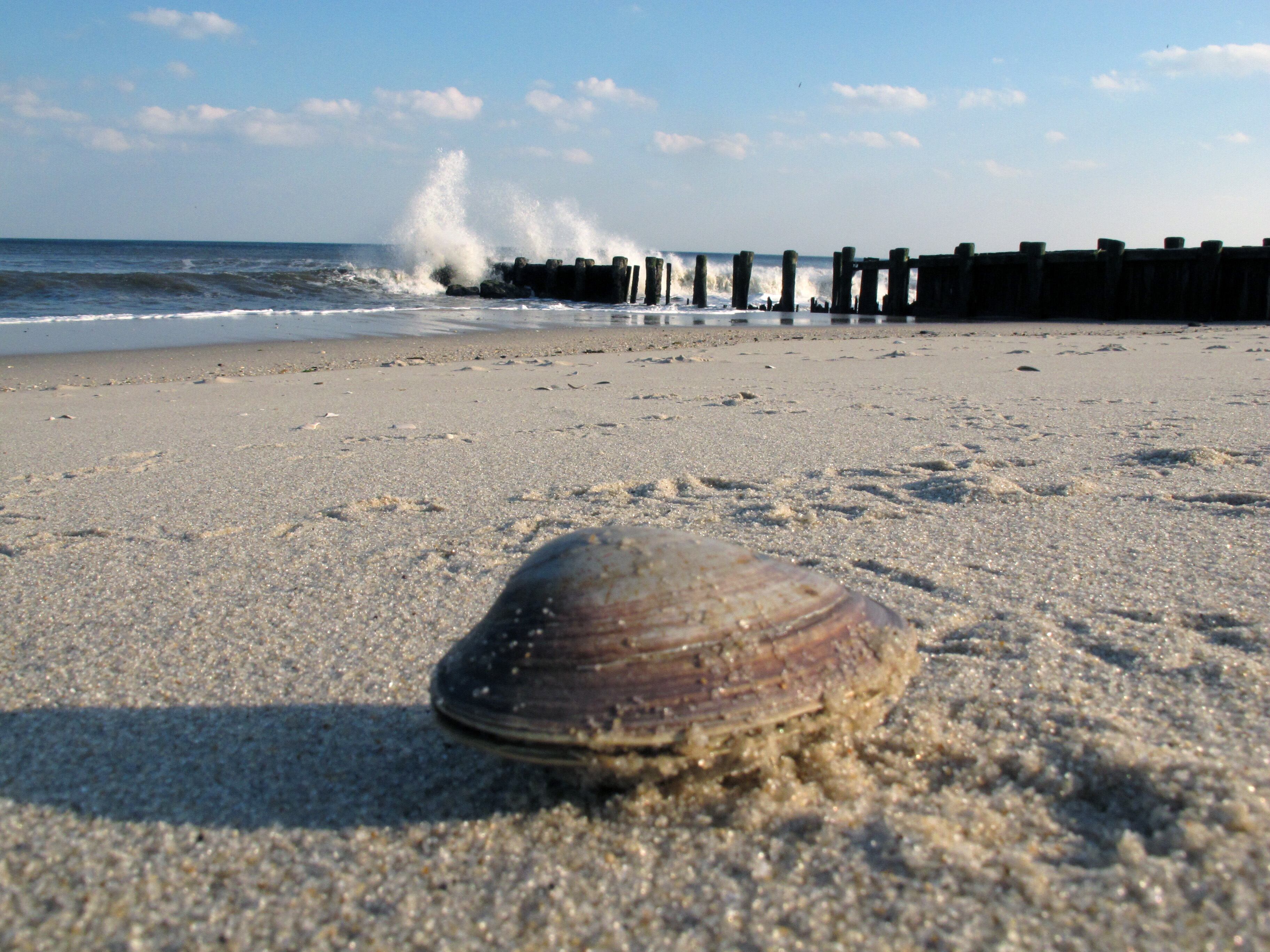
Cheddar's Michelle Castillo breaks down Pt. Pleasant's reopening plan. Beach-goers will have access to the beach beginning 5/29.
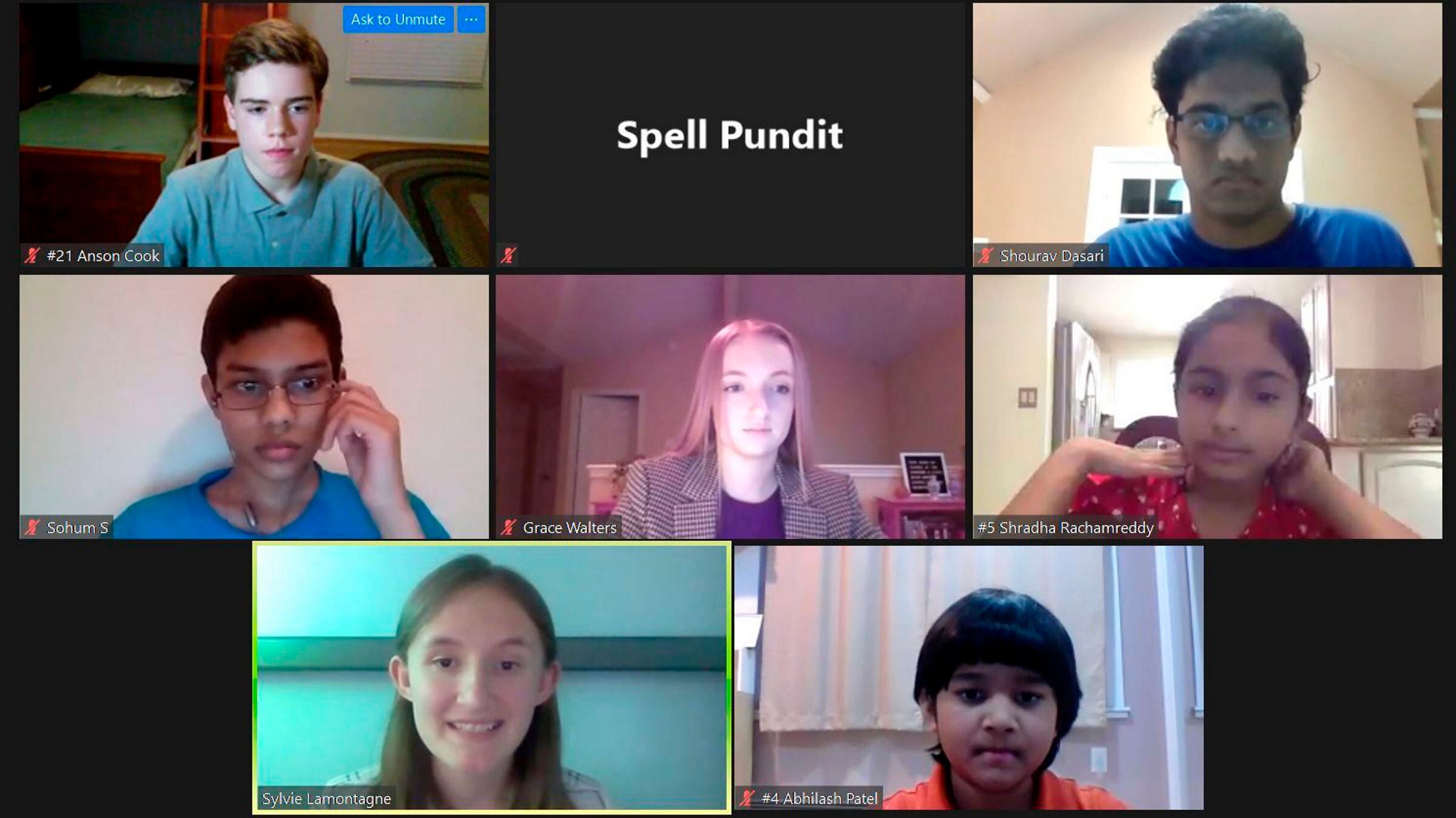
With the Scripps National Spelling Bee canceled, many top spellers who would have been on the bee stage this week are instead competing online. The SpellPundit National Online Spelling Bee was launched by two teenage ex-spellers to fill the void left by Scripps' decision.
Wheel of Fortune's Vanna White joins Lion Brand's Stitch Around The World efforts. The group looks to bring crafters around the world together.
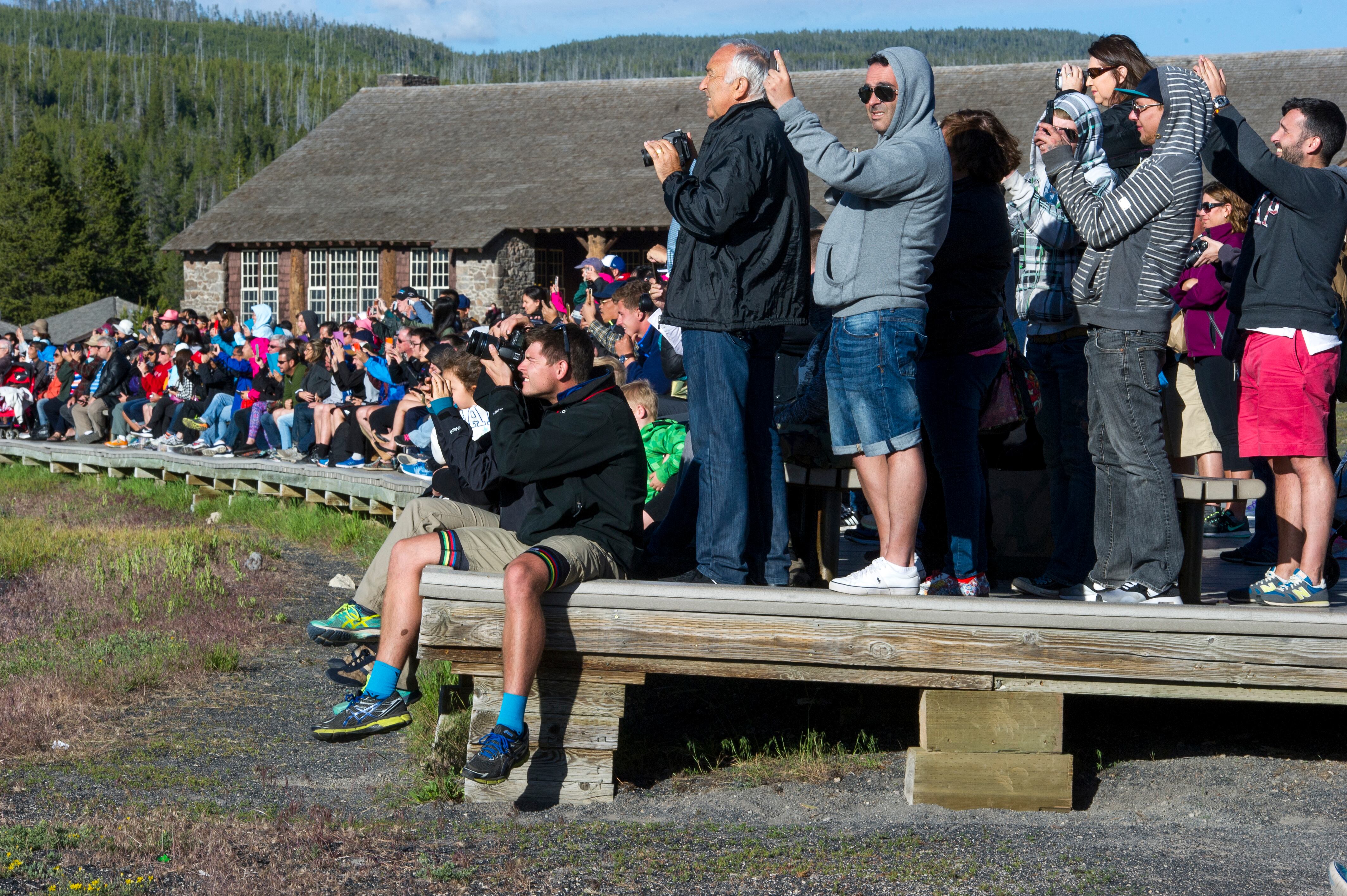
Visitation to National Park Service sites has seen a boom in recent years. For five years in a row, the park service has tallied over 300 million visitors per year. It’s an unprecedented spike, and the reason why this is happening now goes deeper than social media alone. While the threat of COVID-19 will likely change those numbers this year, the park service is still figuring out how to regain the balance between preservation and visitation. Cheddar explains the history of crowding in America’s national parks, and the impacts we are seeing from that today.
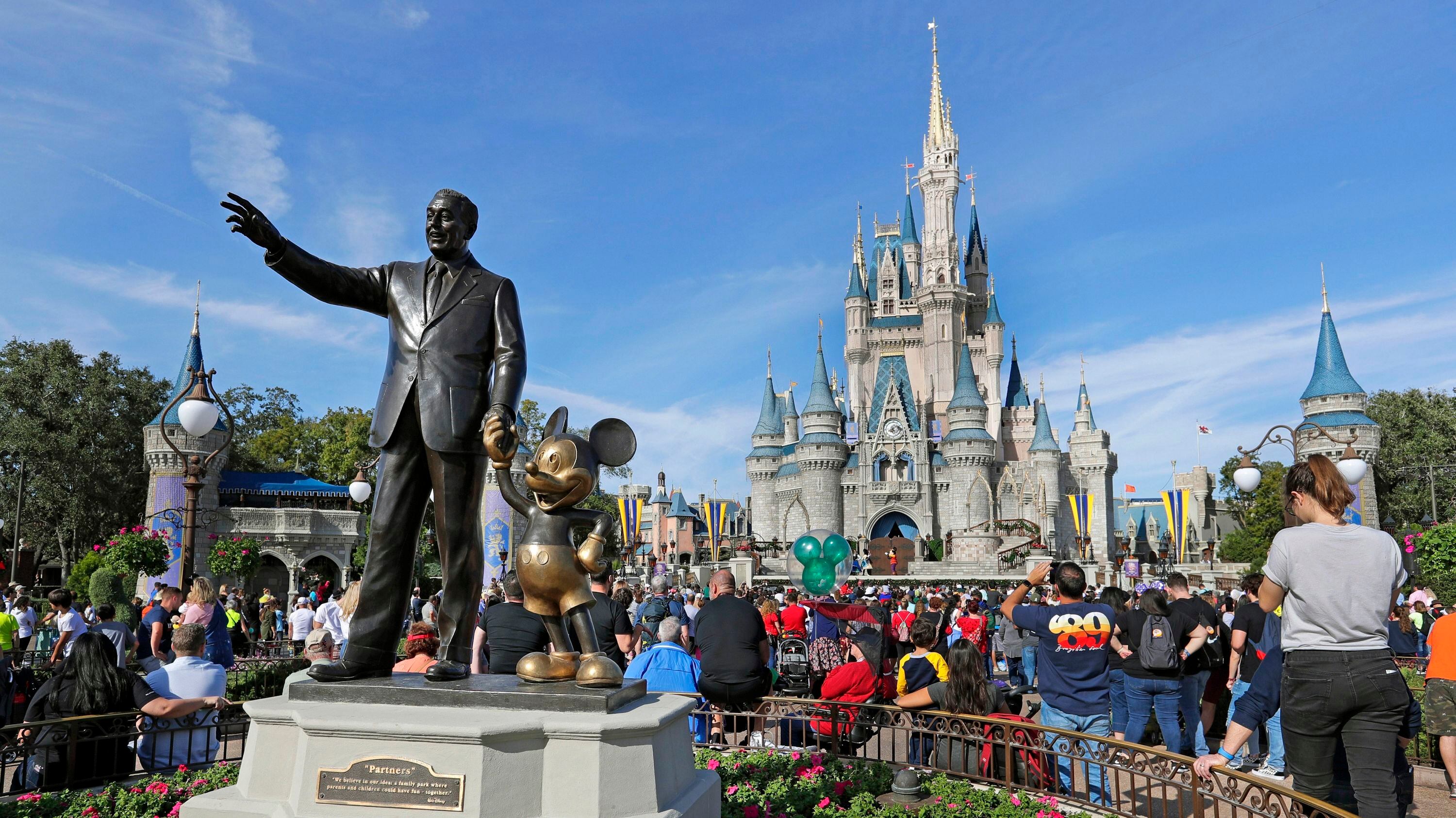
Officials from SeaWorld and Disney World say they hope to open their theme parks in Orlando, Florida, in June and July. A city task force approved the plans on Wednesday.
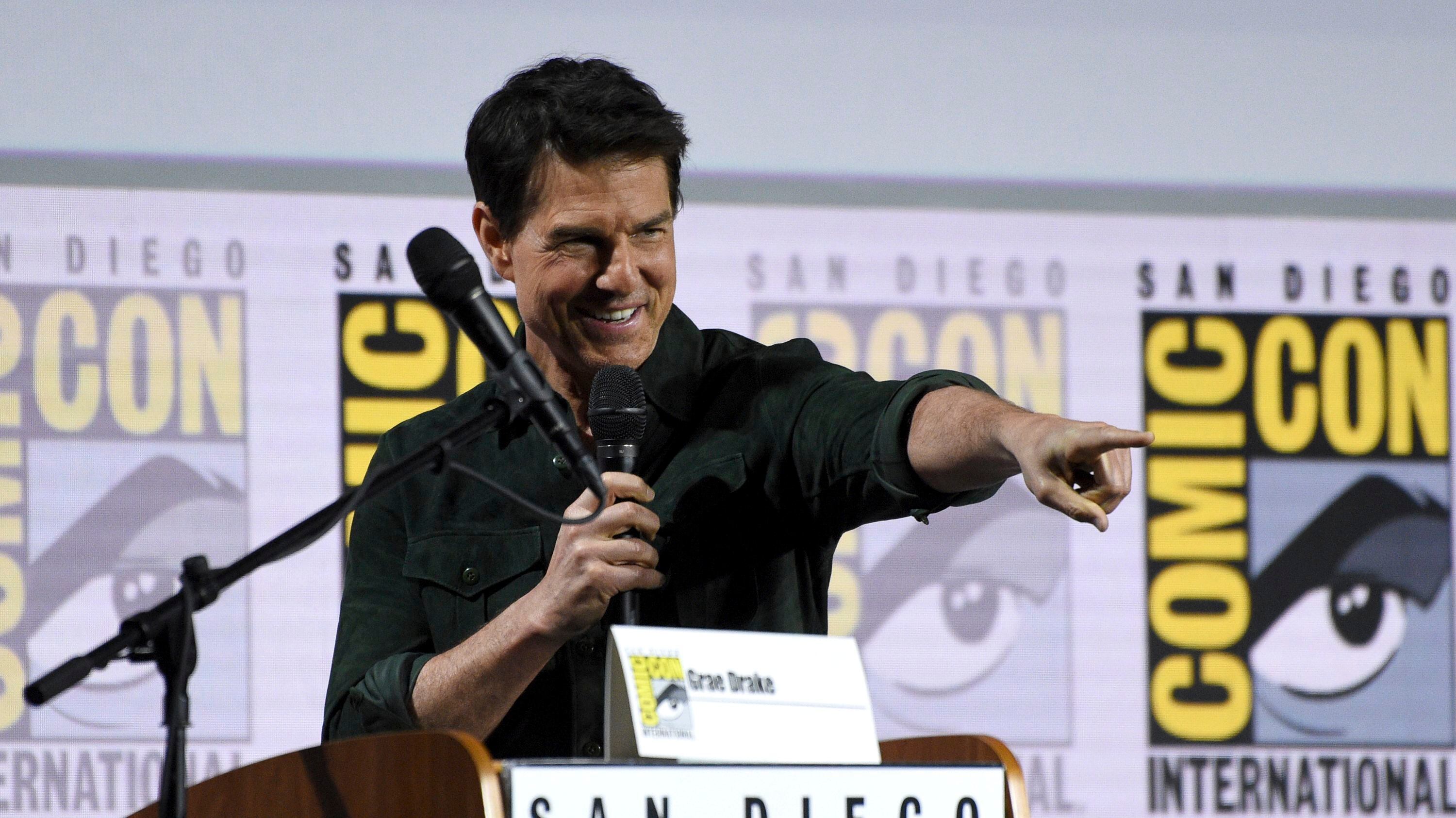
NASA is rolling out the International Space Station's red carpet for Tom Cruise.
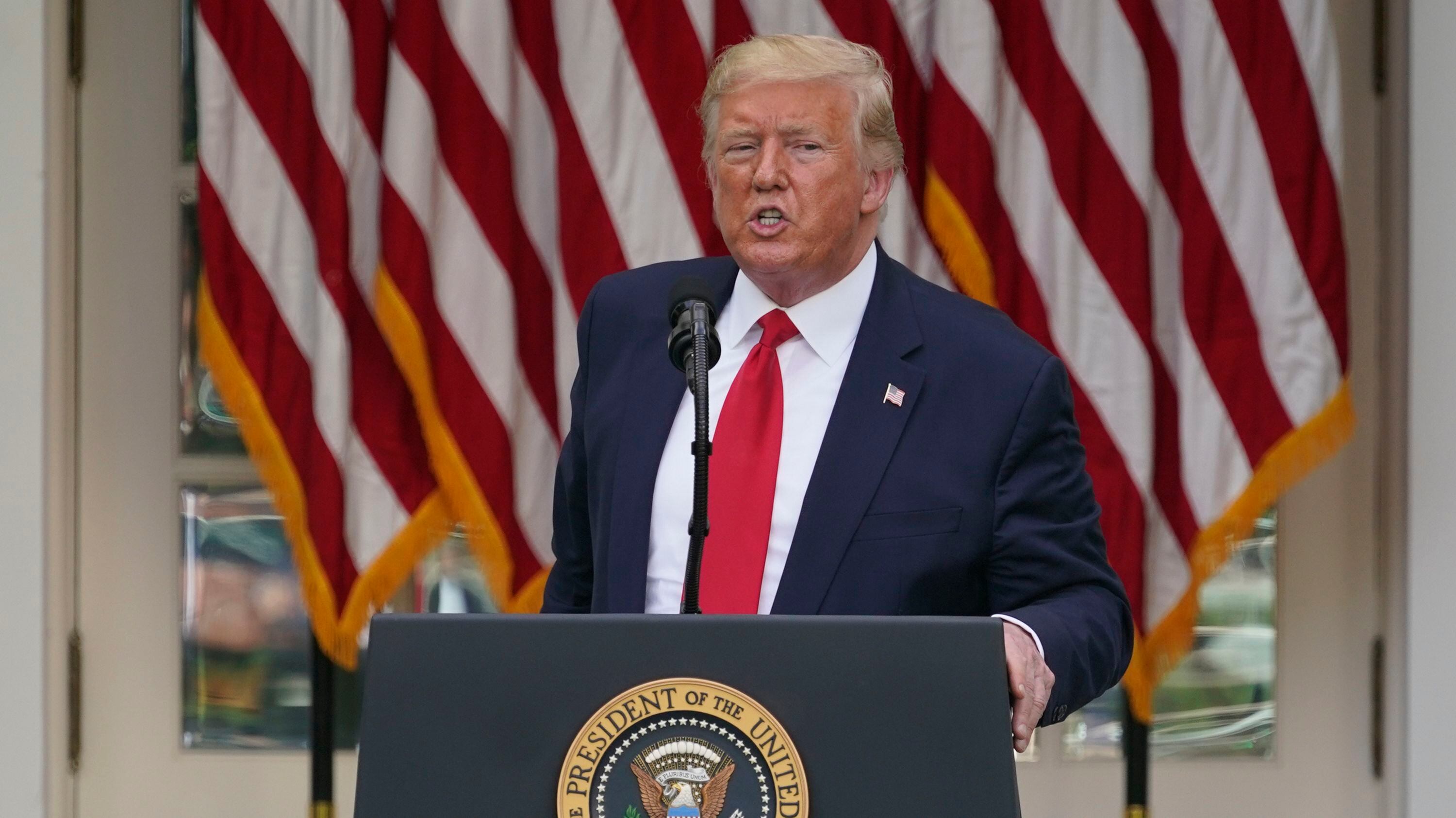
President Donald Trump is threatening social media companies with new regulation or even closure after Twitter added fact checks to two of his tweets.
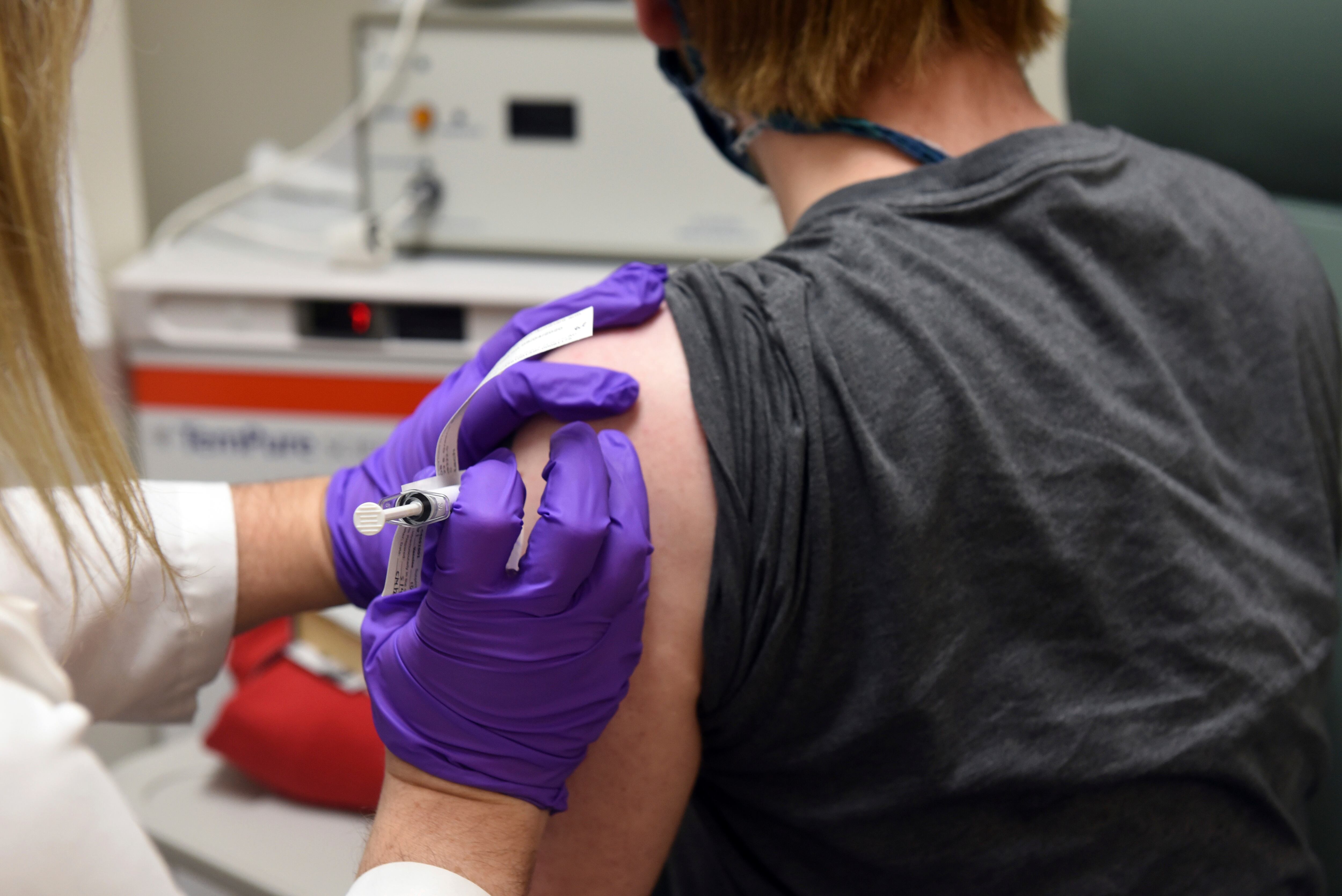
Only about half of Americans say they would get a COVID-19 vaccine if the scientists working furiously to create one succeed.
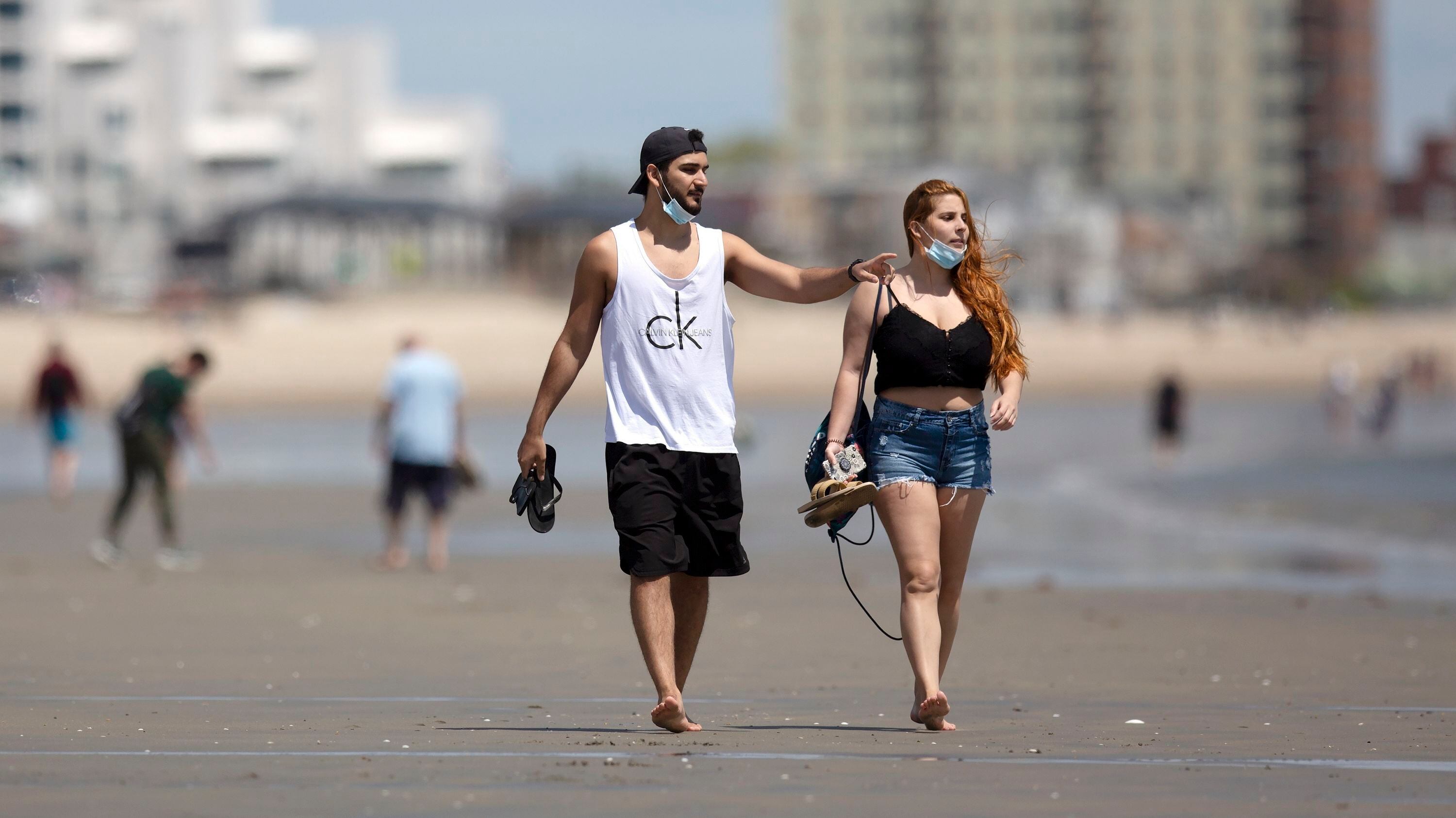
While much of the U.S. remains shuttered, state and local leaders in waterfront communities are beginning to allow beaches, boardwalks, and coastal businesses to open on a limited basis.
While the choice to get out this Memorial Day is ultimately a calculated personal risk, many are hoping to find a way to see friends and family for the first time in months.