*By Carlo Versano*
For many of us, the impact of the tax overhaul that went into effect a year ago won't be felt until we file our 2018 returns. Here are some things to remember as tax season approaches (W-2s should start appearing in mailboxes in a month), courtesy of Katelynn Minott, a CPA at Bright!Tax:
2018 returns have big increases in the standard deduction, which is now:
* $12,000 for single filers
* $18,000 for heads of households
* $24,000 for married couples filing jointly
While standard deductions have roughly doubled, the personal exemption has been eliminated. That means you can no longer reduce your taxable income by the $4,050 per household member. The standard deduction increase is generally positive for single and married people, but negative for anyone with dependents.
Filers will also no longer be able to deduct costs associated with job searches and working from home, which will negatively impact freelancers and anyone who spent more than 2 percent of their adjusted gross income on job-related expenses.
The new law also makes it harder to deduct mortgage interest and property taxes.
Filers should be prepared to get acquainted with a vastly different 1040 form, Minott said. And if you had a major life event in the last 12 months ー marriage, job change, child ー don't forget to update your W-4 to reflect that change.
And if you're expecting a refund and need the cash, don't forget the IRS works on a first-come, first-serve basis after you file.
"The earlier you file, the earlier your return will come back to you," Minott said.
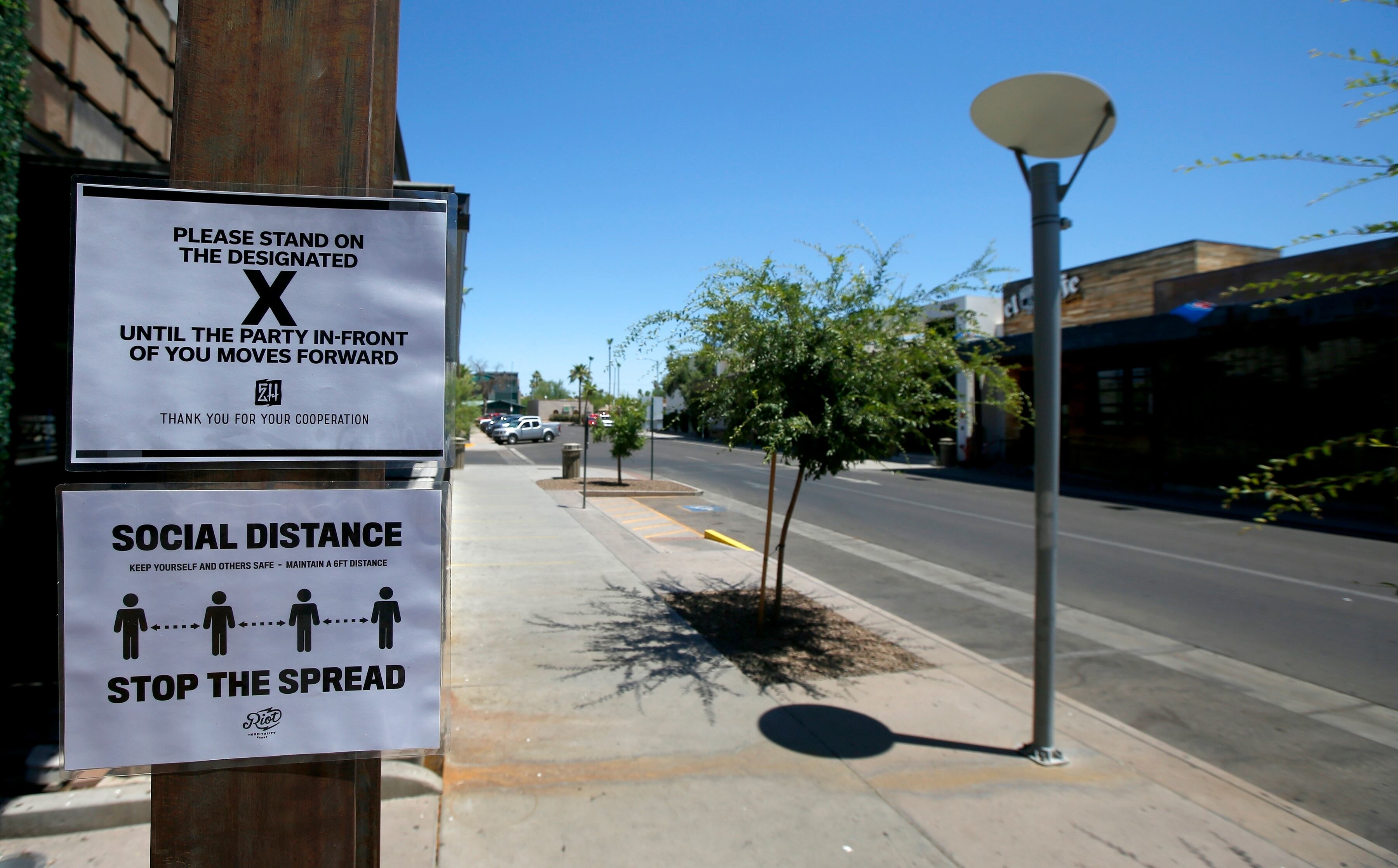
Arizona recorded more coronavirus deaths, infections and emergency-room admissions in a single day than ever before in a rapidly deepening crisis Wednesday across the Sunbelt.
Actor, Kendrick Sampson, talks the need for change in Hollywood and the mission to urge the industry to divest from police.
As audiences move away from traditional TV, digital media made its pitch for advertising dollars at the 2020 NewFronts.
The European Union has announced it will reopen its borders to travelers from 14 countries, but most Americans have been refused entry for at least another two weeks due to soaring coronavirus infections in the U.S.
The growing consensus is that eating and drinking indoors with people you don't know is among the worst things you can do during the coronavirus pandemic. The Supreme Court comes down on the side of abortion advocates. Also, if you have a food allergy, listen up.
AMC said Monday that it would open approximately 450 U.S. locations on July 30 and the remaining 150 the following week.
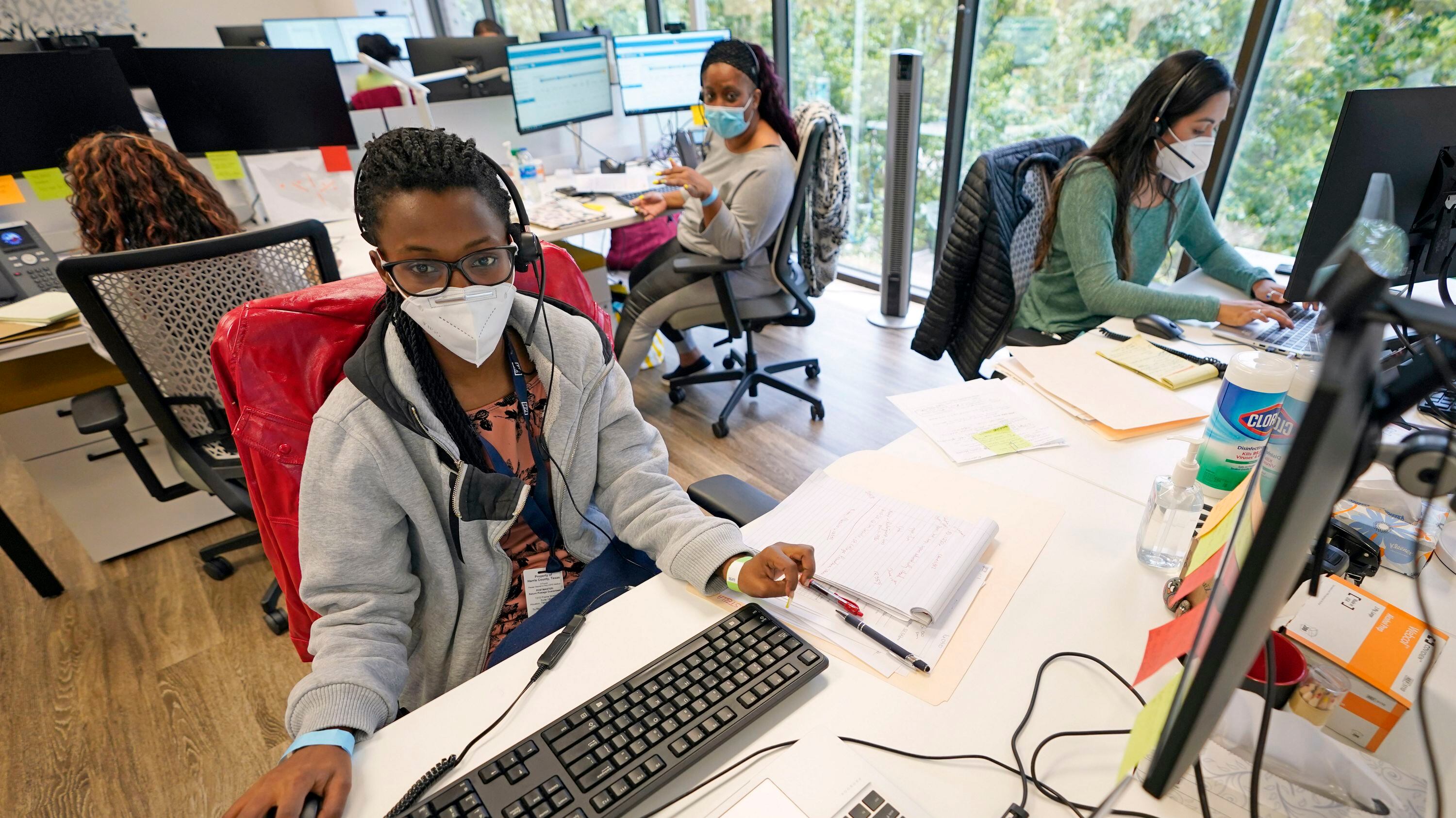
Health departments around the U.S. that are using contact tracers to contain coronavirus outbreaks are scrambling to bolster their ranks.
The Ryders Alley Trencher-Fed Society, R.A.T.S. for short, have been prowling NYC for at least three decades for rodents, and their services are required more than ever due to the coronavirus pandemic.
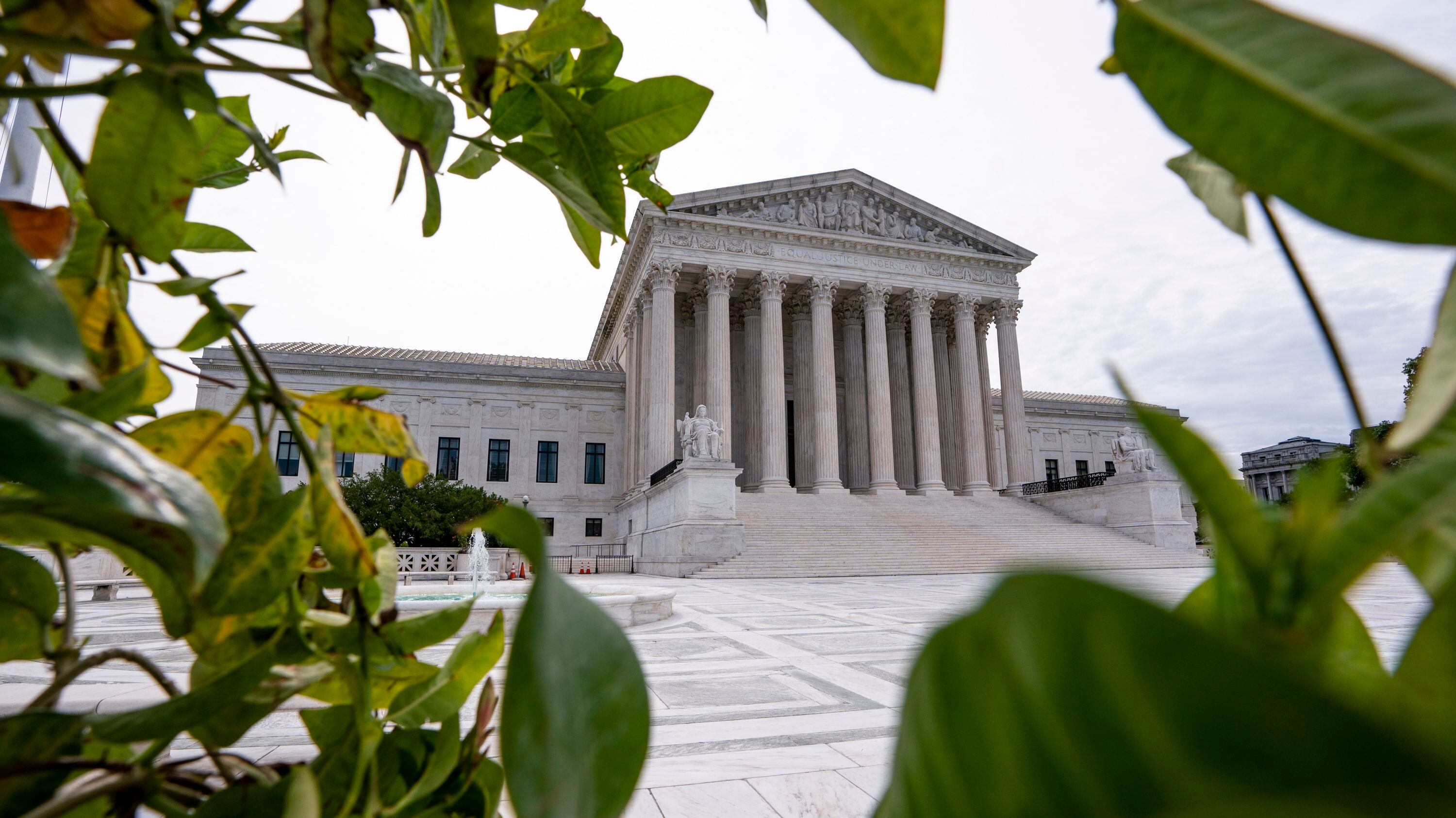
The Supreme Court has struck down a Louisiana law regulating abortion clinics, reasserting a commitment to abortion rights over fierce opposition from dissenting conservative justices in the first big abortion case of the Trump era.
Jill and Carlo recap a weekend chock full of news, including the latest pandemic headlines, a bombshell report in the New York Times about Russia, and Facebook's growing advertiser problem.