*By Carlo Versano*
For many of us, the impact of the tax overhaul that went into effect a year ago won't be felt until we file our 2018 returns. Here are some things to remember as tax season approaches (W-2s should start appearing in mailboxes in a month), courtesy of Katelynn Minott, a CPA at Bright!Tax:
2018 returns have big increases in the standard deduction, which is now:
* $12,000 for single filers
* $18,000 for heads of households
* $24,000 for married couples filing jointly
While standard deductions have roughly doubled, the personal exemption has been eliminated. That means you can no longer reduce your taxable income by the $4,050 per household member. The standard deduction increase is generally positive for single and married people, but negative for anyone with dependents.
Filers will also no longer be able to deduct costs associated with job searches and working from home, which will negatively impact freelancers and anyone who spent more than 2 percent of their adjusted gross income on job-related expenses.
The new law also makes it harder to deduct mortgage interest and property taxes.
Filers should be prepared to get acquainted with a vastly different 1040 form, Minott said. And if you had a major life event in the last 12 months ー marriage, job change, child ー don't forget to update your W-4 to reflect that change.
And if you're expecting a refund and need the cash, don't forget the IRS works on a first-come, first-serve basis after you file.
"The earlier you file, the earlier your return will come back to you," Minott said.
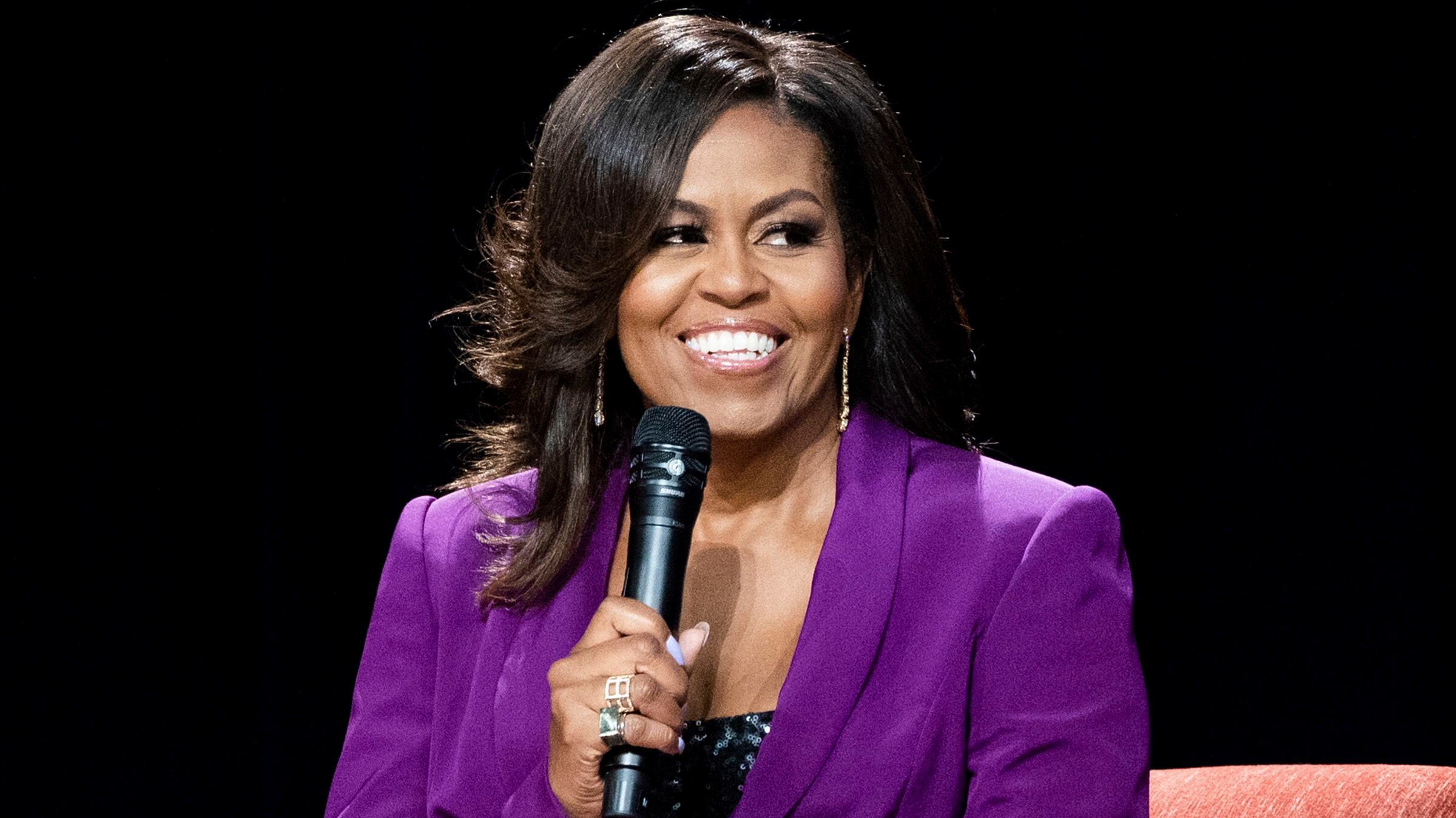
The former first lady will host The Michelle Obama Podcast from Obama's Higher Ground production company, Spotify announced Thursday.
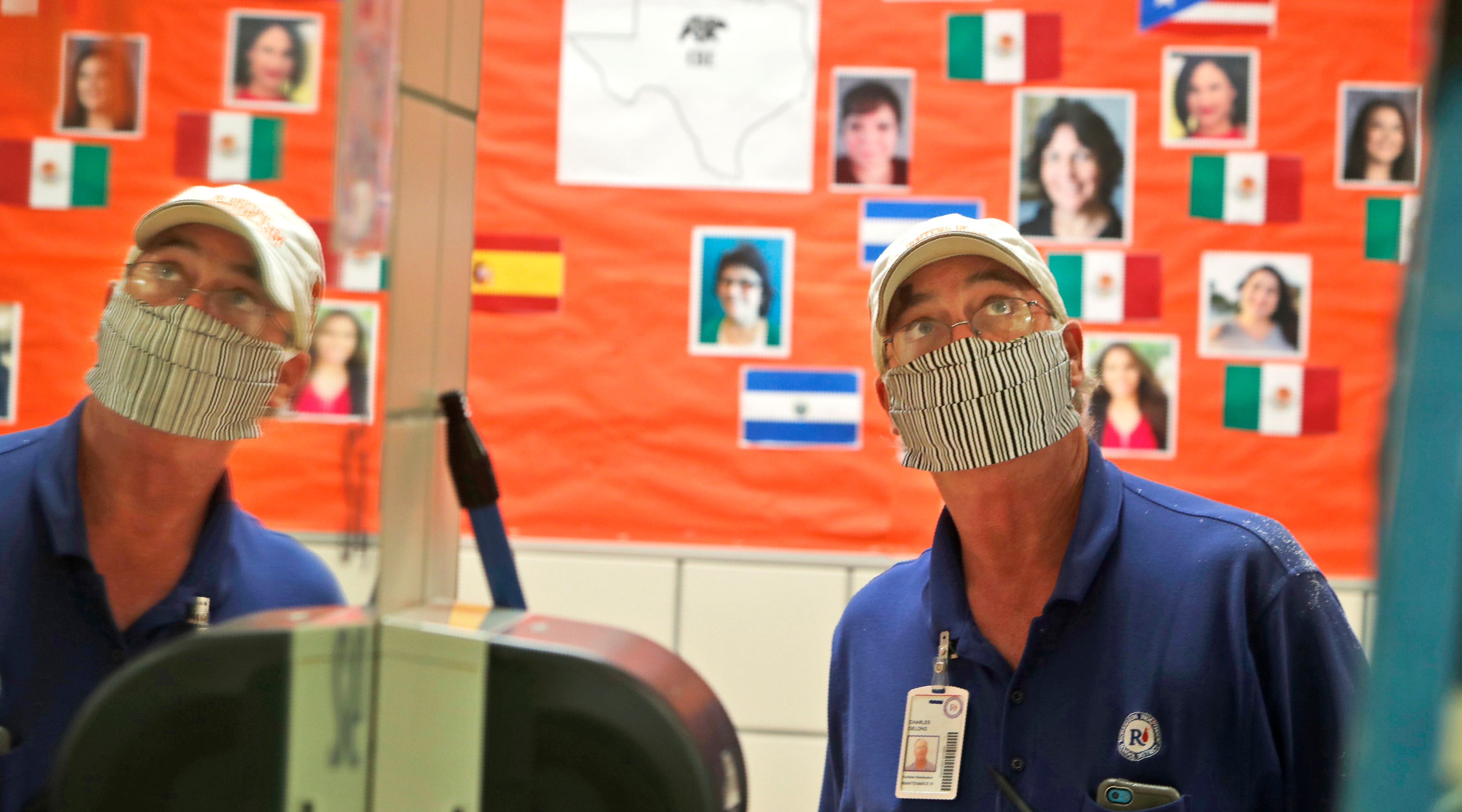
With caseloads continuing to rise, more school districts say they can’t safely bring students back in person, and will begin the school year online. Houston and San Francisco are the latest cities to say they’ll start virtually.
Travelers from 22 states are now being told to quarantine or face a heavy fine if they come to New York, as the Tri-State area worries about getting caught in a second wave of infections brought on by outsiders.
Arizona, Texas, and Florida are together reporting about 25,000 new coronavirus cases as new restrictions aimed at combating the spread of the pandemic take hold in the United States and around the world.
The Trump administration has rescinded a rule that would have required international students to transfer schools or leave the country if their colleges hold classes entirely online this fall because of the coronavirus pandemic.
Millions of people thrive in the American West’s deserts today, but not every is thriving. You’ve probably heard of droughts and wildfires in California, of groundwater drying up in Arizona, and of entire communities, like those on the Navajo Nation, that have been left without running water. The region is finally coming to terms with decades of infrastructure projects, coupled with using more water than nature can provide, as the threat of climate change moves in. Cheddar explains why the American West is running out of water.
Burger King has rebalanced the diet of some of the cows by adding lemon grass in a bid to limit bovine contributions to climate change.
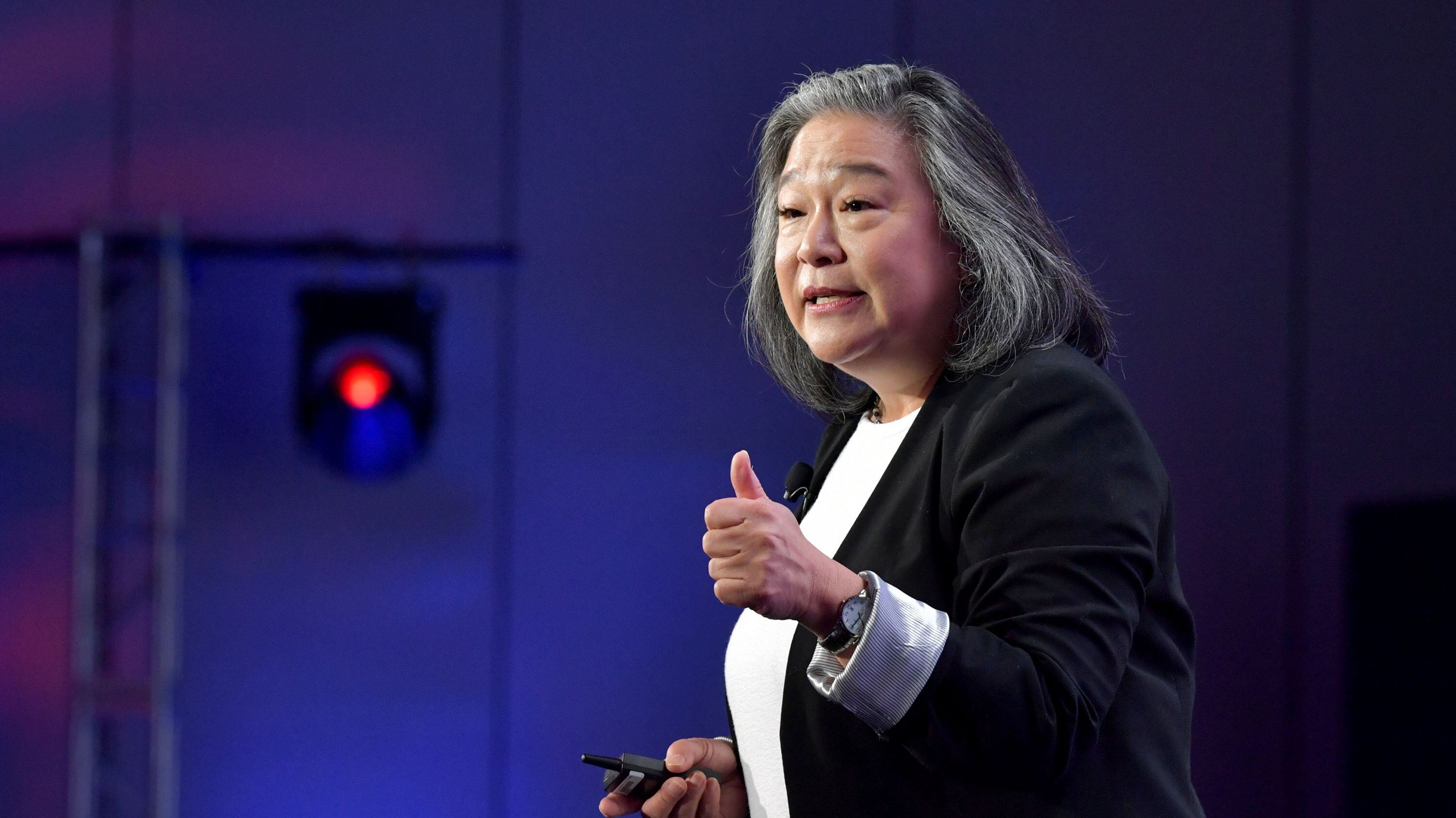
Tina Tchen, president and CEO of Time's Up, provides insight into how companies can go about addressing inequities in the workplace.
California is rolling back its re-opening: by order of the governor, most indoor places where people gather will be forced to close as the state’s coronavirus caseload rises.
Authorities say "Glee" star Naya Rivera has been found dead at a Southern California lake.